

Embarking on a wellness journey can feel overwhelming, but it doesn’t have to be. Small, intentional steps can lead to profound changes in your health and well-being. Here are some key considerations to keep in mind as you start this transformative process:
1. Buy Organic Foods (When Possible)
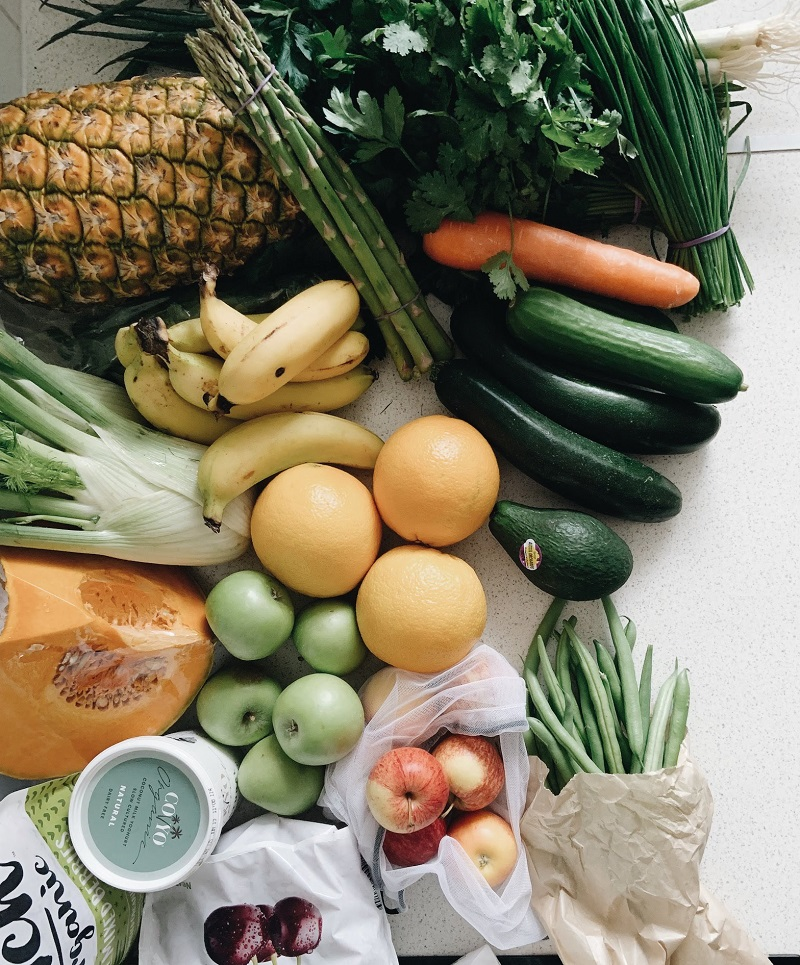
Incorporating organic foods into your diet is an excellent way to reduce exposure to harmful pesticides and chemicals. However, it’s not necessary to buy everything organic. If you’re on a budget, focus on purchasing organic versions of the “Dirty Dozen,” a list of produce items with the highest pesticide residue. These include:
- Strawberries
- Spinach
- Kale, collard, and mustard greens
- Peaches
- Pears
- Nectarines
- Apples
- Grapes
- Bell and hot peppers
- Cherries
- Blueberries
- Green beans
If you can’t go fully organic, don’t stress. Start small and prioritize where you can.
2. Reduce Toxins in Your Environment

Wellness isn’t just about what you eat—it’s also about your surroundings. Many everyday products contain toxins that can disrupt hormones and negatively affect your health. Consider:
- Switching to natural cleaning products to reduce exposure to harsh chemicals.
- Using non-toxic beauty products to avoid harmful ingredients like parabens and phthalates.
- Eliminating synthetic fragrances from candles, air fresheners, and car scenters.
Studies have shown that exposure to environmental toxins can lead to hormone imbalances, infertility, and chronic health conditions. By creating a toxin-free home, you’ll be taking a significant step towards better health. Experts recommend starting with small changes, such as replacing one product at a time, to make the transition more manageable.
3. Seek Professional Guidance

Sometimes, we need expert help to uncover the root causes of our health concerns. Naturopaths and health coaches can provide personalized support, perform comprehensive blood work, and focus on the root causes of issues rather than just treating symptoms.
If hiring a professional isn’t feasible, join online wellness communities or follow reputable wellness gurus for inspiration and advice. Gut health, in particular, is a cornerstone of overall wellness, as it’s often said that “all diseases begin in the gut.” Research supports this, showing that gut microbiota influences everything from immunity to mental health.
4. Eat Whole Foods
Transitioning to a diet rich in whole, nutrient-dense foods is one of the most impactful changes you can make. Focus on:
- Fresh fruits and vegetables
- Lean proteins
- Healthy fats like avocados and nuts
- Whole grains
Start slowly by reducing processed foods and gradually incorporating more whole foods. Research shows that diets high in processed foods can lead to inflammation, weight gain, and chronic diseases, while whole foods support overall vitality. Experts suggest meal prepping or keeping a food diary to help with this transition.
5. Integrate Herbal Remedies
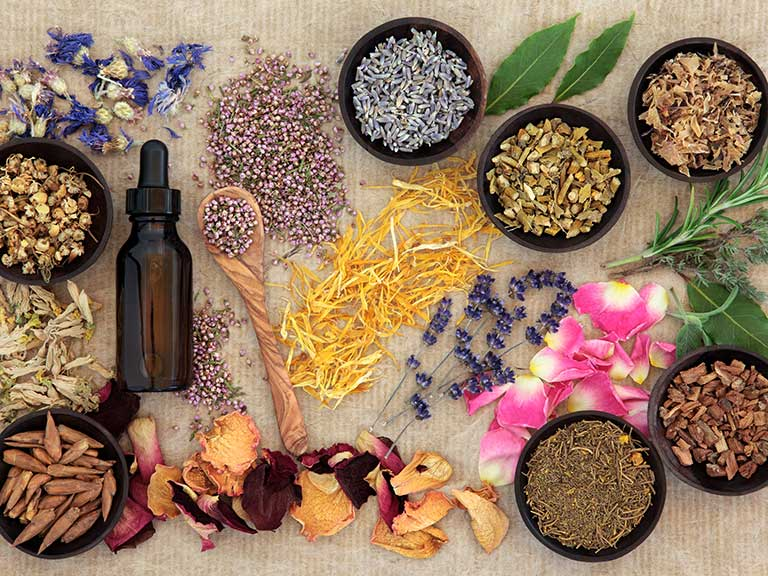
Herbs and plant-based supplements have been used for centuries to promote healing. Some powerful options include:
- Turmeric: Known for its anti-inflammatory properties.
- Ginger: Helps with digestion and reduces nausea.
- Echinacea: Boosts immunity.
- Ashwagandha: An adaptogen that supports stress management and energy levels.
Explore these remedies, but do your research or consult a professional to ensure safety and efficacy.
6. Cultivate a Positive Mindset
Mental health is a critical part of overall wellness. Practice gratitude, surround yourself with positivity, and adopt a mindset focused on growth and healing.
Interestingly, your gut health is directly linked to your mental health. The gut-brain axis highlights the connection between a healthy digestive system and reduced anxiety or depression. Nurturing both your mind and body is essential for holistic wellness.
7. Join a Wellness Community
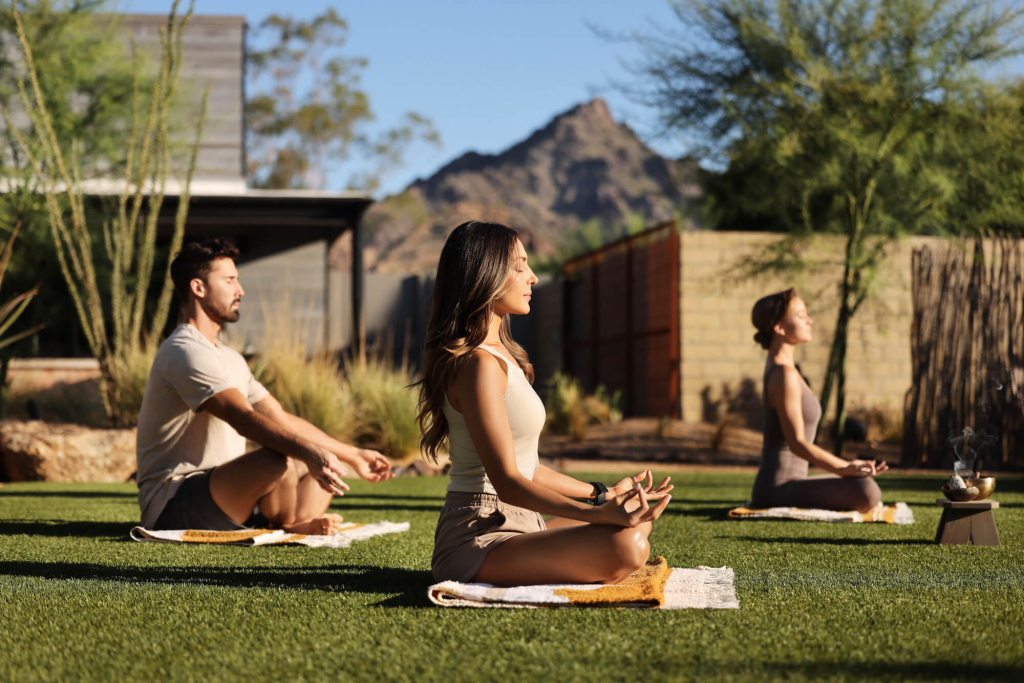
Being part of a supportive group can make your journey more enjoyable and sustainable. Wellness communities—whether online or in-person—provide:
- Accountability
- Motivation
- A platform to share tips, recipes, and ideas
Surrounding yourself with like-minded individuals can help you stay consistent and inspired.
8. Exercise Mindfully
Movement is vital, but it doesn’t have to be intense or exhausting. Find activities you enjoy, such as:
- Yoga
- Walking
- Swimming
- Strength training
Start slow and listen to your body. Even 30 minutes of walking a day can make a big difference. The key is to make exercise enjoyable and sustainable.
Final Thoughts
Your wellness journey is personal and unique, so take it at your own pace. Small, consistent changes over time will lead to lasting results. By focusing on these foundational aspects, you’ll create a healthier, more balanced lifestyle that nurtures your mind, body, and spirit.
Leave a Reply