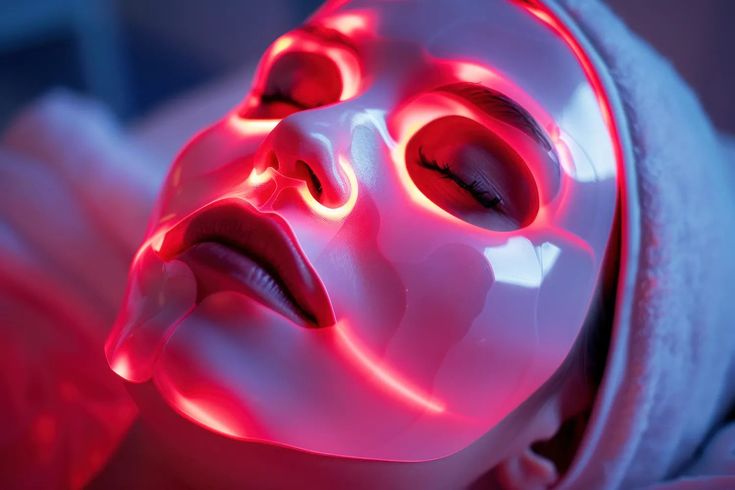
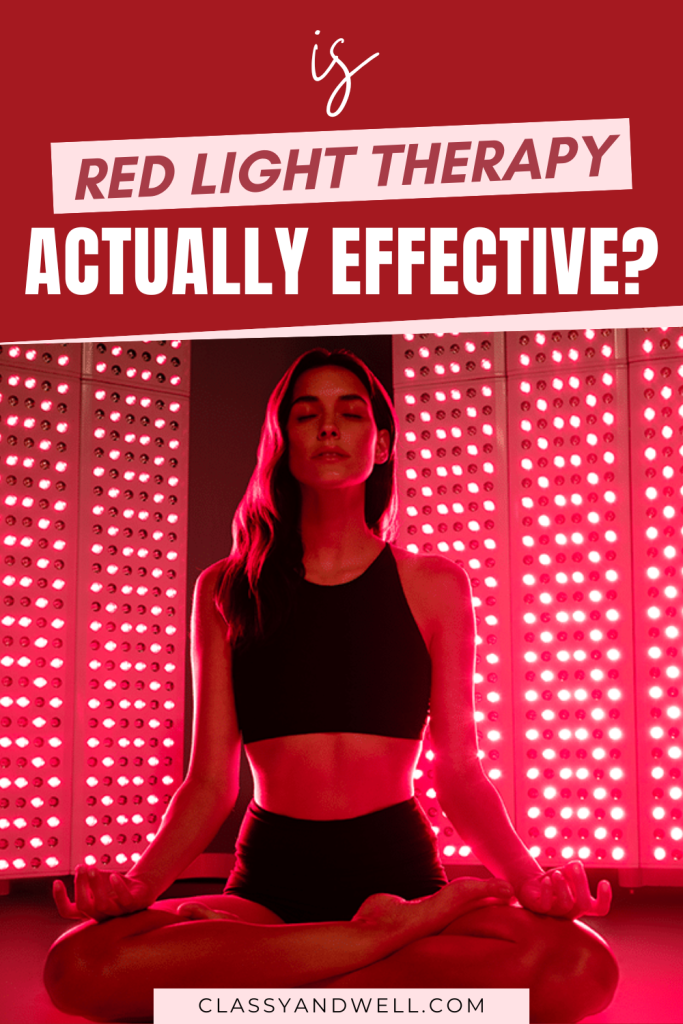
Red light therapy has been making waves in the skincare and wellness world, especially in recent years as more research highlights its potential benefits. While originally only available in clinics, where treatments are highly effective and well-regarded, at-home red light devices now offer a more budget-friendly and convenient way to incorporate LED into daily routines.
Consistent use at home can bring impressive, long-term skin benefits, making it an appealing option for those looking to elevate their skincare game. However, red light therapy works best as an enhancement to a solid skincare regimen rather than a replacement. Paired with a well-rounded routine, red light therapy can amplify results, giving skin a boost in radiance and resilience. Although the growing popularity is backed by promising studies, further research will continue to shed light on its full potential and applications.
Let’s dive into what red light therapy can—and can’t—do for your skincare and wellness goals.
What is Red Light Therapy?
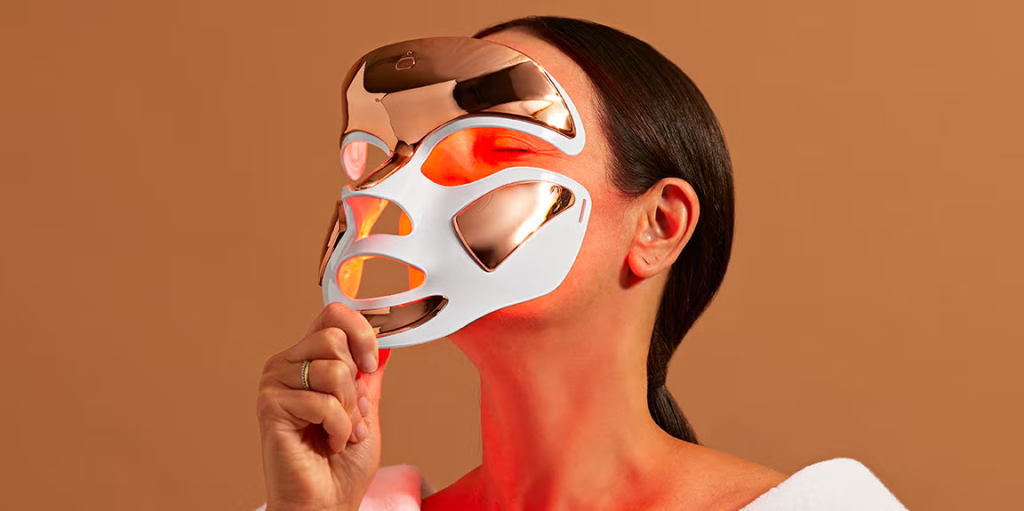
Red light therapy is a treatment that uses low-level red or near-infrared light, typically between 630-700 nm, to penetrate the skin safely and deeply. Unlike UV light, which can harm the skin, red light works through a process called photo-biomodulation, energizing the cells without causing any damage. Often available in medi-spas and at-home devices, it’s a non-invasive approach commonly paired with other skin treatments like microneedling or chemical peels for enhanced results.
What Are the Benefits of Red Light Therapy?
- Reduces Skin Inflammation: Consistent red light exposure helps decrease inflammation in the skin, calming redness and irritation, and creating a more even complexion.
- Boosts Collagen Production: Red light stimulates collagen synthesis in the deeper layers of the skin, which can help improve firmness, reduce wrinkles, and support smoother skin texture over time.
- Improves Skin Texture and Reduces Wrinkles: By enhancing collagen density and reducing fine lines, red light therapy works to rejuvenate the skin, promoting a youthful and radiant appearance.
- Treats Hair Loss and Supports Hair Growth: For those with conditions like androgenic alopecia, red light therapy has shown promise in encouraging hair regrowth and increasing hair density.
- Aids in Scar and Acne Reduction: Red light’s regenerative effects extend to scarring and acne, where it helps repair damaged skin cells and may even reduce acne scars when paired with a solid skincare routine.
- Supports Healing and Reduces Pain: Near-infrared light penetrates deeply to relieve pain and soreness by reducing inflammation in targeted body areas. It can even aid in tissue repair and healing in deeper layers of the skin and muscles.
- May Aid in Managing Certain Skin Conditions: Red light therapy is used to support treatments for conditions like rosacea, psoriasis, and eczema by reducing inflammation and promoting healthier skin.
- Improves Circulation: By increasing blood flow to treated areas, red light therapy helps nourish skin cells and remove toxins, supporting overall skin health and vitality.
- Can Enhance Recovery from Injury or Strain: Phototherapy has also been used to reduce pain and inflammation in tendons, muscles, and joints, providing relief in conditions like carpal tunnel syndrome and other inflammatory injuries.
Red light therapy is a versatile option with benefits across skincare, pain management, and even hair health, making it a well-rounded addition to wellness routines.

Where to get Red Light Therapy?
Red light therapy is available in various places, including some tanning salons, gyms, and local day spas, where treatments can help reduce signs of aging and improve skin tone. You can also find FDA-approved red light therapy devices online for at-home use, offering convenience if you want to incorporate regular sessions without frequent trips to a clinic.
While clinic-based treatments tend to be the most effective, as the equipment is often more powerful and efficient, they are also generally the most expensive option. It’s wise to speak with a healthcare professional before beginning red light therapy, especially since results may take multiple sessions. A doctor can also help you create a treatment plan tailored to your needs, optimizing the benefits you get from each session.
How Often Should Red Light Therapy be Used?
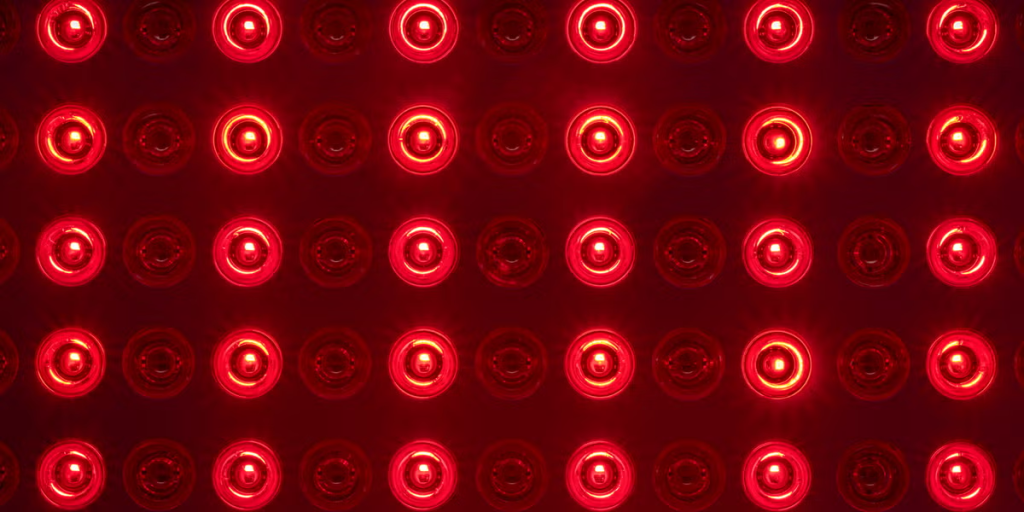
The frequency of red light therapy sessions largely depends on the type of device you’re using and the specific area you’re treating. Professional devices are generally more powerful, often requiring fewer sessions to produce noticeable results. For at-home devices, dermatologists typically recommend choosing FDA-cleared options for optimal safety and effectiveness. Regular, consistent use—daily or around 3-4 times per week—is generally ideal over at least six weeks to start seeing changes, while up to three months of regular sessions may be needed for more significant skin-firming effects.
Generally, most people find 2-3 sessions per week beneficial, though the exact frequency can vary based on the condition being treated. It’s always a good idea to consult with a healthcare professional before starting red light therapy to ensure the best approach for your needs.
How Long Does it Take to See Results from Red Light Therapy?
Red light therapy offers varying timelines for results depending on the benefits you’re looking to achieve. For example, while it may take a few months for significant improvements in collagen production and reduced signs of aging, it can calm inflammation even after a brief 10-minute session, which is the typical dermatologist-recommended duration. Many people also report a sense of relaxation or well-being immediately after their first session due to increased blood flow and endorphin release, although visible changes aren’t always apparent right away.
In the short term, you might start to see benefits like a more even skin tone or reduced inflammation within one to two weeks with consistent use. This is often when users begin to notice a slight improvement in skin texture and firmness as collagen production ramps up. However, for deeper effects—whether it’s relieving chronic pain or addressing persistent skin issues—consistent therapy over four to twelve weeks is generally needed. This timeline allows your body to fully harness the cellular stimulation that promotes healing and regeneration.
Remember, consistency is key with red light therapy, and multiple weekly sessions initially can optimize results based on your goals. Individual responses vary, so factors such as treatment goals, frequency, and even overall health and lifestyle habits (like diet and hydration) can influence the speed of results.
How to Find the Best Red Light Therapy?
If you’re thinking about trying red light therapy, choosing the right device can make a huge difference. It’s essential to look at features like wavelength, power output, and the device’s coverage area. For optimal skin rejuvenation, devices with wavelengths between 630 and 850 nanometers are generally ideal since these provide the best skin penetration. And, of course, checking that the device has FDA clearance can add peace of mind, ensuring it meets safety and effectiveness standards.
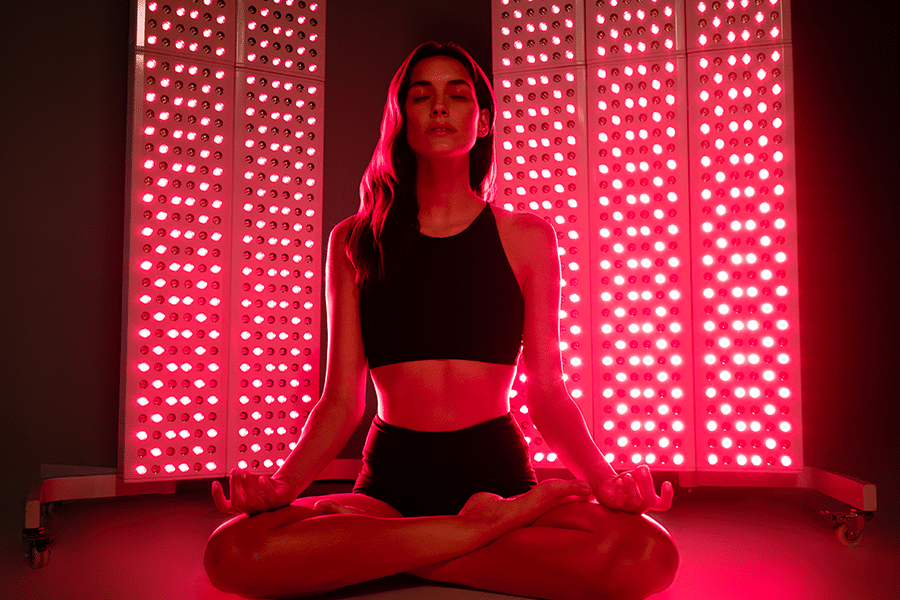
You’ll find three main types of red light therapy devices: red light, near-infrared light, and a combination of both. While red light focuses more on the surface, making it great for issues like acne and minor wounds, near-infrared light reaches deeper into the skin and is excellent for treating muscles, joints, and even bones. You won’t actually see infrared light, but your skin will feel the heat, showing it’s working deeper. Each type of light has unique benefits, so think about whether you’re primarily targeting skin issues or deeper tissue needs.
If you’re looking for a device that can cover all bases, a combination unit could be your best option. This allows you to treat both surface and deeper layers, so you can enjoy a broader range of benefits without needing multiple devices. Overall, finding the best red light therapy device for you involves understanding what your skin and body need most and ensuring the device is safe, effective, and well-suited to those goals.
Are There Any Risks With Red Light Therapy?
Red light therapy does come with some potential risks and downsides. Using the device for more than 30 minutes or with damaged parts can lead to burns or blisters, so it’s crucial to stick to recommended session times and check that the device is in proper condition before each use.
Another consideration is eye safety. Keeping your eyes closed during sessions is crucial, as direct exposure to red light could potentially harm them. Additionally, your device should never produce heat. If you notice it becoming warm, it could stimulate melanin production, especially in individuals prone to hyperpigmentation, leading to uneven skin tone or dark spots.
For those with conditions or medications that increase sensitivity to light, consulting with a healthcare provider is recommended before starting red light therapy. Not all devices are created equal, and doing your research is key; be sure to choose a reputable device with the correct wavelengths to achieve the desired results safely. Overall, while generally safe and low-risk, using red light therapy with these precautions can help you enjoy its benefits more effectively and safely.
Who Should Not Use Red Light Therapy?
While red light therapy is generally safe and suitable for most people, certain individuals should exercise caution or avoid it altogether. Those with photosensitivity disorders, such as lupus, or individuals taking medications that increase sensitivity to light, like some antibiotics or acne treatments, may experience adverse reactions and should consult a healthcare provider before use.
Pregnant individuals or those with active skin cancers should also avoid red light therapy, as its effects on these conditions are not fully understood. Additionally, if you have a history of seizures triggered by light or a severe medical condition, it’s best to get medical clearance before trying red light therapy. Consulting a healthcare provider is always recommended to ensure the treatment is safe and appropriate for your specific health needs.
Takeaway
Red light therapy has attracted considerable media attention for its potential to address a variety of health and skin concerns, such as wrinkles, acne, hair loss, and rheumatoid arthritis, though more research is ongoing. While at-home devices like masks and wands offer convenience, treatments in a clinical setting tend to be more powerful and may provide more noticeable results. Before beginning red light therapy, especially for specific symptoms, it’s wise to consult a doctor who can help determine the best approach. Although it can be an investment, red light therapy is generally safe and may be an effective noninvasive treatment option.
Disclaimer: All content found on the classyandwell.com were created for informational purposes only. The information provided in this blog are based on my personal experiences and research. The content is not intended to be a substitute for professional medical advice, diagnosis, or treatment.
Leave a Reply