
Discover practical strategies and expert advice to set realistic fitness goals that will keep you motivated and on track throughout the year.
As we step into 2025, many of us are eager to set new fitness resolutions and start the year off strong. But with so many options and conflicting advice out there, it can be overwhelming to know where to begin. The key to success isn’t in drastic changes or quick fixes, but in setting realistic, sustainable goals that you can maintain throughout the year. Experts agree that the most effective way to achieve your fitness aspirations is by creating SMART goals—goals that are Specific, Measurable, Achievable, Relevant, and Time-bound. In this post, we’ll explore expert advice on how to set achievable fitness goals, break them down into manageable steps, and stay consistent to make 2025 your healthiest year yet. Whether you’re looking to lose weight, build strength, or simply improve your overall health, these strategies will help you stay on track and see lasting results.
Set SMART Goals
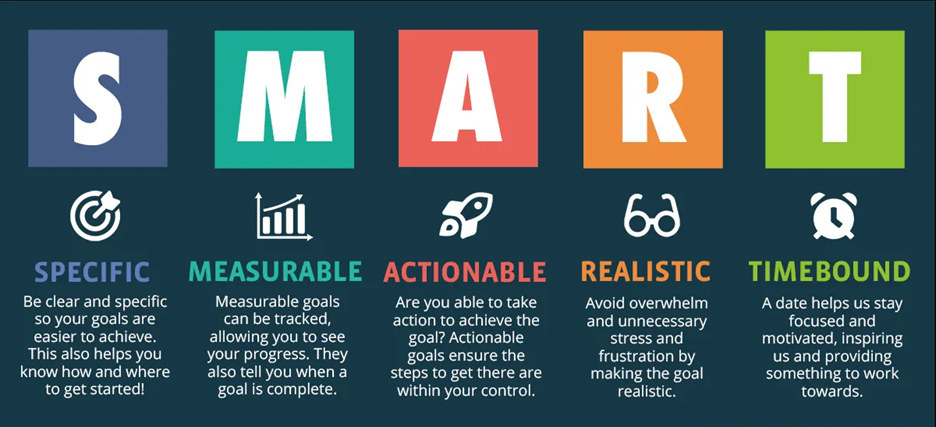
Start by defining goals that are Specific, Measurable, Achievable, Relevant, and Time-bound. For example, instead of saying, “I want to lose weight,” aim for “I want to lose 10 pounds in 3 months by exercising 4 times a week and eating a balanced diet.”
What Is a Realistic Fitness New Year’s Resolution?
Setting fitness goals for the new year can be exciting, whether you’re looking to improve flexibility, shed a few pounds, or build core strength. Certified personal trainer Jenny Liebl emphasizes the importance of creating SMART goals: Specific, Measurable, Attainable, Realistic, and Time-bound.
Breaking Down SMART Goals
- Specific: Define exactly what you aim to accomplish. For instance, instead of saying, “I want to lose weight,” specify it with, “I want to lose 15 pounds.”
- Measurable: Ensure your goal can be tracked or quantified, so you’ll know when you’ve reached it.
- Attainable: Evaluate whether the goal is achievable for your circumstances. For example, losing 15 pounds might be reasonable for someone with 35% body fat but not for someone with 16% body fat.
- Realistic: Set goals that are achievable and aligned with longer-term aspirations. For example, reducing blood pressure through weight loss at a healthy rate is both realistic and beneficial.
- Time-bound: Assign a timeline or deadline to your goal. This creates a sense of urgency and helps maintain focus.
An Example of a Realistic Resolution
Imagine someone who is 5’7”, weighs 184 pounds, and has 35% body fat. A goal to lose 15 pounds could be realistic and beneficial, particularly if it helps reduce high blood pressure. By focusing on achievable milestones within a set timeframe, they can stay motivated and track progress effectively.
Making fitness resolutions that align with the SMART framework increases the likelihood of success and promotes sustainable habits for the future.
How Much Should You Exercise Daily?
Making exercise a daily habit can be beneficial, but life doesn’t always allow for it. Fortunately, staying active doesn’t have to mean working out every single day. The CDC recommends that adults aim for 150 minutes of physical activity along with two days of muscle-strengthening exercises each week. This can be broken down into a schedule that works for you and doesn’t necessarily require daily workouts.
Tracking steps is another practical way to incorporate exercise into your routine. According to Harvard Medical School, walking at least 7,500 steps per day could increase your lifespan. A smartwatch or pedometer can help you monitor your progress and celebrate milestones as you achieve them.
Practical Exercise Tips
One effective way to meet the weekly exercise recommendation is by walking for 30 minutes, five days a week. Alternatively, you could opt for 1 hour and 15 minutes of more intense physical activity weekly, such as a workout class or a long run. Combining moderate activity with more vigorous sessions at least two days per week is another great option to maintain a balanced routine.
Find a Workout You Enjoy

Fitness doesn’t have to mean hours in the gym. Try different activities like yoga, dance, hiking, or strength training until you find something you love. When you enjoy what you’re doing, it’s easier to stay consistent.
Make Small, Sustainable Changes
Rather than overhauling your lifestyle overnight, focus on small, manageable adjustments. Swap soda for water, take the stairs instead of the elevator, or add an extra serving of veggies to your meals. These small changes add up over time.
Stretching 10 minutes a day

Feeling stiff when you start moving? Daily stretching might be the perfect resolution for you. Board-certified family physician Dr. Shahinaz Soliman suggests dedicating just 10 minutes a day to stretching as a realistic and achievable fitness goal. She emphasizes the importance of creating a routine that prioritizes flexibility and mobility to reduce the risk of injuries.
Incorporating even a few minutes of stretching into your daily routine can help prevent muscle stiffness and joint tightness. While stretching before a workout is common, it’s not the only time it’s beneficial. According to Dr. Soliman, stretching for 10 minutes can be done before or after exercise or anytime during the day. A practical SMART goal could be to stretch your calves daily until you’re able to touch your toes.
Try a Quick 15-Minute Workout
When life feels hectic or your budget is tight, committing to an expensive fitness class or sports league might feel like too much. But don’t give up on your fitness goals! Instead, focus on small, achievable steps. Logan suggests, “Sustainable progress often starts with small, consistent habits.” If daily Pilates seems overwhelming, begin with a short 15-minute session a few times a week. Every little victory counts, and it’s important to celebrate that. Logan advises, “As you get comfortable with your routine, slowly increase the intensity or frequency. This gradual approach builds confidence and allows you to challenge yourself more as time goes on.”
Walk 30 Minutes a Day
If you’re looking to meet the CDC’s recommended activity levels, a daily walk—whether in the morning or evening—could be the perfect solution. Dr. Soliman emphasizes that “Walking is a great goal for staying active without overburdening yourself.”
Though it may seem like a simple goal, walking can have a significant impact on your health. According to Dr. Soliman, regular walks can lead to “improved cardiovascular health, a better mood, and increased energy.” To make this a SMART goal, consider starting with two days a week and aim to reach five days a week within a set timeframe. Gradually increase the duration and intensity of your walks as you feel more comfortable.
Prioritize Strength Training

Building muscle not only improves your metabolism but also enhances overall body composition. Incorporate strength training exercises, like weightlifting or bodyweight exercises, at least 2-3 times a week.
Strength training works your entire body, targeting key areas like the glutes, shoulders, and upper back. It’s an excellent complement to aerobic activities such as walking or running, which enhance cardiovascular health and lung capacity but often neglect major muscle groups. According to Dr. Soliman, “Weight training is essential for boosting muscle mass, improving bone density, and increasing metabolic rate.”
Unlike aerobic exercises, strength training doesn’t require daily commitment. Dr. Soliman recommends engaging in strength training twice a week, with sessions lasting 20 to 30 minutes each. No special equipment is necessary—you can perform bodyweight exercises like squats and push-ups or incorporate resistance bands for variety and added challenge.
Create a Balanced Meal Plan
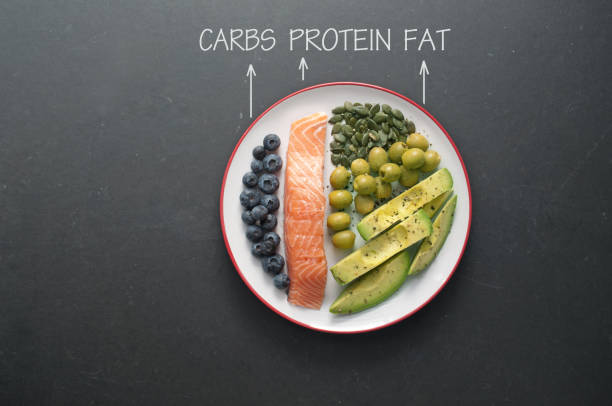
Your diet plays a significant role in achieving your fitness goals. Focus on whole, nutrient-dense foods, including lean proteins, healthy fats, and complex carbohydrates. Use the 80/20 rule: eat nutritious meals 80% of the time and enjoy your favorite treats 20% of the time.
Stay Hydrated
Drinking enough water is crucial for energy, metabolism, and recovery. Aim for at least 8-10 glasses of water daily, and adjust based on your activity level.
Prioritize Sleep and Recovery
Rest is just as important as exercise. Aim for 7-9 hours of quality sleep each night to allow your body to recover and recharge. Consider incorporating active recovery days with activities like stretching or light yoga.
Track Your Progress
Use a fitness app, journal, or photos to monitor your progress. Tracking helps you stay motivated and provides a clear picture of what’s working and what might need adjustment.
Be Patient and Consistent
Achieving fitness goals, especially weight loss, is not an overnight process—it takes time, dedication, and a commitment to consistency. Experts agree that focusing on small, sustainable changes rather than seeking perfection will set you up for long-term success.
According to Dr. Jason, a fitness and wellness expert, “Progress in fitness is often gradual. It’s essential to stay patient and remember that every step forward, no matter how small, is progress.” Studies show that adopting consistent habits over time leads to more lasting results than extreme, short-term efforts. For instance, a study published in Obesity Reviews found that people who engage in moderate physical activity, like walking or light aerobic exercises, consistently over the course of several months are more likely to experience lasting weight loss compared to those who attempt quick fixes.
In addition, the National Institutes of Health (NIH) reports that the average rate of weight loss for most people is about 1-2 pounds per week, which is a healthy and sustainable pace. So if you’re aiming to shed pounds, it’s important to keep in mind that slow and steady wins the race. It may not seem like much in the short term, but these small wins will add up.
It’s also crucial to not get discouraged by setbacks. “Everyone encounters obstacles or faces moments of self-doubt,” says Dr. Soliman, a behavioral health expert. “The key is not to let those moments derail your overall progress. Instead, use them as learning opportunities.”
Celebrate those small victories along the way—whether it’s completing a workout, hitting a step count, or making healthier food choices. Each achievement is a building block that helps you get closer to your ultimate fitness goal.
The Bottom Line
Setting realistic fitness goals for 2025 is about making small, sustainable changes that add up over time. By using the SMART framework, you can define clear, measurable, and achievable goals that align with your lifestyle and long-term aspirations. Whether it’s committing to regular walking, incorporating strength training, or prioritizing consistency over perfection, the key is to stay patient and celebrate progress along the way. Remember, fitness is a journey, not a destination—focus on building healthy habits that support your well-being and keep you motivated. With dedication and a balanced approach, you’ll set yourself up for success in the new year and beyond.
Leave a Reply