
Wellness isn’t just about being free from illness; it’s about feeling vibrant and balanced in every part of life. It’s the little choices we make every day—nourishing food, good sleep, movement, and mindful moments—that help us show up as our best selves. Wellness is a journey, not a destination, and every step, no matter how small, brings us closer to feeling our healthiest, happiest, and most energized.
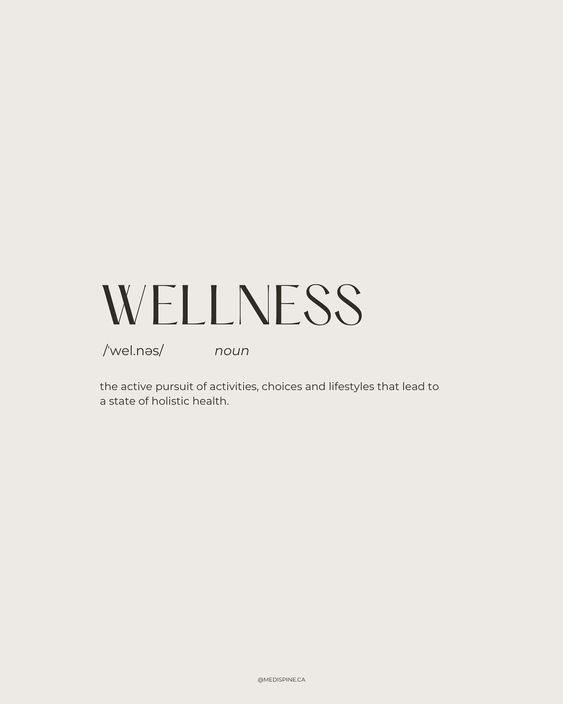
Below, you’ll find 8 simple wellness habits you can easily incorporate into your daily routine to feel more energized, balanced, and at your best!
1. Stress Management
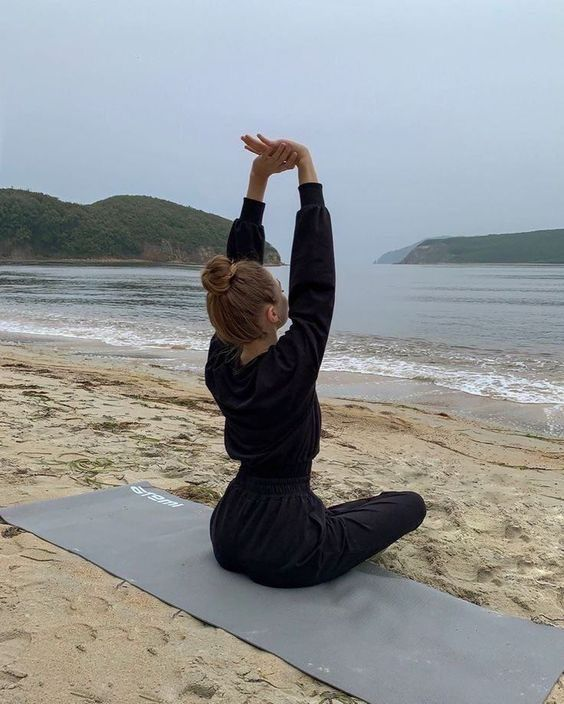
Deep Breathing: Deep breathing is one of the quickest ways to calm your mind and body. Taking slow, deliberate breaths signals your nervous system to relax, easing tension and improving focus. Even just a few deep breaths during a busy day can make a world of difference.
Yoga and Meditation: Yoga and meditation are powerful for reducing stress and improving mental clarity. A short practice of mindful movement or quiet meditation each day can release tension, boost focus, and bring a deep sense of peace. Together, they offer a simple way to reconnect with yourself amid life’s busyness.
Spend Time on a Hobby: Doing something you love—like painting, gardening, cooking, or playing music—is an incredible way to unwind. Engaging in a hobby provides a mental escape from stressors, helps you relax, and brings a sense of joy and accomplishment.
Set Boundaries: Boundaries are key to managing stress and protecting your well-being. Try setting clear times to unplug from work, social media, or other stress-inducing activities. Taking breaks throughout the day and carving out time for yourself helps you recharge and approach tasks with a fresh perspective.
Practice Mindfulness: Mindfulness is all about being present in the moment. Taking a few minutes to notice your surroundings, tune into your breath, or appreciate a small moment of beauty can help ground you. Practicing mindfulness regularly can reduce stress, improve focus, and help you enjoy life’s little moments more fully.
2. Balanced Nutrition and Hydration

One of the most effective ways to support your wellness journey is through balanced nutrition and proper hydration. Think of it as fueling your body with everything it needs to thrive—energy, nutrients, and a sense of well-being. Here are some simple ways to make balanced eating and staying hydrated part of your everyday routine.
Plan and Prep Ahead: Busy days make it easy to reach for quick but less nutritious options. Set aside a little time each week to plan and prepare meals. Chop some veggies, portion out snacks, or make a big batch of grains or proteins. When your fridge is filled with healthy options, you’re far more likely to make nutritious choices without even thinking about it.
Fill Your Space with Healthy Choices: The food around you impacts what you eat, so try filling your pantry with nutritious options. By keeping wholesome foods like fresh fruits, nuts, and whole grains on hand, you’re less tempted to grab processed snacks. It’s a simple step that helps make healthy eating an effortless choice.
Start Your Day on a Refreshing Note: One easy habit to kickstart your day is to drink a glass of water, perhaps with a squeeze of lemon, or a small wellness shot if you like. This can help rehydrate your body after a night’s rest and gets your metabolism moving. Plus, it’s a refreshing way to start the day feeling energized.
Slown Down and Savor Your Food: How often do you eat on autopilot, barely tasting your food? Practicing mindful eating can be a game-changer. Take a moment to appreciate each bite—notice the flavors, textures, and how the food makes you feel. This simple habit can help you feel more satisfied, enjoy your meals, and avoid overeating.
3. Move Your Body

Staying active doesn’t mean you need to dive into intense workouts or sign up for a gym membership. Movement can be as simple as taking a 10-minute walk each day. Starting slow is perfectly okay—even a short daily walk can be a powerful habit to build.
Gradually, you can increase your time and aim for 10,000 steps a day, which many experts recommend for a healthy body. That might sound like a lot, but when you add movement in small doses—taking the stairs, walking around your home or office, doing a quick stretch between tasks—it quickly adds up.
Remember, you don’t need fancy equipment or a gym to keep active. You just need a commitment to moving a little more every day. Over time, these small steps can make a big difference for your physical health, energy levels, and even your mood.
4. Social Connections and Support

Maintaining meaningful social connections is essential for our well-being. As humans, we’re wired for connection, and having a support system can provide comfort, encouragement, and a sense of belonging. Here are some simple ways to nurture and strengthen those connections.
Reach Out Regularly: It doesn’t take much to stay connected with the people who matter. A quick text, a phone call, or a video chat can go a long way in showing you care. Set aside a few minutes each week to reach out to friends or family members, even if it’s just to check in or say hello. These small gestures keep relationships strong over time.
Plan Face-to-Face Time: Nothing replaces the power of in-person connection. Try to schedule regular meet-ups, whether it’s a coffee date, a weekend brunch, or a walk in the park. Spending time together in person deepens your bond and creates lasting memories that text messages can’t replicate.
Join a Group or Community: Whether it’s a hobby group, fitness class, or a local club, joining a community with shared interests can be incredibly fulfilling. It’s an easy way to meet new people, find a sense of belonging, and expand your support network. You may even discover new passions along the way!
Show Up for Others: Supporting others is just as important as receiving support. Offer a helping hand, listen when someone needs to talk, or celebrate their wins. Being there for friends and family not only strengthens your relationships but also brings a deep sense of purpose and fulfillment.
Create Your Own Rituals: Think of small traditions you can create with friends or family, like a monthly game night or a weekly call. Having regular rituals makes it easy to stay connected and gives everyone something to look forward to. These rituals don’t have to be elaborate—they’re simply ways to consistently show up for each other.
5. Prioritize Quality Sleep

A good night’s sleep is one of the most powerful tools for health and wellness. Quality sleep allows your body to recover, improves your mood, boosts focus, and keeps your immune system strong. Prioritizing rest doesn’t have to be complicated—small changes can make a big difference. Here are some tips to help you get the restful sleep you deserve.
Set a Consistent Sleep Schedule: Your body loves routine! Go to bed and wake up at the same time each day to regulate your body’s internal clock.
Create a Calming Bedtime Routine: Wind down with a relaxing ritual before bed to signal to your body that it’s time to rest. Wind down with relaxing activities like reading or a few minutes of deep breathing to prepare your body for sleep. Avoid screens if possible, as the blue light can interfere with your body’s production of melatonin, a hormone that promotes sleep.
Limit Stimulants in the Evening: Avoid caffeine and heavy meals close to bedtime to prevent sleep disruptions.
Keep Your Bedroom Cool and Cozy: Your sleep environment can make a big difference in how well you rest. Create a restful sleep environment with a cool, dark, and quiet bedroom.
Get Natural Light During the Day: Expose yourself to natural light during the day (like a few minutes outside each morning or working near a window) to support your body’s natural sleep-wake cycle.
Avoid Late-Night Stressors: Before bed, try to let go of any worries or stresses from the day. Jotting down any thoughts or tasks for tomorrow can help clear your mind. You might also try a short meditation or gratitude practice to shift your focus to positive thoughts before you sleep.
6. Gratitude Practice

Practicing gratitude is more than just a feel-good exercise; research has shown that it can significantly improve mental and physical well-being. When we focus on what we’re grateful for, we’re actively shifting our attention from stress or negativity to appreciation. This simple habit can enhance happiness, reduce stress, and even improve sleep.
Here are a few ways to bring more gratitude into your day:
Start a Gratitude Journal: Each day, write down three things you’re grateful for. They can be big or small—anything that brings a smile to your face. Over time, this habit can help train your mind to notice the positives.
Share Your Gratitude with Others: Let someone know when you appreciate them. A quick message, a thank-you note, or a heartfelt conversation can strengthen your relationships and boost their day, too.
Reflect on the Little Things: Pause during your day to notice small moments of beauty or joy—a warm cup of coffee, a sunny morning, or a friendly smile. Being mindful of these little things helps you see the good in everyday life.
End the Day with Gratitude: Before you go to sleep, reflect on something positive from your day. This calming practice can help you fall asleep with a peaceful mind, ready to embrace a new day with appreciation.
7. Connect with Nature

Spending time in nature is a powerful way to recharge and find balance. Just a few minutes outdoors each day can help us feel more grounded and connected to the world around us. Activities like walking barefoot on grass, sand, or soil—known as grounding—allow us to absorb the earth’s energy, which may help reduce stress and improve mood.
Whether it’s a quick walk in the park, watching the sunrise, or tending to plants, being in nature offers a break from daily routines and a chance to reconnect with ourselves. Embracing these small moments outdoors can bring a calming, restorative energy that supports both mental and physical well-being.
8. Personal Growth and Reflection

Take Breaks from Screens: Give your eyes and mind a rest by stepping away from screens regularly. This helps you stay present and keeps your mental energy fresh.
Learn Something New: Nourish your mind by reading, listening to a podcast, or picking up a new skill. It’s a small habit that keeps life interesting and meaningful.
End the Day with Reflection: Reflect on your day each evening. Think about what went well, what you’re proud of, and ways to improve tomorrow. This simple practice fosters growth and sets a positive tone for the next day.
Leave a Reply