You can still indulge in your favorite foods while making healthier choices for your body.
When it comes to healthy eating, reducing sugar is often one of the first steps people take, but many worry that cutting sugar means sacrificing the foods they enjoy. The good news is, reducing sugar doesn’t require you to eliminate your favorite treats entirely. By making a few mindful adjustments and incorporating expert-recommended strategies, you can decrease your sugar intake without feeling deprived. It’s all about making smarter choices and finding balance. With the right approach, you can enjoy satisfying meals, snacks, and desserts while still keeping your sugar consumption in check.
The key to successfully reducing sugar is not about being restrictive or feeling like you’re missing out, but rather making adjustments that align with your health goals. By choosing whole foods, pairing certain ingredients, and being mindful of hidden sugars, you can easily make healthier choices that still leave room for indulgence.
So, if you’re ready to take control of your sugar intake without giving up the foods you love, let’s dive into 8 ways to reduce sugar in your diet that are both practical and expert-approved.
Swap Sugary Beverages for Healthier Alternatives
Beverages like sodas, sweetened teas, and even flavored coffee drinks are often packed with hidden sugars. Experts recommend swapping these for healthier options like unsweetened iced tea, sparkling water, or infusing your water with fruits and herbs. “The biggest culprits of added sugars are sugary drinks,” says nutritionist Dr. Lisa Young. “By simply switching to unsweetened drinks, you can make a significant impact on your sugar intake.” This simple swap not only reduces sugar but helps with hydration, too.
Read Labels for Hidden Sugars
Even foods that don’t taste sweet can contain hidden sugars, so always check labels for ingredients like high fructose corn syrup, cane sugar, or agave syrup. According to dietitian Erin Palinski-Wade, “You’d be surprised where sugar can hide—condiments, sauces, and packaged snacks. Start by being more aware of ingredient lists.” By choosing products with less added sugar or opting for those sweetened with natural alternatives like stevia or monk fruit, you can enjoy familiar flavors without all the sugar.
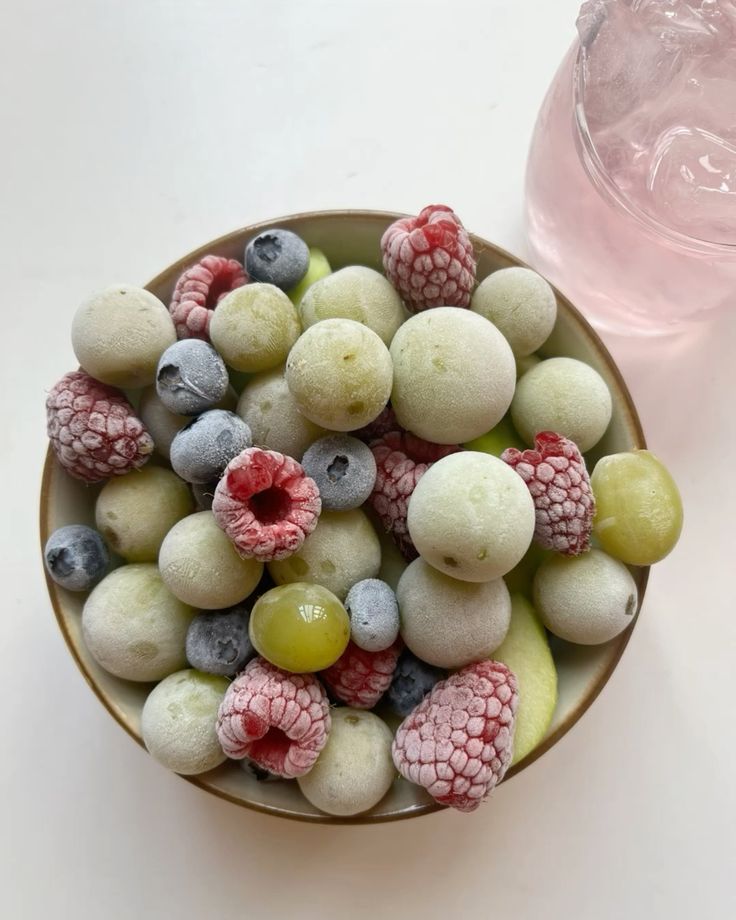
Try Fruit to Satisfy Your Sweet Tooth
Fruit can be a perfect alternative to satisfy your cravings for something sweet. Fruits like berries, apples, and citrus are lower in sugar than tropical fruits like mangoes or pineapples, making them a great option for those looking to cut back. Nutritionist Jillian Michaels advises, “Fruit provides natural sweetness along with fiber, vitamins, and antioxidants, which are all beneficial for your health.” You can enjoy them as a snack or even incorporate them into your meals to naturally satisfy your sweet cravings.
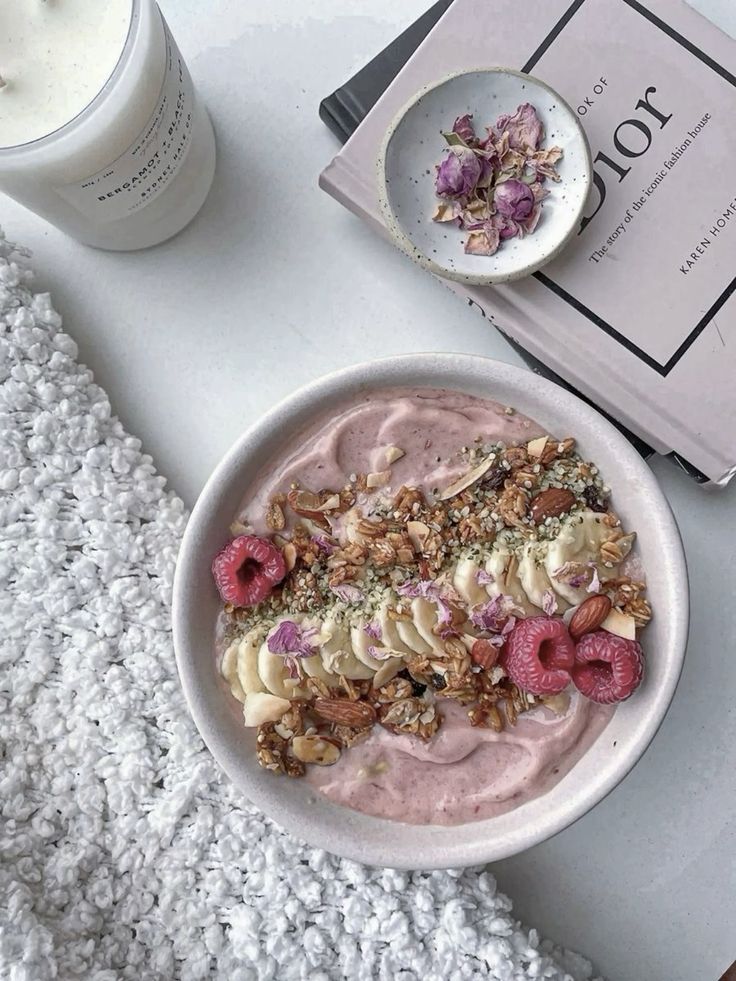
Choose Healthier Desserts
ou don’t need to completely give up desserts; just opt for healthier versions. For example, you could make healthier alternatives by using applesauce or mashed bananas instead of sugar in baking recipes. “Using fruit as a natural sweetener helps reduce the added sugar without compromising flavor,” says chef and nutritionist Amanda R. Cupp. You can also make “nice cream” by blending frozen bananas or try chia seed pudding for a sweet yet nutritious treat.
Cook More at Home
When you cook at home, you have complete control over the ingredients, allowing you to avoid unnecessary sugar and additives that are often found in restaurant meals or takeout. Experts like Dr. Young recommend making meals from scratch whenever possible. “Cooking at home allows you to control how much sugar goes into your food. You can still enjoy your favorite dishes while making small adjustments to reduce sugar.”
Eat Whole Grains Instead of Refined Carbs
Refined carbohydrates such as white bread and pasta can lead to sugar spikes and crashes. “Whole grains like quinoa, brown rice, and oats digest slower and don’t cause blood sugar spikes,” says registered dietitian Alyssa Wilson. By switching to whole grains, you stabilize your blood sugar levels and reduce cravings for sugary foods. Whole grains are also packed with fiber, which supports overall digestive health.
Portion Control: Enjoy Your Favorite Treats in Moderation
According to weight loss expert, Dr. Michael Smith, one of the most effective ways to reduce sugar intake is through mindful eating. “You don’t have to eliminate the foods you love, but portion control is key. Allow yourself to enjoy treats in smaller quantities. This way, you’re satisfying cravings while still sticking to a balanced diet.” By practicing moderation, you can indulge without feeling guilty or over-consuming sugar.
Gradually Reduce Sugar
Drastic cuts to sugar can be overwhelming and difficult to maintain long-term. Nutritionist Dr. Samantha Heller recommends reducing sugar gradually, making small substitutions over time. “By slowly reducing sugar and replacing it with healthier alternatives, your palate will adjust, and over time, you may find you no longer crave sugar as much.” This approach helps your body adapt without feeling deprived.
Pair Carbs with Other Macronutrients
To help reduce sugar cravings and avoid energy crashes, experts suggest pairing carbohydrates with protein and healthy fats. According to registered dietitian and nutritionist, Dr. Deborah Malkoff-Cohen, “When you pair carbs with protein or fat, it slows down the digestion process, preventing blood sugar spikes and crashes.” This is crucial because rapid spikes in blood sugar can trigger cravings for sugary foods. By combining whole grains, fruits, or starchy vegetables with a protein source like chicken, tofu, or beans, or adding healthy fats from nuts or avocados, you can keep your blood sugar levels stable, stay satisfied longer, and ultimately reduce your desire for sugary snacks.

Leave a Reply