Sundays are the perfect day to reset, recharge, and get ready for the week ahead. With a few simple yet effective habits, you can set yourself up for an organized and stress-free week. Let’s dive into the best Sunday activities that will leave you feeling prepared and energized to take on whatever the week has in store.
1. Meal Planning: Save Money, Eat Healthier, and Reduce Stress
Photo // gatheringdreams.com
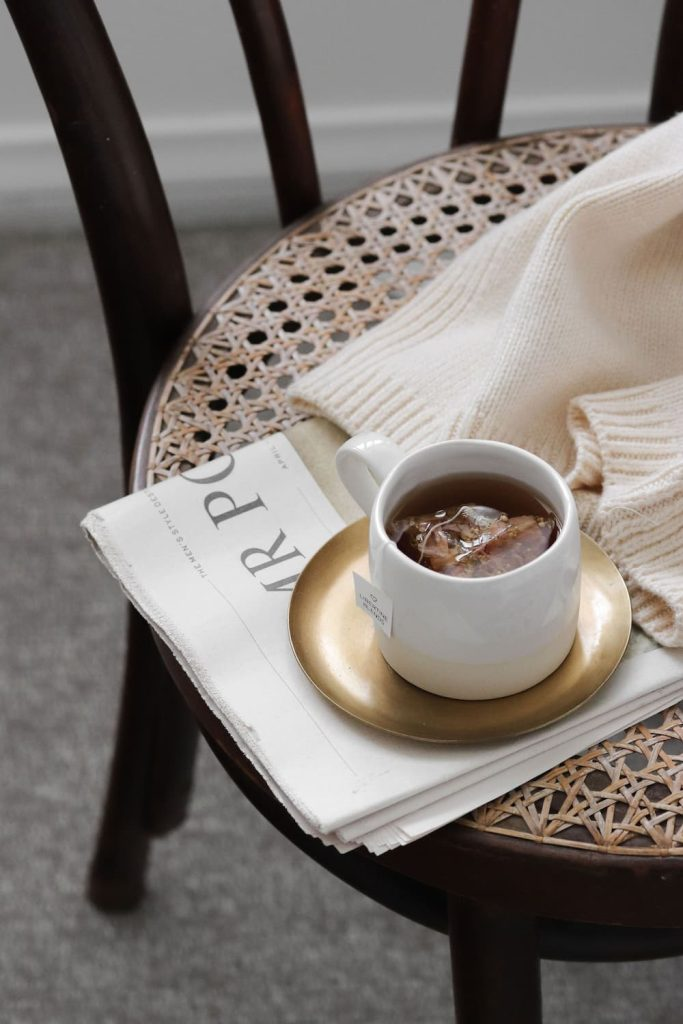
Let’s be honest—figuring out what to eat every night during the week can be stressful, especially when you’re juggling work and life. That’s why meal planning on Sundays is such a game-changer! By prepping your meals ahead of time, you’re less likely to eat out, which not only saves money but also helps you make healthier choices. Home-cooked meals typically have fewer additives and more nutrients, so your body will thank you.
Plus, think of how nice it will be to come home after a long day and know you already have a delicious, nourishing meal ready to go. It’s a small habit that can make your week feel so much smoother and stress-free.
2. Plan Your Week: Get Ahead and Stay Organized
Photo // intelligentchange.com
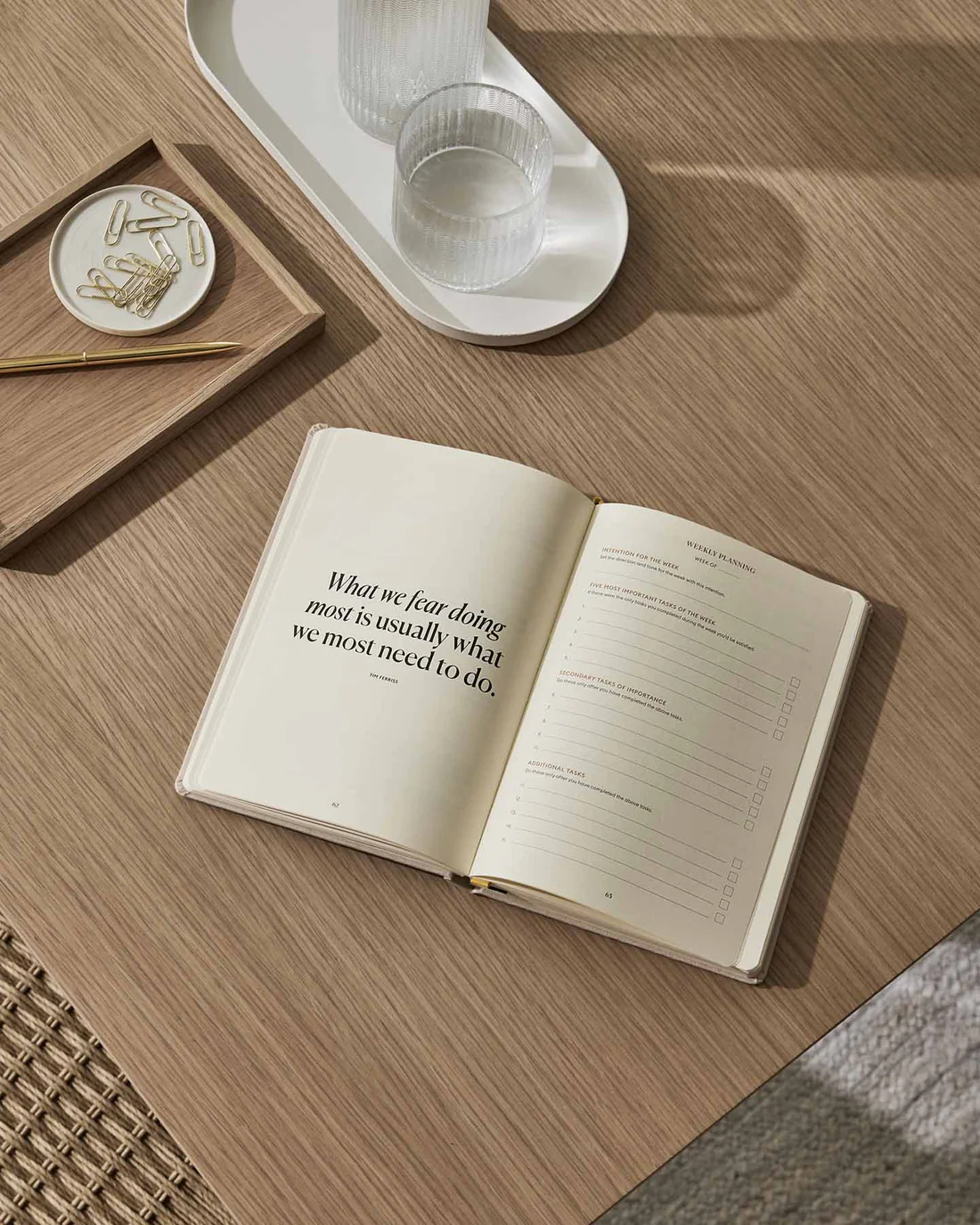
I can’t tell you how much I love using a planner to map out my week (I’ll even link my favorite one for you!). Research shows that taking the time to plan your week helps reduce stress, boost productivity, and improve time management. When you set clear intentions for each day, you’re less likely to feel overwhelmed by your tasks.
It’s like giving yourself a roadmap for the week, so you’re not caught off guard by last-minute surprises. Whether it’s work meetings, fitness classes, or even a night out with friends, having everything laid out helps you make the most of your time.
3. Prioritize Your To-Do List: Sleep Better, Worry Less
Pinterest // STIL
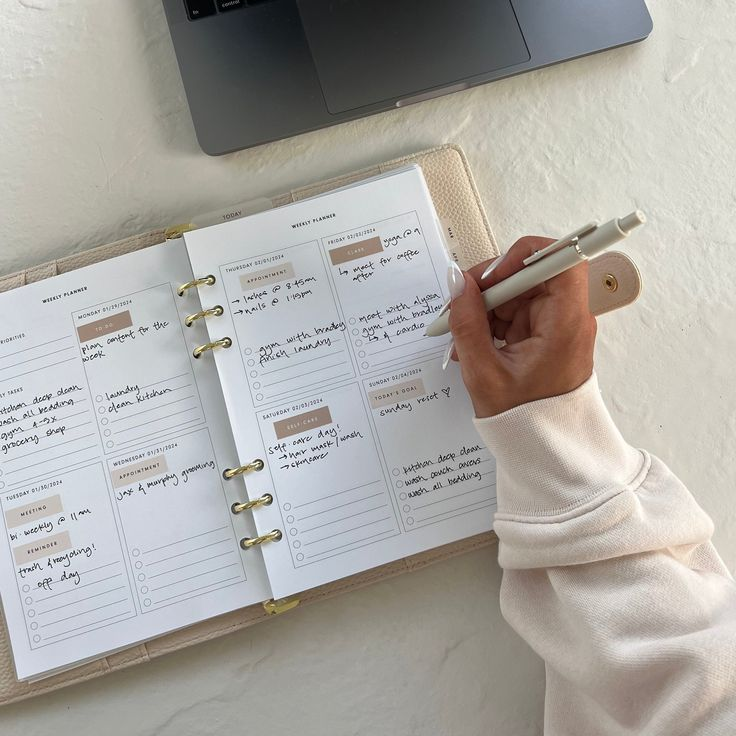
Writing out your to-do list might seem old-school, but it’s one of the most effective ways to stay productive. Start by prioritizing the most urgent tasks—the ones you absolutely can’t forget. Research suggests that getting tasks out of your head and onto paper can help reduce anxiety and even prevent insomnia. If you’re like me, you’ve probably found yourself lying in bed at night, running through everything you need to do the next day. Having a prioritized list can be a lifesaver because it gives you peace of mind knowing you won’t forget anything important.
Grab a productive planner and jot down your top tasks for the week. You’ll feel lighter and more in control.
4. Set Goals: Weekly, Monthly, and Beyond
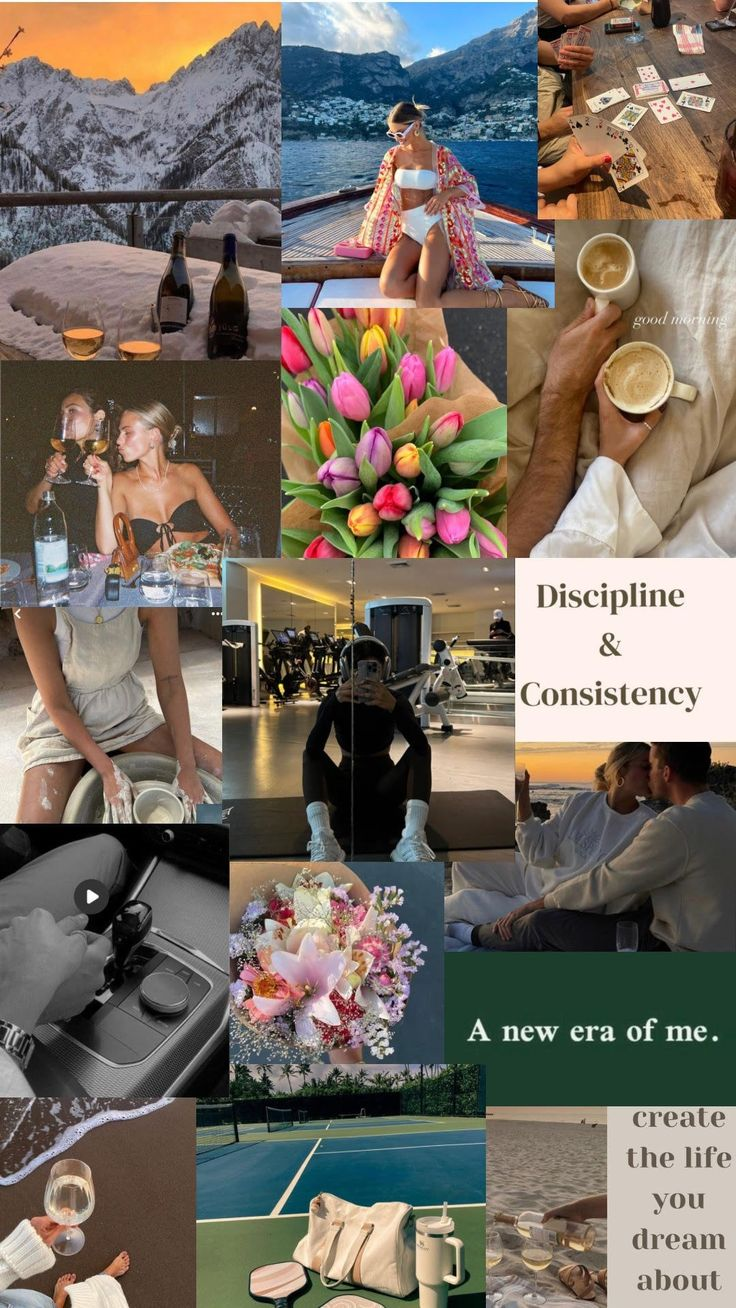
Setting goals is one of the most powerful habits you can develop for a productive and fulfilling life. Whether it’s a small goal for the week, like completing a project at work, or a bigger goal, like planning a vacation, having something to work towards gives you direction and motivation. Studies have shown that people who set goals are more likely to achieve them and experience greater life satisfaction.
I love setting a few weekly goals that align with my bigger monthly or even yearly objectives. It’s so satisfying to check them off and see the progress you’re making. Plus, it gives you something to look forward to, like finally booking that trip you’ve been dreaming about!
5. Clear Your Space: Start Your Week Fresh
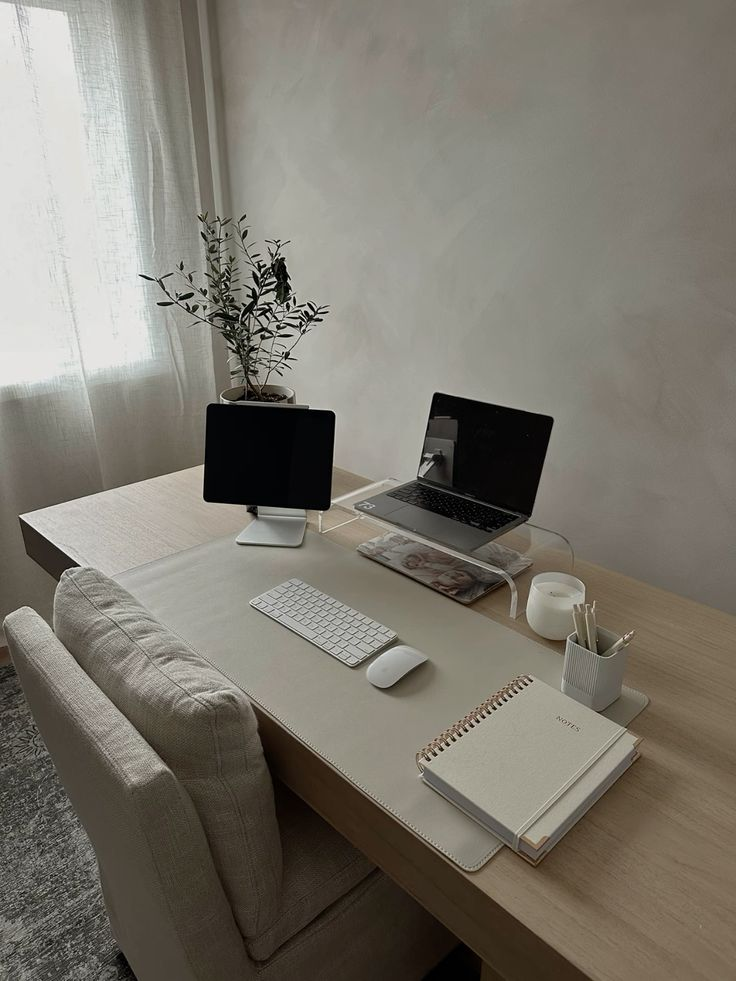
There’s no better feeling than waking up on Monday morning to a clean, clutter-free home. Take some time on Sunday to tidy up your living space, especially if you work from home. A clear desk leads to a clear mind, making it easier to focus and be productive throughout the week. Even a quick 20-minute declutter session can make a huge difference.
Trust me, it’s so worth it. You’ll feel refreshed and ready to tackle your tasks without the distraction of clutter. Plus, you get to enjoy that cozy, clean-home vibe!
6. Practice Self-Care: Make Time for What You Love
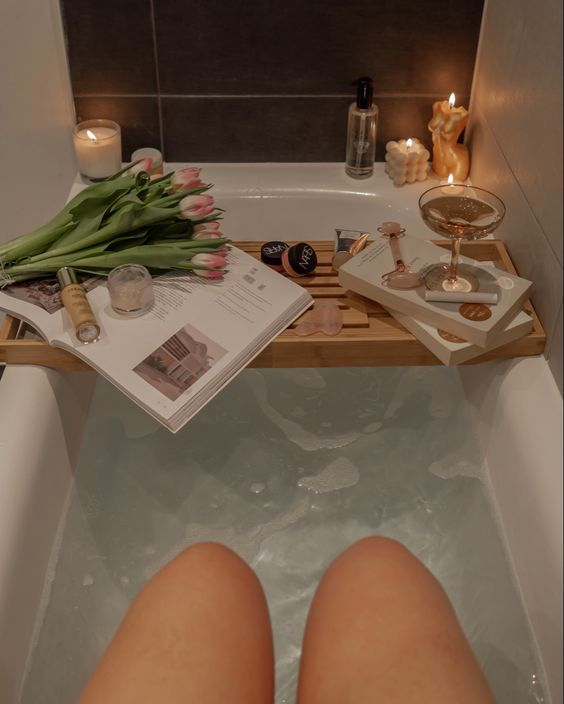
Sundays are all about self-care. It’s your time to unwind, pamper yourself, and recharge your batteries. Whether it’s taking a long bath, applying a face mask, going for a walk, or reading a book, do something that makes you feel good. Self-care is essential for your mental and physical health, and it helps you show up as your best self throughout the week.
Give yourself permission to take a break and do what makes you happy. You deserve it!
7. Reflect on Your Week: Celebrate Wins, Big or Small
Before the day ends, take a few minutes to reflect on the past week. What went well? What are you proud of? This small habit helps you celebrate your wins (no matter how small) and identify areas where you might want to improve. It’s a great way to wrap up your Sunday with gratitude and set positive intentions for the week ahead.
I hope these Sunday habits help you feel more prepared and excited for the week! Remember, a little planning and self-care can go a long way. Here’s to having an amazing, productive, and stress-free week ahead!
Wellness isn’t just about being free from illness; it’s about feeling vibrant and balanced in every part of life. It’s the little choices we make every day—nourishing food, good sleep, movement, and mindful moments—that help us show up as our best selves. Wellness is a journey, not a destination, and every step, no matter how small, brings us closer to feeling our healthiest, happiest, and most energized.
Below, you’ll find 8 simple wellness habits you can easily incorporate into your daily routine to feel more energized, balanced, and at your best!
1. Stress Management
Deep Breathing: Deep breathing is one of the quickest ways to calm your mind and body. Taking slow, deliberate breaths signals your nervous system to relax, easing tension and improving focus. Even just a few deep breaths during a busy day can make a world of difference.
Yoga and Meditation: Yoga and meditation are powerful for reducing stress and improving mental clarity. A short practice of mindful movement or quiet meditation each day can release tension, boost focus, and bring a deep sense of peace. Together, they offer a simple way to reconnect with yourself amid life’s busyness.
Spend Time on a Hobby: Doing something you love—like painting, gardening, cooking, or playing music—is an incredible way to unwind. Engaging in a hobby provides a mental escape from stressors, helps you relax, and brings a sense of joy and accomplishment.
Set Boundaries: Boundaries are key to managing stress and protecting your well-being. Try setting clear times to unplug from work, social media, or other stress-inducing activities. Taking breaks throughout the day and carving out time for yourself helps you recharge and approach tasks with a fresh perspective.
Practice Mindfulness: Mindfulness is all about being present in the moment. Taking a few minutes to notice your surroundings, tune into your breath, or appreciate a small moment of beauty can help ground you. Practicing mindfulness regularly can reduce stress, improve focus, and help you enjoy life’s little moments more fully.
2. Balanced Nutrition and Hydration
One of the most effective ways to support your wellness journey is through balanced nutrition and proper hydration. Think of it as fueling your body with everything it needs to thrive—energy, nutrients, and a sense of well-being. Here are some simple ways to make balanced eating and staying hydrated part of your everyday routine.
Plan and Prep Ahead: Busy days make it easy to reach for quick but less nutritious options. Set aside a little time each week to plan and prepare meals. Chop some veggies, portion out snacks, or make a big batch of grains or proteins. When your fridge is filled with healthy options, you’re far more likely to make nutritious choices without even thinking about it.
Fill Your Space with Healthy Choices: The food around you impacts what you eat, so try filling your pantry with nutritious options. By keeping wholesome foods like fresh fruits, nuts, and whole grains on hand, you’re less tempted to grab processed snacks. It’s a simple step that helps make healthy eating an effortless choice.
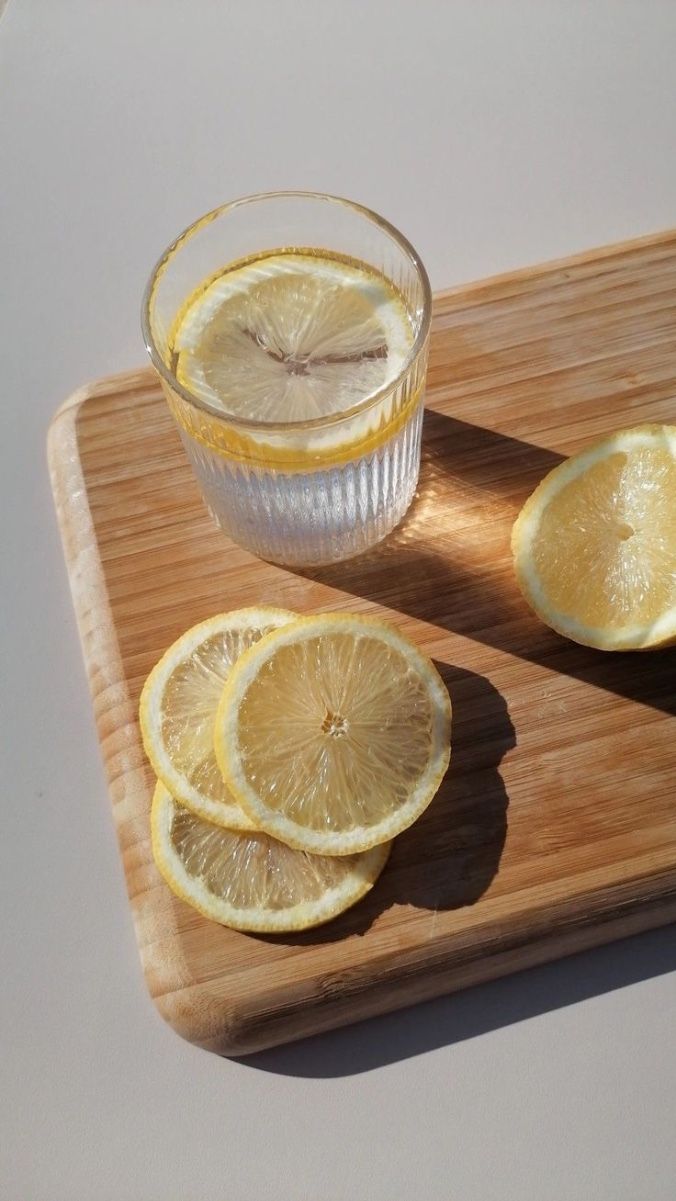
Start Your Day on a Refreshing Note: One easy habit to kickstart your day is to drink a glass of water, perhaps with a squeeze of lemon, or a small wellness shot if you like. This can help rehydrate your body after a night’s rest and gets your metabolism moving. Plus, it’s a refreshing way to start the day feeling energized.
Slown Down and Savor Your Food: How often do you eat on autopilot, barely tasting your food? Practicing mindful eating can be a game-changer. Take a moment to appreciate each bite—notice the flavors, textures, and how the food makes you feel. This simple habit can help you feel more satisfied, enjoy your meals, and avoid overeating.
3. Move Your Body
Staying active doesn’t mean you need to dive into intense workouts or sign up for a gym membership. Movement can be as simple as taking a 10-minute walk each day. Starting slow is perfectly okay—even a short daily walk can be a powerful habit to build.
Gradually, you can increase your time and aim for 10,000 steps a day, which many experts recommend for a healthy body. That might sound like a lot, but when you add movement in small doses—taking the stairs, walking around your home or office, doing a quick stretch between tasks—it quickly adds up.
Remember, you don’t need fancy equipment or a gym to keep active. You just need a commitment to moving a little more every day. Over time, these small steps can make a big difference for your physical health, energy levels, and even your mood.
4. Social Connections and Support
Maintaining meaningful social connections is essential for our well-being. As humans, we’re wired for connection, and having a support system can provide comfort, encouragement, and a sense of belonging. Here are some simple ways to nurture and strengthen those connections.
Reach Out Regularly: It doesn’t take much to stay connected with the people who matter. A quick text, a phone call, or a video chat can go a long way in showing you care. Set aside a few minutes each week to reach out to friends or family members, even if it’s just to check in or say hello. These small gestures keep relationships strong over time.
Plan Face-to-Face Time: Nothing replaces the power of in-person connection. Try to schedule regular meet-ups, whether it’s a coffee date, a weekend brunch, or a walk in the park. Spending time together in person deepens your bond and creates lasting memories that text messages can’t replicate.
Join a Group or Community: Whether it’s a hobby group, fitness class, or a local club, joining a community with shared interests can be incredibly fulfilling. It’s an easy way to meet new people, find a sense of belonging, and expand your support network. You may even discover new passions along the way!
Show Up for Others: Supporting others is just as important as receiving support. Offer a helping hand, listen when someone needs to talk, or celebrate their wins. Being there for friends and family not only strengthens your relationships but also brings a deep sense of purpose and fulfillment.
Create Your Own Rituals: Think of small traditions you can create with friends or family, like a monthly game night or a weekly call. Having regular rituals makes it easy to stay connected and gives everyone something to look forward to. These rituals don’t have to be elaborate—they’re simply ways to consistently show up for each other.
5. Prioritize Quality Sleep
A good night’s sleep is one of the most powerful tools for health and wellness. Quality sleep allows your body to recover, improves your mood, boosts focus, and keeps your immune system strong. Prioritizing rest doesn’t have to be complicated—small changes can make a big difference. Here are some tips to help you get the restful sleep you deserve.
Set a Consistent Sleep Schedule: Your body loves routine! Go to bed and wake up at the same time each day to regulate your body’s internal clock.
Create a Calming Bedtime Routine: Wind down with a relaxing ritual before bed to signal to your body that it’s time to rest. Wind down with relaxing activities like reading or a few minutes of deep breathing to prepare your body for sleep. Avoid screens if possible, as the blue light can interfere with your body’s production of melatonin, a hormone that promotes sleep.
Limit Stimulants in the Evening: Avoid caffeine and heavy meals close to bedtime to prevent sleep disruptions.
Keep Your Bedroom Cool and Cozy: Your sleep environment can make a big difference in how well you rest. Create a restful sleep environment with a cool, dark, and quiet bedroom.
Get Natural Light During the Day: Expose yourself to natural light during the day (like a few minutes outside each morning or working near a window) to support your body’s natural sleep-wake cycle.
Avoid Late-Night Stressors: Before bed, try to let go of any worries or stresses from the day. Jotting down any thoughts or tasks for tomorrow can help clear your mind. You might also try a short meditation or gratitude practice to shift your focus to positive thoughts before you sleep.
6. Gratitude Practice
Practicing gratitude is more than just a feel-good exercise; research has shown that it can significantly improve mental and physical well-being. When we focus on what we’re grateful for, we’re actively shifting our attention from stress or negativity to appreciation. This simple habit can enhance happiness, reduce stress, and even improve sleep.
Here are a few ways to bring more gratitude into your day:
Start a Gratitude Journal: Each day, write down three things you’re grateful for. They can be big or small—anything that brings a smile to your face. Over time, this habit can help train your mind to notice the positives.
Share Your Gratitude with Others: Let someone know when you appreciate them. A quick message, a thank-you note, or a heartfelt conversation can strengthen your relationships and boost their day, too.
Reflect on the Little Things: Pause during your day to notice small moments of beauty or joy—a warm cup of coffee, a sunny morning, or a friendly smile. Being mindful of these little things helps you see the good in everyday life.
End the Day with Gratitude: Before you go to sleep, reflect on something positive from your day. This calming practice can help you fall asleep with a peaceful mind, ready to embrace a new day with appreciation.
7. Connect with Nature
Spending time in nature is a powerful way to recharge and find balance. Just a few minutes outdoors each day can help us feel more grounded and connected to the world around us. Activities like walking barefoot on grass, sand, or soil—known as grounding—allow us to absorb the earth’s energy, which may help reduce stress and improve mood.
Whether it’s a quick walk in the park, watching the sunrise, or tending to plants, being in nature offers a break from daily routines and a chance to reconnect with ourselves. Embracing these small moments outdoors can bring a calming, restorative energy that supports both mental and physical well-being.
8. Personal Growth and Reflection
Take Breaks from Screens: Give your eyes and mind a rest by stepping away from screens regularly. This helps you stay present and keeps your mental energy fresh.
Learn Something New: Nourish your mind by reading, listening to a podcast, or picking up a new skill. It’s a small habit that keeps life interesting and meaningful.
End the Day with Reflection: Reflect on your day each evening. Think about what went well, what you’re proud of, and ways to improve tomorrow. This simple practice fosters growth and sets a positive tone for the next day.
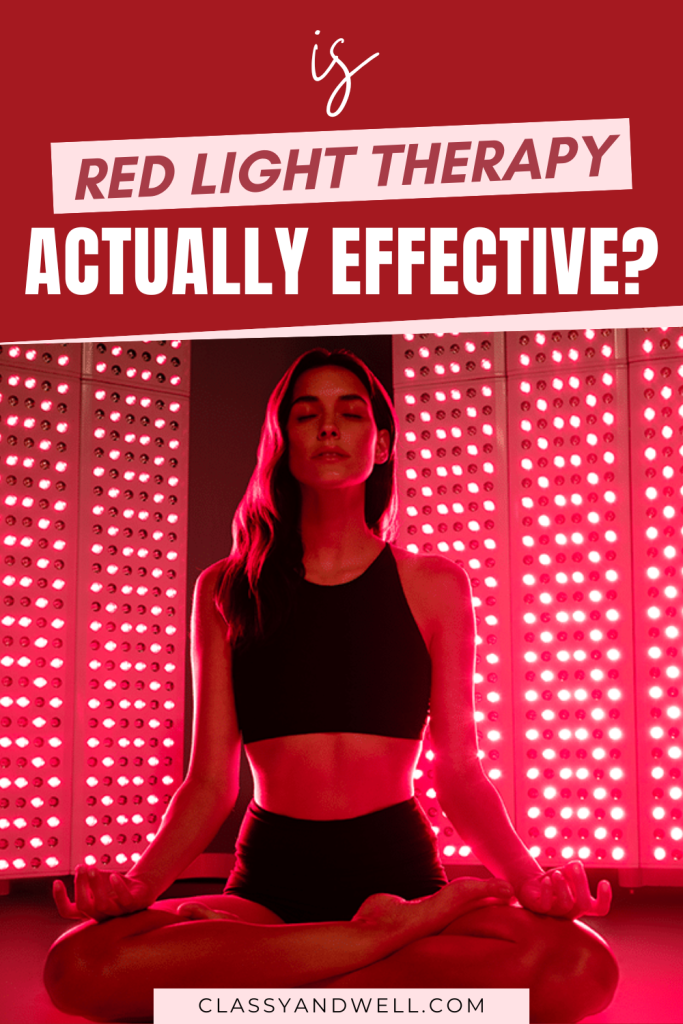
Red light therapy has been making waves in the skincare and wellness world, especially in recent years as more research highlights its potential benefits. While originally only available in clinics, where treatments are highly effective and well-regarded, at-home red light devices now offer a more budget-friendly and convenient way to incorporate LED into daily routines.
Consistent use at home can bring impressive, long-term skin benefits, making it an appealing option for those looking to elevate their skincare game. However, red light therapy works best as an enhancement to a solid skincare regimen rather than a replacement. Paired with a well-rounded routine, red light therapy can amplify results, giving skin a boost in radiance and resilience. Although the growing popularity is backed by promising studies, further research will continue to shed light on its full potential and applications.
Let’s dive into what red light therapy can—and can’t—do for your skincare and wellness goals.
Mike Garten
What is Red Light Therapy?
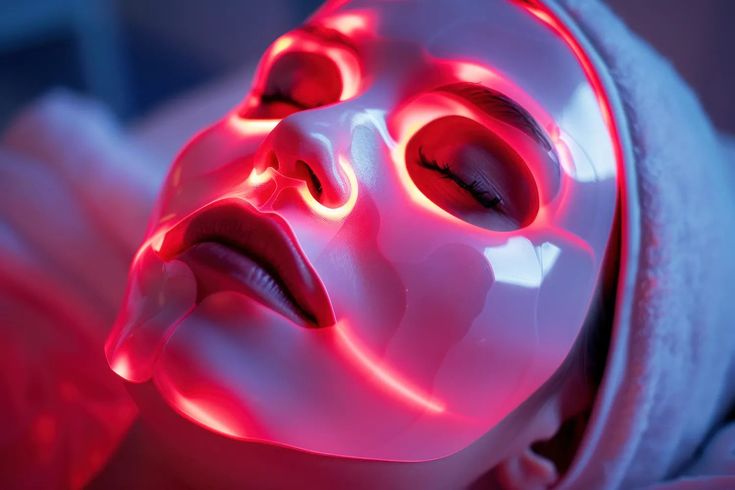
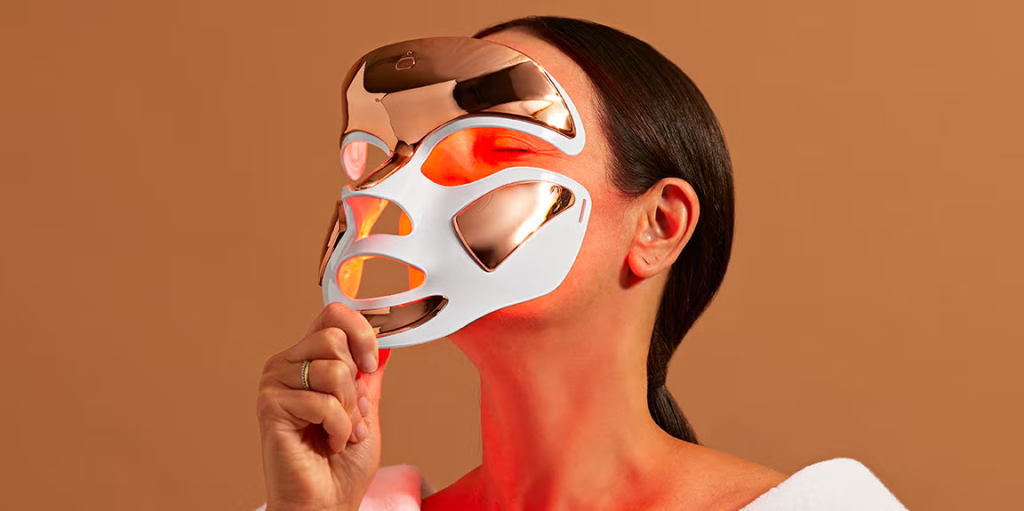
Red light therapy is a treatment that uses low-level red or near-infrared light, typically between 630-700 nm, to penetrate the skin safely and deeply. Unlike UV light, which can harm the skin, red light works through a process called photo-biomodulation, energizing the cells without causing any damage. Often available in medi-spas and at-home devices, it’s a non-invasive approach commonly paired with other skin treatments like microneedling or chemical peels for enhanced results.
What Are the Benefits of Red Light Therapy?
Reduces Skin Inflammation: Consistent red light exposure helps decrease inflammation in the skin, calming redness and irritation, and creating a more even complexion.
Boosts Collagen Production: Red light stimulates collagen synthesis in the deeper layers of the skin, which can help improve firmness, reduce wrinkles, and support smoother skin texture over time.
Improves Skin Texture and Reduces Wrinkles: By enhancing collagen density and reducing fine lines, red light therapy works to rejuvenate the skin, promoting a youthful and radiant appearance.
Treats Hair Loss and Supports Hair Growth: For those with conditions like androgenic alopecia, red light therapy has shown promise in encouraging hair regrowth and increasing hair density.
Aids in Scar and Acne Reduction: Red light’s regenerative effects extend to scarring and acne, where it helps repair damaged skin cells and may even reduce acne scars when paired with a solid skincare routine.
Supports Healing and Reduces Pain: Near-infrared light penetrates deeply to relieve pain and soreness by reducing inflammation in targeted body areas. It can even aid in tissue repair and healing in deeper layers of the skin and muscles.
May Aid in Managing Certain Skin Conditions: Red light therapy is used to support treatments for conditions like rosacea, psoriasis, and eczema by reducing inflammation and promoting healthier skin.
Improves Circulation: By increasing blood flow to treated areas, red light therapy helps nourish skin cells and remove toxins, supporting overall skin health and vitality.
Can Enhance Recovery from Injury or Strain: Phototherapy has also been used to reduce pain and inflammation in tendons, muscles, and joints, providing relief in conditions like carpal tunnel syndrome and other inflammatory injuries.
Red light therapy is a versatile option with benefits across skincare, pain management, and even hair health, making it a well-rounded addition to wellness routines.
Westend61 / Getty Images
Where to get Red Light Therapy?
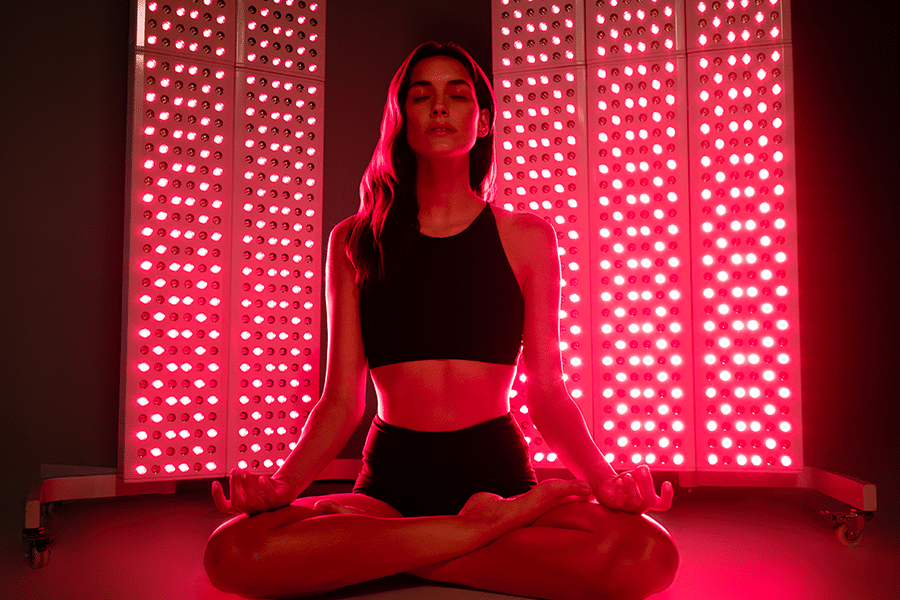
Red light therapy is available in various places, including some tanning salons, gyms, and local day spas, where treatments can help reduce signs of aging and improve skin tone. You can also find FDA-approved red light therapy devices online for at-home use, offering convenience if you want to incorporate regular sessions without frequent trips to a clinic.
While clinic-based treatments tend to be the most effective, as the equipment is often more powerful and efficient, they are also generally the most expensive option. It’s wise to speak with a healthcare professional before beginning red light therapy, especially since results may take multiple sessions. A doctor can also help you create a treatment plan tailored to your needs, optimizing the benefits you get from each session.
How Often Should Red Light Therapy be Used?
Getty Images
The frequency of red light therapy sessions largely depends on the type of device you’re using and the specific area you’re treating. Professional devices are generally more powerful, often requiring fewer sessions to produce noticeable results. For at-home devices, dermatologists typically recommend choosing FDA-cleared options for optimal safety and effectiveness. Regular, consistent use—daily or around 3-4 times per week—is generally ideal over at least six weeks to start seeing changes, while up to three months of regular sessions may be needed for more significant skin-firming effects.
Generally, most people find 2-3 sessions per week beneficial, though the exact frequency can vary based on the condition being treated. It’s always a good idea to consult with a healthcare professional before starting red light therapy to ensure the best approach for your needs.
How Long Does it Take to See Results from Red Light Therapy?
Red light therapy offers varying timelines for results depending on the benefits you’re looking to achieve. For example, while it may take a few months for significant improvements in collagen production and reduced signs of aging, it can calm inflammation even after a brief 10-minute session, which is the typical dermatologist-recommended duration. Many people also report a sense of relaxation or well-being immediately after their first session due to increased blood flow and endorphin release, although visible changes aren’t always apparent right away.
In the short term, you might start to see benefits like a more even skin tone or reduced inflammation within one to two weeks with consistent use. This is often when users begin to notice a slight improvement in skin texture and firmness as collagen production ramps up. However, for deeper effects—whether it’s relieving chronic pain or addressing persistent skin issues—consistent therapy over four to twelve weeks is generally needed. This timeline allows your body to fully harness the cellular stimulation that promotes healing and regeneration.
Remember, consistency is key with red light therapy, and multiple weekly sessions initially can optimize results based on your goals. Individual responses vary, so factors such as treatment goals, frequency, and even overall health and lifestyle habits (like diet and hydration) can influence the speed of results.
How to Find the Best Red Light Therapy?
If you’re thinking about trying red light therapy, choosing the right device can make a huge difference. It’s essential to look at features like wavelength, power output, and the device’s coverage area. For optimal skin rejuvenation, devices with wavelengths between 630 and 850 nanometers are generally ideal since these provide the best skin penetration. And, of course, checking that the device has FDA clearance can add peace of mind, ensuring it meets safety and effectiveness standards.
You’ll find three main types of red light therapy devices: red light, near-infrared light, and a combination of both. While red light focuses more on the surface, making it great for issues like acne and minor wounds, near-infrared light reaches deeper into the skin and is excellent for treating muscles, joints, and even bones. You won’t actually see infrared light, but your skin will feel the heat, showing it’s working deeper. Each type of light has unique benefits, so think about whether you’re primarily targeting skin issues or deeper tissue needs.
If you’re looking for a device that can cover all bases, a combination unit could be your best option. This allows you to treat both surface and deeper layers, so you can enjoy a broader range of benefits without needing multiple devices. Overall, finding the best red light therapy device for you involves understanding what your skin and body need most and ensuring the device is safe, effective, and well-suited to those goals.
Are There Any Risks With Red Light Therapy?
Red light therapy does come with some potential risks and downsides. Using the device for more than 30 minutes or with damaged parts can lead to burns or blisters, so it’s crucial to stick to recommended session times and check that the device is in proper condition before each use.
Another consideration is eye safety. Keeping your eyes closed during sessions is crucial, as direct exposure to red light could potentially harm them. Additionally, your device should never produce heat. If you notice it becoming warm, it could stimulate melanin production, especially in individuals prone to hyperpigmentation, leading to uneven skin tone or dark spots.
For those with conditions or medications that increase sensitivity to light, consulting with a healthcare provider is recommended before starting red light therapy. Not all devices are created equal, and doing your research is key; be sure to choose a reputable device with the correct wavelengths to achieve the desired results safely. Overall, while generally safe and low-risk, using red light therapy with these precautions can help you enjoy its benefits more effectively and safely.
Who Should Not Use Red Light Therapy?
While red light therapy is generally safe and suitable for most people, certain individuals should exercise caution or avoid it altogether. Those with photosensitivity disorders, such as lupus, or individuals taking medications that increase sensitivity to light, like some antibiotics or acne treatments, may experience adverse reactions and should consult a healthcare provider before use.
Pregnant individuals or those with active skin cancers should also avoid red light therapy, as its effects on these conditions are not fully understood. Additionally, if you have a history of seizures triggered by light or a severe medical condition, it’s best to get medical clearance before trying red light therapy. Consulting a healthcare provider is always recommended to ensure the treatment is safe and appropriate for your specific health needs.
Takeaway
Red light therapy has attracted considerable media attention for its potential to address a variety of health and skin concerns, such as wrinkles, acne, hair loss, and rheumatoid arthritis, though more research is ongoing. While at-home devices like masks and wands offer convenience, treatments in a clinical setting tend to be more powerful and may provide more noticeable results. Before beginning red light therapy, especially for specific symptoms, it’s wise to consult a doctor who can help determine the best approach. Although it can be an investment, red light therapy is generally safe and may be an effective noninvasive treatment option.
Disclaimer: All content found on the classyandwell.com were created for informational purposes only. The information provided in this blog are based on my personal experiences and research. The content is not intended to be a substitute for professional medical advice, diagnosis, or treatment.