If you’ve been scrolling through social media lately, you’ve probably noticed a buzz around Pilates. It’s like everyone and their grandmother is raving about it—and for good reason! Pilates has taken the fitness world by storm, and it’s not just a passing trend. This low-impact workout is fantastic for strengthening your core, improving flexibility, and boosting overall body awareness. Plus, it’s a great way to de-stress and focus on your well-being.
One of the best things about Pilates is that you don’t need fancy equipment or a pricey gym membership to get started. Most of the time, all you need is a mat and a little bit of space. This makes it perfect for those of us who are working out at home (or avoiding the gym for, let’s be honest, way too many reasons). And thanks to the magic of YouTube, you can find tons of beginner-friendly Pilates workouts that cater to all fitness levels and schedules. Whether you have 5 minutes or 30, there’s a workout waiting for you.
In this post, I’m sharing some of my favorite beginner-friendly Pilates videos on YouTube. These workouts are led by some fantastic instructors who explain the key principles of Pilates in a clear, gentle, and often fun way. So, grab your mat, put on your favorite workout gear, and let’s dive into the world of Pilates. Trust me, your body will thank you, and you might even find yourself looking forward to these workouts as a highlight of your day!
1. Youtube pilates workout: 30-minute full body pilates workout with nicole
This 30-minute full-body Pilates workout by Move With Nicole is perfect for beginners starting their Pilates journey. You can easily follow along at home with no equipment needed. Strengthen your core, improve flexibility, and feel great with Nicole’s clear instructions and encouraging style.
2. Youtube pilates workout for beginners: 10-MINUTE WORKOUT WITH JESSICA VALANT
If the thought of a 30-minute Pilates session feels daunting, I suggest starting with Jessica Valant’s 10-minute workout. She is a physical therapist and Pilates instructor certified by Polestar Pilates. It’s the first of a series of 10-minute workouts aimed at easing you into Pilates gradually. Doing these daily will help you feel stronger and more energetic over time. Jessica breaks down Pilates basics in a simple way and explains the benefits of Pilates.
3. Youtube pilates workout for beginners: 15-minute abs and hip workout by flow with mira
In this beginner-friendly Pilates video, Flow with Mira will guide you through a series of 10 exercises to strengthen your abdominal muscles and hips. It’s perfect for anyone looking for a slower, gentler Pilates workout. These low-impact exercises are not only great for building strength but can also help relieve back pain.
4. YOUTUBE PILATES WORKOUT FOR BEGINNERS: 30-MINUTE CORE-FOCUSED PILATES WORKOUT WITH KHETANYA HENDERSON
In this video, fitness trainer Khetanya Henderson teams up with Leilani Terris and Paulyn Baens for a fun workout. You’ll need a household towel and a yoga mat for added support as you go through plank and crunch variations targeting your abs and legs. Henderson’s unique take on Pilates pulses and holds will leave you feeling centered and balanced.
5. YOUTUBE PILATES WORKOUT FOR BEGINNERS: for weight loss & stregth 28 day challenge day 1 (17 min)
This workout video by Rachel’s Fit Pilates is designed for weight loss and strength training. Rachel guides you through a 28-day challenge, perfect for those looking to step up their fitness game. Each session is approximately 20 minutes long, making it easy to fit into your daily routine. Get ready to feel stronger and more confident with this engaging and effective workout series.
6. youtube pilates workout for beginners: 20-minute pilates with isa welly
This practice is led by certified Pilates instructor Isa-Welly Locoh-Donou. She explains some of the key principles of Pilates and gently guides you through each exercise. It’s a perfect introduction for beginners, offering clear and effective instruction to help you get the most out of your workout.
7. YOUTUBE PILATES FOR BEGINNERS: 5-MINUTE PILATES CORE WITH KHETANYA HENDERSON
I call this one the ‘no excuse’ Pilates workout because it’s only 5 minutes long. It’s an intense, quick, and effective session that includes crunches, roll-ups, and the Pilates series of 5. For all the busy people who need a fast workout to feel refreshed and ready to kickstart the day, this one’s for you!
Want to feel better than ever? Check out this 7-day eating plan to support a healthy gut!
Why Eating Healthy is Crucial for Gut Health
Eating healthy isn’t just about maintaining a slim waistline or having glowing skin; it’s also vital for keeping our gut in good shape. Our gut is home to trillions of bacteria and other microorganisms that play a huge role in digesting food, absorbing nutrients, and even supporting our immune system. When we eat a balanced diet rich in fiber, fruits, vegetables, and fermented foods, we help these good bacteria thrive. On the flip side, too much processed food, sugar, and unhealthy fats can harm these beneficial microbes, leading to problems like bloating, indigestion, and even more serious health issues. So, by choosing healthier foods, we’re not just feeding ourselves – we’re also nurturing a happy, healthy gut.
Which Diet is Good for Gut Health?
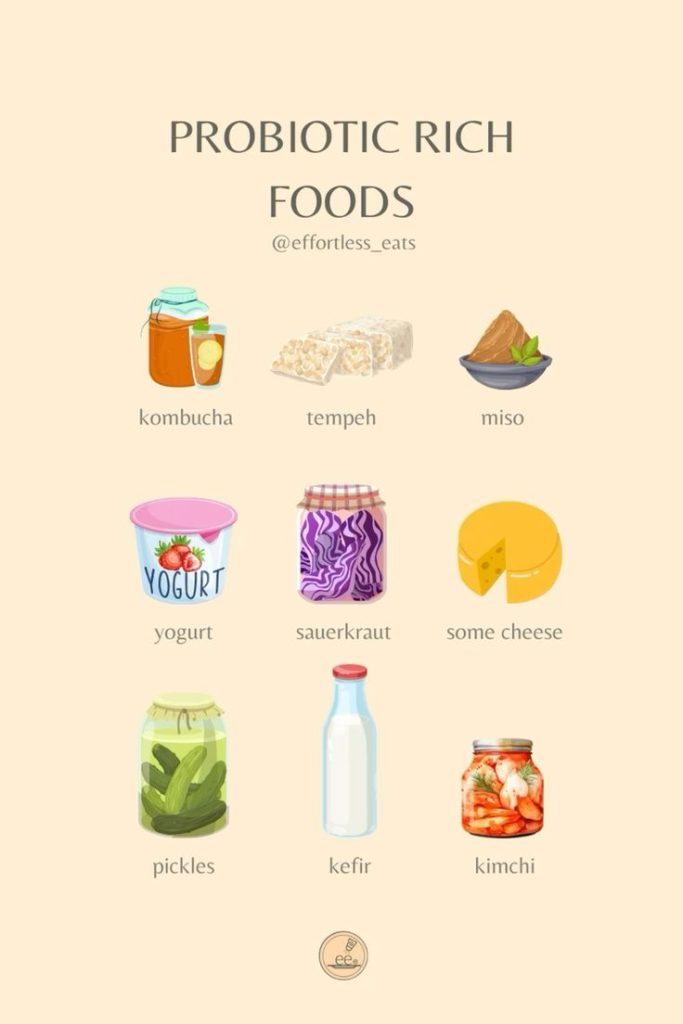
When it comes to gut health, not all diets are created equal. The best diet for maintaining a healthy gut is one that’s rich in fiber, diverse in plant-based foods, and includes fermented products. The Mediterranean diet is often recommended because it’s high in fruits, vegetables, whole grains, nuts, seeds, and healthy fats like olive oil. This diet supports a diverse gut microbiome, which is key to overall gut health. Additionally, including fermented foods like yogurt, kefir, sauerkraut, and kimchi can introduce beneficial probiotics to your digestive system, enhancing your gut flora balance. However, it’s important to choose a diet that works for you and isn’t too restrictivein the long run. The goal is to repair and maintain a healthy gut without feeling deprived. Instead of thinking of it as a restrictive diet, aim to make it a lifestyle change. Find joy in the foods and recipes you eat, and remember that sustainability is key. Enjoying your meals is just as important as their health benefits!
Why Are Gut Health Issues More Common Nowadays?
Gut health issues seem to be on the rise, and there are several reasons why this might be the case. Our modern lifestyle and diet play significant roles.
Diet high in processed foods: Many people today consume a diet high in processed foods, refined sugars, and unhealthy fats, which can negatively impact the balance of bacteria in the gut. These foods often lack the fiber that is crucial for a healthy digestive system.
Stress: Stress is another major factor. Our fast-paced lives and constant exposure to stress can disrupt the gut’s natural balance, leading to problems like bloating, indigestion, and more serious conditions such as irritable bowel syndrome (IBS).
Lack of physical activity: A lack of physical activity and poor sleep habits can further contribute to gut health problems. Exercise helps keep our digestive system functioning smoothly, and good sleep is essential for overall health, including the health of our gut.
Antibiotics: Overuse of antibiotics, while necessary for treating infections, can also harm the beneficial bacteria in our gut, leading to imbalances and digestive issues.
By addressing these factors, we can take steps toward better gut health and overall well-being.
What Foods Should I Avoid for Better Gut Health?
Just as certain foods can boost your gut health, others can negatively impact it. Processed foods, high in refined sugars and unhealthy fats, can disrupt the balance of bacteria in your gut. Artificial sweeteners, often found in diet sodas and sugar-free products, can also be harmful. Foods high in saturated fats, like fried foods and fatty cuts of meat, can promote inflammation in the gut. It’s also wise to limit alcohol and caffeine, as they can irritate the gut lining and disrupt digestive processes. By avoiding these foods, you help maintain a healthy and balanced gut environment.
How Do Probiotics Help with Gut Health?
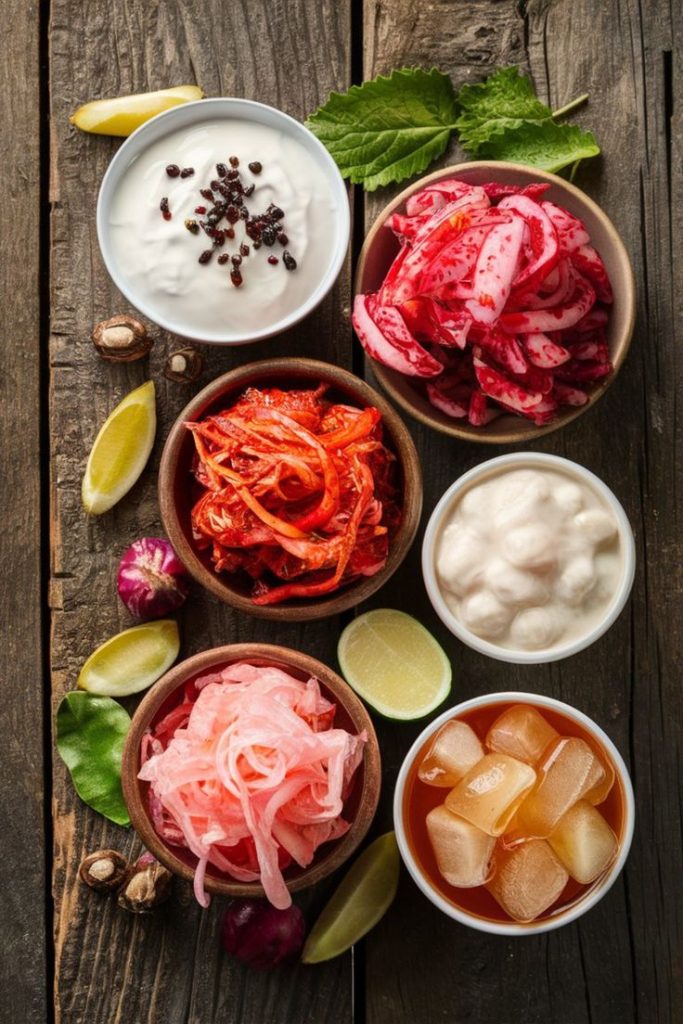
Photo of Fermented foods. Source: Pinterest
Probiotics are live bacteria and yeasts that are good for your digestive system. They help keep your gut healthy by balancing the levels of beneficial bacteria, aiding in digestion, and supporting the immune system. Consuming foods rich in probiotics, such as yogurt, kefir, and fermented vegetables, can help replenish and maintain a healthy gut microbiome. Additionally, probiotics can help prevent or alleviate digestive issues like bloating, constipation, and diarrhea. Including a variety of probiotic-rich foods in your diet can be a simple yet effective way to support your gut health.
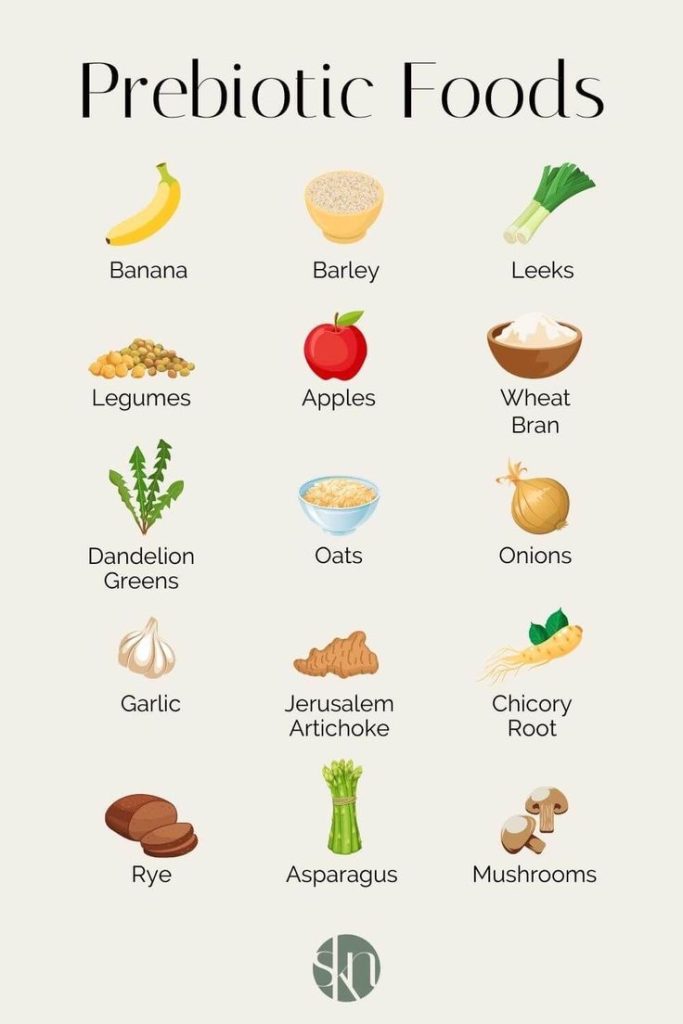
Absolutely! Prebiotics are a type of fiber that feeds the beneficial bacteria in your gut, helping them grow and thrive. Foods rich in prebiotics include garlic, onions, leeks, asparagus, bananas, and whole grains. When you consume prebiotics, you’re essentially providing fuel for the probiotics in your gut, enhancing their ability to support digestion and overall health. Incorporating prebiotic-rich foods into your diet ensures that your gut microbiome has the nutrients it needs to function optimally, promoting better gut health and overall well-being.
Yes, stress can significantly impact your gut health. When you’re stressed, your body releases stress hormones like cortisol, which can disrupt the balance of bacteria in your gut and impair digestive function. Chronic stress can lead to issues like irritable bowel syndrome (IBS), bloating, and indigestion. Managing stress through techniques like meditation, exercise, deep breathing, and adequate sleep can help maintain a healthy gut. Additionally, engaging in activities that promote relaxation and well-being can support both your mental health and your gut health.
How Much Fiber Do I Need for a Healthy Gut?
Fiber is essential for a healthy gut, and most adults need about 25-30 grams per day. Fiber helps keep your digestive system moving smoothly, prevents constipation, and feeds the beneficial bacteria in your gut. There are two types of fiber: soluble and insoluble. Soluble fiber, found in foods like oats, beans, and apples, dissolves in water and helps lower blood cholesterol and glucose levels. Insoluble fiber, found in whole grains, nuts, and vegetables, adds bulk to your stool and aids in regular bowel movements. Including a mix of both types in your diet can promote optimal gut health.
How Can I Tell if My Gut is Improving?
Improving gut health can lead to noticeable changes in your overall well-being. You might see better digestion with less bloating, gas, and more regular bowel movements. Increased energy levels, improved mood, and clearer skin are also good signs. A healthier gut can boost your immune system, so you might find yourself getting sick less often. If you notice you can eat a wider variety of foods without discomfort and maintaining a healthy weight becomes easier, these are all positive indicators that your gut health is on the mend. Remember, these changes take time, so be patient and consistent with your healthy habits.
A Full Week of Eating for Gut Health (with Recipes)
Below you will find a 7-day meal plan and recipes that I’ve personally tried and loved since beginning my gut health journey after being diagnosed with a leaky gut. Since working towards healing my gut, I have felt better than ever and I hope you will too!
Day One
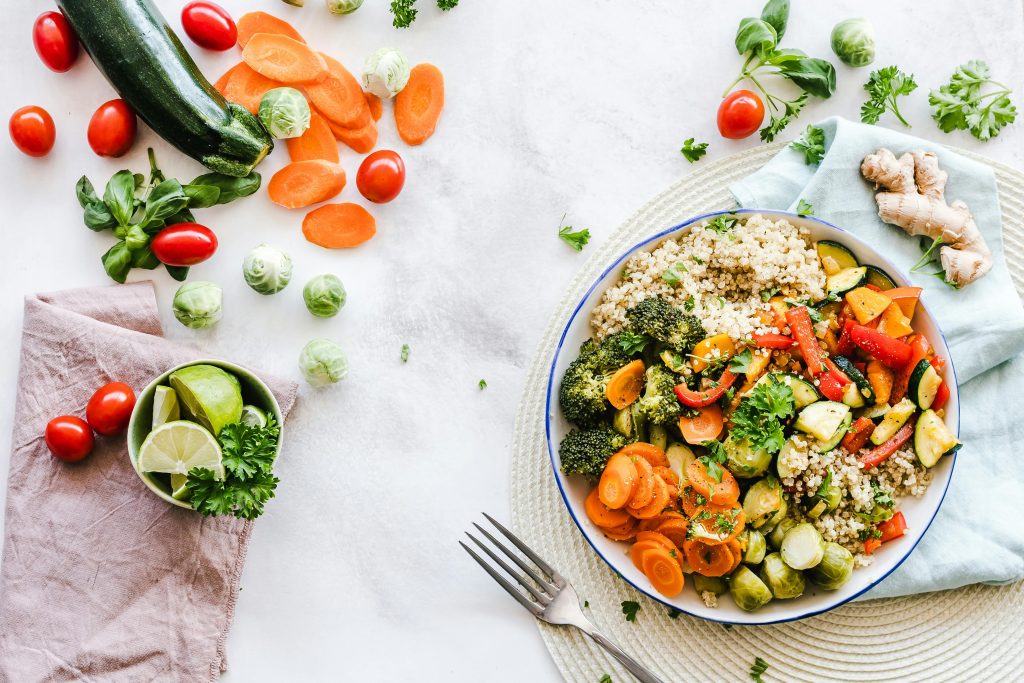
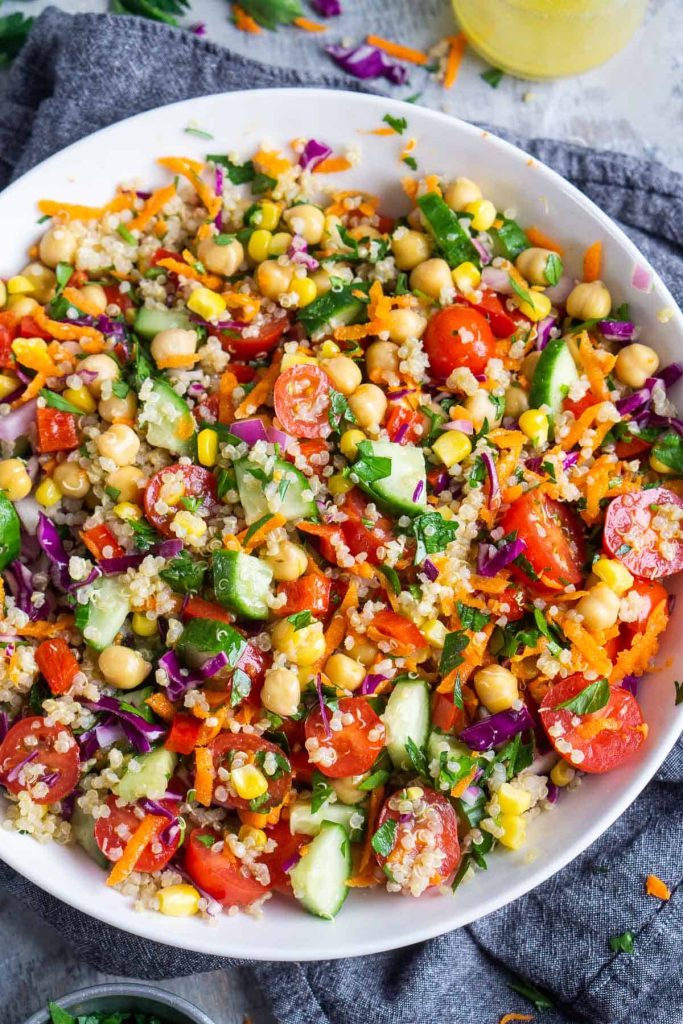
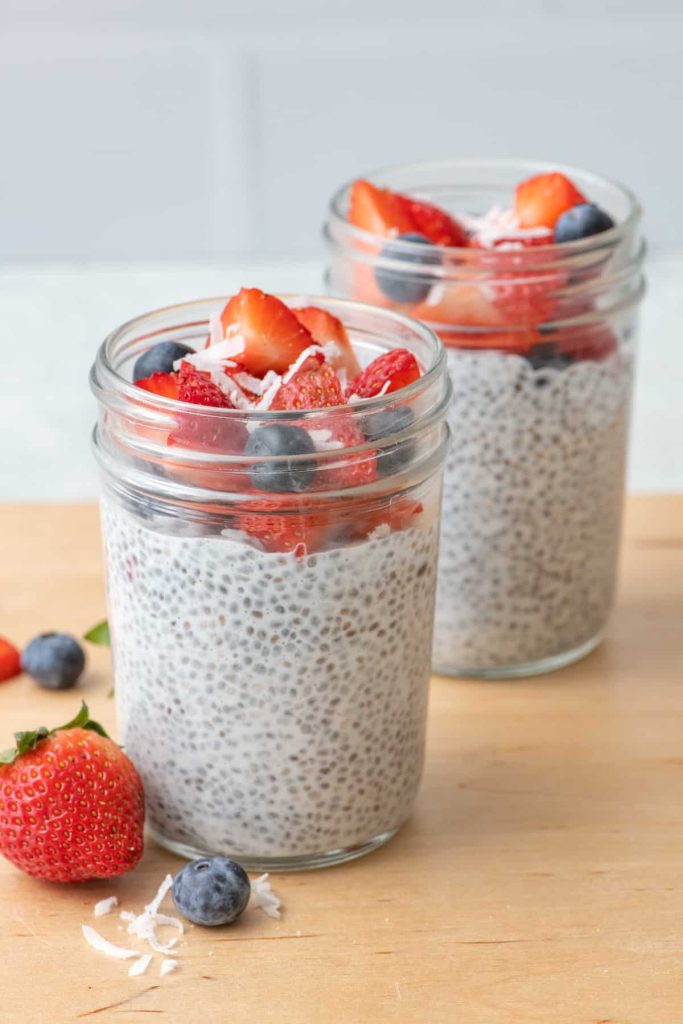
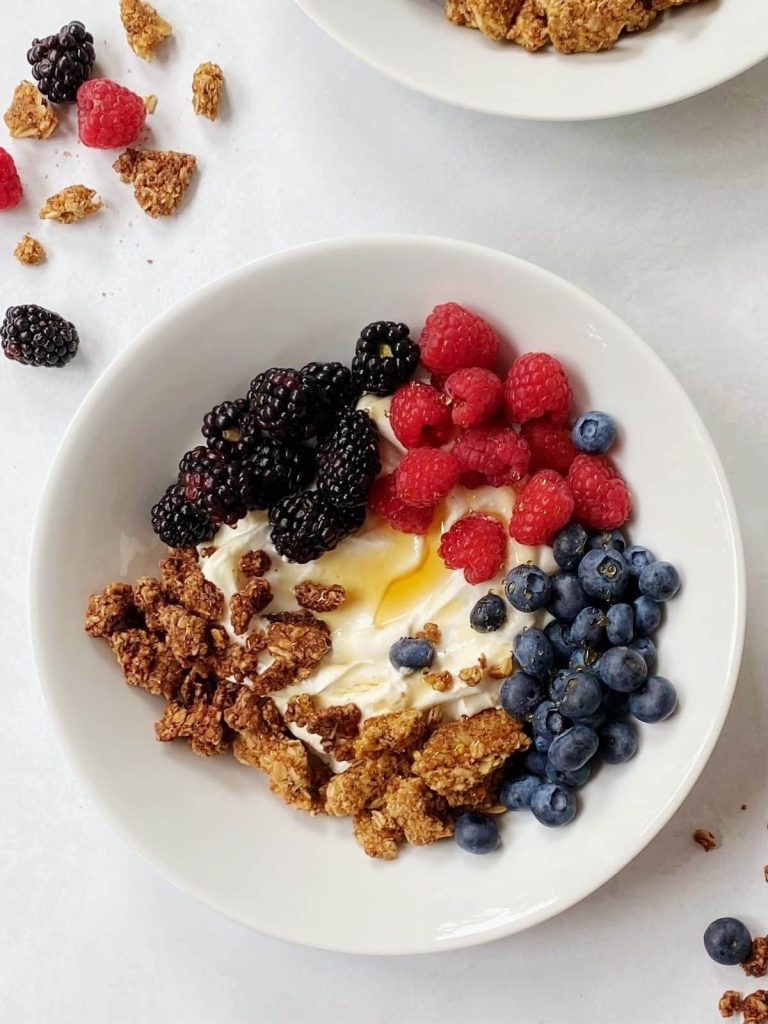
BREAKFAST: Greek Yogourt Parfait (Greek yogourt (unsweetened), fresh berries, chia seeds, honey or maple syrup (optional), a handful of almonds or walnuts (optional, for crunch)) MORNING SNACK: Apple with Almond Butter LUNCH: Fresh Vegetable Quinoa Salad
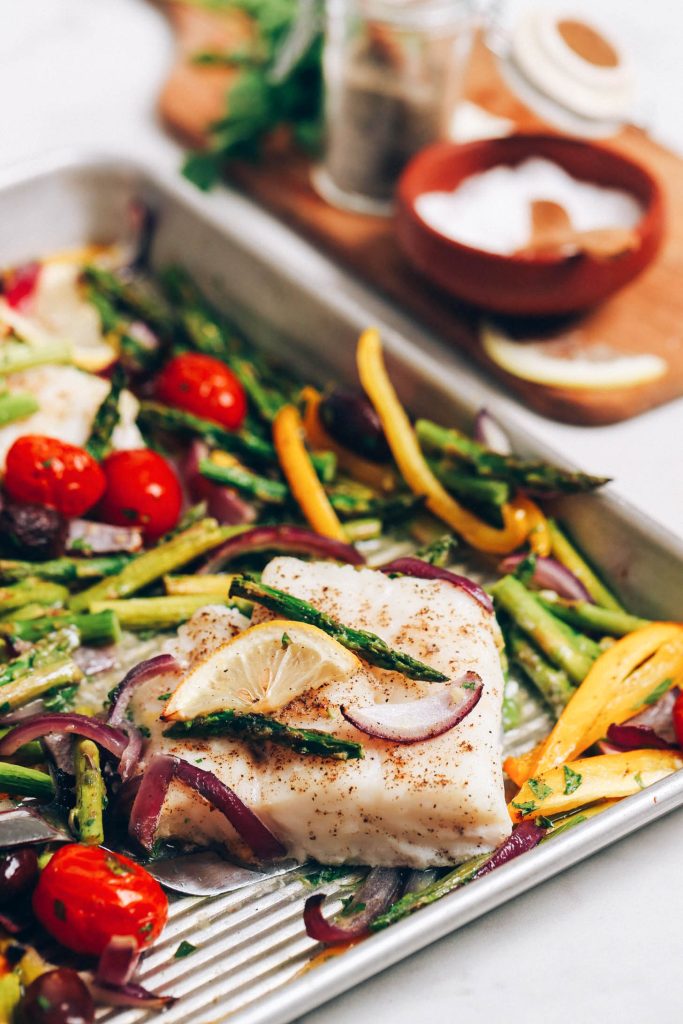
Pictured: Baked Cod with Spring Vegetables. Photo Credit: minimalistbaker.com
DAY SIX
BREAKFAST: Greek Yogourt Parfait (Greek yogourt (unsweetened), fresh berries, chia seeds, honey or maple syrup (optional), a handful of almonds or walnuts (optional, for crunch))
Disclaimer: All content found on the Classyandwell.com were created for informational purposes only. The information and recipes provided in this blog are based on my personal experiences and research. The content is not intended to be a substitute for professional medical advice, diagnosis, or treatment.
Breakfast is often touted as the most important meal of the day, and for women with PCOS (Polycystic Ovary Syndrome), it holds even greater significance. Starting the day with a balanced and nutritious meal can help stabilize blood sugar levels, reduce insulin resistance, and manage weight—key factors in alleviating PCOS symptoms. A healthy breakfast sets the tone for your metabolism, provides sustained energy, and can help curb cravings throughout the day. In this post, we’ve compiled 15 easy and delicious breakfast ideas specifically designed to support and nourish women with PCOS.
Whether you have a sweet tooth or prefer something savory, we’ve got you covered with these breakfast ideas!
Reduces Cravings and prevent overeating later in the day.
Provides the necessary energy to start the day and maintain productivity.
Will help regulate hormone levels, which can alleviate some PCOS symptoms.
Starting the day with a nutritious meal can improve mood and cognitive function, aiding mental clarity.
A well-rounded breakfast ensures you’re getting essential nutrients that support overall health.
Encourages regular eating patterns, which is beneficial for metabolic health.
Eating a satisfying breakfast helps prevent excessive hunger and overeating at subsequent meals.
Can aid in maintaining a healthy weight
What Your Breakfast Should Consist of
For a PCOS-friendly breakfast, it’s essential to combine foods that keep you satisfied, maintain stable blood sugar levels, and are enjoyable to eat. To achieve this balance and prolonged fullness, be sure to include all three macronutrients: protein, carbohydrates, and fat. It’s essential to include at least 20-30 grams of protein in each meal, including breakfast. Starting your day with a high-protein breakfast helps keep you full and satisfied, preventing those mid-morning hunger pangs and reducing the temptation to snack.
Protein: Protein is a vital component of a PCOS-friendly breakfast because it helps stabilize blood sugar levels and reduces insulin spikes, which are common concerns for women with PCOS. Protein also supports muscle maintenance and overall metabolic health, which is crucial for managing PCOS symptoms effectively. Examples include:
High-Fiber Carbs: These carbohydrates are known as complex carbs. They are rich in fiber, a type of carbohydrate that undergoes slow digestion. This leads to prolonged satiety and a gradual increase in blood sugar levels. Examples include:
Healthy Fats: Healthy fats are essential for a PCOS-friendly breakfast as they provide sustained energy, stabilize blood sugar levels, support hormone balance, promote satiety, aid in nutrient absorption, and contribute to brain health. Incorporating these fats into your morning meal can help manage symptoms and support overall well-being. Examples include:
Butter
Avocado
Seeds (chia seeds, etc.)
Nuts
Olive oil
The ideal quantity of nutrients that provides the best feeling can differ based on various factors. I suggest trying out different combinations to see how they impact you. Strive to remain satisfied until your next snack or meal. Typically, aim to incorporate a minimum of 20-30g of protein to support balanced nutrition and sustained vitality.
Now, onto the good part! Check out these delicious breakfast ideas below.
1.Scrambled Eggs with Cottage Cheese
Scrambled eggs combined with creamy cottage cheese create a protein-packed meal that helps stabilize blood sugar levels and keep you feeling full. For an added protein boost, consider mixing in sausage, bacon, or even tofu. Enhance the nutritional value by incorporating vegetables like spinach, tomatoes, or bell peppers. This versatile dish not only supports your dietary needs but also offers a delicious way to kickstart your morning routine. Recipe here
Photo Credit: Skinnytaste.com
2. Cottage Cheese Egg and Sausage Frittata
This recipe is similar to the one above, but instead of just scrambled eggs, it’s a frittata. It includes eggs, cottage cheese, chicken sausage (you can use any other protein you prefer), various types of cheese, and spinach. You can also add other vegetables like mushrooms and peppers. Recipe here.
Photo Credit: Skinnytaste.com
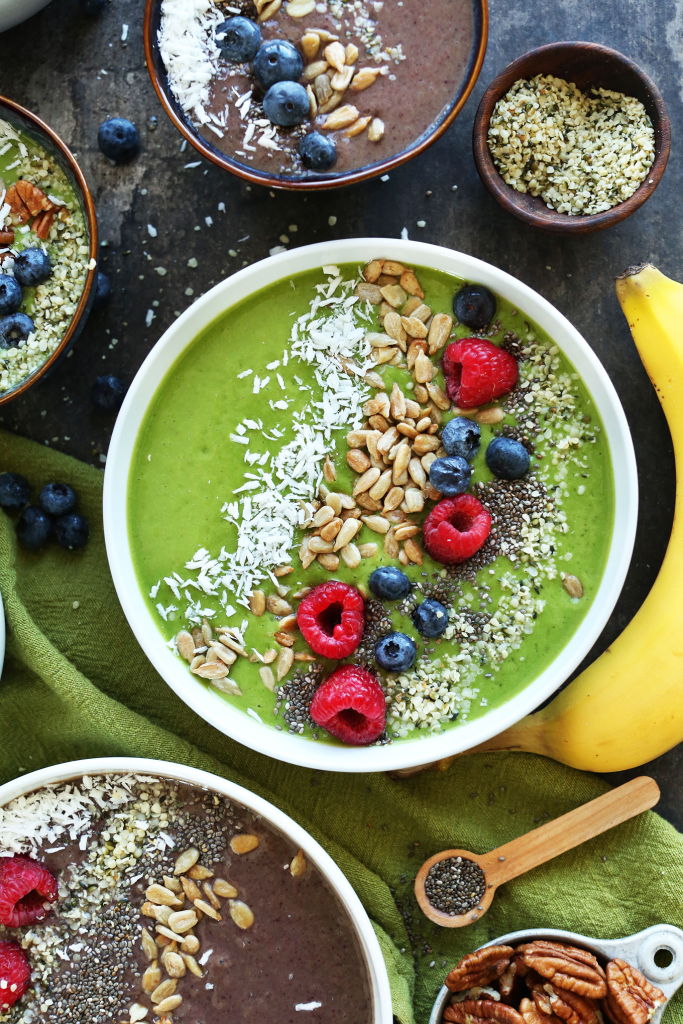
3. PCOS Green Smoothie
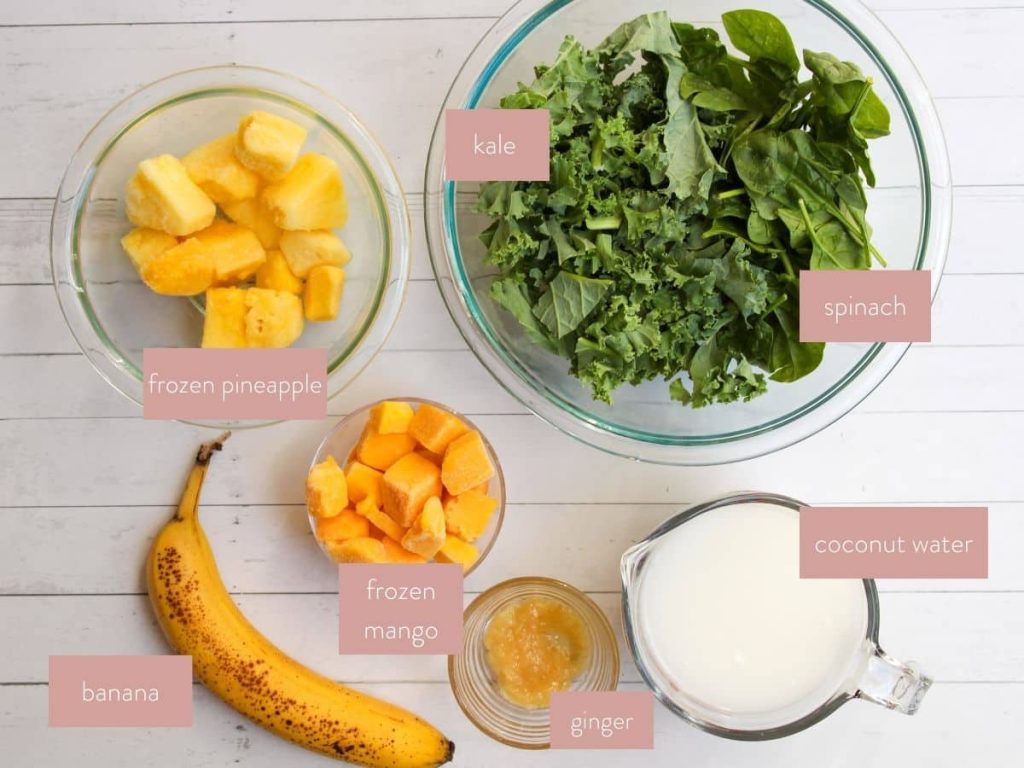
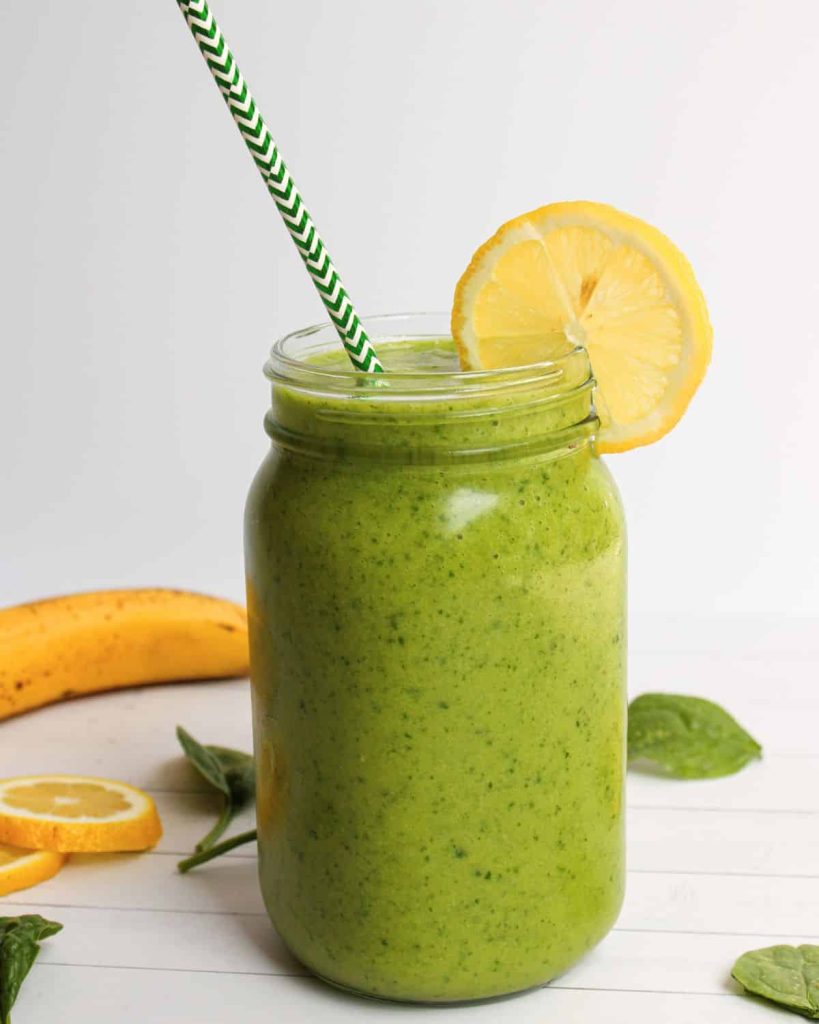
This green smoothie is loaded with greens and fruits. Consider adding Greek yogurt, protein powder, or even chia seeds to transform it into a high-protein smoothie. Recipe here.
4. Healthy Sweet Potato, Black Bean & Avocado Breakfast Burritos
If you enjoy Mexican food, then this breakfast is just right for you! It’s full of delicious flavors. For a lower carb choice, you can skip the tortillas and serve it as a bowl instead! Recipe here.
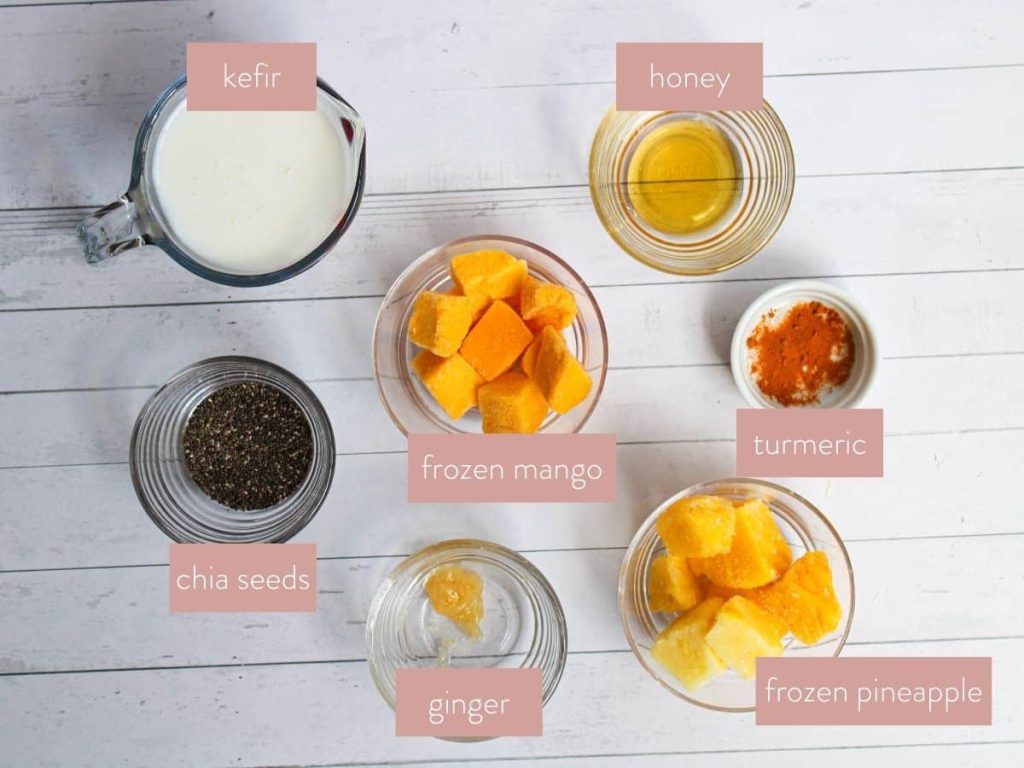
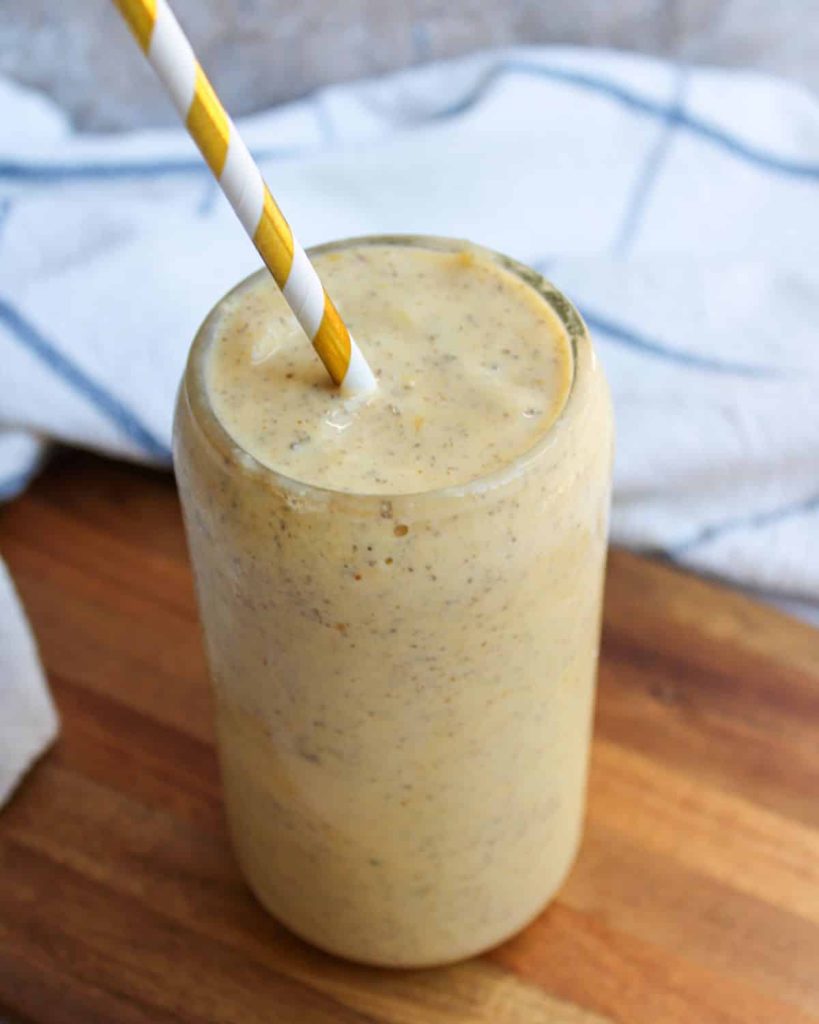
This mango kefir smoothie is another recipe by PCOS nutritionist Alyssa. If you’re a fan of mangoes, then you’ll love this recipe! To boost the protein content, consider adding an additional protein source. For a lower carb option, reduce the amount of fruits used. You can also incorporate chia seeds and greens (like spinach) for added nutrients.
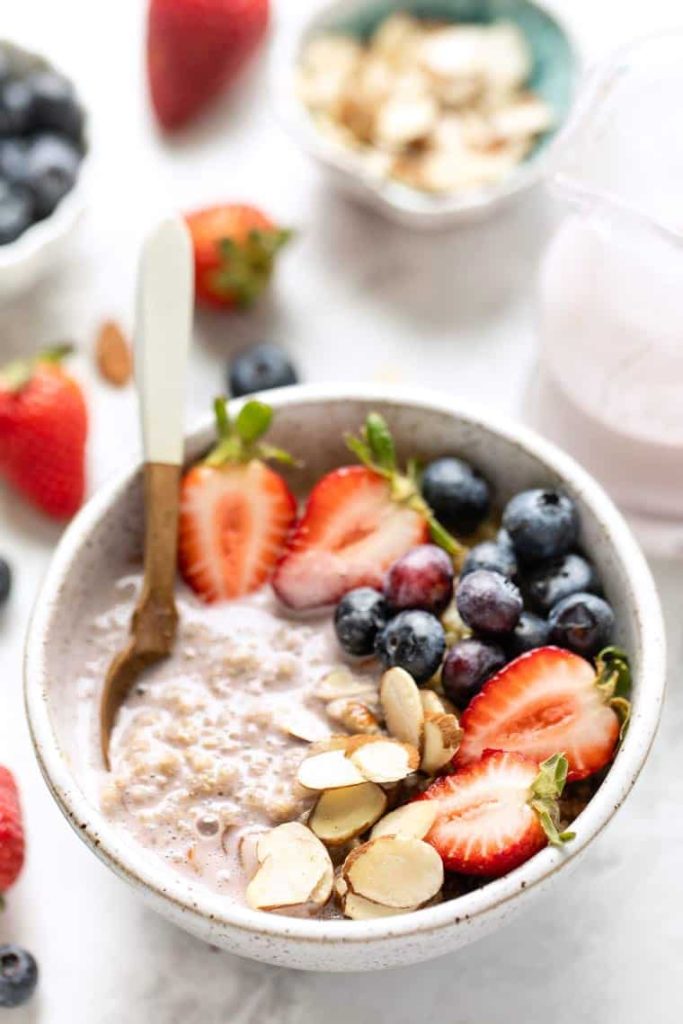
If you enjoy having cereal for breakfast but want to avoid the processed carbs and additives often found in store-bought options, this recipe is a fantastic alternative. It features milk and quinoa, offering a healthier twist. The recipe author shows you how you can jazz it up. Recipe here
Photo Credit: simplyquinoa.com
7. Greek yogourt, cinnamon, nuts, seeds and fruits
This is one of my favorite breakfasts, ideal for those mornings when you’re rushing out the door. I mix Greek yogurt with cinnamon (I find it enhances the flavor since I’m not a fan of plain Greek yogurt), then top it with sliced almonds, walnuts, chia seeds, and fruits. I also sometimes eat it with granola and a bit of maple syrup. It’s absolutely delicious!
8. Egg White Muffins with Turkey Bacon, Cottage Cheese, and Veggies
This is another fantastic recipe for when you’re on the go and perfect for those who enjoy meal prepping—simply store it in your fridge or freezer and heat it up the next day.
Here’s another great egg breakfast recipe that you can prepare the night before. Feel free to add more vegetables for an extra boost of vitamins! Recipe here.
Photo Credit: skinnytaste.com
12. Chorizo and Sweet Potato Breakfast Bowls
I love the flavors in this recipe, and I bet you will too! Chorizo and sweet potato together are just delicious!
Photo Credit: paleorunningmomma.com
13. Mango Chia Pudding
Chia pudding has become the breakfast of choice for many people in recent years, and it’s no surprise—it’s incredibly delicious, high in protein, and easy to make! You can add collagen, protein powder or greek yogurt to make it high in protein. You can use this recipe here and add fruits to make it sweeter!
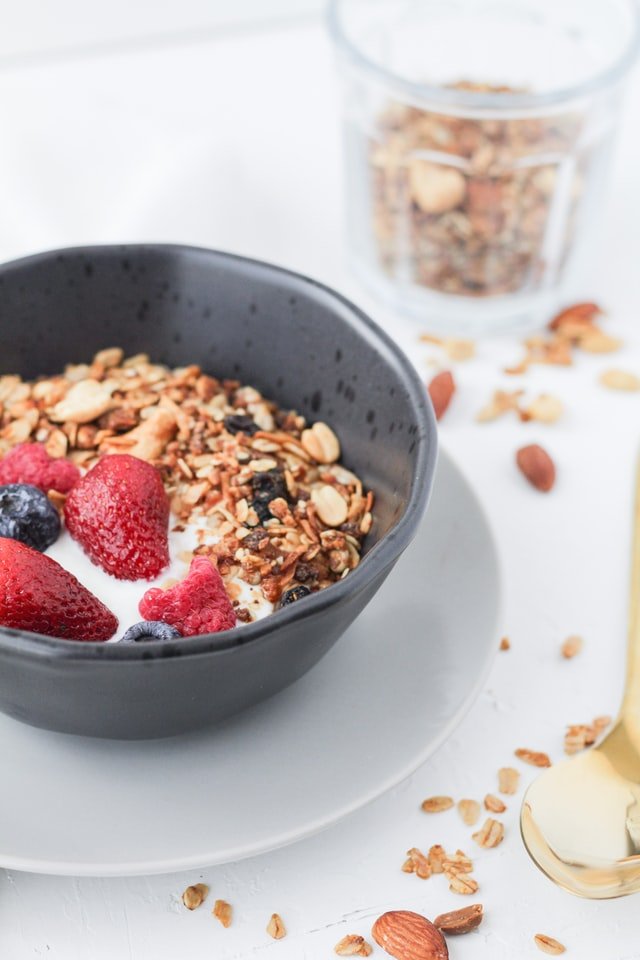
Here’s another fantastic sweet breakfast option! Be sure to choose a high-quality brand of granola (or make your own) that isn’t loaded with sugars. Recipe here.
Photo Credit: bessieroaming.com
ENJOY!
Disclaimer: All content found on the Classyandwell.com were created for informational purposes only. The information and recipes provided in this blog are based on my personal experiences and research. The content is not intended to be a substitute for professional medical advice, diagnosis, or treatment.
“Yoga is the journey of the self, through the self, to the self.” — The Bhagavad Gita
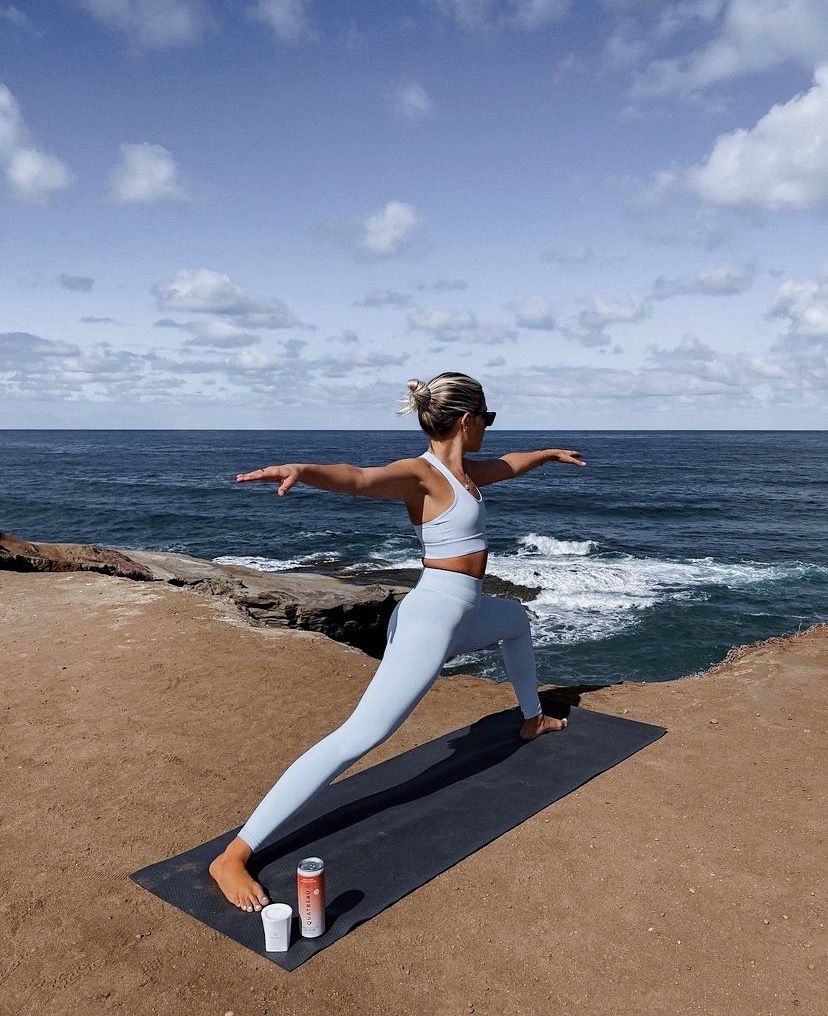
Embarking on a yoga journey can be both exciting and a bit daunting, especially if you’re new to the practice. Yoga offers a wonderful blend of physical and mental benefits, making it a perfect choice for those looking to enhance their overall well-being. Whether you’re aiming to improve your flexibility, reduce stress, or simply find a new way to stay active, starting with some beginner-friendly poses is a great way to ease into yoga.
Research also indicates that regular yoga practice can have additional benefits such as reducing inflammation in the body, improving immune function, and aiding in pain management. Yoga has been shown to enhance mindfulness and promote a positive outlook on life, contributing to better emotional resilience and overall quality of life.
Here are some of the best yoga poses for beginners and the benefits they bring.
Enjoy this soothing music playlist while practicing yoga as a beginner.
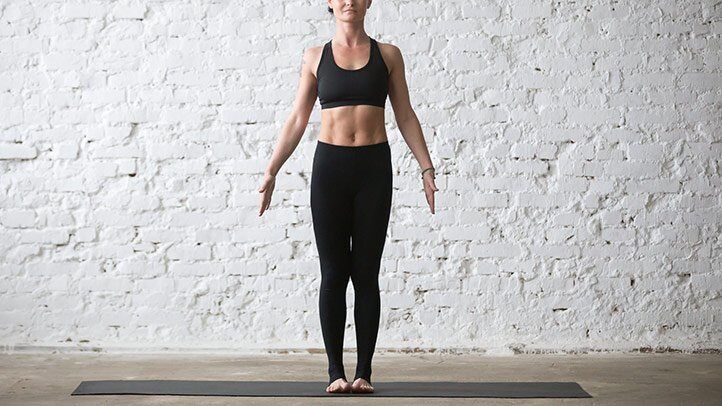
1. Mountain Pose – Tadasana
Source: iStock
The Mountain Pose (Tadasana) is a foundational yoga posture. Stand with your feet together, arms at your sides, and weight evenly distributed. Engage your thigh muscles, lift your chest, and lengthen through the spine. Keep your shoulders relaxed and arms strong. This pose helps improve posture and creates a sense of grounding and stability.
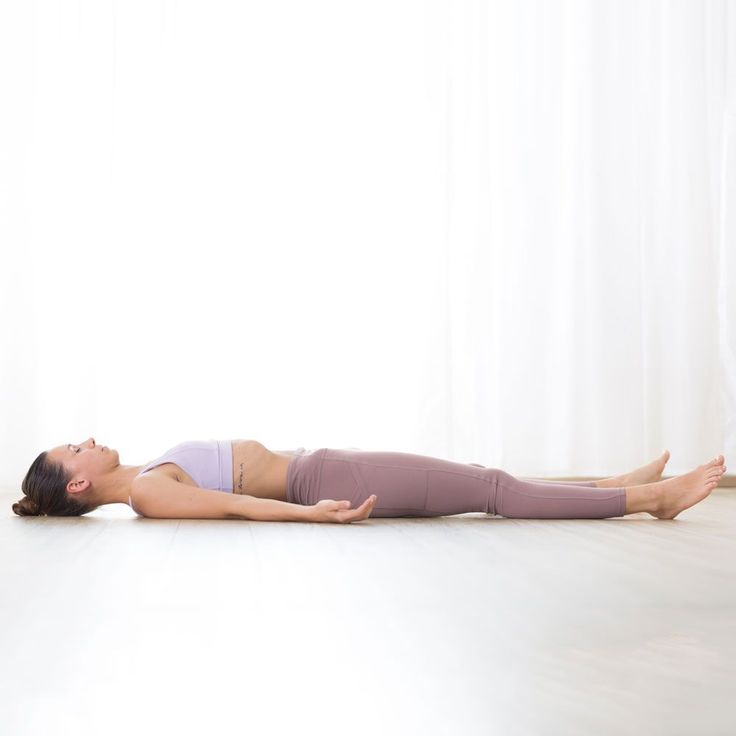
Corpse Pose (Savasana) is a relaxation posture typically done at the end of a yoga session. Lie flat on your back with your legs slightly apart and arms at your sides, palms facing up. Close your eyes and focus on deep, even breathing, allowing your body to completely relax and release tension. This pose helps to calm the mind and rejuvenate the body.
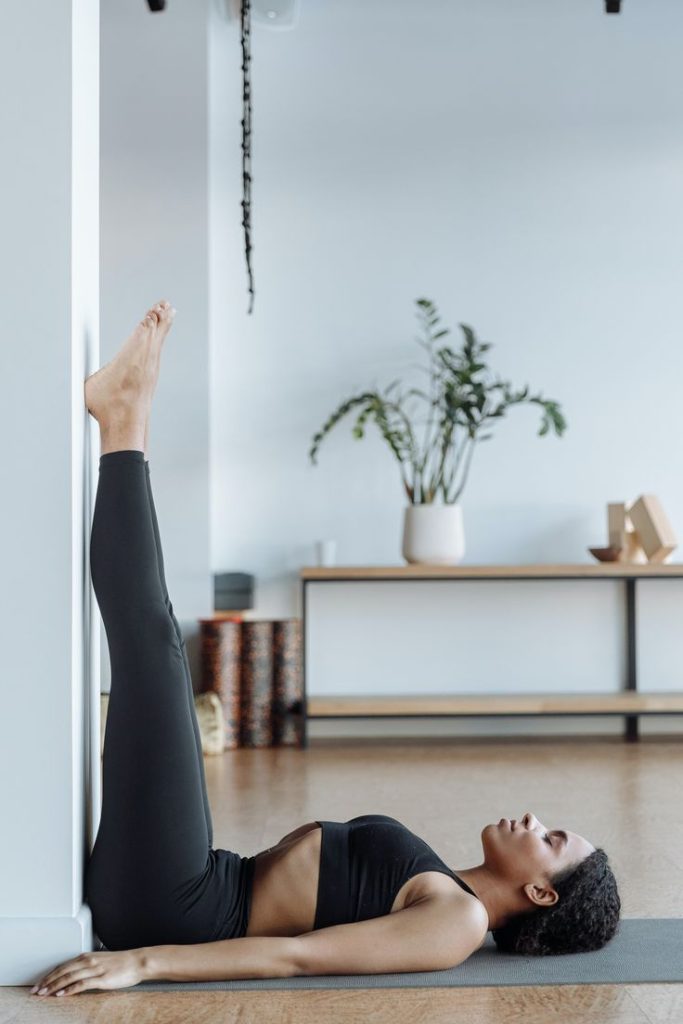
Legs Up the Wall (Viparita Karani) is a restorative yoga pose. Lie on your back with your hips close to a wall and extend your legs up, resting them against the wall. Keep your arms relaxed at your sides, palms facing up. This pose promotes relaxation, reduces swelling in the legs, and improves circulation.
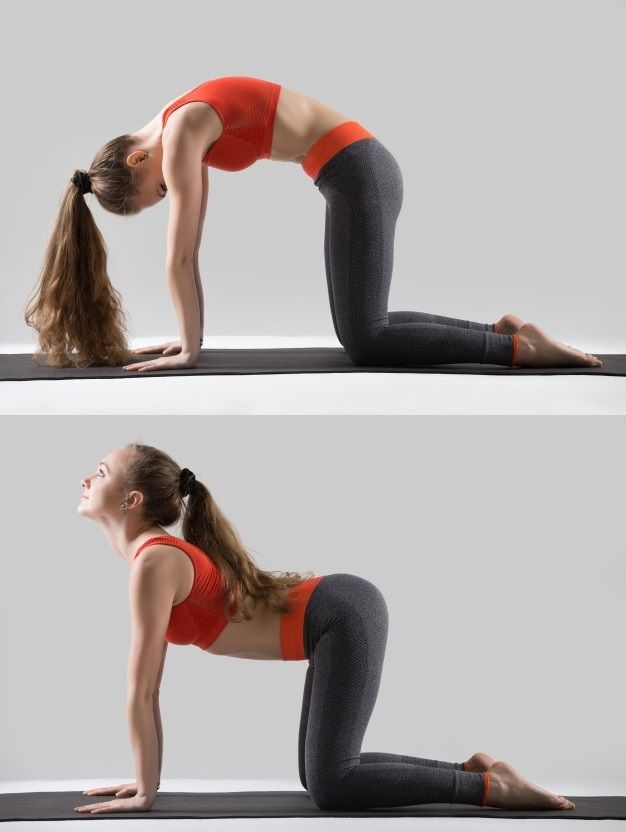
Cat-Cow Pose (Marjaryasana-Bitilasana) is a gentle, flowing sequence that warms up the spine. Start on all fours with your wrists under your shoulders and knees under your hips. Inhale into Cow Pose, arching your back, dropping your belly, and lifting your head and tailbone. Exhale into Cat Pose, rounding your spine, tucking your chin to your chest, and drawing your belly towards your spine. This sequence improves flexibility, relieves tension, and enhances spinal mobility.
Downward Facing Dog (Adho Mukha Shvanasana) is another foundational yoga pose. Start on all fours, then lift your hips up and back, straightening your legs and forming an inverted V-shape. Spread your fingers wide, pressing firmly into the mat, and keep your head between your arms. This pose strengthens the arms and legs, stretches the spine, and improves overall flexibility and circulation.
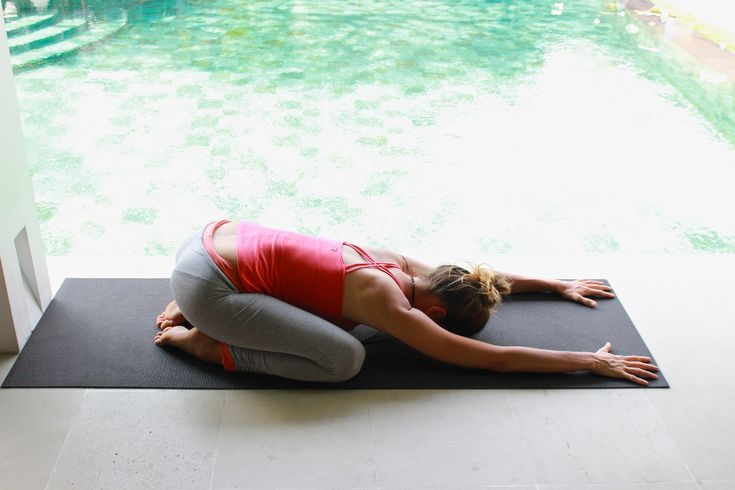
Child’s Pose (Balasana) is a relaxing and restorative yoga posture. Start on your hands and knees, then sit back on your heels while extending your arms forward and lowering your forehead to the mat. Your knees can be together or apart, whichever is more comfortable. This pose gently stretches the hips, thighs, and ankles while promoting relaxation and reducing stress. It’s often used as a resting pose during yoga practice to calm the mind and rest the body.
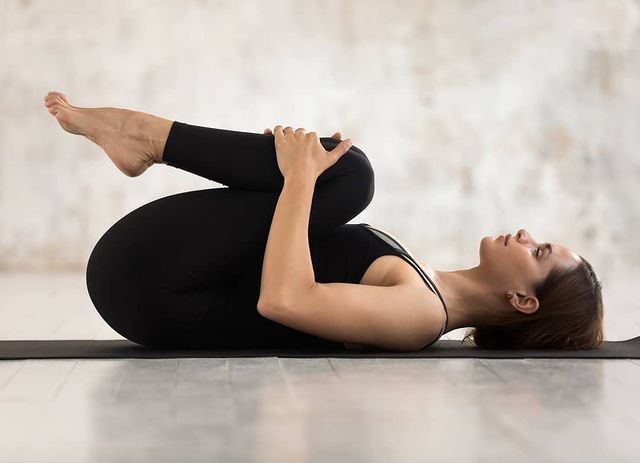
Knees to Chest (Apanasana) is a gentle yoga pose that helps release tension in the lower back and stretch the spine. Lie on your back and bring your knees toward your chest, hugging them with your arms. You can gently rock side to side to massage your lower back. This pose improves digestion, relieves lower back pain, and promotes relaxation.
Cobbler’s Pose (Baddha Konasana) is a seated yoga posture that helps open the hips and groin area. Sit with your spine straight and bring the soles of your feet together, allowing your knees to drop toward the ground. Hold your feet with your hands and gently flap your knees up and down, like the wings of a butterfly. This pose stretches the inner thighs, groins, and knees, while also stimulating abdominal organs and improving circulation in the pelvis. It is beneficial for flexibility and can help alleviate menstrual discomfort.
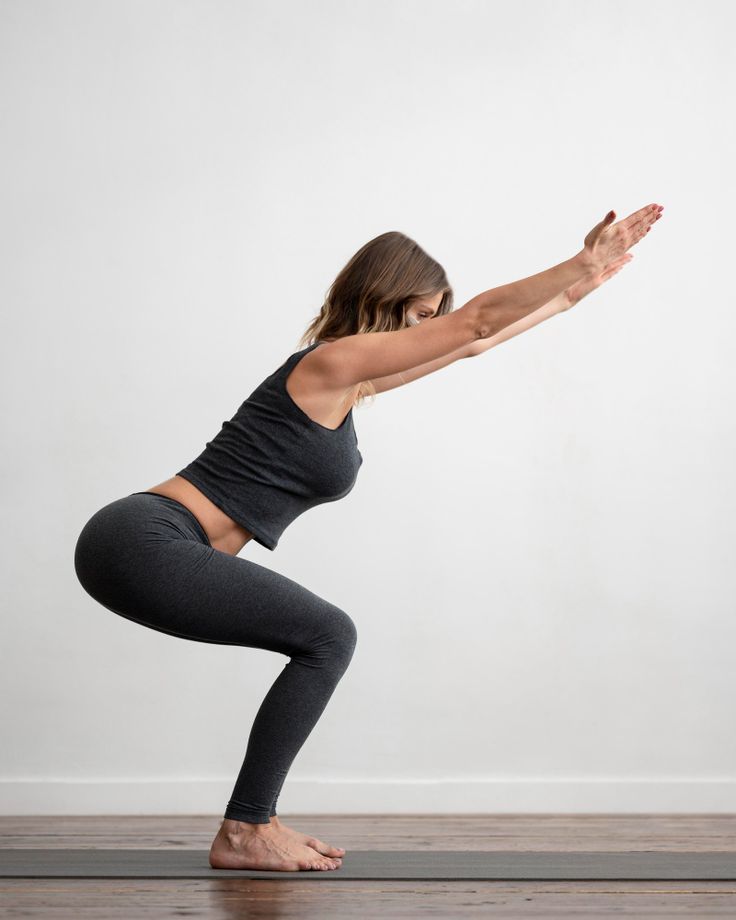
9. Chair Pose – Utkatasana
Source: Pinterest
Chair Pose (Utkatasana) is a powerful standing pose that strengthens the legs and core. Stand with your feet hip-width apart, then bend your knees and lower your hips as if sitting in an invisible chair, keeping your torso upright and arms extended overhead. Engage your thighs and core, and lift your chest. This pose enhances balance, improves stamina, and tones the legs and core muscles. It also opens the chest and shoulders, promoting better posture.
Remember, progress in yoga, like in any practice, comes with consistency and patience. I recommend starting with just 15 minutes a dayto build a sustainable routine that fits into your life. Don’t rush the process; allow yourself time to learn and grow in each pose. If some days feel challenging, that’s okay—listen to your body and adjust as needed. By going slowly and staying committed, you’ll discover the transformative benefits of yoga over time.
I wish you all the best on this new journey. Namaste!