Sundays are the perfect day to reset, recharge, and get ready for the week ahead. With a few simple yet effective habits, you can set yourself up for an organized and stress-free week. Let’s dive into the best Sunday activities that will leave you feeling prepared and energized to take on whatever the week has in store.
1. Meal Planning: Save Money, Eat Healthier, and Reduce Stress
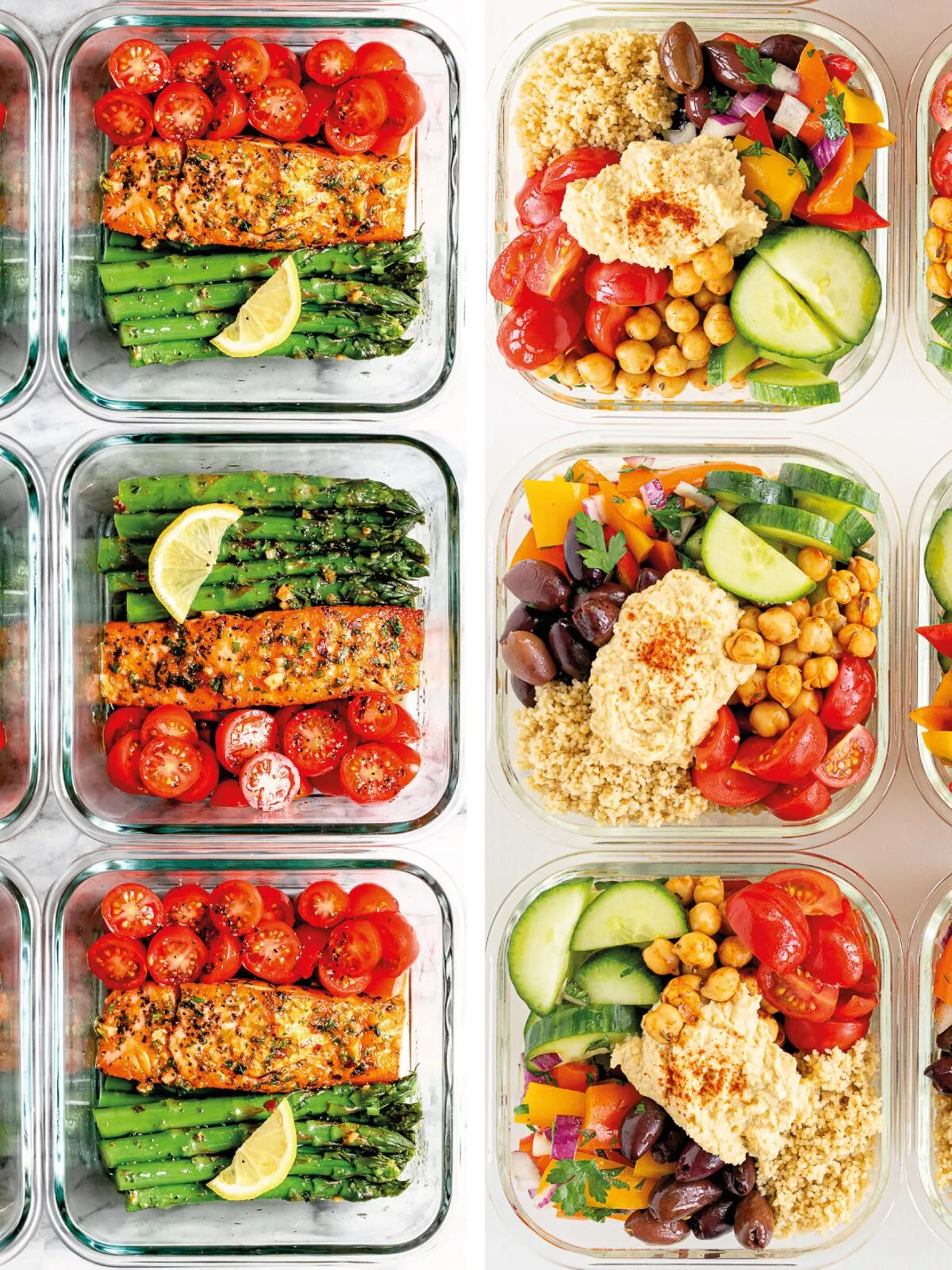
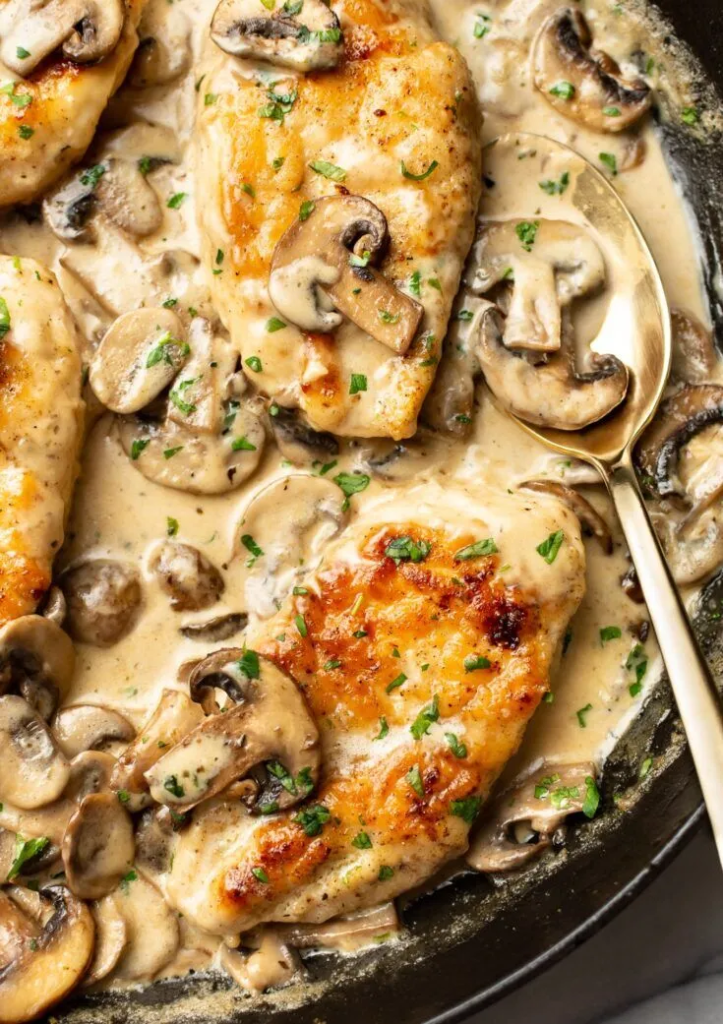
Photo // gatheringdreams.com
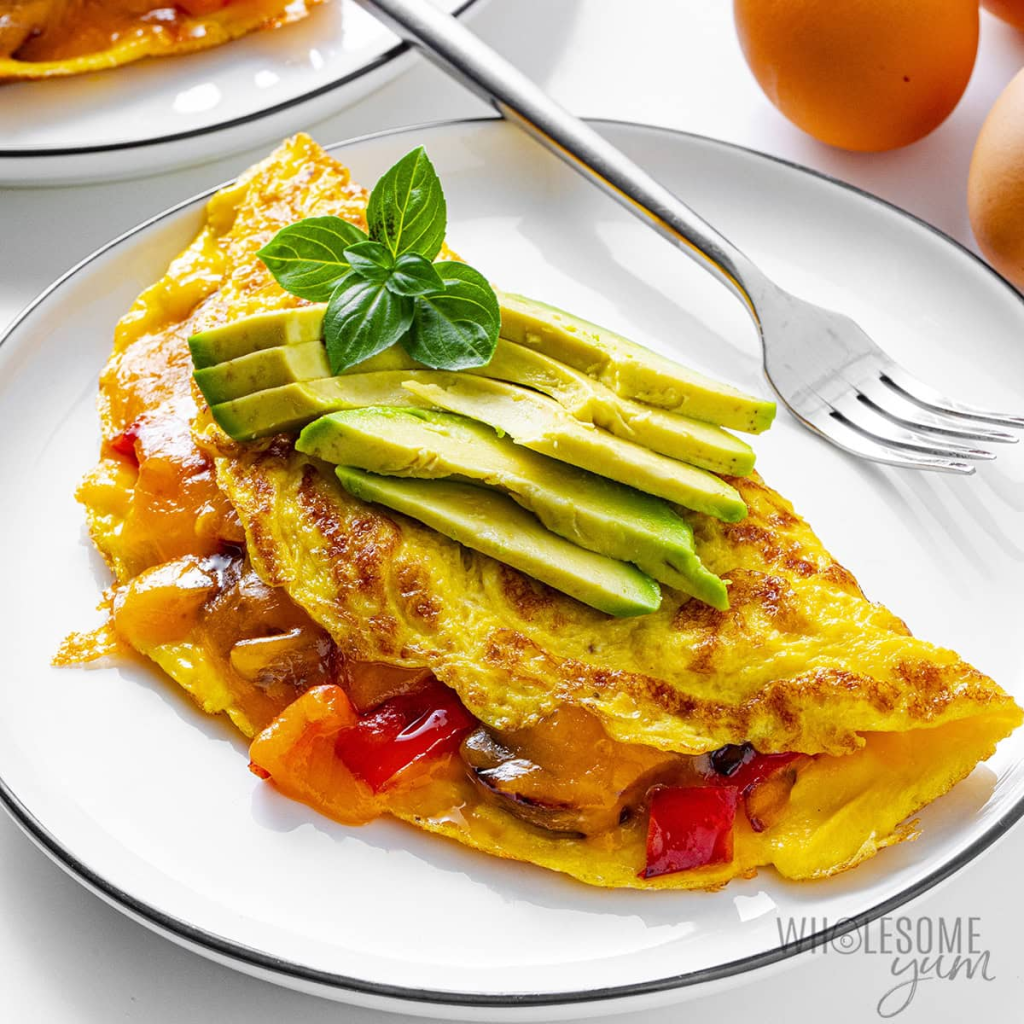
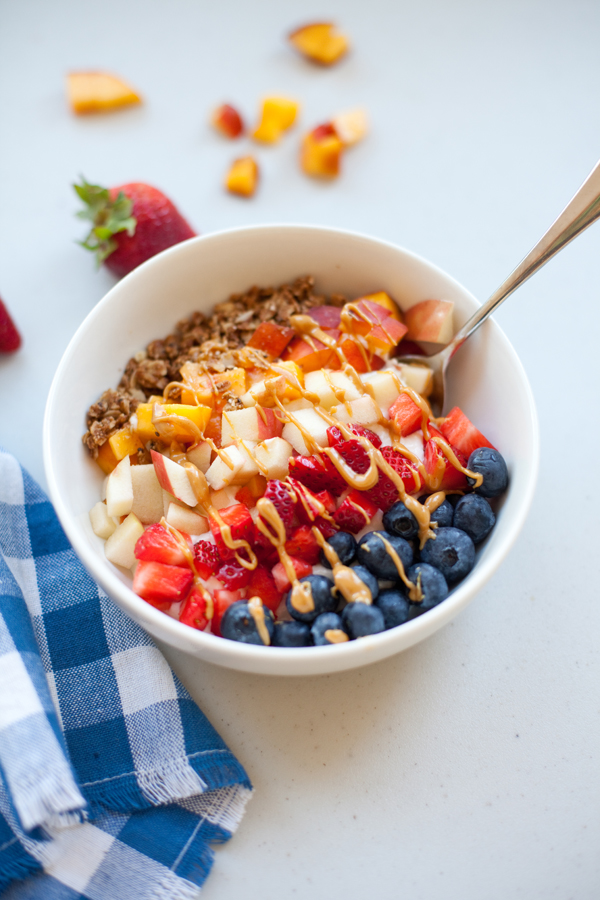
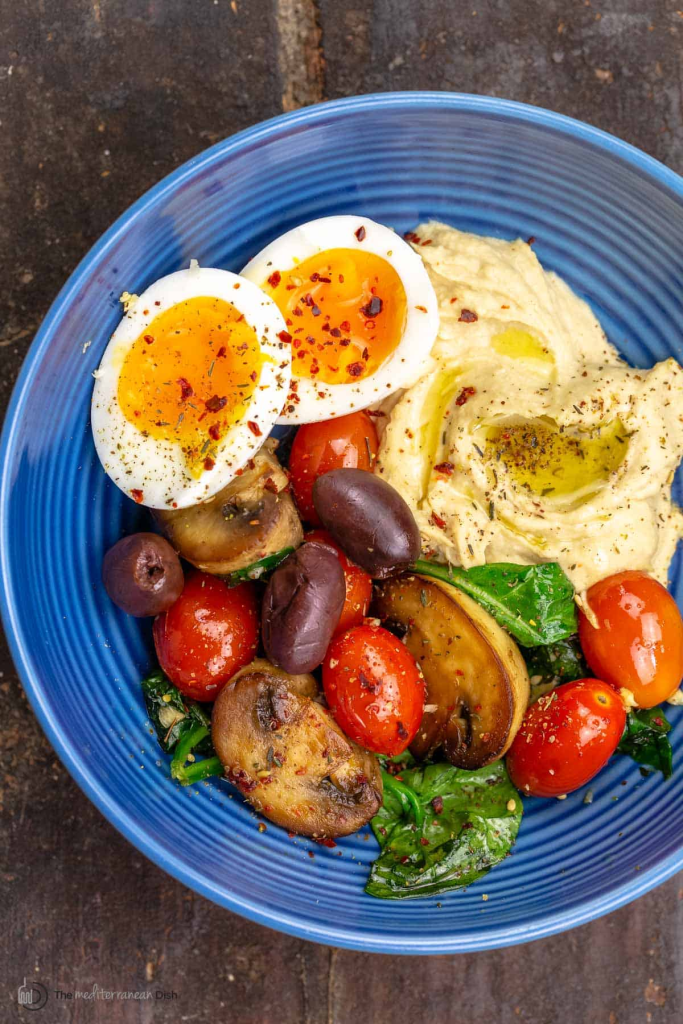
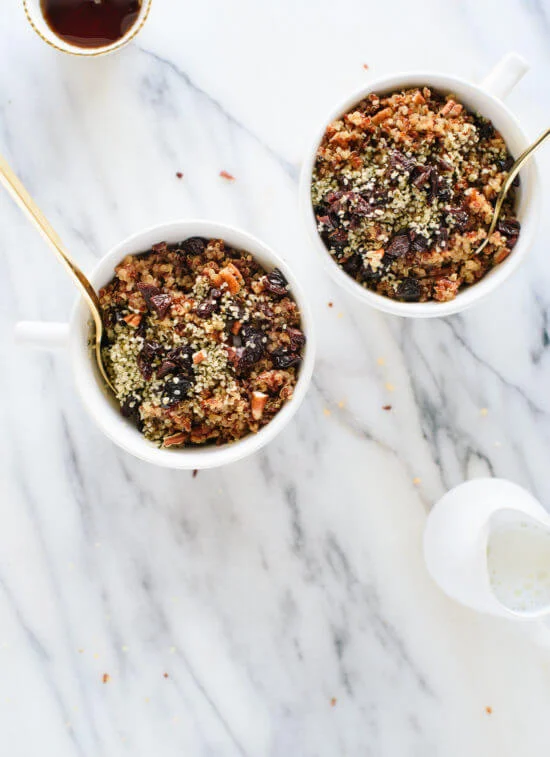
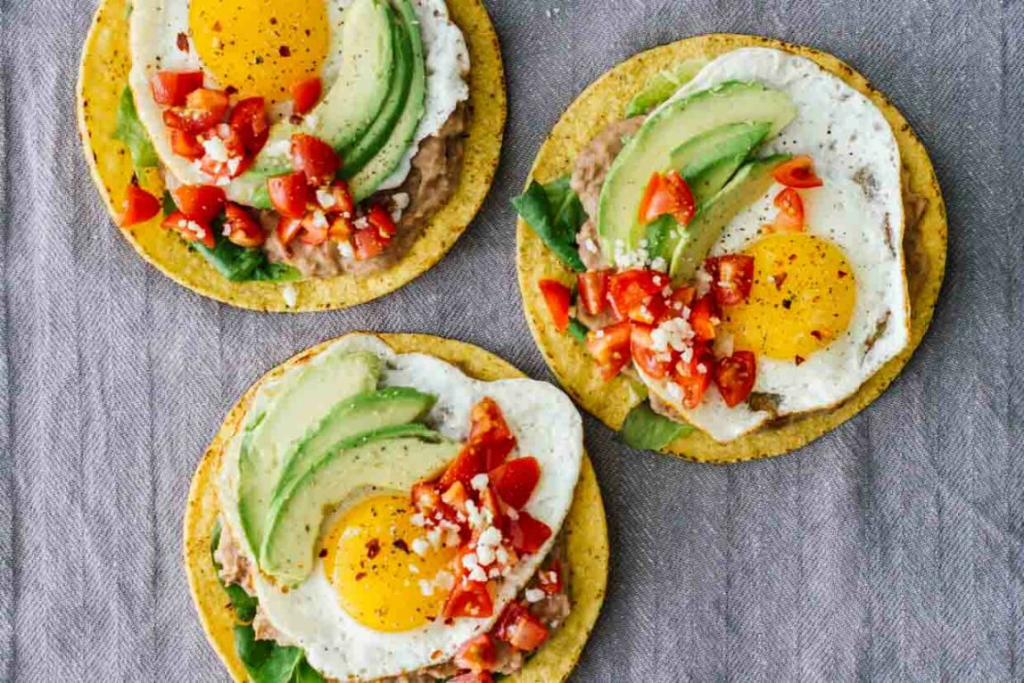
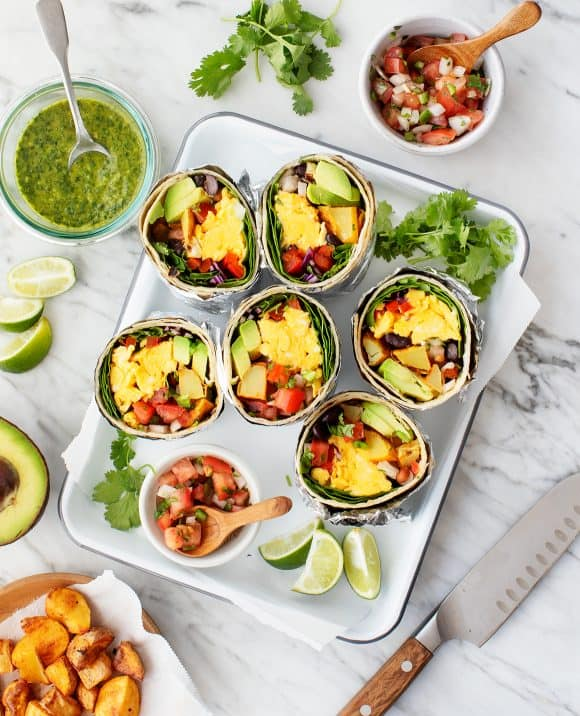
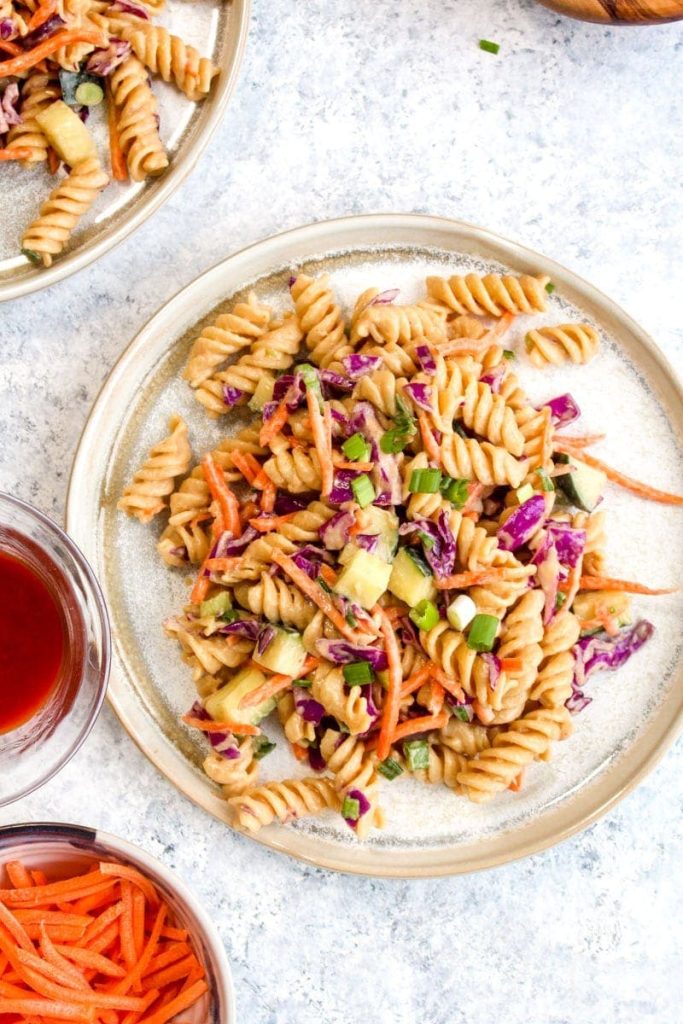
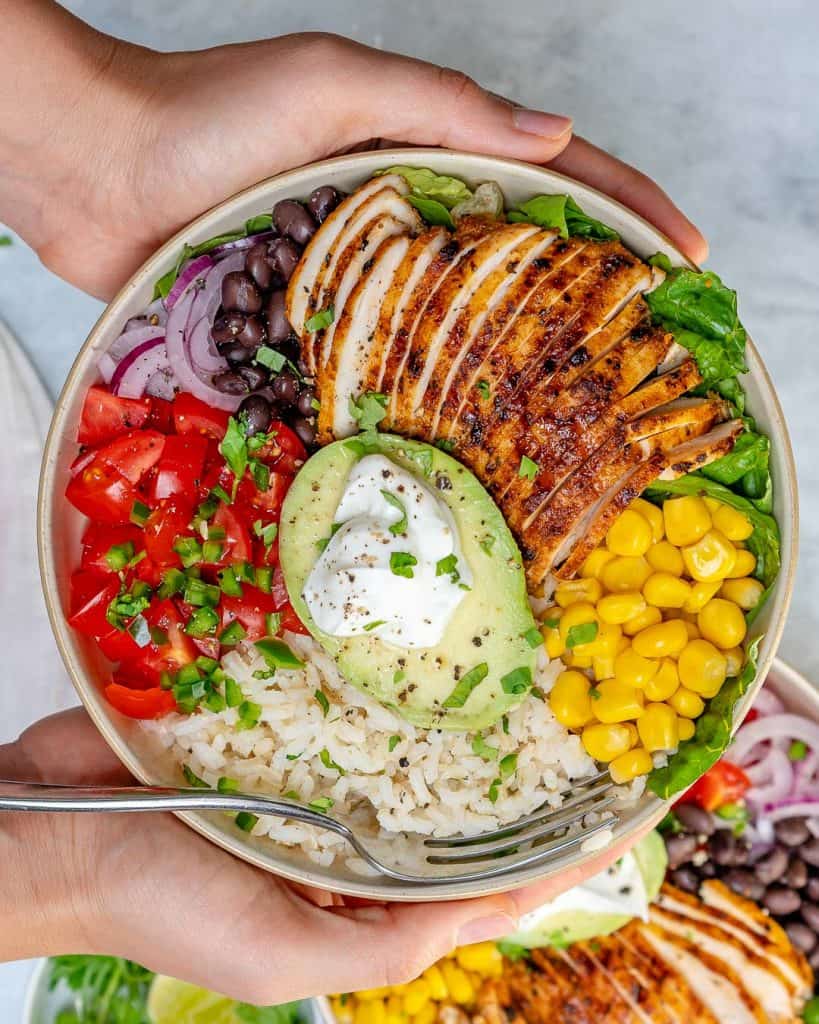
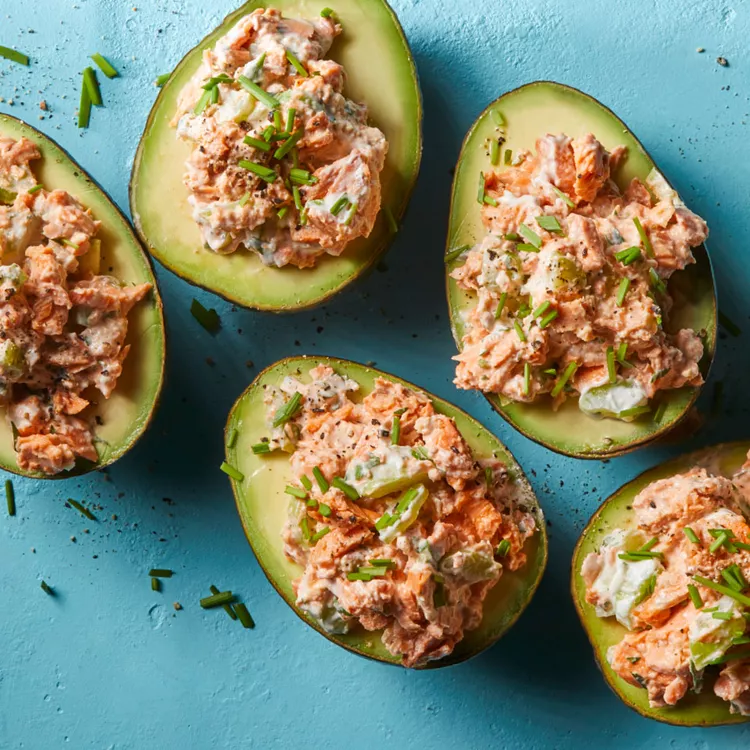
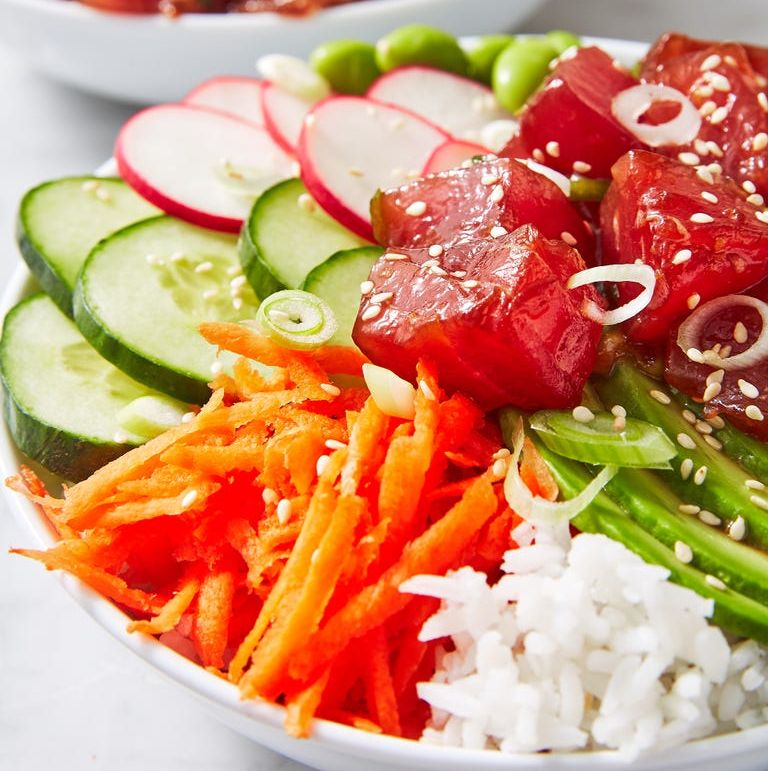
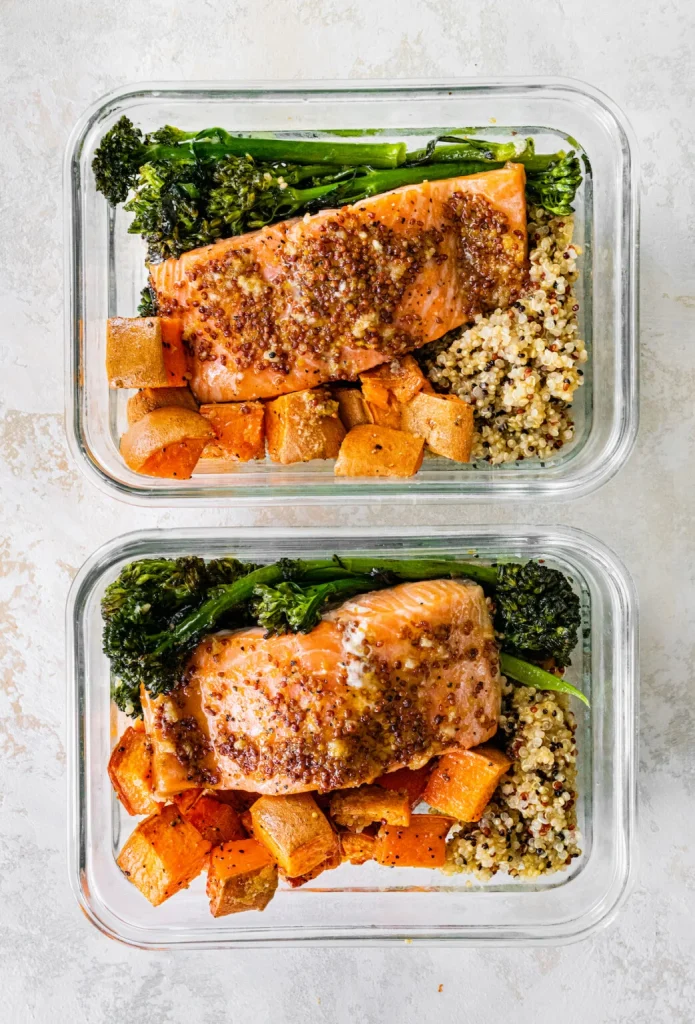
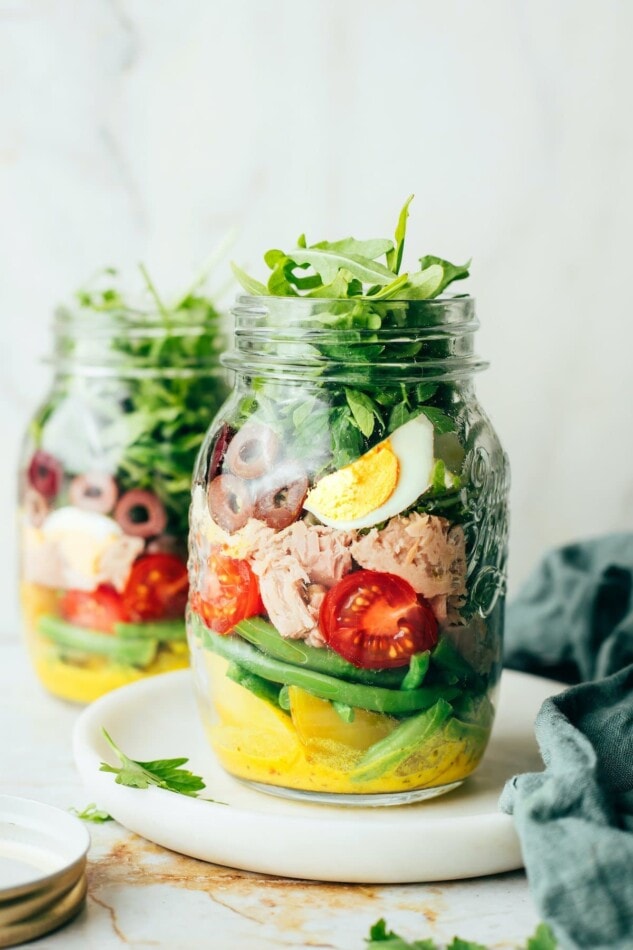
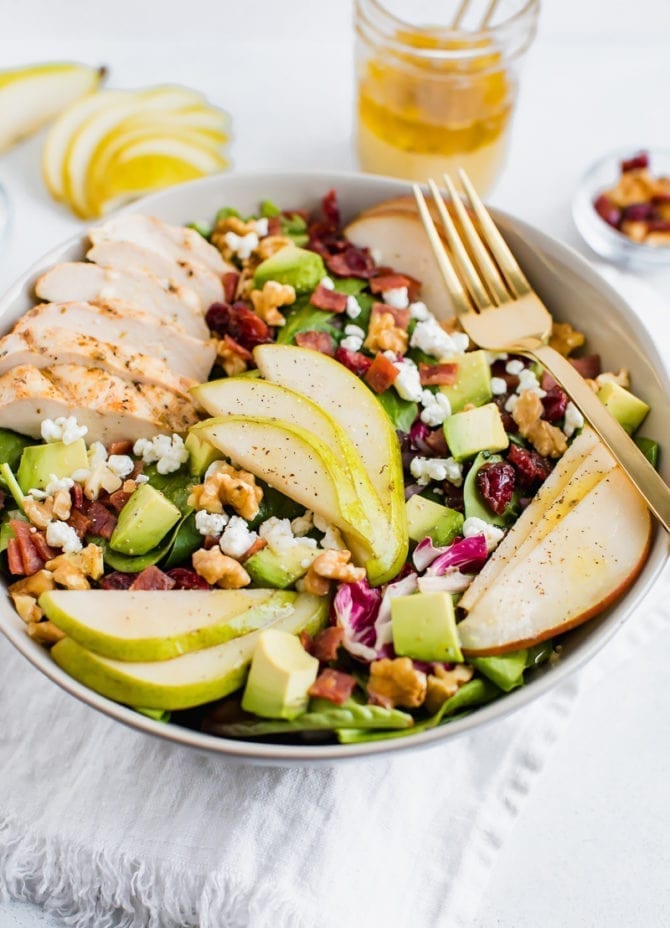
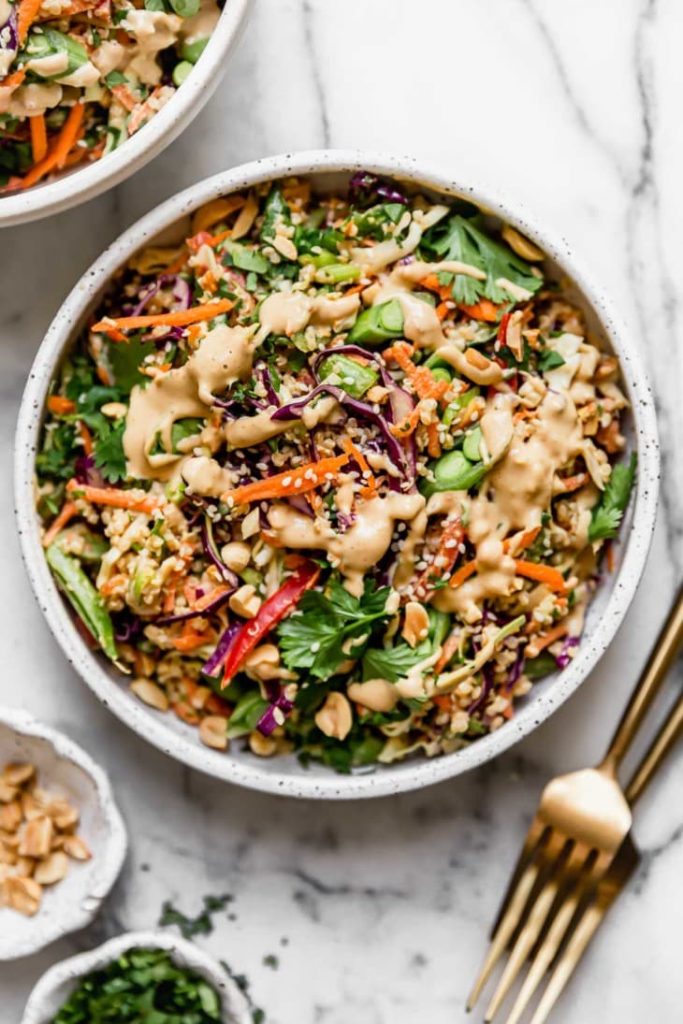
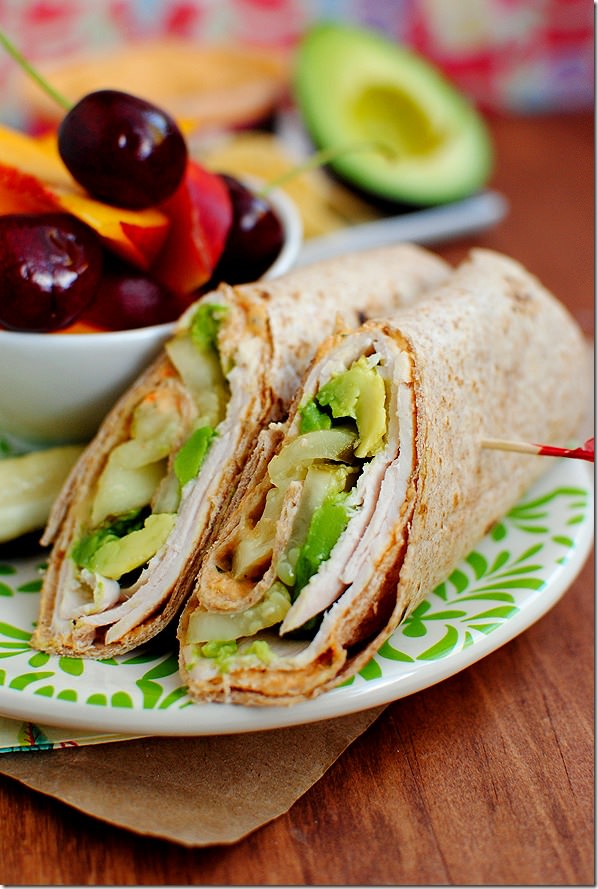
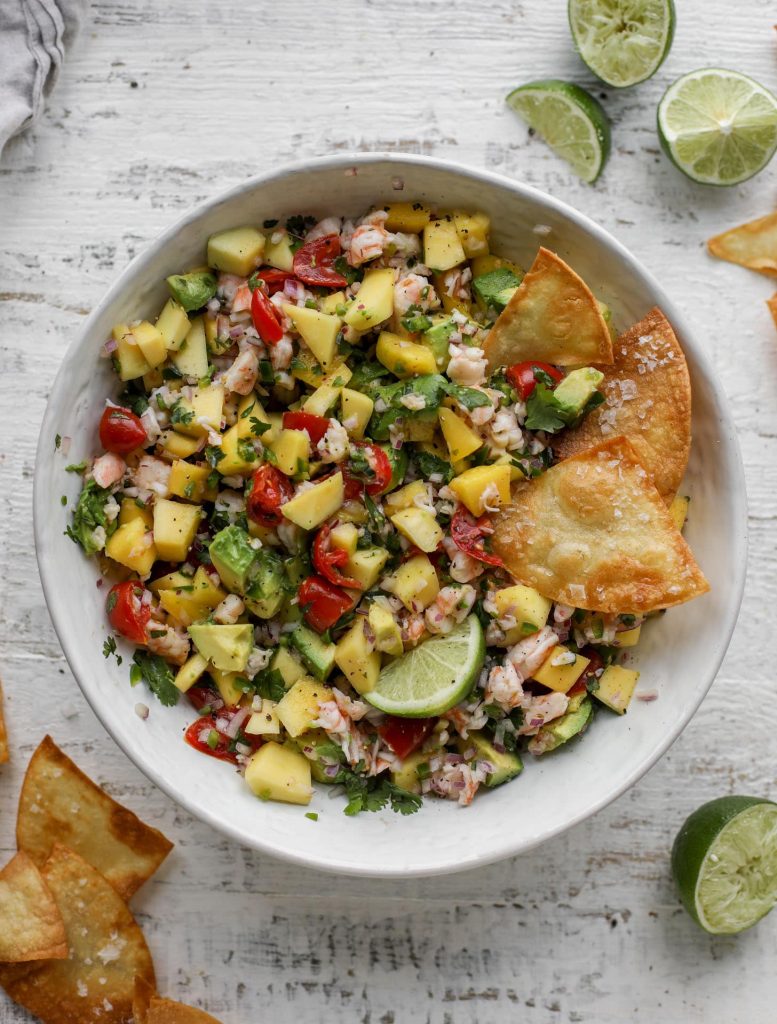
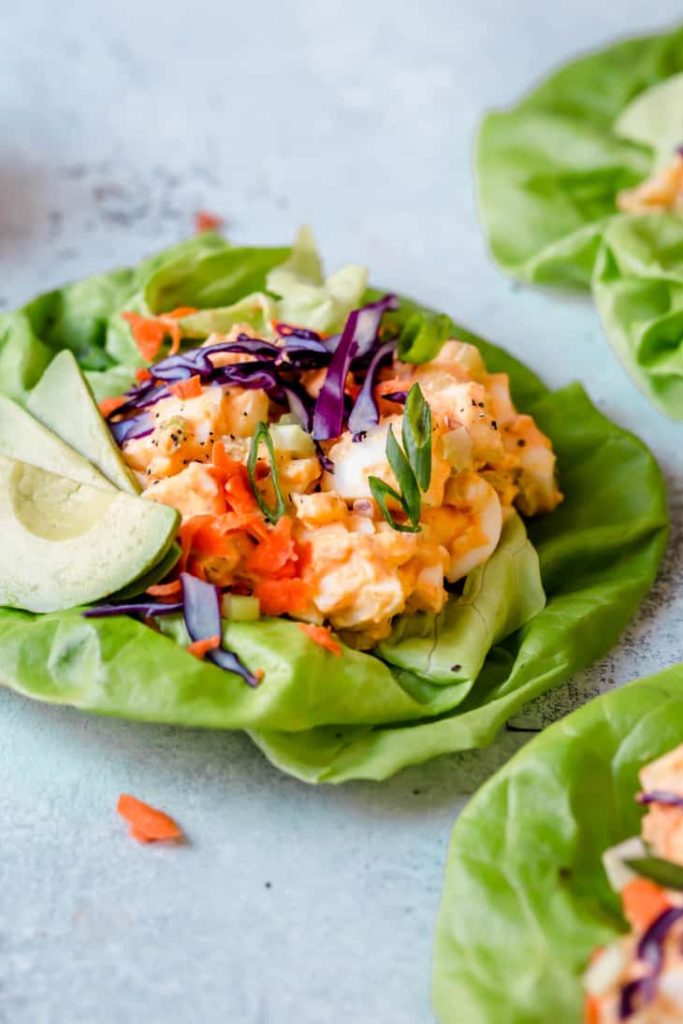
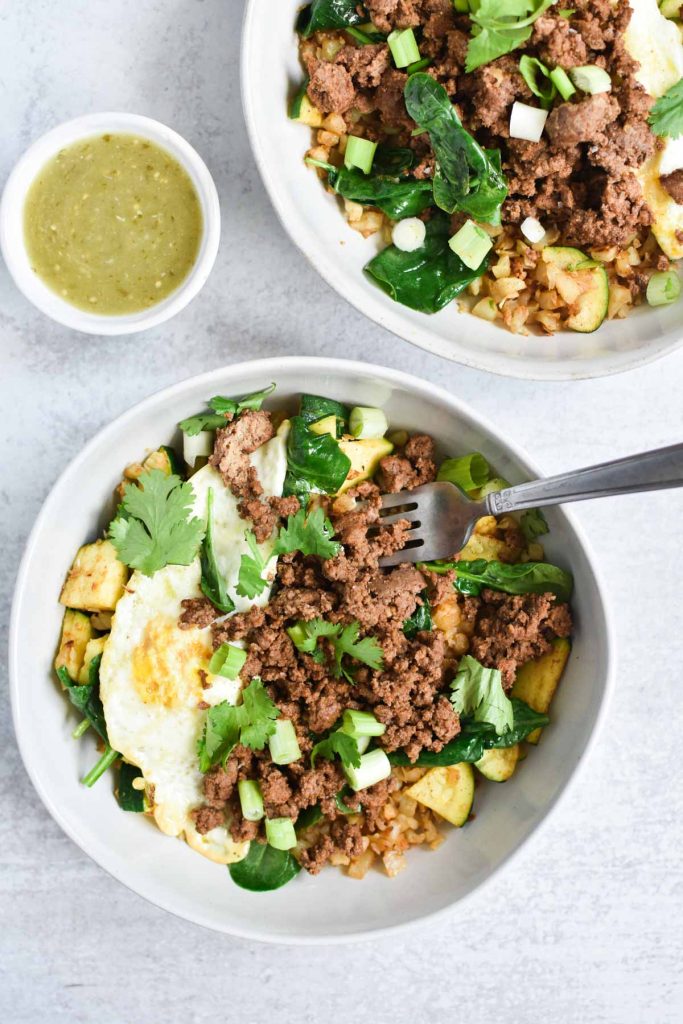
Let’s be honest—figuring out what to eat every night during the week can be stressful, especially when you’re juggling work and life. That’s why meal planning on Sundays is such a game-changer! By prepping your meals ahead of time, you’re less likely to eat out, which not only saves money but also helps you make healthier choices. Home-cooked meals typically have fewer additives and more nutrients, so your body will thank you.
Plus, think of how nice it will be to come home after a long day and know you already have a delicious, nourishing meal ready to go. It’s a small habit that can make your week feel so much smoother and stress-free.
2. Plan Your Week: Get Ahead and Stay Organized
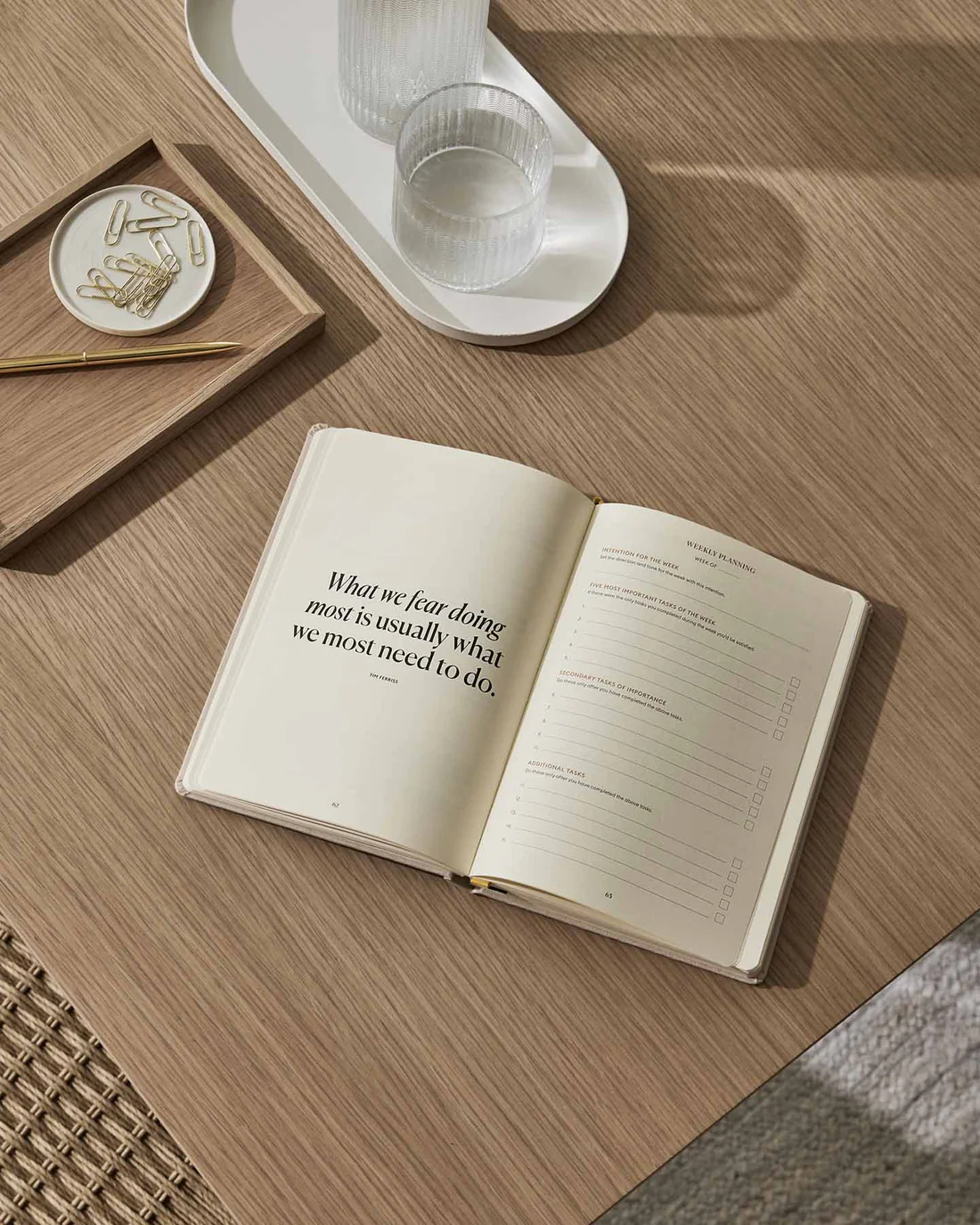
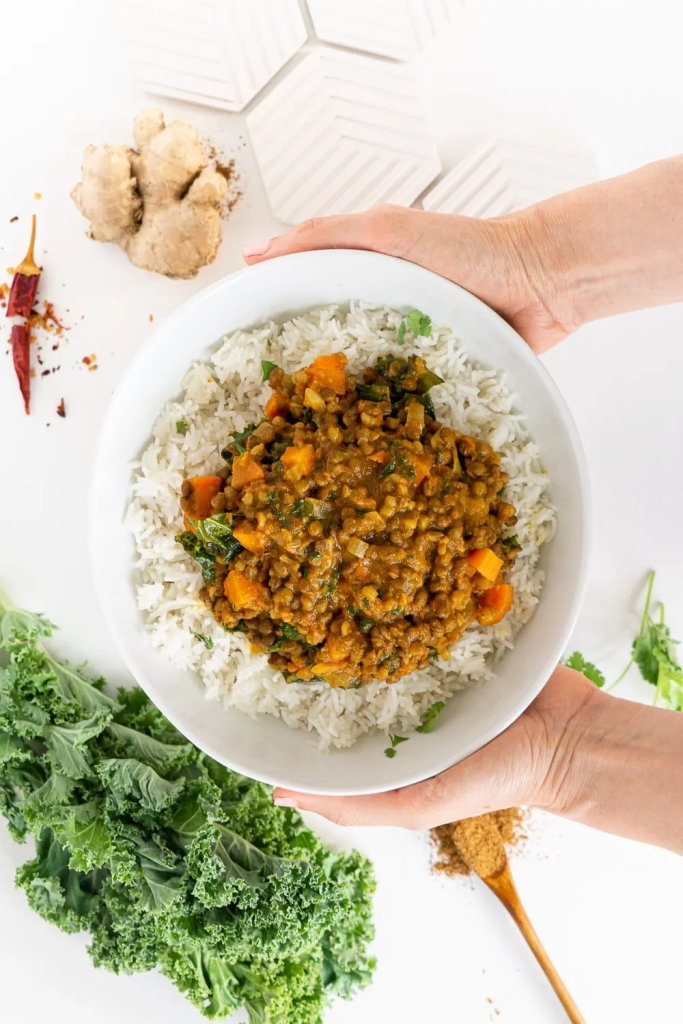
Photo // intelligentchange.com
I can’t tell you how much I love using a planner to map out my week (I’ll even link my favorite one for you!). Research shows that taking the time to plan your week helps reduce stress, boost productivity, and improve time management. When you set clear intentions for each day, you’re less likely to feel overwhelmed by your tasks.
It’s like giving yourself a roadmap for the week, so you’re not caught off guard by last-minute surprises. Whether it’s work meetings, fitness classes, or even a night out with friends, having everything laid out helps you make the most of your time.
3. Prioritize Your To-Do List: Sleep Better, Worry Less
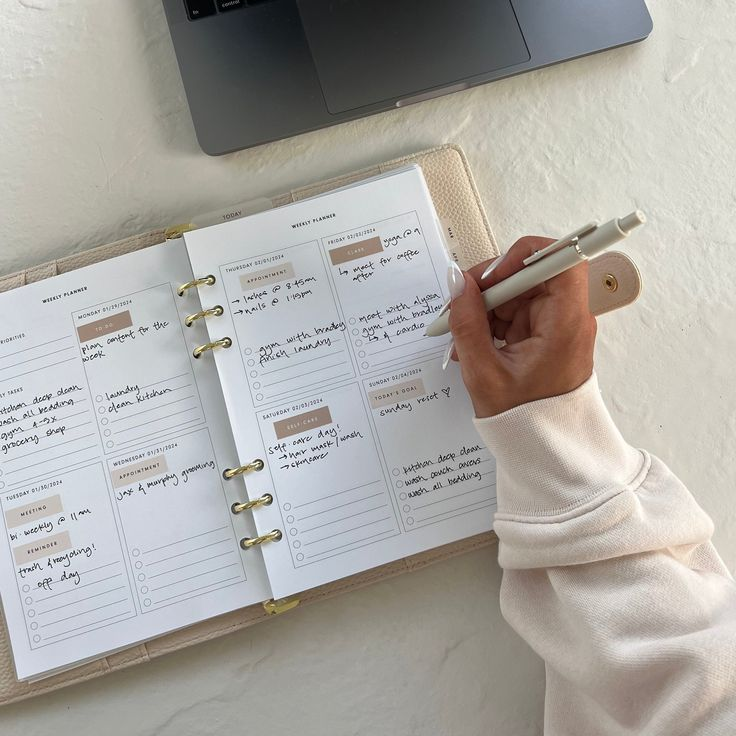
Pinterest // STIL
Writing out your to-do list might seem old-school, but it’s one of the most effective ways to stay productive. Start by prioritizing the most urgent tasks—the ones you absolutely can’t forget. Research suggests that getting tasks out of your head and onto paper can help reduce anxiety and even prevent insomnia. If you’re like me, you’ve probably found yourself lying in bed at night, running through everything you need to do the next day. Having a prioritized list can be a lifesaver because it gives you peace of mind knowing you won’t forget anything important.
Grab a productive planner and jot down your top tasks for the week. You’ll feel lighter and more in control.
4. Set Goals: Weekly, Monthly, and Beyond
Setting goals is one of the most powerful habits you can develop for a productive and fulfilling life. Whether it’s a small goal for the week, like completing a project at work, or a bigger goal, like planning a vacation, having something to work towards gives you direction and motivation. Studies have shown that people who set goals are more likely to achieve them and experience greater life satisfaction.
I love setting a few weekly goals that align with my bigger monthly or even yearly objectives. It’s so satisfying to check them off and see the progress you’re making. Plus, it gives you something to look forward to, like finally booking that trip you’ve been dreaming about!
5. Clear Your Space: Start Your Week Fresh
There’s no better feeling than waking up on Monday morning to a clean, clutter-free home. Take some time on Sunday to tidy up your living space, especially if you work from home. A clear desk leads to a clear mind, making it easier to focus and be productive throughout the week. Even a quick 20-minute declutter session can make a huge difference.
Trust me, it’s so worth it. You’ll feel refreshed and ready to tackle your tasks without the distraction of clutter. Plus, you get to enjoy that cozy, clean-home vibe!
6. Practice Self-Care: Make Time for What You Love
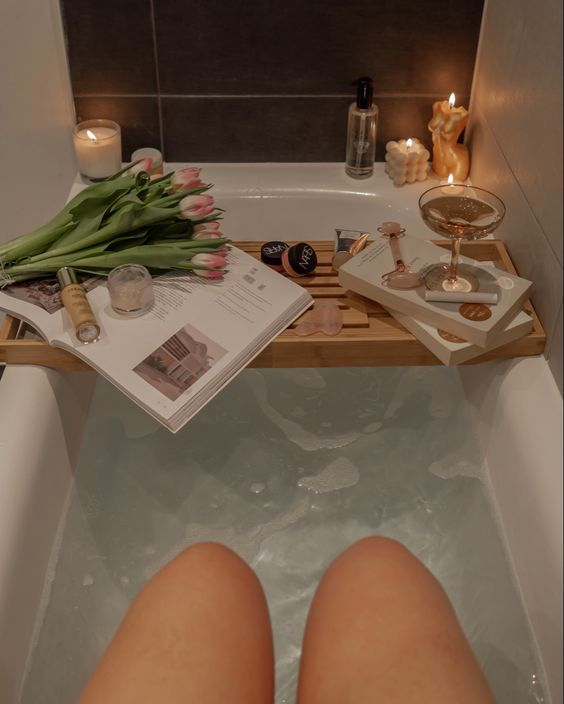
Sundays are all about self-care. It’s your time to unwind, pamper yourself, and recharge your batteries. Whether it’s taking a long bath, applying a face mask, going for a walk, or reading a book, do something that makes you feel good. Self-care is essential for your mental and physical health, and it helps you show up as your best self throughout the week.
Give yourself permission to take a break and do what makes you happy. You deserve it!
7. Reflect on Your Week: Celebrate Wins, Big or Small
Before the day ends, take a few minutes to reflect on the past week. What went well? What are you proud of? This small habit helps you celebrate your wins (no matter how small) and identify areas where you might want to improve. It’s a great way to wrap up your Sunday with gratitude and set positive intentions for the week ahead.
I hope these Sunday habits help you feel more prepared and excited for the week! Remember, a little planning and self-care can go a long way. Here’s to having an amazing, productive, and stress-free week ahead!
Wellness isn’t just about being free from illness; it’s about feeling vibrant and balanced in every part of life. It’s the little choices we make every day—nourishing food, good sleep, movement, and mindful moments—that help us show up as our best selves. Wellness is a journey, not a destination, and every step, no matter how small, brings us closer to feeling our healthiest, happiest, and most energized.
Below, you’ll find 8 simple wellness habits you can easily incorporate into your daily routine to feel more energized, balanced, and at your best!
1. Stress Management
Deep Breathing: Deep breathing is one of the quickest ways to calm your mind and body. Taking slow, deliberate breaths signals your nervous system to relax, easing tension and improving focus. Even just a few deep breaths during a busy day can make a world of difference.
Yoga and Meditation: Yoga and meditation are powerful for reducing stress and improving mental clarity. A short practice of mindful movement or quiet meditation each day can release tension, boost focus, and bring a deep sense of peace. Together, they offer a simple way to reconnect with yourself amid life’s busyness.
Spend Time on a Hobby: Doing something you love—like painting, gardening, cooking, or playing music—is an incredible way to unwind. Engaging in a hobby provides a mental escape from stressors, helps you relax, and brings a sense of joy and accomplishment.
Set Boundaries: Boundaries are key to managing stress and protecting your well-being. Try setting clear times to unplug from work, social media, or other stress-inducing activities. Taking breaks throughout the day and carving out time for yourself helps you recharge and approach tasks with a fresh perspective.
Practice Mindfulness: Mindfulness is all about being present in the moment. Taking a few minutes to notice your surroundings, tune into your breath, or appreciate a small moment of beauty can help ground you. Practicing mindfulness regularly can reduce stress, improve focus, and help you enjoy life’s little moments more fully.
2. Balanced Nutrition and Hydration
One of the most effective ways to support your wellness journey is through balanced nutrition and proper hydration. Think of it as fueling your body with everything it needs to thrive—energy, nutrients, and a sense of well-being. Here are some simple ways to make balanced eating and staying hydrated part of your everyday routine.
Plan and Prep Ahead: Busy days make it easy to reach for quick but less nutritious options. Set aside a little time each week to plan and prepare meals. Chop some veggies, portion out snacks, or make a big batch of grains or proteins. When your fridge is filled with healthy options, you’re far more likely to make nutritious choices without even thinking about it.
Fill Your Space with Healthy Choices: The food around you impacts what you eat, so try filling your pantry with nutritious options. By keeping wholesome foods like fresh fruits, nuts, and whole grains on hand, you’re less tempted to grab processed snacks. It’s a simple step that helps make healthy eating an effortless choice.
Start Your Day on a Refreshing Note: One easy habit to kickstart your day is to drink a glass of water, perhaps with a squeeze of lemon, or a small wellness shot if you like. This can help rehydrate your body after a night’s rest and gets your metabolism moving. Plus, it’s a refreshing way to start the day feeling energized.
Slown Down and Savor Your Food: How often do you eat on autopilot, barely tasting your food? Practicing mindful eating can be a game-changer. Take a moment to appreciate each bite—notice the flavors, textures, and how the food makes you feel. This simple habit can help you feel more satisfied, enjoy your meals, and avoid overeating.
3. Move Your Body
Staying active doesn’t mean you need to dive into intense workouts or sign up for a gym membership. Movement can be as simple as taking a 10-minute walk each day. Starting slow is perfectly okay—even a short daily walk can be a powerful habit to build.
Gradually, you can increase your time and aim for 10,000 steps a day, which many experts recommend for a healthy body. That might sound like a lot, but when you add movement in small doses—taking the stairs, walking around your home or office, doing a quick stretch between tasks—it quickly adds up.
Remember, you don’t need fancy equipment or a gym to keep active. You just need a commitment to moving a little more every day. Over time, these small steps can make a big difference for your physical health, energy levels, and even your mood.
4. Social Connections and Support
Maintaining meaningful social connections is essential for our well-being. As humans, we’re wired for connection, and having a support system can provide comfort, encouragement, and a sense of belonging. Here are some simple ways to nurture and strengthen those connections.
Reach Out Regularly: It doesn’t take much to stay connected with the people who matter. A quick text, a phone call, or a video chat can go a long way in showing you care. Set aside a few minutes each week to reach out to friends or family members, even if it’s just to check in or say hello. These small gestures keep relationships strong over time.
Plan Face-to-Face Time: Nothing replaces the power of in-person connection. Try to schedule regular meet-ups, whether it’s a coffee date, a weekend brunch, or a walk in the park. Spending time together in person deepens your bond and creates lasting memories that text messages can’t replicate.
Join a Group or Community: Whether it’s a hobby group, fitness class, or a local club, joining a community with shared interests can be incredibly fulfilling. It’s an easy way to meet new people, find a sense of belonging, and expand your support network. You may even discover new passions along the way!
Show Up for Others: Supporting others is just as important as receiving support. Offer a helping hand, listen when someone needs to talk, or celebrate their wins. Being there for friends and family not only strengthens your relationships but also brings a deep sense of purpose and fulfillment.
Create Your Own Rituals: Think of small traditions you can create with friends or family, like a monthly game night or a weekly call. Having regular rituals makes it easy to stay connected and gives everyone something to look forward to. These rituals don’t have to be elaborate—they’re simply ways to consistently show up for each other.
5. Prioritize Quality Sleep
A good night’s sleep is one of the most powerful tools for health and wellness. Quality sleep allows your body to recover, improves your mood, boosts focus, and keeps your immune system strong. Prioritizing rest doesn’t have to be complicated—small changes can make a big difference. Here are some tips to help you get the restful sleep you deserve.
Set a Consistent Sleep Schedule: Your body loves routine! Go to bed and wake up at the same time each day to regulate your body’s internal clock.
Create a Calming Bedtime Routine: Wind down with a relaxing ritual before bed to signal to your body that it’s time to rest. Wind down with relaxing activities like reading or a few minutes of deep breathing to prepare your body for sleep. Avoid screens if possible, as the blue light can interfere with your body’s production of melatonin, a hormone that promotes sleep.
Limit Stimulants in the Evening: Avoid caffeine and heavy meals close to bedtime to prevent sleep disruptions.
Keep Your Bedroom Cool and Cozy: Your sleep environment can make a big difference in how well you rest. Create a restful sleep environment with a cool, dark, and quiet bedroom.
Get Natural Light During the Day: Expose yourself to natural light during the day (like a few minutes outside each morning or working near a window) to support your body’s natural sleep-wake cycle.
Avoid Late-Night Stressors: Before bed, try to let go of any worries or stresses from the day. Jotting down any thoughts or tasks for tomorrow can help clear your mind. You might also try a short meditation or gratitude practice to shift your focus to positive thoughts before you sleep.
6. Gratitude Practice
Practicing gratitude is more than just a feel-good exercise; research has shown that it can significantly improve mental and physical well-being. When we focus on what we’re grateful for, we’re actively shifting our attention from stress or negativity to appreciation. This simple habit can enhance happiness, reduce stress, and even improve sleep.
Here are a few ways to bring more gratitude into your day:
Start a Gratitude Journal: Each day, write down three things you’re grateful for. They can be big or small—anything that brings a smile to your face. Over time, this habit can help train your mind to notice the positives.
Share Your Gratitude with Others: Let someone know when you appreciate them. A quick message, a thank-you note, or a heartfelt conversation can strengthen your relationships and boost their day, too.
Reflect on the Little Things: Pause during your day to notice small moments of beauty or joy—a warm cup of coffee, a sunny morning, or a friendly smile. Being mindful of these little things helps you see the good in everyday life.
End the Day with Gratitude: Before you go to sleep, reflect on something positive from your day. This calming practice can help you fall asleep with a peaceful mind, ready to embrace a new day with appreciation.
7. Connect with Nature
Spending time in nature is a powerful way to recharge and find balance. Just a few minutes outdoors each day can help us feel more grounded and connected to the world around us. Activities like walking barefoot on grass, sand, or soil—known as grounding—allow us to absorb the earth’s energy, which may help reduce stress and improve mood.
Whether it’s a quick walk in the park, watching the sunrise, or tending to plants, being in nature offers a break from daily routines and a chance to reconnect with ourselves. Embracing these small moments outdoors can bring a calming, restorative energy that supports both mental and physical well-being.
8. Personal Growth and Reflection
Take Breaks from Screens: Give your eyes and mind a rest by stepping away from screens regularly. This helps you stay present and keeps your mental energy fresh.
Learn Something New: Nourish your mind by reading, listening to a podcast, or picking up a new skill. It’s a small habit that keeps life interesting and meaningful.
End the Day with Reflection: Reflect on your day each evening. Think about what went well, what you’re proud of, and ways to improve tomorrow. This simple practice fosters growth and sets a positive tone for the next day.
Every few months, a wellness trend seems to take over social media—one minute, it’s bone broth; the next, it’s cycle syncing or sound therapy. The beauty and wellness world is constantly evolving, with practices like gua sha and other ancient remedies making their way back to the spotlight. Some of these methods are like classic jeans—timeless and here to stay!
While many of these trends are just that—trends—some might be worth incorporating into your lifestyle, especially if they truly benefit you. Wellness is personal, and what works wonders for one person might not resonate with another. It all depends on your unique health needs and what makes you feel balanced and energized. So, as we dive into the top wellness trends, remember: pick what works for you and enjoy the journey to feeling your best!
1. Castor Oil Packs
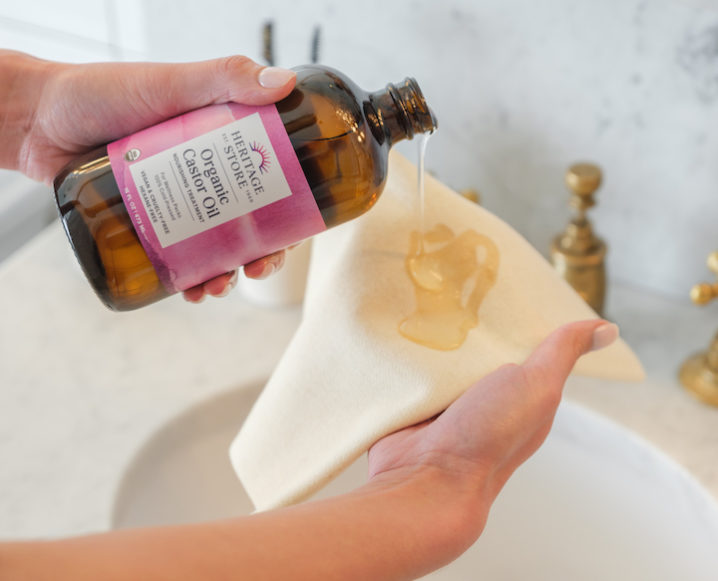
Castor oil packs are having a moment in wellness, especially on social media, where people rave about their range of benefits. But what exactly are they, and how do they work? Let’s start with the basics. A castor oil pack consists of just three simple ingredients: castor oil, a piece of cloth, and a heat source. Castor oil, which comes from castor beans, is widely available and can be purchased at most grocery stores, health food stores, and pharmacies.
Historically, castor oil has been used for centuries, celebrated for its versatility and healing properties. It’s been used as a natural remedy for digestive issues, like constipation and bloating, and even as a laxative. Beyond digestion, people have relied on castor oil for relieving arthritis pain, menstrual cramps, promoting wound healing, reducing headaches, and easing inflammation. Its reputation as a holistic remedy has only grown over time, leading to its current popularity in wellness communities.
So, how are castor oil packs believed to work? The magic lies in the oil’s rich content of ricinoleic acid, which makes up about 90% of castor oil. When a cloth soaked in castor oil is applied to the skin, it’s thought that this acid penetrates deeply, allowing the oil’s properties to take effect throughout the body. People use castor oil packs for detoxification, lymphatic drainage, reduced inflammation, pain relief, and improved circulation. While scientific research is still evolving, they remain a beloved option in natural health circles, especially for those looking to ease digestive discomfort, support liver health, or simply relax with a soothing ritual.
In short, castor oil packs are a simple, time-tested wellness method, and their rising popularity on platforms like TikTok shows they’re here to stay in the world of holistic health.
2. Infrared Sauna
The Ultimate Detox & Relaxation Therapy! If you’re looking for a way to relax, detox, and boost your overall well-being, an infrared sauna might just be your new favorite wellness ritual. Unlike traditional saunas that heat the air around you, infrared saunas use light waves to deeply penetrate your skin, promoting sweat-induced detoxification, muscle recovery, and improved circulation—all without the extreme heat.
Regular sessions can help reduce stress, ease sore muscles, support glowing skin, and even improve sleep quality. Plus, it’s a cozy way to warm up in the colder months while giving your body the deep reset it deserves. Whether you’re hitting up a wellness spa or investing in an at-home infrared blanket, this trend is here to stay.
Many wellness enthusiasts swear by infrared sauna therapy for its potential to support the lymphatic system, aid in weight loss, and enhance mood by releasing endorphins. The gentle heat helps promote relaxation, making it an excellent addition to a mindful self-care routine. If you’re looking for a wellness practice that feels both indulgent and beneficial, incorporating infrared sauna sessions into your week could be a game-changer.
3. Face Tapping
Face taping, also known as wrinkle taping, has become a popular wellness trend lately, especially on social media. The idea is simple: you apply tape or adhesive patches to areas prone to lines, like the forehead, under the eyes, or around the mouth, to temporarily lift and smooth the skin. People use everything from regular tape to specialized patches like Frownies and Sio Beauty, with some enthusiasts even swearing by the technique overnight for a wrinkle-smoothing effect.
Interestingly, face taping isn’t new. It’s been a backstage beauty trick for years, used by everyone from drag performers to Hollywood stars to create an instant facelift effect. Think of it like Spanx for your face—tape pulls the skin in certain directions to create a more lifted, taut look.
While face taping won’t permanently get rid of wrinkles, it can offer a temporary solution to smooth fine lines, especially if you want a quick fix before an event. Celebrities like Lady Gaga, Bella Hadid, and Chrissy Teigen have all been known to use it as part of their beauty prep. While it’s not a magic wrinkle eraser, it’s a fun, non-invasive option to add to your beauty routine for an instant lift.
4. Gua Sha
Gua Sha became a major wellness trend in 2021, with countless people embracing this traditional Chinese technique for its skin-sculpting benefits. Originating in ancient China, Gua Sha involves using a smooth-edged tool to gently scrape the skin, which helps release muscle tension, boost circulation, and support the body’s natural healing process. It’s one of the oldest healing practices, and today, it’s recognized for its powerful effects on skin health and radiance.
According to Jerry Lin, a traditional Chinese medicine practitioner, Gua Sha uses tools made from stone or metal, massaged in upward strokes on lubricated skin. This motion increases blood circulation, activates the lymphatic system, and disperses excess fluid, helping to reduce puffiness and inflammation. The result? A tighter, more sculpted look to the face. It’s important to use gentle pressure to avoid discomfort or bruising—done correctly, Gua Sha should feel soothing and relaxing.
Adding Gua Sha to your routine can be a simple yet effective way to boost your skin’s health. The massaging motion helps to clear toxins and promote fresh blood flow, which can aid in cell repair and regeneration. Savita, an expert in Gua Sha, notes that regular practice can even help reduce inflammation in acne-prone skin. Many enjoy doing Gua Sha in the morning to reduce puffiness in the cheeks and under-eyes, with visible results appearing immediately and long-term benefits achieved through consistent use.
5. Lymphatic Drainage Massage
Lymphatic drainage massage is a gentle yet powerful technique that goes beyond relaxation—it’s designed to help your body eliminatetoxinsand reduce inflammation. Unlike a typical massage, which focuses on muscle knots, lymphatic drainage works with your body’s natural detox system, guiding excess fluid and “waste” towards the lymph nodes for quick removal. This technique is particularly beneficial for those with lymphedema, a condition causing fluid buildup and swelling.
The benefits of lymphatic drainage are remarkable. Many people report feeling lighter and less bloated after a session, as it helps reduce water retention and puffiness. Beyond debloating, this massage can also contribute to smoother skin, helping to break down fat cells and target cellulite over time. The boost in circulation from the massage gives your skin a natural glow, and some even find their face looks more radiant due to the increased blood flow.
Whether you’re dealing with post-injury swelling or looking to enhance the results of a body-sculpting procedure, lymphatic drainage massage can be incredibly supportive. And on top of its detox benefits, it’s a relaxing experience that helps relieve tension, so you can leave your session not only feeling rejuvenated but also with a renewed sense of calm and well-being.
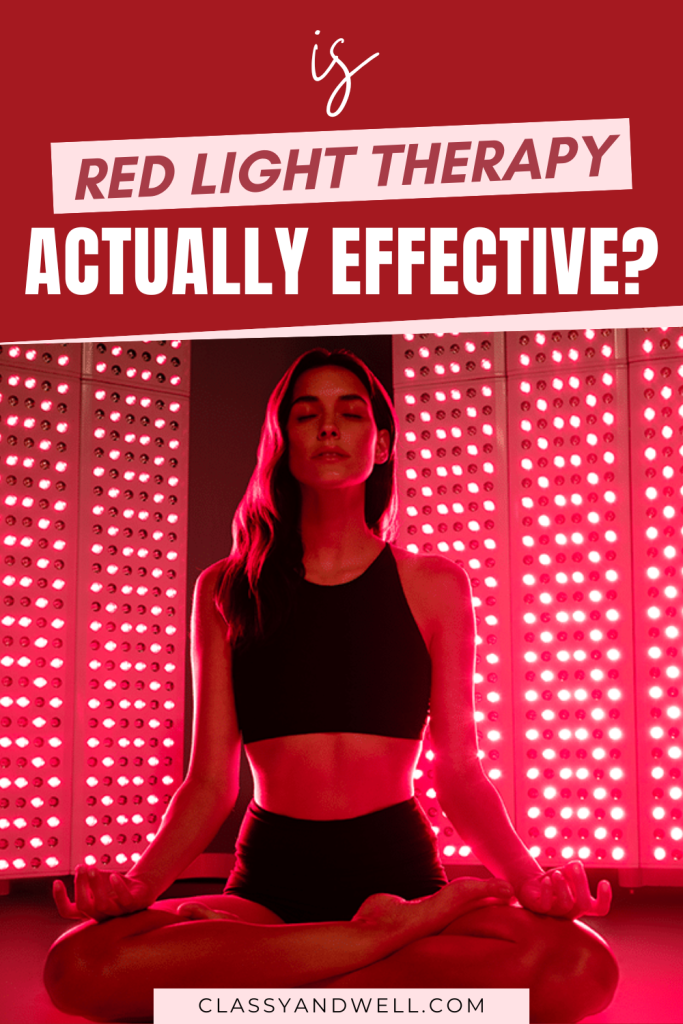
6. Red Light Therapy
Red light therapy has surged in popularity, and for good reason—this non-invasive treatment is gaining attention for its potential to support skin health, reduce inflammation, and even enhance relaxation. Originally seen mostly in professional clinics, red light therapy is now available in at-home devices, making it easier than ever to incorporate into your wellness routine. The therapy works by using low-level red or near-infrared light to penetrate the skin, stimulating the body at a cellular level and promoting regeneration and healing.
One of the standout benefits of red light therapy is its ability to boost collagen production, which can help firm and smooth the skin, reducing the appearance of wrinkles and fine lines over time. The therapy is also celebrated for its anti-inflammatory effects, which may ease joint pain, soothe skin irritations, and support muscle recovery. Many people find it’s a natural way to give skin a fresh glow, as red light stimulates blood circulation and encourages healthier cell function. Additionally, red light therapy is believed to help balance mood and reduce stress, making it a great option for those looking to enhance both physical and mental wellness.
Whether you’re looking for a skincare boost, relief from aches, or a way to unwind, red light therapy is a versatile addition to any wellness routine. With consistent use, it can become an effective part of your self-care regimen, offering benefits that support both inner and outer health.
If you want to learn more about red light therapy, click here.
7. Ice Baths
Ice baths, also known as cold plunges, have become one of the hottest wellness trends (ironically!) for their rejuvenating effects on the body and mind. The concept is simple: immersing yourself in icy water, typically around 50°F (10°C) or lower, for a few minutes. While it may sound intense, the benefits are well worth it, and more people are trying cold plunges as part of their wellness routines.
One of the biggest benefits of cold plunges is reduced inflammation and faster muscle recovery, making them popular among athletes and fitness enthusiasts. The cold water helps to constrict blood vessels, reducing swelling and soreness in the muscles after a tough workout. Cold plunges are also known to improve circulation, as the sudden chill stimulates blood flow once you step out, promoting better overall cardiovascular health.
Beyond physical benefits, ice baths can have a big impact on mental resilience and stress reduction. Many who practice cold plunging regularly report a natural boost in energy and mood, thanks to the endorphins released as the body adapts to the intense cold. It’s a quick, natural way to reset your mind, build mental toughness, and bring a refreshing jolt to your day. Whether you’re looking to boost recovery, elevate your mood, or simply challenge yourself, ice baths might be the ultimate cool-down for mind and body wellness.
8. Cycle Syncing
Cycle syncing has become a wellness game-changer for women, aligning diet, exercise, and lifestyle choices with the natural phases of the menstrual cycle. The idea behind cycle syncing is to work with your body’s hormonal fluctuations instead of pushing against them, allowing you to feel more in tune with your energy levels, moods, and physical needs. Each phase—menstrual, follicular, ovulatory, and luteal—has its own characteristics and requires unique support for optimal wellness.
During the menstrual phase, rest and nourishment are key. Women often benefit from gentle exercises like yoga or stretching and nutrient-dense foods rich in iron. As the body transitions into the follicular phase, energy tends to rise, making it a great time for cardio and creative pursuits. The ovulatory phase is typically when energy peaks, so this is the ideal time for high-intensity workouts and social activities, as well as foods rich in antioxidants to support skin and hormonal health. Finally, in the luteal phase, focusing on complex carbs and stress management can help stabilize mood and reduce PMS symptoms.
By syncing daily habits with these phases, many women find they have better energy, reduced PMS, and an overall sense of balance and well-being. It’s an empowering approach to wellness that encourages listening to your body and supporting it naturally throughout the month.
9. Skin Cycling
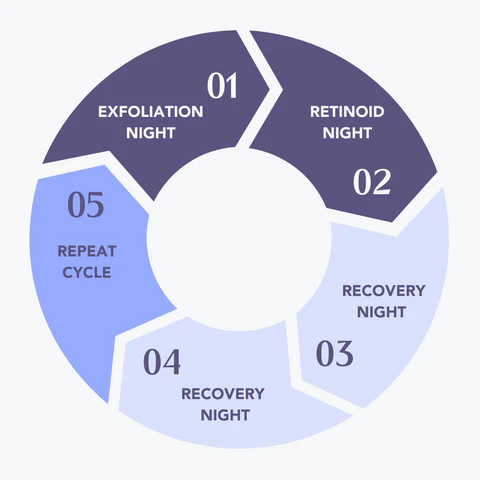
Skin cycling has quickly become a favorite skincare routine for those looking to balance powerful active ingredients with gentler care. This method typically follows a four-night cycle: the first night focuses on exfoliation to remove dead skin cells, allowing for better product absorption. The second night incorporates retinoids, which help promote cell turnover, reduce fine lines, and even out skin tone. On the following two nights, the skin goes into recovery mode, where only hydrating and nourishing products are used to repair and strengthen the skin barrier.
The beauty of skin cycling is its adaptability—it allows people to incorporate potent ingredients without overwhelming or irritating the skin. By spacing out exfoliation and retinoid use, skin cycling minimizes common side effects like redness and dryness, especially for those new to these ingredients or with sensitive skin. Dermatologists love this approach because it makes it easier for people to stay consistent with their skincare routine without the risk of over-exfoliating or overloading the skin.
This routine has resonated on platforms like TikTok because it’s simple, effective, and can be tailored to individual needs. Skin cycling not only enhances product results but also offers a realistic, sustainable way to care for your skin, leaving it looking refreshed, balanced, and healthier over time.
10. Sound Therapy
Sound therapy, particularly in the form of a “sound bath,” has gained popularity as a wellness trend for its calming, immersive experience. Unlike a typical concert or playlist, a sound bath doesn’t involve catchy tunes or rhythms. Instead, it surrounds you with resonant sound waves from instruments like crystal singing bowls, tuning forks, chimes, gongs, and drums. The idea is to create a soundscape that helps listeners drift into a meditative state, promoting relaxation and balancing their energy.
In a typical sound bath session, participants lie down on a mat or sit comfortably while they’re “bathed” in these soothing sounds. The experience often takes place in a group setting, but it can also be done solo at home. Proponents believe that sound baths can relieve stress, help people process emotions, and even support spiritual practices like chakra balancing, where sound is thought to unblock energy centers in the body.
Research on sound therapy is still developing, but some studies have shown promising effects. For example, in a 2020 study, participants in a 40-minute sound bath reported a decrease in negative mood and an increase in positive emotions. Another study from 2018 found that patients listening to singing bowls before surgery experienced reduced anxiety compared to those who wore silent headphones. While more research is needed, these early findings suggest that sound therapy may have real benefits for mental well-being, offering a unique way to alleviate anxiety, reduce pain, and improve mood.
11. Focusing on Gut Health
Getty Images
Gut health has become a central focus in wellness as more and more studies reveal its profound impact on overall health. Research in recent years has linked poor gut health not only to digestive issues but also to a surprising range of conditions, from autoimmune diseases to mental health challenges. In 2023 alone, thousands of studies were published exploring the gut’s role in immunity, inflammation, and even anxiety disorders. For example, one study discovered that people with social anxiety disorder often have distinct gut microbiomes compared to those without, underscoring the connection between gut health and mental well-being.
This growing understanding has led many to explore ways to heal their gut, especially those who have been previously diagnosed with conditions like IBS but may, in fact, be dealing with gut imbalances. Healing protocols often include gut-nourishing foods like bone broth, rich in collagen and amino acids that support gut lining integrity, along with fermented foods and prebiotic fiber. Additionally, lifestyle shifts—such as managing stress and getting adequate sleep—play crucial roles in restoring gut balance.
With about 70% of our immune system residing in the gut, maintaining a healthy microbiome is essential for immune function and inflammation regulation. As we continue learning about the gut’s role in everything from mood to immunity, prioritizing gut health is becoming a foundational part of many people’s wellness journeys.
Check out this ourblog post for a one-week meal plan (with recipes) focused on gut health.
12. Vague Nerve Stimulation
The vagus nerve is generating major buzz in the wellness world, and for good reason. This essential cranial nerve acts as a powerful connector between our brains and bodies, helping regulate our stress response. When we feel threatened or stressed, the body’s “fight-or-flight” mode kicks in, controlled by the sympathetic nervous system. Stimulating the vagus nerve, however, can help us unwind, counteracting this response and creating a calming effect.
Interestingly, you don’t need fancy equipment to engage the vagus nerve—simple activities like deep breathing, mindfulness, humming, and even laughing can activate it. This natural approach is becoming popular for its ability to bring a sense of calm and balance. With over 55 million views for the hashtag “vagus nerve stimulation” on TikTok, it’s clear people are turning to this accessible trend to boost their overall well-being.
Red light therapy has been making waves in the skincare and wellness world, especially in recent years as more research highlights its potential benefits. While originally only available in clinics, where treatments are highly effective and well-regarded, at-home red light devices now offer a more budget-friendly and convenient way to incorporate LED into daily routines.
Consistent use at home can bring impressive, long-term skin benefits, making it an appealing option for those looking to elevate their skincare game. However, red light therapy works best as an enhancement to a solid skincare regimen rather than a replacement. Paired with a well-rounded routine, red light therapy can amplify results, giving skin a boost in radiance and resilience. Although the growing popularity is backed by promising studies, further research will continue to shed light on its full potential and applications.
Let’s dive into what red light therapy can—and can’t—do for your skincare and wellness goals.
Mike Garten
What is Red Light Therapy?
Red light therapy is a treatment that uses low-level red or near-infrared light, typically between 630-700 nm, to penetrate the skin safely and deeply. Unlike UV light, which can harm the skin, red light works through a process called photo-biomodulation, energizing the cells without causing any damage. Often available in medi-spas and at-home devices, it’s a non-invasive approach commonly paired with other skin treatments like microneedling or chemical peels for enhanced results.
What Are the Benefits of Red Light Therapy?
Reduces Skin Inflammation: Consistent red light exposure helps decrease inflammation in the skin, calming redness and irritation, and creating a more even complexion.
Boosts Collagen Production: Red light stimulates collagen synthesis in the deeper layers of the skin, which can help improve firmness, reduce wrinkles, and support smoother skin texture over time.
Improves Skin Texture and Reduces Wrinkles: By enhancing collagen density and reducing fine lines, red light therapy works to rejuvenate the skin, promoting a youthful and radiant appearance.
Treats Hair Loss and Supports Hair Growth: For those with conditions like androgenic alopecia, red light therapy has shown promise in encouraging hair regrowth and increasing hair density.
Aids in Scar and Acne Reduction: Red light’s regenerative effects extend to scarring and acne, where it helps repair damaged skin cells and may even reduce acne scars when paired with a solid skincare routine.
Supports Healing and Reduces Pain: Near-infrared light penetrates deeply to relieve pain and soreness by reducing inflammation in targeted body areas. It can even aid in tissue repair and healing in deeper layers of the skin and muscles.
May Aid in Managing Certain Skin Conditions: Red light therapy is used to support treatments for conditions like rosacea, psoriasis, and eczema by reducing inflammation and promoting healthier skin.
Improves Circulation: By increasing blood flow to treated areas, red light therapy helps nourish skin cells and remove toxins, supporting overall skin health and vitality.
Can Enhance Recovery from Injury or Strain: Phototherapy has also been used to reduce pain and inflammation in tendons, muscles, and joints, providing relief in conditions like carpal tunnel syndrome and other inflammatory injuries.
Red light therapy is a versatile option with benefits across skincare, pain management, and even hair health, making it a well-rounded addition to wellness routines.
Westend61 / Getty Images
Where to get Red Light Therapy?
Red light therapy is available in various places, including some tanning salons, gyms, and local day spas, where treatments can help reduce signs of aging and improve skin tone. You can also find FDA-approved red light therapy devices online for at-home use, offering convenience if you want to incorporate regular sessions without frequent trips to a clinic.
While clinic-based treatments tend to be the most effective, as the equipment is often more powerful and efficient, they are also generally the most expensive option. It’s wise to speak with a healthcare professional before beginning red light therapy, especially since results may take multiple sessions. A doctor can also help you create a treatment plan tailored to your needs, optimizing the benefits you get from each session.
How Often Should Red Light Therapy be Used?
Getty Images
The frequency of red light therapy sessions largely depends on the type of device you’re using and the specific area you’re treating. Professional devices are generally more powerful, often requiring fewer sessions to produce noticeable results. For at-home devices, dermatologists typically recommend choosing FDA-cleared options for optimal safety and effectiveness. Regular, consistent use—daily or around 3-4 times per week—is generally ideal over at least six weeks to start seeing changes, while up to three months of regular sessions may be needed for more significant skin-firming effects.
Generally, most people find 2-3 sessions per week beneficial, though the exact frequency can vary based on the condition being treated. It’s always a good idea to consult with a healthcare professional before starting red light therapy to ensure the best approach for your needs.
How Long Does it Take to See Results from Red Light Therapy?
Red light therapy offers varying timelines for results depending on the benefits you’re looking to achieve. For example, while it may take a few months for significant improvements in collagen production and reduced signs of aging, it can calm inflammation even after a brief 10-minute session, which is the typical dermatologist-recommended duration. Many people also report a sense of relaxation or well-being immediately after their first session due to increased blood flow and endorphin release, although visible changes aren’t always apparent right away.
In the short term, you might start to see benefits like a more even skin tone or reduced inflammation within one to two weeks with consistent use. This is often when users begin to notice a slight improvement in skin texture and firmness as collagen production ramps up. However, for deeper effects—whether it’s relieving chronic pain or addressing persistent skin issues—consistent therapy over four to twelve weeks is generally needed. This timeline allows your body to fully harness the cellular stimulation that promotes healing and regeneration.
Remember, consistency is key with red light therapy, and multiple weekly sessions initially can optimize results based on your goals. Individual responses vary, so factors such as treatment goals, frequency, and even overall health and lifestyle habits (like diet and hydration) can influence the speed of results.
How to Find the Best Red Light Therapy?
If you’re thinking about trying red light therapy, choosing the right device can make a huge difference. It’s essential to look at features like wavelength, power output, and the device’s coverage area. For optimal skin rejuvenation, devices with wavelengths between 630 and 850 nanometers are generally ideal since these provide the best skin penetration. And, of course, checking that the device has FDA clearance can add peace of mind, ensuring it meets safety and effectiveness standards.
You’ll find three main types of red light therapy devices: red light, near-infrared light, and a combination of both. While red light focuses more on the surface, making it great for issues like acne and minor wounds, near-infrared light reaches deeper into the skin and is excellent for treating muscles, joints, and even bones. You won’t actually see infrared light, but your skin will feel the heat, showing it’s working deeper. Each type of light has unique benefits, so think about whether you’re primarily targeting skin issues or deeper tissue needs.
If you’re looking for a device that can cover all bases, a combination unit could be your best option. This allows you to treat both surface and deeper layers, so you can enjoy a broader range of benefits without needing multiple devices. Overall, finding the best red light therapy device for you involves understanding what your skin and body need most and ensuring the device is safe, effective, and well-suited to those goals.
Are There Any Risks With Red Light Therapy?
Red light therapy does come with some potential risks and downsides. Using the device for more than 30 minutes or with damaged parts can lead to burns or blisters, so it’s crucial to stick to recommended session times and check that the device is in proper condition before each use.
Another consideration is eye safety. Keeping your eyes closed during sessions is crucial, as direct exposure to red light could potentially harm them. Additionally, your device should never produce heat. If you notice it becoming warm, it could stimulate melanin production, especially in individuals prone to hyperpigmentation, leading to uneven skin tone or dark spots.
For those with conditions or medications that increase sensitivity to light, consulting with a healthcare provider is recommended before starting red light therapy. Not all devices are created equal, and doing your research is key; be sure to choose a reputable device with the correct wavelengths to achieve the desired results safely. Overall, while generally safe and low-risk, using red light therapy with these precautions can help you enjoy its benefits more effectively and safely.
Who Should Not Use Red Light Therapy?
While red light therapy is generally safe and suitable for most people, certain individuals should exercise caution or avoid it altogether. Those with photosensitivity disorders, such as lupus, or individuals taking medications that increase sensitivity to light, like some antibiotics or acne treatments, may experience adverse reactions and should consult a healthcare provider before use.
Pregnant individuals or those with active skin cancers should also avoid red light therapy, as its effects on these conditions are not fully understood. Additionally, if you have a history of seizures triggered by light or a severe medical condition, it’s best to get medical clearance before trying red light therapy. Consulting a healthcare provider is always recommended to ensure the treatment is safe and appropriate for your specific health needs.
Takeaway
Red light therapy has attracted considerable media attention for its potential to address a variety of health and skin concerns, such as wrinkles, acne, hair loss, and rheumatoid arthritis, though more research is ongoing. While at-home devices like masks and wands offer convenience, treatments in a clinical setting tend to be more powerful and may provide more noticeable results. Before beginning red light therapy, especially for specific symptoms, it’s wise to consult a doctor who can help determine the best approach. Although it can be an investment, red light therapy is generally safe and may be an effective noninvasive treatment option.
Disclaimer: All content found on the classyandwell.com were created for informational purposes only. The information provided in this blog are based on my personal experiences and research. The content is not intended to be a substitute for professional medical advice, diagnosis, or treatment.
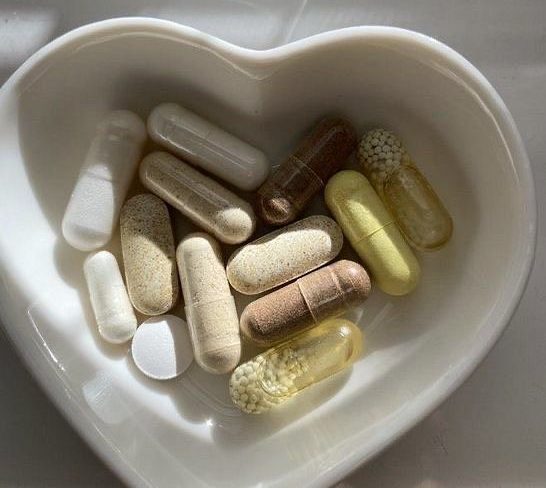
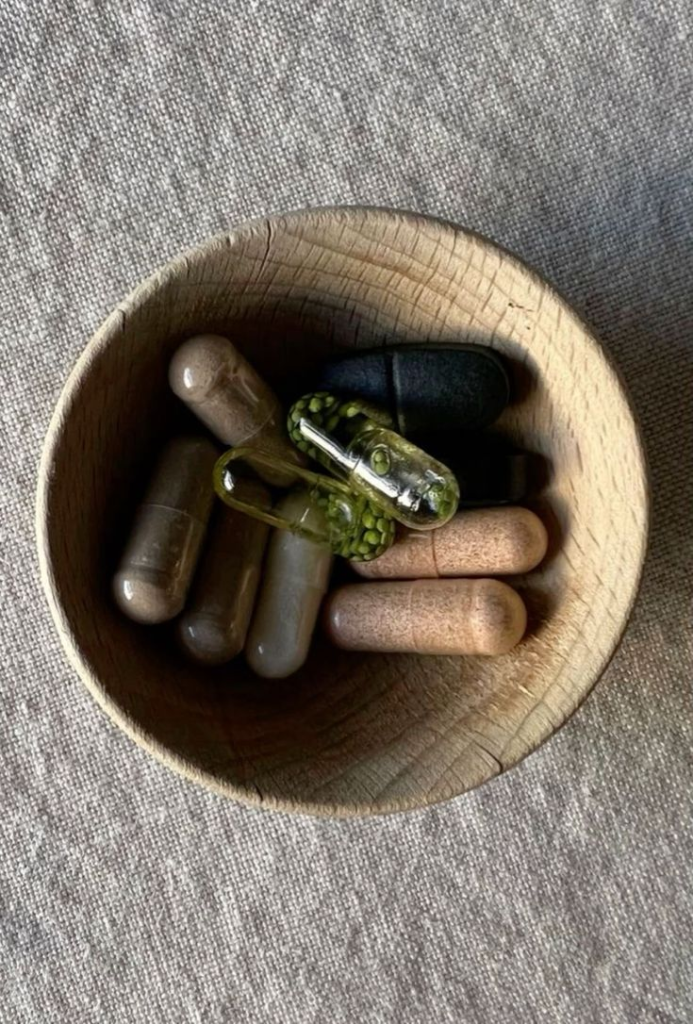
If you’re managing PCOS, you know how challenging it can be to find the right balance, but adding a few key supplements to your routine could make a world of difference in supporting your hormonal health and overall well-being.
Polycystic ovarian syndrome (PCOS) is a metabolic and hormonal condition affecting 4 to 20% of women during their reproductive years and often goes undiagnosed. It is characterized by irregular periods, acne, excessive hair growth (hirsutism), and weight gain. It is also a common cause of infertility. PCOS can significantly impact quality of life and increase the risk for type 2 diabetes, hypertension, and heart disease, among other health problems.
Polycystic ovary syndrome (PCOS) cannot be cured, but the symptoms can be managed with the right supplements and lifestyle. The right supplements and treatment options can vary because someone with PCOS may experience a range of symptoms, or just 1 and it depends on the type of PCOS.
Symptoms
Symptoms of PCOS often start around the time of the first menstrual period. Sometimes symptoms develop later after you have had periods for a while.
What are the three symptoms to diagnose PCOS?
Typically, healthcare providers diagnose PCOS if you have at least two of the three symptoms:
Irregular or missed periods. Some people with PCOS have very heavy bleeding when they do have a period.
Signs of excess androgens such as acne or excessive hair growth. Or a blood test confirming high androgen levels.
Enlarged ovaries or polycystic appearance of ovaries on ultrasound. Many people don’t develop cysts.
The most common signs and symptoms of PCOS include:
Irregular periods: Abnormal menstruation involves missing periods or not having a period at all. It may also involve heavy bleeding during periods.
Abnormal hair growth: You may grow excess facial hair or experience heavy hair growth on your arms, chest and abdomen (hirsutism). This affects up to 70% of people with PCOS.
Acne: PCOS can cause acne, especially on your back, chest and face. This acne may continue past your teenage years and may be difficult to treat.
Obesity: Between 40% and 80% of people with PCOS have obesity and have trouble maintaining a weight that’s healthy for them.
Darkening of the skin: You may get patches of dark skin, especially in the folds of your neck, armpits, groin (between the legs) and under your breasts. This is known as acanthosis nigricans.
Cysts: Many people with PCOS have ovaries that appear larger or with many follicles (egg sac cysts) on ultrasound.
Skin tags: Skin tags are little flaps of extra skin. They’re often found in your armpits or on your neck.
Thinning hair: People with PCOS may lose patches of hair on their head or start to bald.
Infertility: PCOS is the most common cause of infertility in people AFAB. Not ovulating regularly or frequently can result in not being able to conceive.
Causes
The exact cause of PCOS isn’t known. Factors that might play a role include:
Higher levels of male hormones called androgens: High androgen levels prevent your ovaries from releasing eggs, which causes irregular menstrual cycles. Irregular ovulation can also cause small, fluid-filled sacs to develop on your ovaries. High androgen also causes acne and excess hair growth in women and people AFAB.
Insulin resistance: An increase in insulin levels causes your ovaries to make and release male hormones (androgens). Increased male hormones suppress ovulation and contribute to other symptoms of PCOS. Insulin helps your body process glucose (sugar) and use it for energy. Insulin resistance means your body doesn’t process insulin correctly, leading to high glucose levels in your blood. Not all individuals with insulin resistance have elevated glucose or diabetes, but insulin resistance can lead to diabetes. Having overweight or obesity can also contribute to insulin resistance. An elevated insulin level, even if your blood glucose is normal, can indicate insulin resistance.
Low–grade inflammation: People with PCOS tend to have chronic low-grade inflammation. Your healthcare provider can perform blood tests that measure levels of C-reactive protein (CRP) and white blood cells, which can indicate the level of inflammation in your body.
Management and Treatment
Some treatment options for PCOS include hormonal birth control, insulin-sensitizing medicine (e.g., Metform), medications to block androgens, and lifestyle changes.
In this post, we will strictly discuss ways to treat or help manage the symptoms of PCOS with supplements and vitamins.
Inositol
Inositol is a great supplement for managing PCOS because it helps improve insulin sensitivity, which is a common issue for many women with this condition. By balancing insulin levels, inositol can help regulate hormones, making it easier to manage symptoms like irregular periods, weight gain, and even acne. It’s also been linked to improvements in fertility, making it a helpful option for women trying to conceive. Many women find that inositol is a more natural way to support their overall hormonal health without the need for medication.
Berberine
Berberine is another supplement that helps improve insulin sensitivity. It is sometimes touted as a “natural” Ozempic (the drug being prescribed for diabetes and now weight loss) due to its effect on blood glucose levels. Research shows that berberine can help lower fasting glucose, post-meal glucose, hemoglobin A1c, and even LDL and triglyceride levels in those with type 2 diabetes. This may be an important consideration for those with insulin-resistant PCOS.
Note that berberine may cause gastrointestinal discomfort for some people and has several drug interactions. Also, it’s not recommended to take it if you are pregnant or breastfeeding.
Spearmint
Spearmint is a popular natural remedy for women with PCOS, especially for managing hormonal imbalances. It’s particularly effective at reducing androgen levels, which are often elevated in women with PCOS and can cause symptoms like excessive hair growth (hirsutism) and acne. Drinking spearmint tea or taking spearmint supplements can help reduce these symptoms by lowering testosterone levels. Additionally, spearmint has anti-inflammatory properties and may support better digestion, which is beneficial for overall health and managing PCOS symptoms. Many women find spearmint to be a gentle, natural way to improve hormone balance without the need for medications.
Vitamin D
Vitamin D is another valuable supplement for women with PCOS. It plays a key role in hormone regulation, and many women with PCOS are found to be deficient in it. Adequate levels of vitamin D can help improve insulin sensitivity, support regular menstrual cycles, and may even improve mood and energy levels, which can sometimes be affected by PCOS. Additionally, vitamin D is important for bone health and immune function, making it a great all-around supplement for supporting overall well-being in those managing PCOS.
N-Acetyl-Cysteine (NAC)
N-Acetyl-Cysteine (NAC) is a powerful supplement for women with PCOS due to its antioxidant and insulin-sensitizing properties. NAC helps reduce inflammation and oxidative stress, which are common in women with PCOS. It also plays a role in improving insulin resistance, making it easier to manage symptoms like weight gain and irregular periods. Additionally, NAC can support fertility by helping to regulate ovulation, and it may also help lower androgen levels, reducing symptoms like acne and excessive hair growth. It’s a natural, supportive option for balancing hormones and improving overall metabolic health in women with PCOS.
Carnite
Carnitine, often referred to as L-carnitine, is another helpful supplement for women with PCOS, especially for managing metabolic issues. It plays a crucial role in the body’s ability to convert fat into energy, which can be beneficial for women who struggle with weight management due to insulin resistance—a common issue in PCOS. Studies have shown that L-carnitine may help improve insulin sensitivity, promote weight loss, and even reduce inflammation. By supporting better energy production and fat metabolism, carnitine can be a useful addition to a PCOS management plan, particularly for those looking to improve their metabolic health and support weight loss efforts.
Magnesium
Magnesium is a fantastic supplement for women with PCOS because it helps with a variety of the condition’s symptoms. It plays a vital role in insulin regulation, which can improve blood sugar levels and reduce insulin resistance, a common issue in PCOS. Magnesium also helps reduce inflammation and support hormone balance, which may help alleviate symptoms like irregular periods, mood swings, and even anxiety. Additionally, magnesium can promote better sleep and reduce stress, both of which are important for managing PCOS-related fatigue and overall well-being.
Omega-3 Fatty Acids
Omega-3 fatty acids are a highly beneficial supplement for women with PCOS due to their anti-inflammatory properties. Inflammation is often higher in women with PCOS, and Omega-3s can help reduce this, potentially improving symptoms like insulin resistance, acne, and mood swings. Omega-3s are also known to support heart health, which is important since women with PCOS have a higher risk of cardiovascular issues. Additionally, they can help regulate hormone levels, promoting more regular menstrual cycles and potentially improving fertility. Omega-3s also contribute to better skin and hair health, making them a great all-around supplement for those managing PCOS.
Probiotics
Probiotics are a great addition to a PCOS management routine because they support gut health, which is closely linked to hormonal balance and overall well-being. Many women with PCOS experience gut issues like bloating or digestive discomfort, and probiotics can help restore healthy gut bacteria, improving digestion and reducing inflammation. A healthy gut is essential for better nutrient absorption, which can further help regulate hormones and improve insulin sensitivity. Probiotics may also play a role in reducing symptoms like acne and weight gain, making them a valuable tool for managing PCOS naturally.
Zinc
Zinc is a beneficial supplement for women with PCOS because it helps regulate hormones and can reduce several common symptoms. Zinc plays a role in lowering androgen levels, which may help with symptoms like acne and excessive hair growth (hirsutism). It also supports immune function and reduces inflammation, both of which are crucial in managing PCOS. Additionally, zinc can help improve insulin sensitivity, making it a useful supplement for managing blood sugar levels and weight. It’s also known to promote healthier skin, hair, and nails, which can be an added bonus for those dealing with hormonal imbalances.
B Vitamin
B vitamin supplements are incredibly helpful for managing PCOS because they support various aspects of hormonal and metabolic health. Specifically, B vitamins like B6, B12, and folate (B9) play a key role in improving insulin sensitivity, which can help regulate blood sugar levels and reduce weight gain. B6 is known for its ability to support hormone balance, which may help alleviate mood swings, irritability, and symptoms related to PMS. B12 and folate are essential for energy production and are also important for fertility, as they help with healthy ovulation and overall reproductive health.
Taking a B complex supplement can also help reduce inflammation and improve energy levels, making it easier to manage PCOS symptoms and maintain an active lifestyle.
CoQ10
CoQ10 (Coenzyme Q10) is a valuable supplement for women with PCOS, especially for its role in supporting energy production and improving metabolic health. CoQ10 is a powerful antioxidant that helps improve insulin sensitivity, which is crucial for managing blood sugar levels and weight in women with PCOS. It can also aid in reducing inflammation and oxidative stress, both of which are often higher in women with PCOS. Additionally, CoQ10 has been shown to support fertility by improving egg quality, which can be beneficial for women trying to conceive. Its overall benefits for heart health and energy levels make it a well-rounded supplement for managing PCOS.
Cinnamon
Cinnamon is a great natural supplement for managing PCOS, particularly for improving insulin sensitivity and regulating blood sugar levels. Since many women with PCOS struggle with insulin resistance, cinnamon can help by lowering blood sugar spikes and enhancing the body’s response to insulin. This, in turn, can aid in managing weight and reducing the risk of developing type 2 diabetes. Cinnamon may also help balance hormones, which can promote more regular menstrual cycles. Additionally, its anti-inflammatory properties make it a helpful addition to a holistic approach to managing PCOS symptoms.
Conclusion
Managing PCOS can feel overwhelming at times, but incorporating the right supplements, such as inositol, vitamin D, and others mentioned here, can help support your journey toward better hormonal and metabolic health. While supplements are a great tool, it’s important to remember that each body is different, and what works for one person might not work for another. Be patient with yourself, and consult with a healthcare professional to create a plan that’s tailored to your unique needs. With a balanced approach, you can find relief from PCOS symptoms and improve your overall well-being.
Disclaimer: All content found on the Classyandwell.com were created for educational purposes only and should not be considered medical advice. The information and recipes provided in this blog are based on my personal experiences and research. The content is not intended to be a substitute for professional medical advice, diagnosis, or treatment.Always consult with a healthcare professional before starting any new supplements or treatments, especially if you have a pre-existing condition or are taking medications.
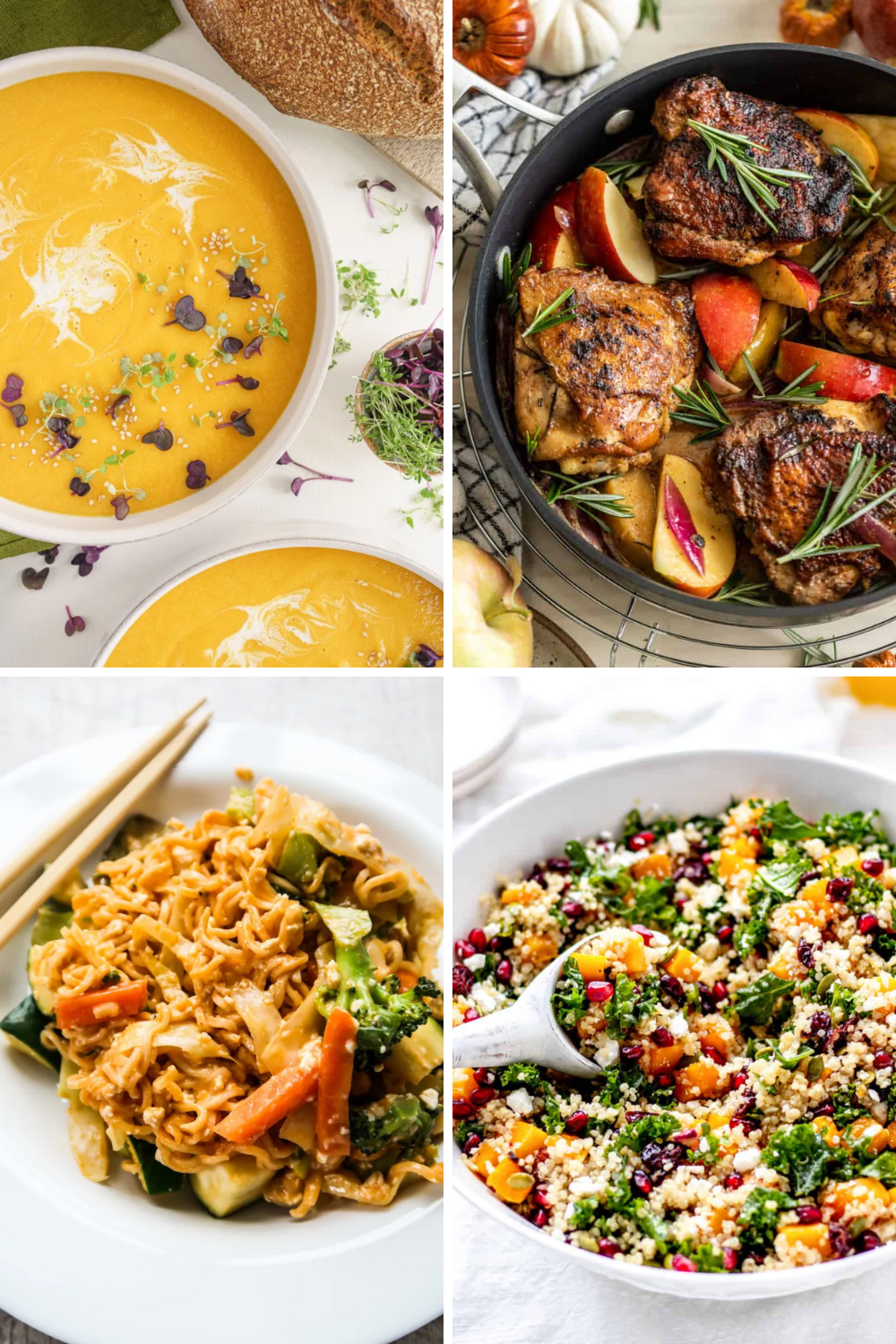
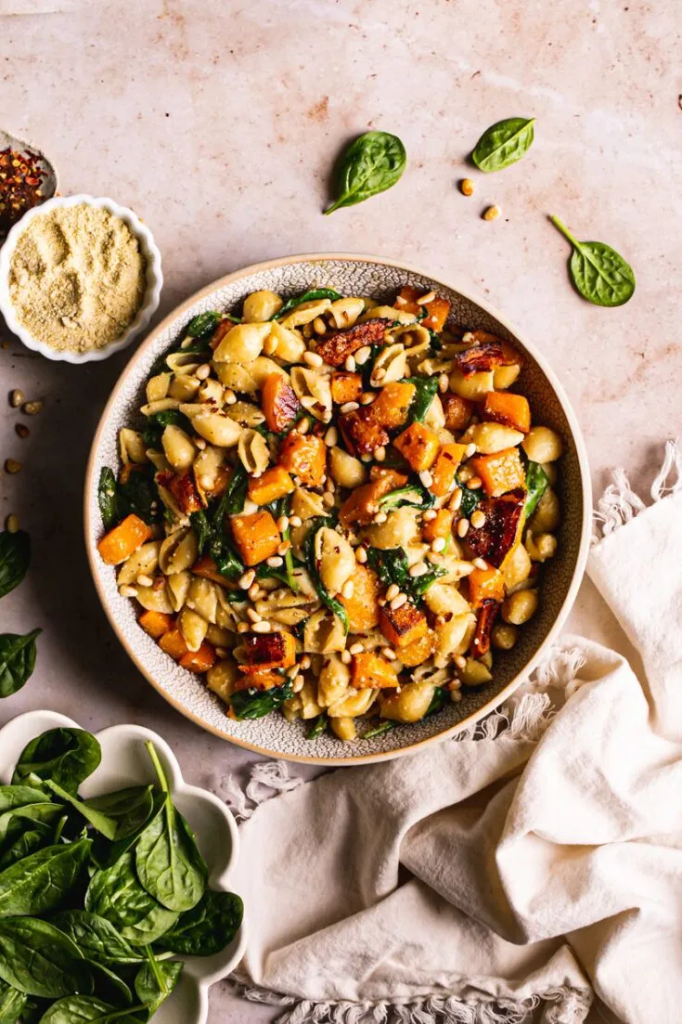
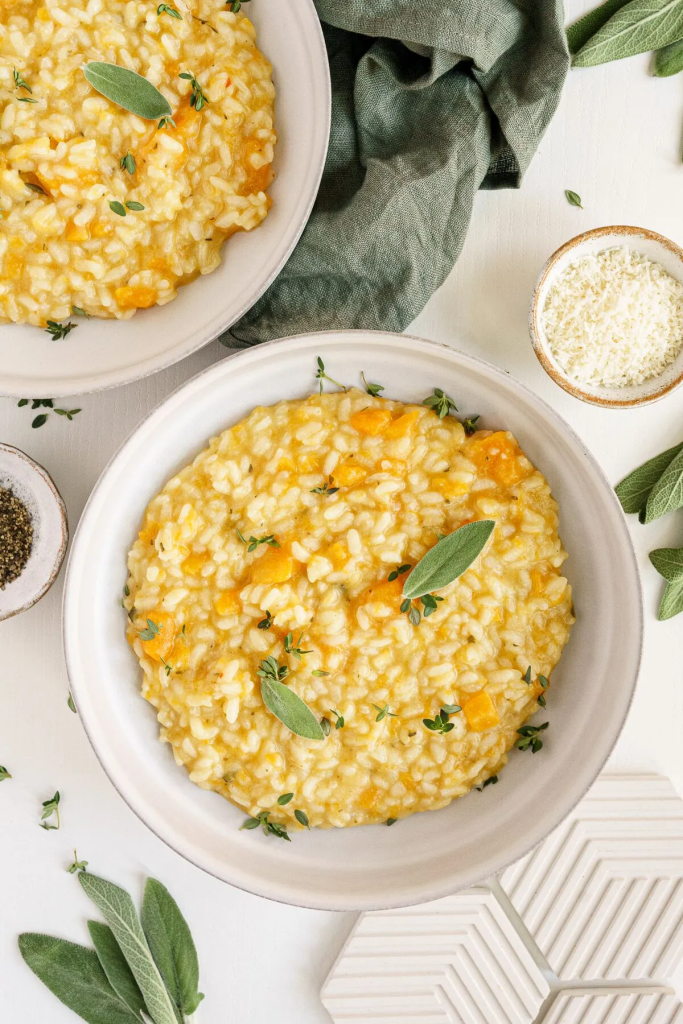
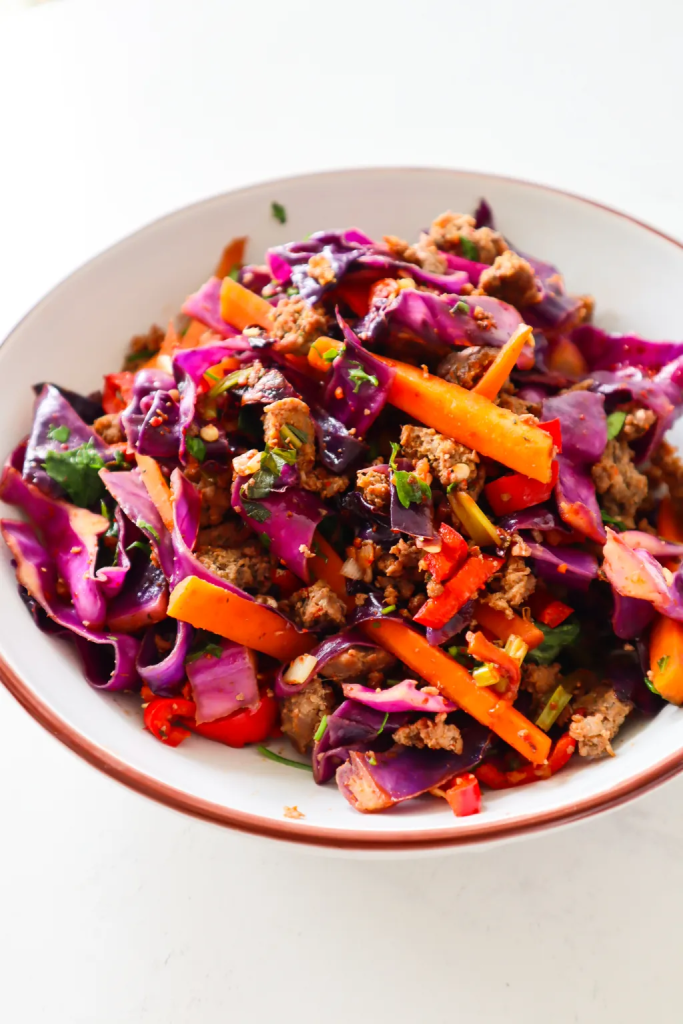
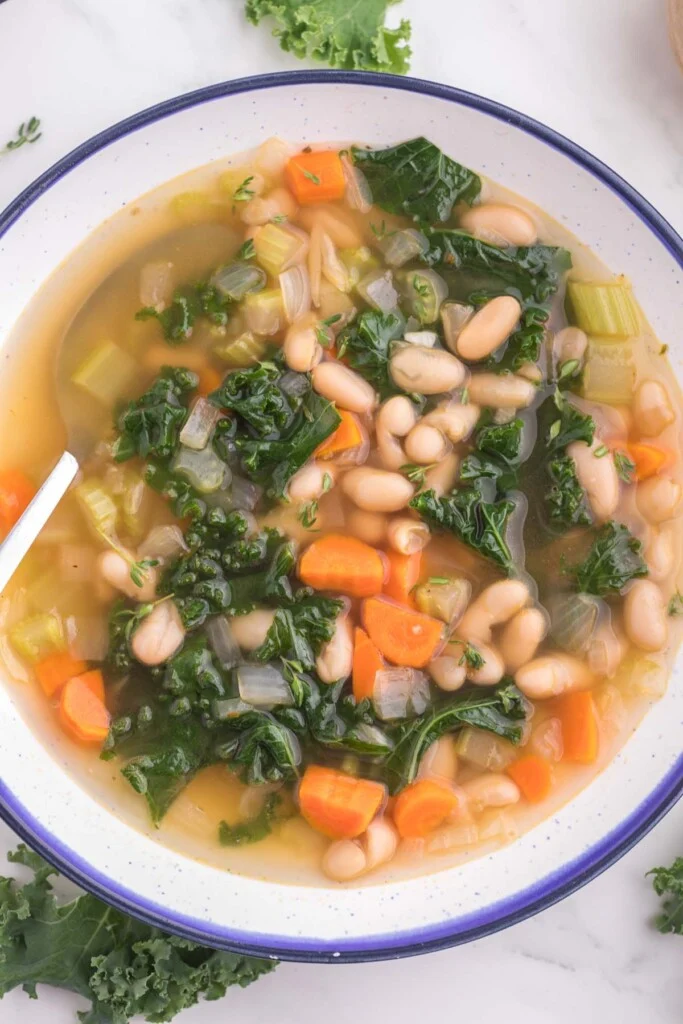
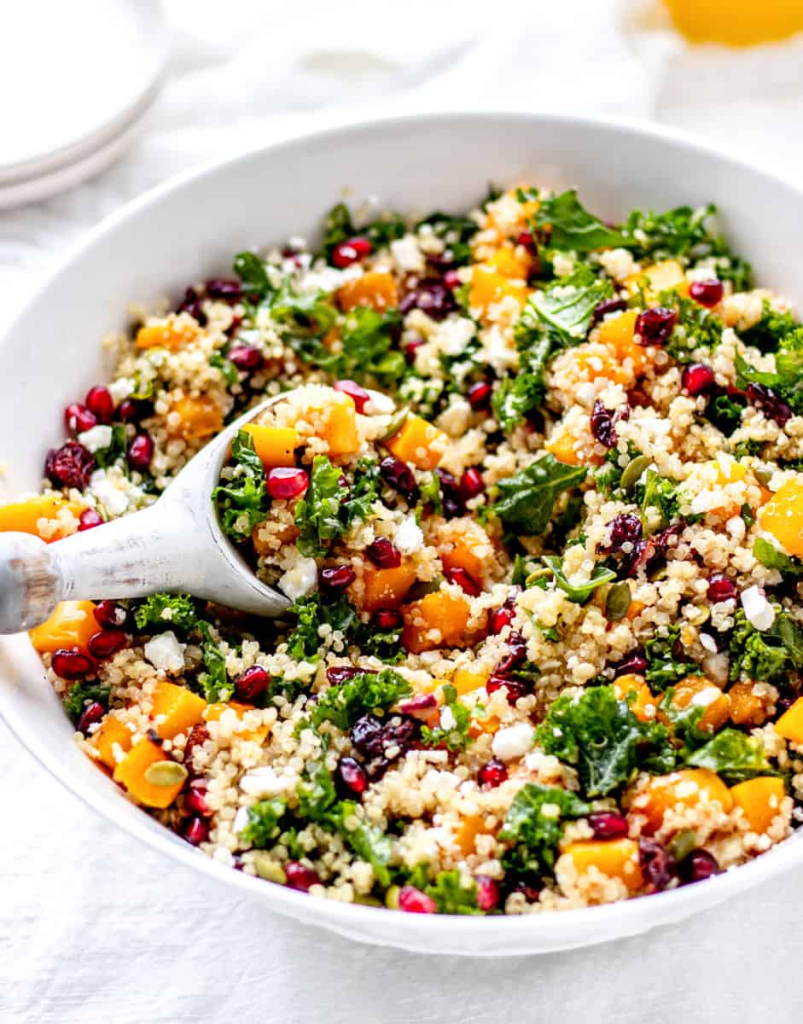
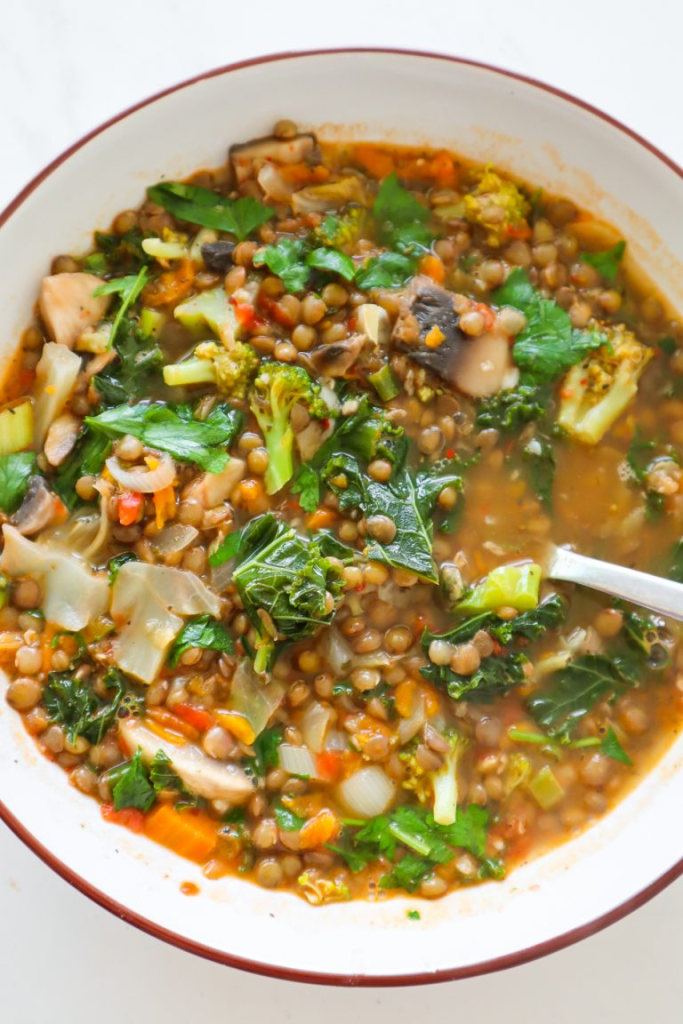
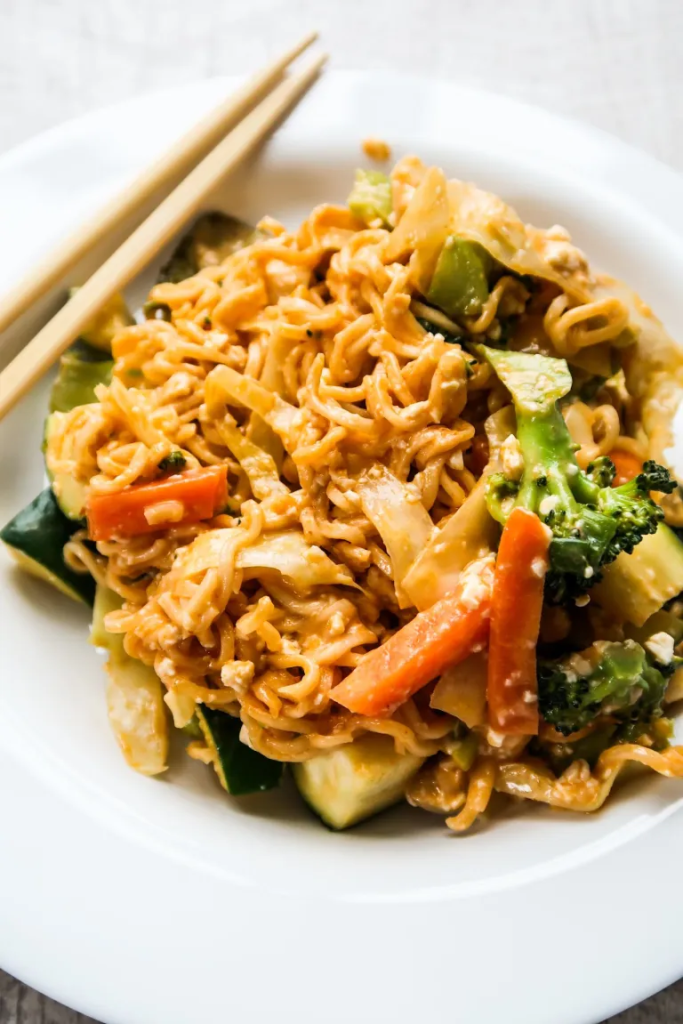
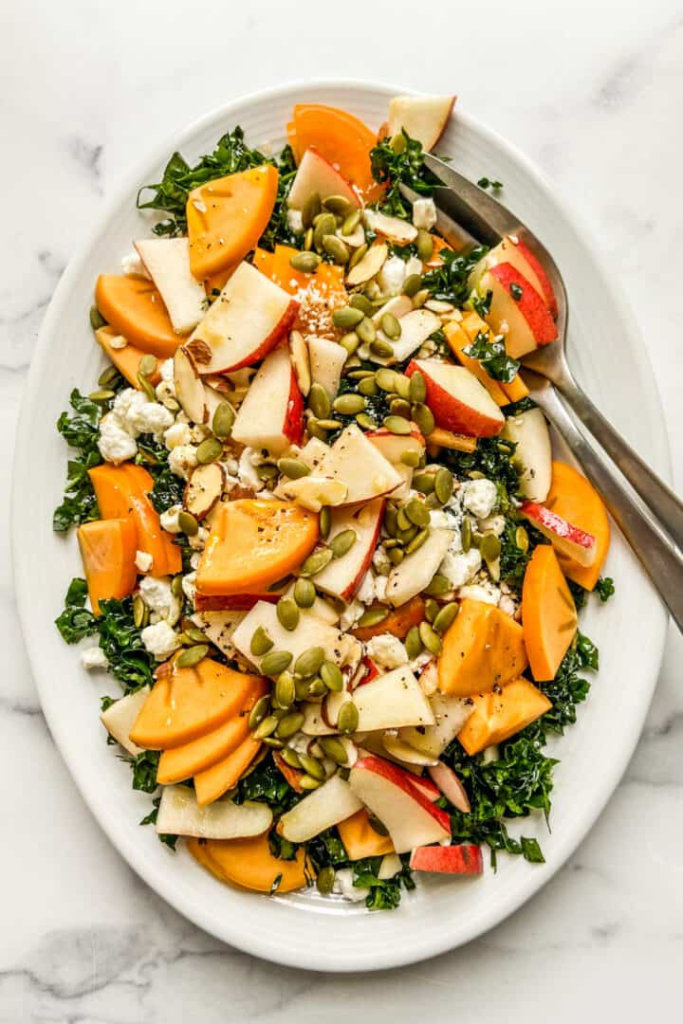
Warm up your autumn with these 20+ healthy fall recipes that are both comforting and packed with flavor!
As the leaves turn and the weather cools, it’s the perfect time for meals that make you feel all warm and fuzzy inside. These 20+ healthy fall recipes are just what you need to enjoy the season’s best flavors while staying on track with your health goals. From hearty soups to flavorful casseroles, each dish is designed to comfort and satisfy. Dive into these delicious recipes and make the most of cozy fall days with meals that are as good for you as they are tasty.
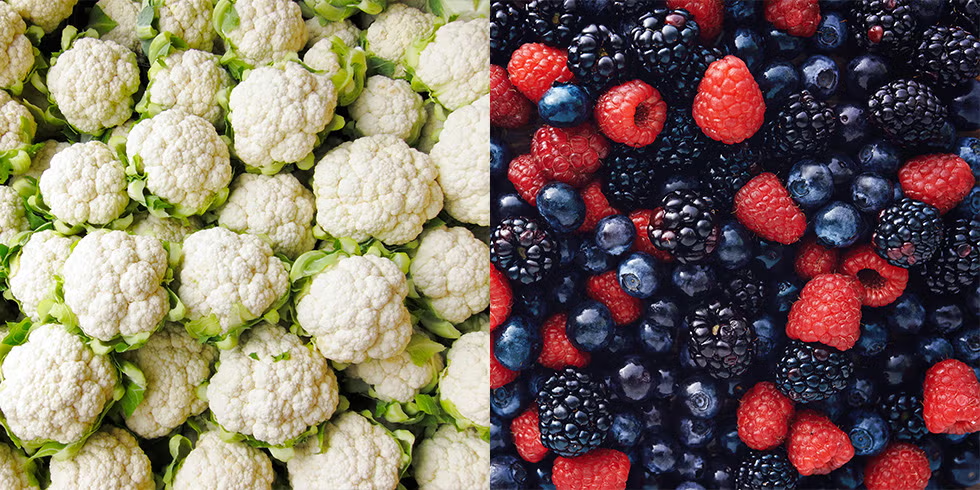
An anti-inflammatory diet focuses on incorporating foods that help reduce inflammation in the body, which can lead to chronic diseases and digestive issues. By choosing the right foods, you can nourish your body while keeping inflammation at bay.
Foods to include in an anti-inflammatory diet:
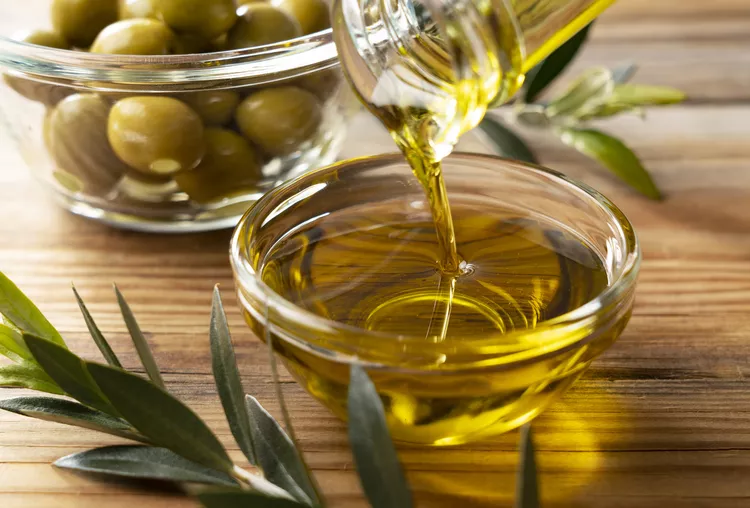
Foods to include in an anti-inflammatory diet are fresh fruits and vegetables, nuts, seeds, healthy fats like olive oil, whole grains, lean proteins, and fermented foods such as kefir or sauerkraut.
Foods to avoid in an anti-inflammatory diet:
It’s best to avoid processed foods, refined sugars, trans fats, and inflammatory oils like soybean and vegetable oil.
Why is gut health important?
Gut health is crucial because the gut plays a central role in digestion, nutrient absorption, and even impacts immune function. A healthy gut can reduce inflammation, support overall well-being, and contribute to a balanced, thriving body!
Read on to learn about some snacks that are great for your gut.
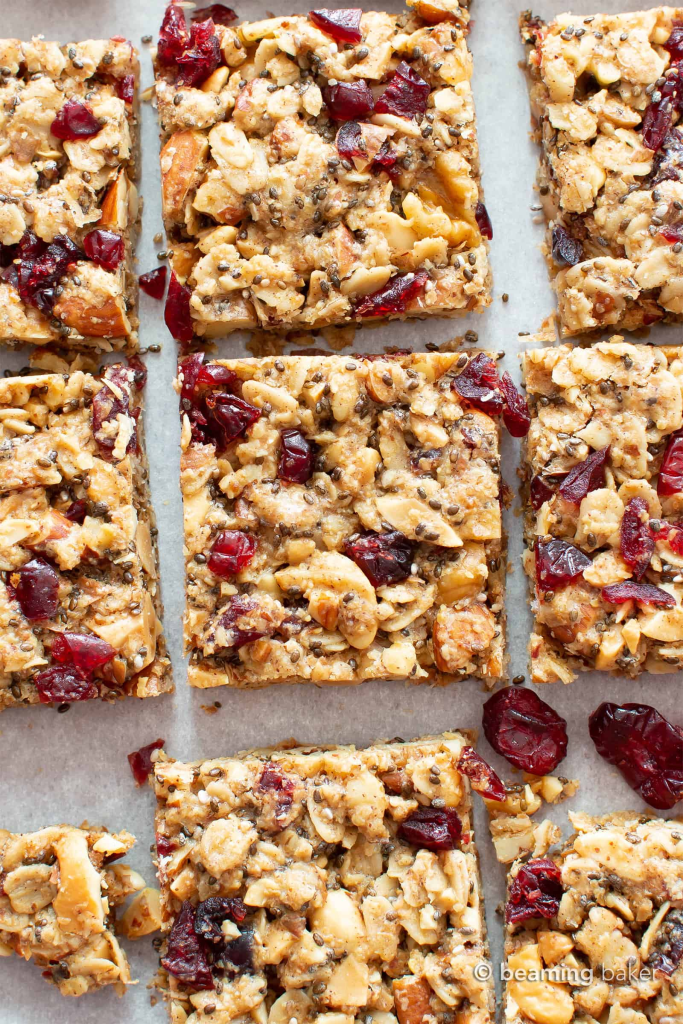
These cranberry chia gluten-free vegan snack bars are the perfect go-to when you need something satisfying but still want to keep it healthy. The chewy texture combined with the sweetness of cranberries makes them an ideal sweet treat to enjoy on their own. Whether you’re having one for a mid-afternoon pick-me-up or packing it for a snack on the go, they’re just the right blend of hearty and sweet without being too heavy. Honestly, I love having these on hand when I need something quick and delicious!
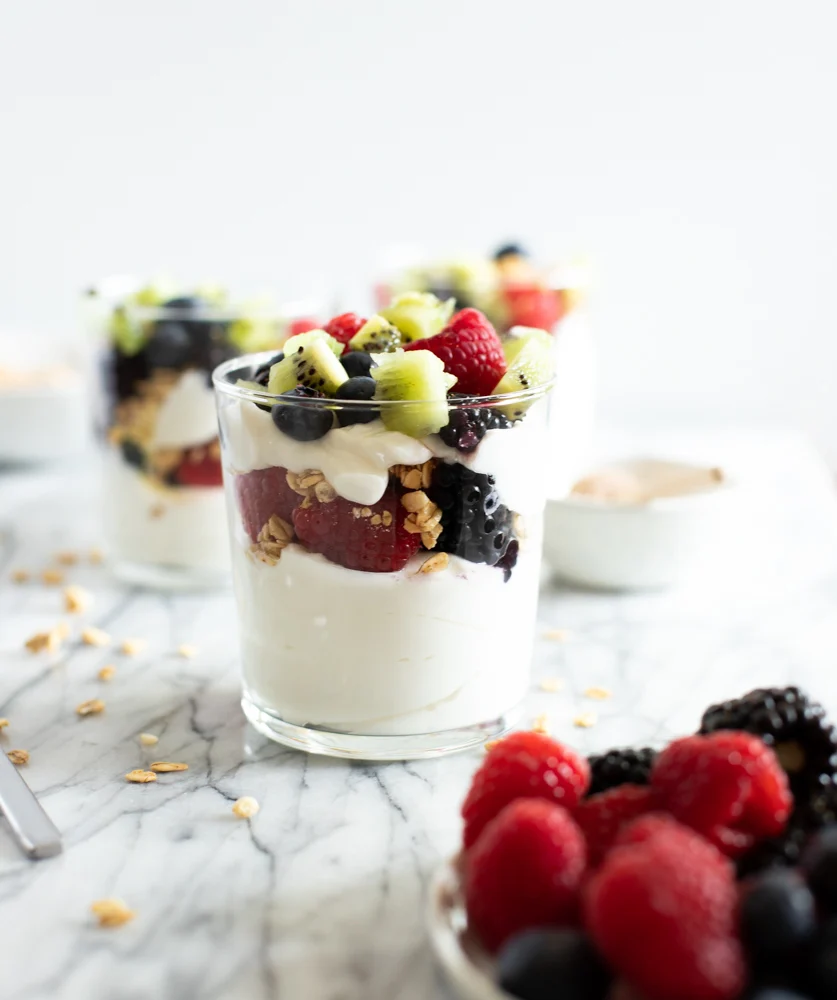
This healthy Greek yogurt parfait is a delightful mix of creamy, crunchy, and sweet, perfect for a quick breakfast or snack. The layers of protein-rich Greek yogurt, fresh berries, and granola make it as nourishing as it is satisfying. Whether you drizzle a little honey on top or switch up the fruits, it’s the kind of snack you can easily customize depending on what you’re craving. I love enjoying this parfait with a cappuccino in the morning—it feels indulgent but keeps things light and energizing. Plus, it’s so simple to make that even kids can join in the fun!
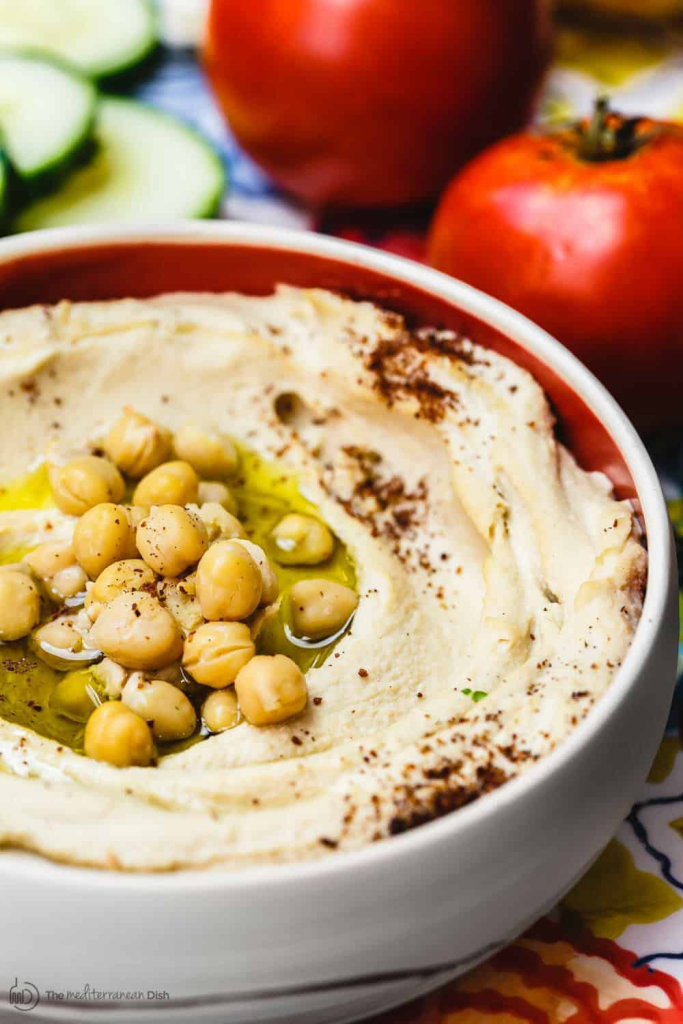
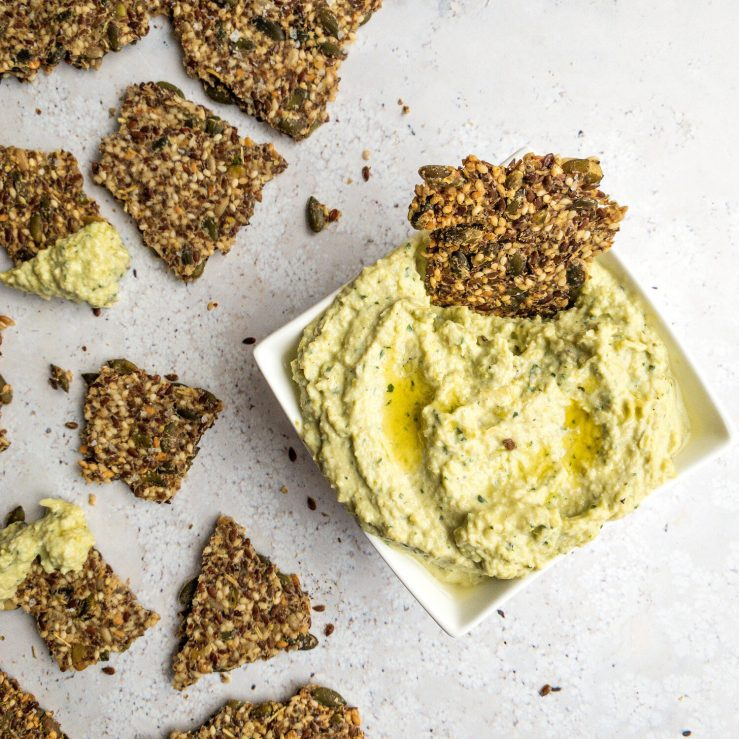
As someone who’s Middle Eastern, hummus is a snack I eat often—it’s just so healthy and satisfying! The creamy texture and rich flavor make it perfect with healthy, non-inflammatory crackers, or for a lighter option, I love pairing it with a rice cake. Just be mindful of seed oils in packaged crackers, but when you keep it simple, hummus is a snack that hits all the right notes. It’s one of those treats I never get tired of, whether I’m enjoying it with veggies or other delicious Middle Eastern snacks!
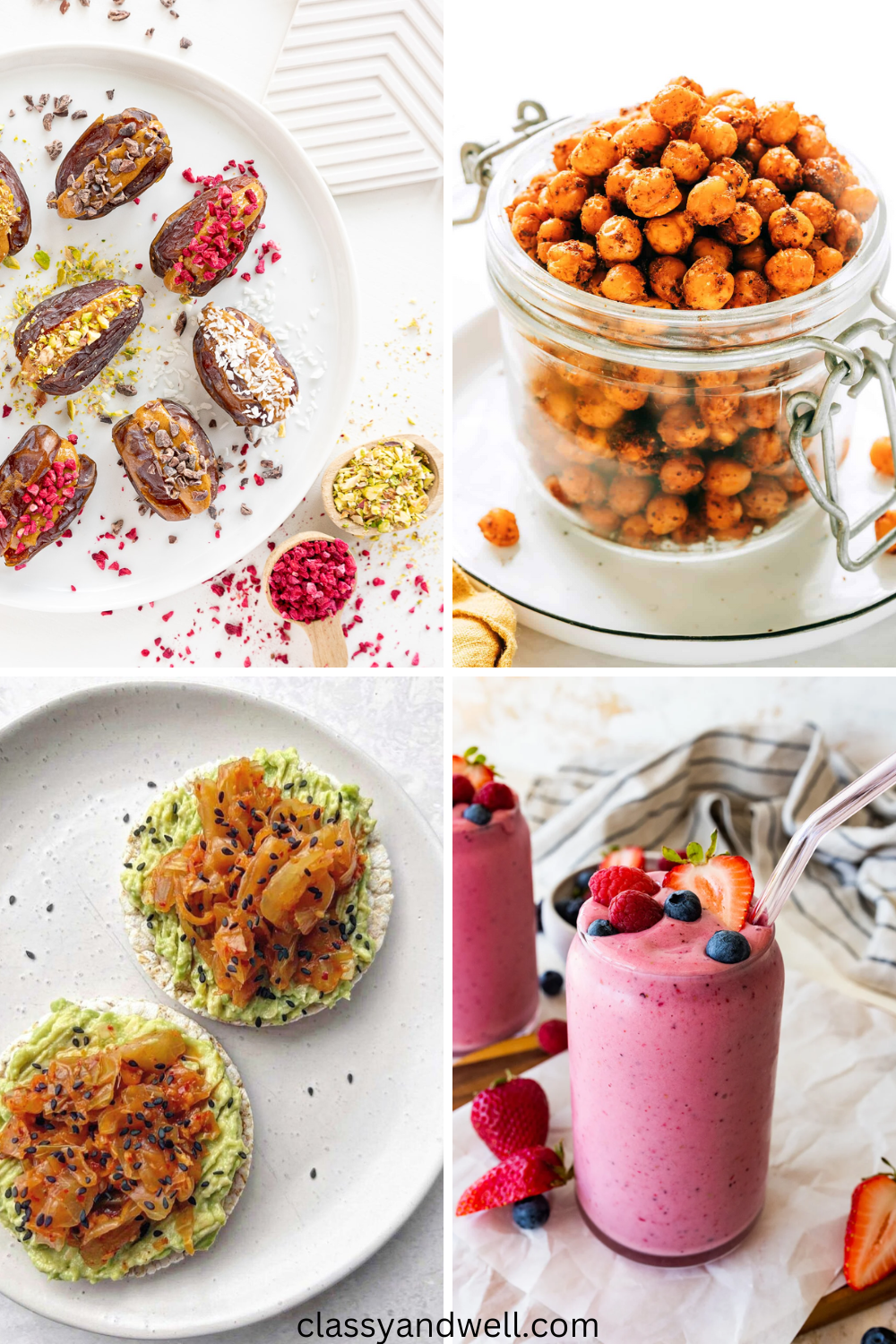
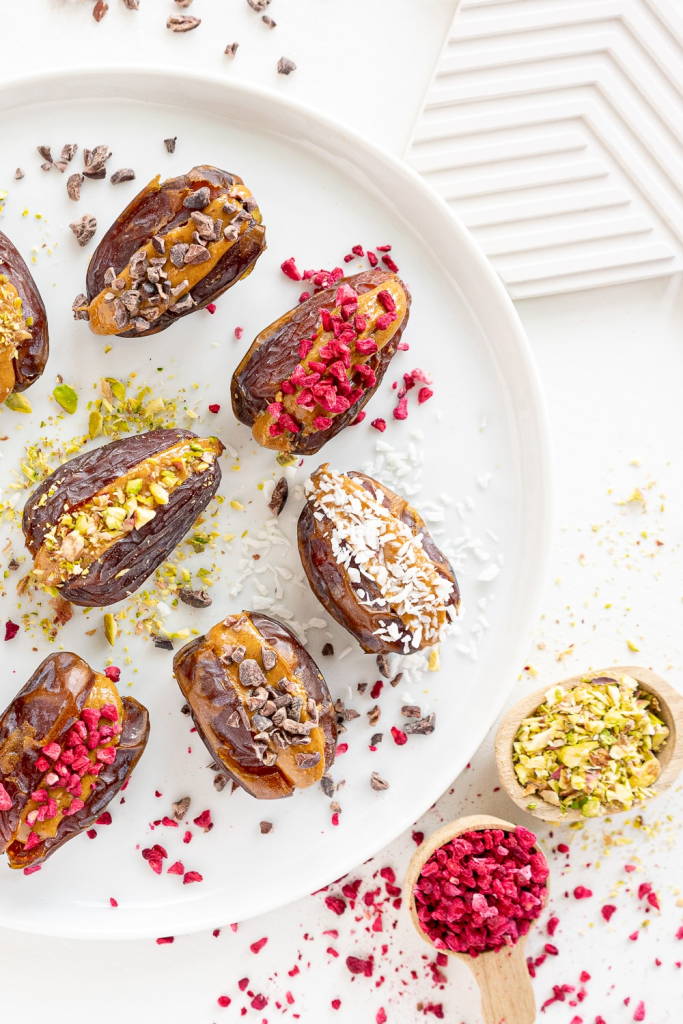
Peanut butter stuffed dates are the ultimate snack when you’re craving something decadent but still wholesome. The natural sweetness of the dates pairs beautifully with the creamy peanut butter, creating a rich, indulgent treat that feels like dessert but gives you an energy boost. I love topping mine with chopped pistachios or coconut flakes for an extra bit of crunch. Trust me, these are perfect when you need a quick pick-me-up or want to satisfy your sweet tooth without going overboard—definitely one of my favorite treats when I want to indulge!
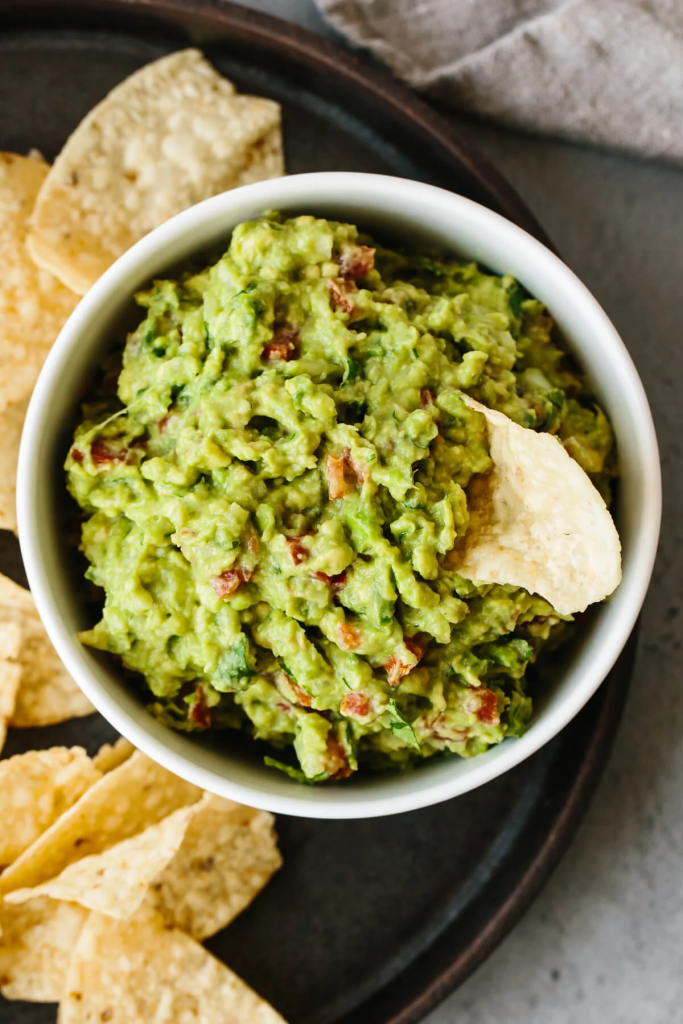
Guacamole is a classic snack that’s always a hit, and while the traditional way to enjoy it is with nachos, most store-bought nachos can be inflammatory due to unhealthy oils. So, if you’re going for chips, be sure to check the ingredients to keep this snack as clean as possible. Personally, I love pairing guacamole with crunchy veggies like carrots, cucumbers, or radishes for a fresh, non-inflammatory option. It’s light, satisfying, and gives you all the flavor without the extra guilt—definitely my kind of snack!
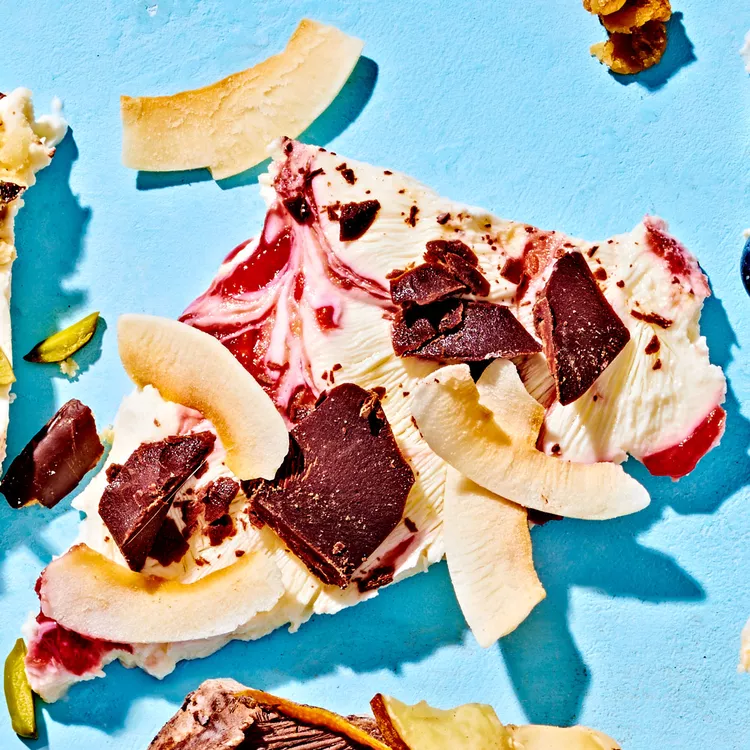
This raspberry-chocolate coconut yogurt bark is a refreshing, sweet treat that feels indulgent but is surprisingly light! Made with creamy coconut-milk yogurt, a swirl of raspberry jam, and a sprinkle of dark chocolate and toasted coconut flakes, it’s the perfect snack to satisfy your sweet tooth. I like to break off a piece when I need something cool and refreshing in the afternoon. It’s great on its own, and it’s one of those snacks you can feel good about—rich in flavor, yet simple and clean!
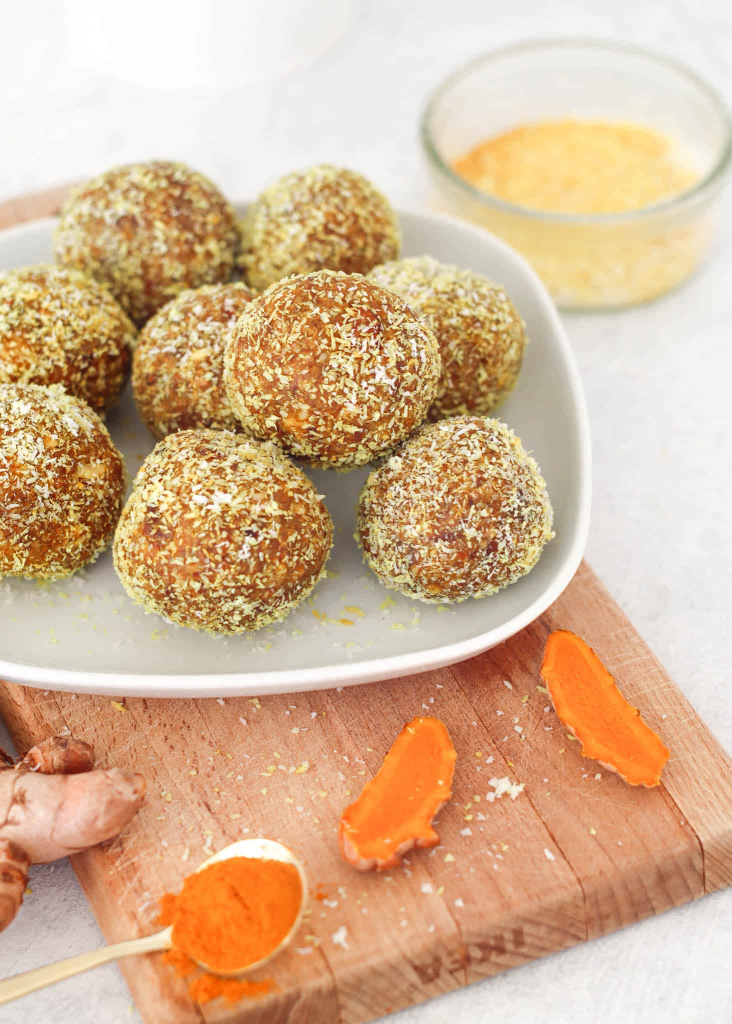
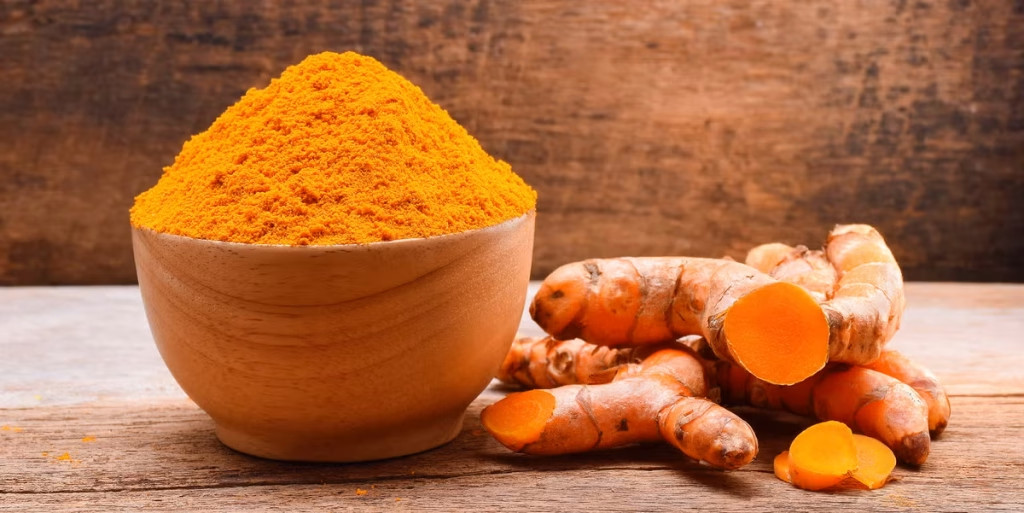
These no-bake turmeric balls are a powerhouse of nutrients, and the best part? They taste just as good as they are good for you! Packed with antioxidant-rich ingredients like turmeric and ginger, these plant-based energy balls are perfect for a mid-morning or afternoon pick-me-up. I love how the natural sweetness from the Medjool dates and apricots blends with the warm spices, creating a snack that feels indulgent yet totally guilt-free. Plus, they’re gluten-free, vegan, and refined sugar-free, making them a healthy choice you can enjoy anytime!
8. Ottolenghi Inspired Spicy Tomatoes on Cold Yogourt
This Ottolenghi-inspired spicy tomatoes on cold yogurt is a flavor-packed snack that’s as nourishing as it is delicious. The combination of zesty, spiced tomatoes on cool, creamy yogurt creates the perfect balance of heat and freshness. I love serving it with warm gluten-free or whole wheat bread for a wholesome, gut-nourishing meal that feels light yet satisfying. The cumin, garlic, and fresh herbs make every bite an explosion of flavor, while the yogurt keeps it cooling and smooth. It’s one of those dishes that makes lunchtime feel a bit special—simple but so vibrant!
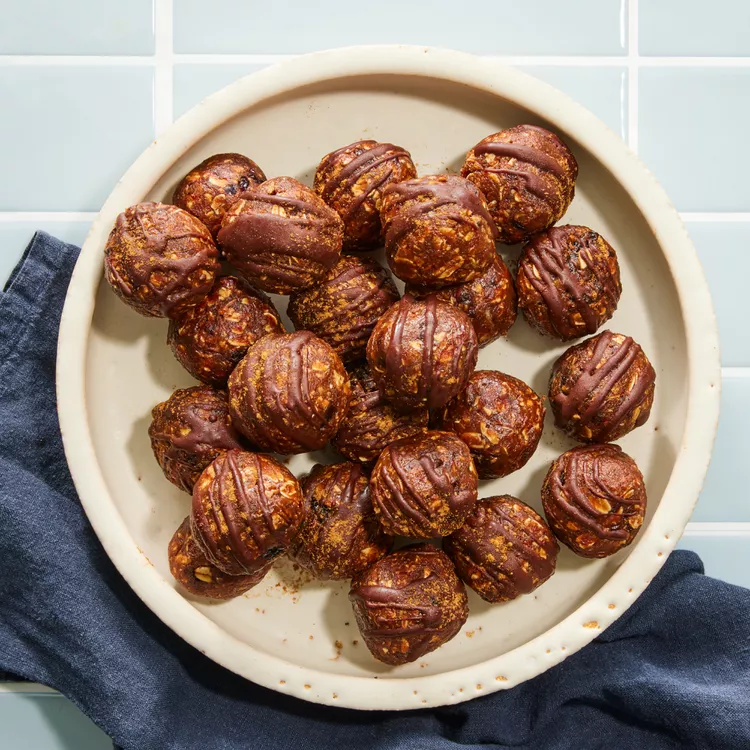
These chocolate-cherry date energy bars are a delicious nod to the flavors of Cherry Garcia ice cream, but with a nutritious twist. Packed with dark chocolate chunks and tart cherries, each bite feels like a sweet indulgence while offering a boost of anti-inflammatory polyphenols from the cherries. The almond butter and oats make them filling, and the cocoa adds just the right amount of richness. I love these as a quick snack when I need something satisfying yet healthy—it’s like having dessert, but with all the goodness of whole ingredients!
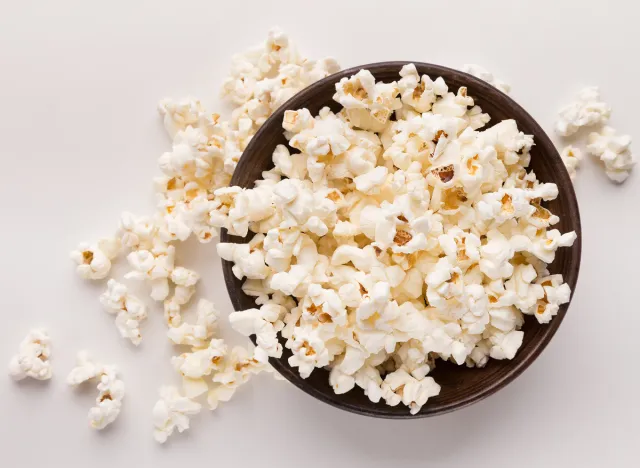
Healthy popcorn is one of my favorite snacks, especially for movie nights—obviously, right? When you pop it yourself with a good oil like coconut or olive oil, it’s not only crunchy and delicious but also an anti-inflammatory snack. And if you’re looking to switch things up, there are Healthy Popcorn Recipes: 12 Simple Ways to Add Flavor—from salty to sweet, these recipes let you enjoy everything from savory herbs to a touch of sweetness. It’s the perfect way to satisfy your cravings and enjoy movie night with your family while keeping it healthy!
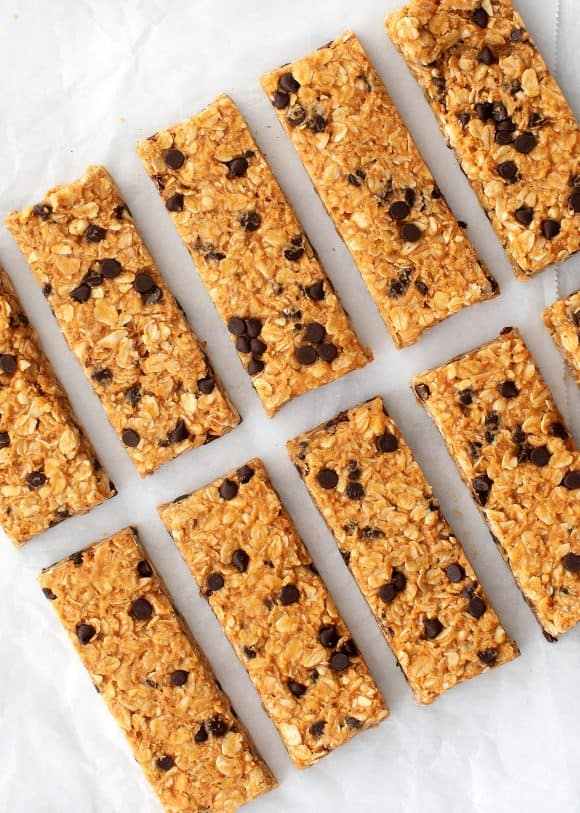
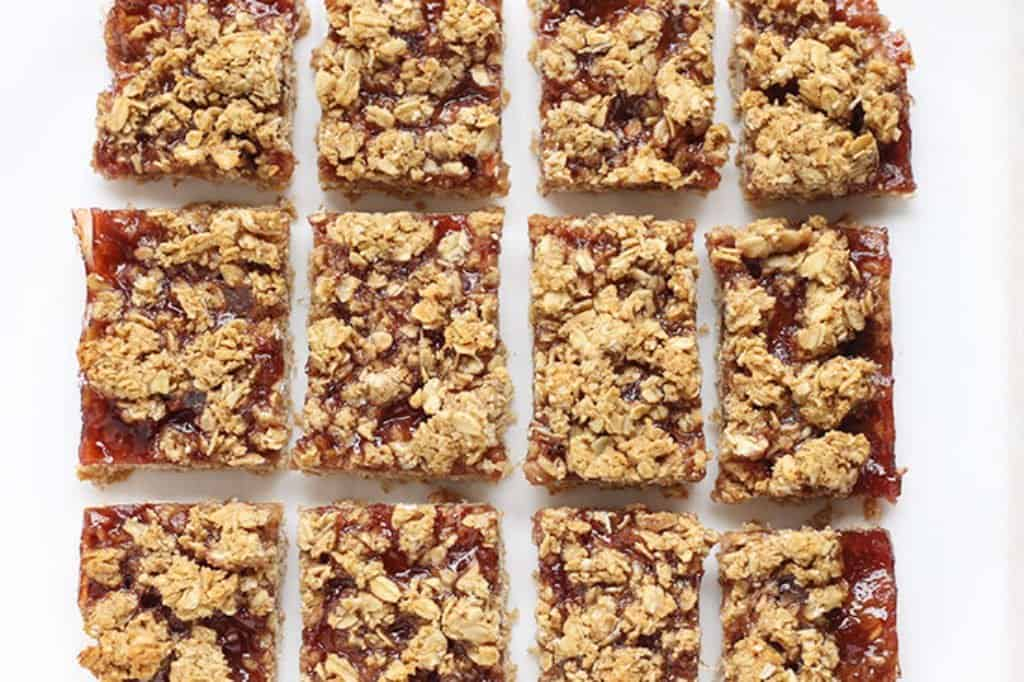
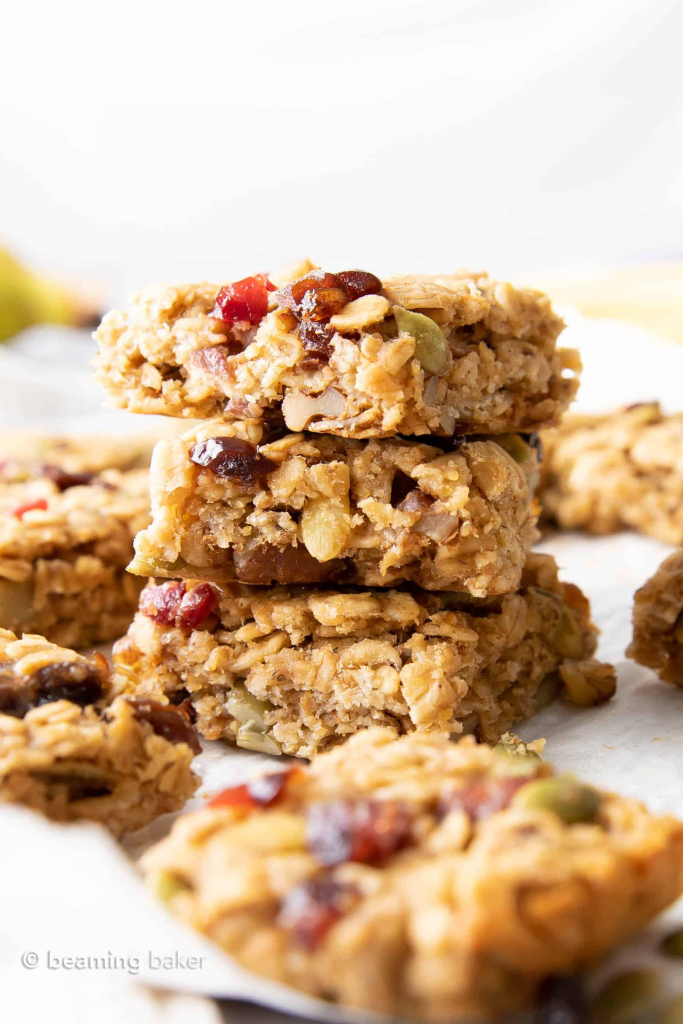
These homemade granola bars are a perfect balance of sweet and satisfying, making them an easy snack to whip up when you’re craving something delicious. Made with creamy peanut butter, honey, and a hint of vanilla, these bars are naturally gluten-free and full of flavor. I love the addition of mini chocolate chips and crunchy pepitas—they give just the right amount of texture and sweetness. Whether you’re grabbing one for a snack or packing it for an on-the-go treat, these bars hit the spot every time! Plus, if you want to customize the mix-ins, the options are endless!
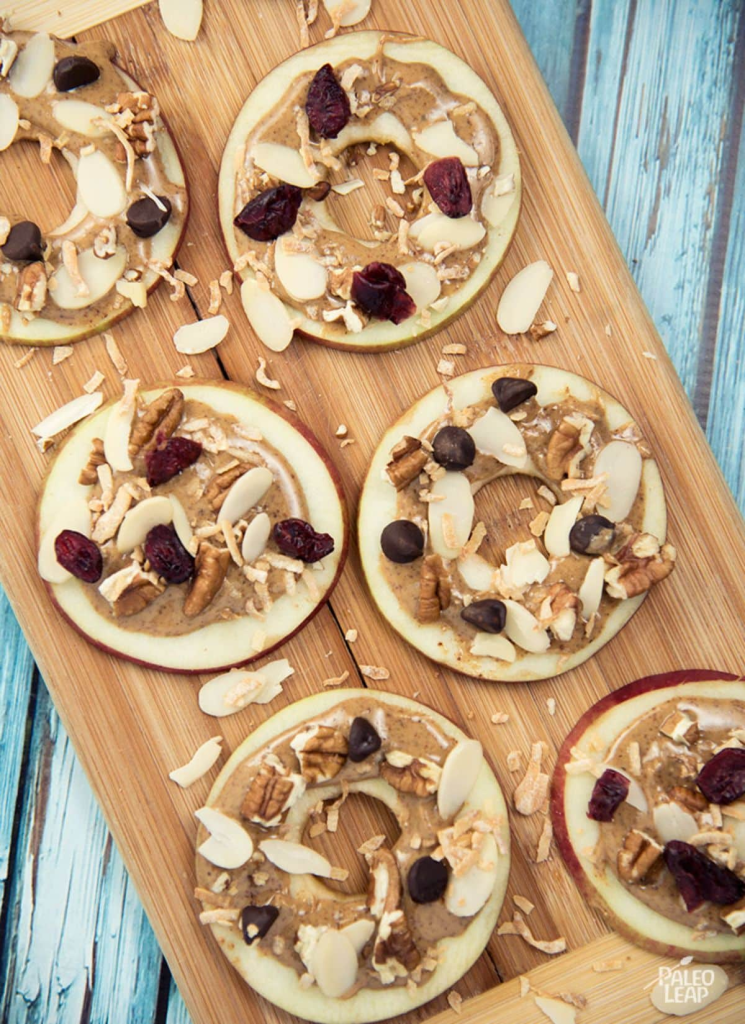
These apple slices topped with almond butter, pecans, almonds, roasted coconut shreds, and a touch of dried cranberries are the perfect snack when you want something a little more exciting! The natural sweetness of the apple combined with the creamy almond butter and the crunch of nuts makes this snack a total hit. And if you’re feeling indulgent, a few dark chocolate chips add that extra treat. It’s a simple yet satisfying way to keep things fresh and healthy—perfect for a quick bite in between meals!
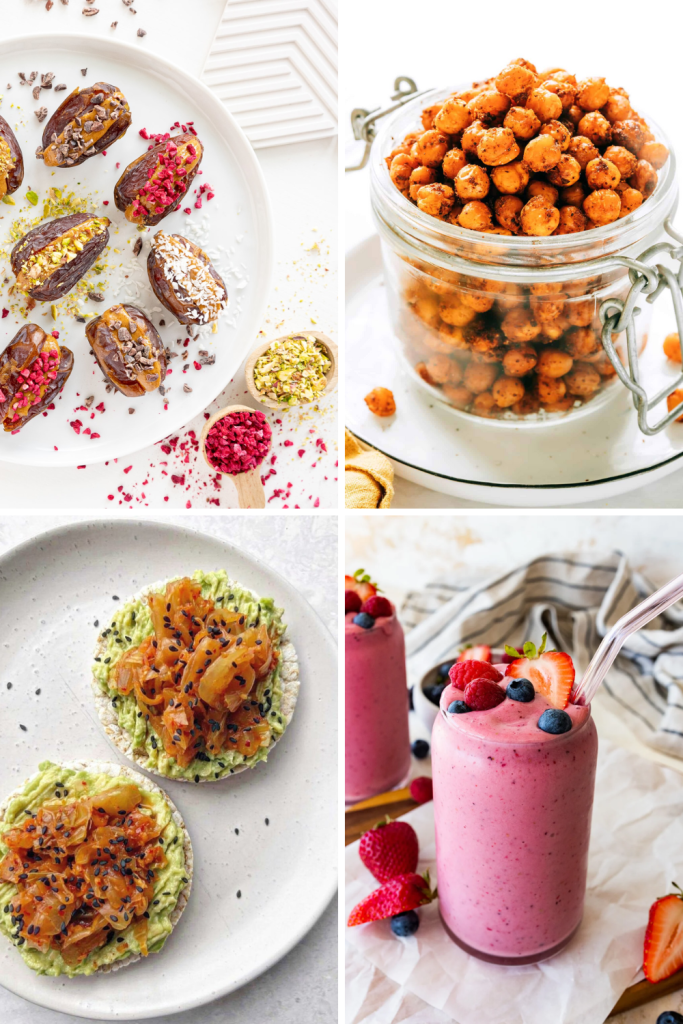
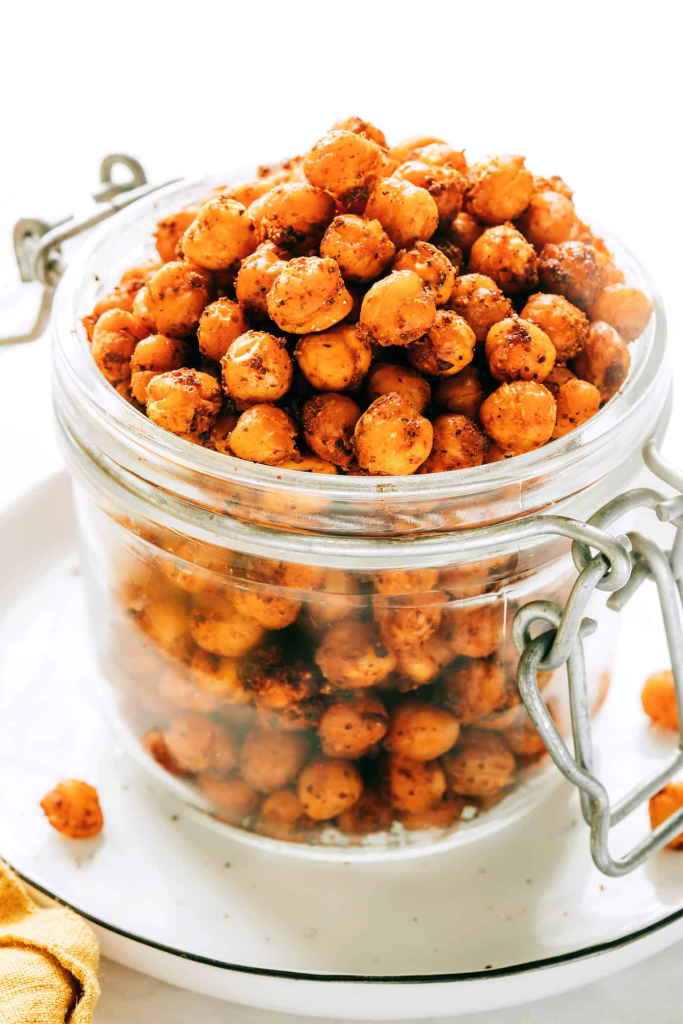
These oven-roasted chickpeas are a crunchy, flavorful snack that’s super simple to make and totally irresistible! Tossed with olive oil, smoked paprika, garlic powder, and sumac, they come out perfectly crispy with a delicious kick of spice. Whether you’re snacking on them straight from the oven or adding them to salads or grain bowls, they’re a healthy and satisfying option. I love how versatile they are—you can adjust the seasonings to your taste and enjoy them guilt-free!
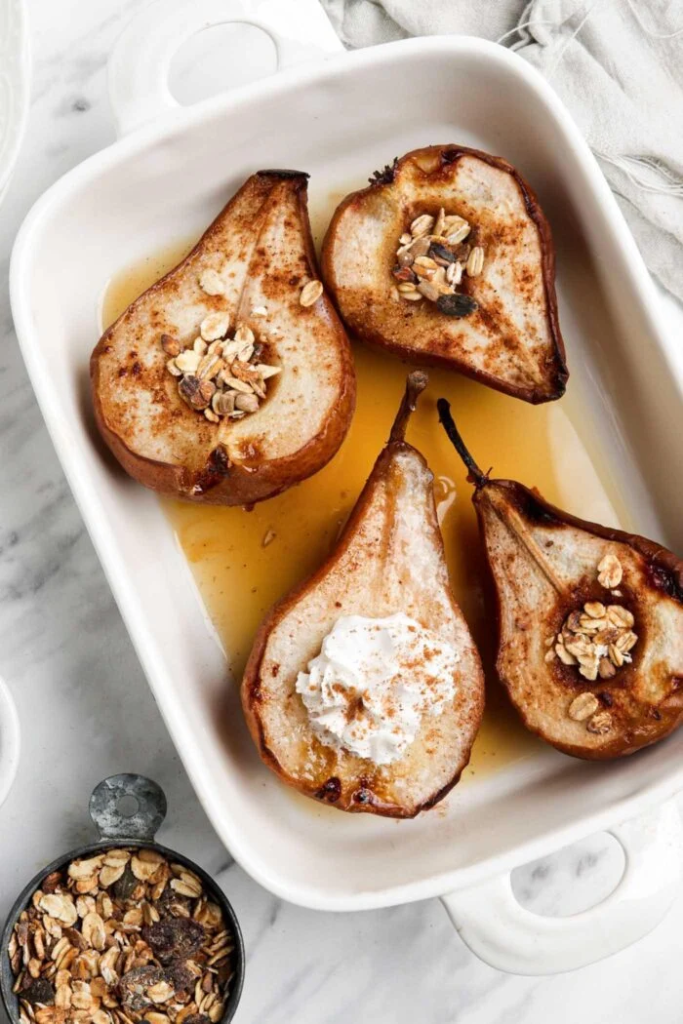
These healthy baked pears with cinnamon are the perfect treat when you’re craving something naturally sweet and warm. The soft, juicy pears paired with a touch of maple syrup and cinnamon make for a simple yet satisfying snack or dessert. I love serving them with a dollop of coconut yogurt and a sprinkle of granola for a little crunch—it’s like having dessert, but still keeping it wholesome. Whether you’re enjoying them on their own or dressing them up, they always feel like a special treat!
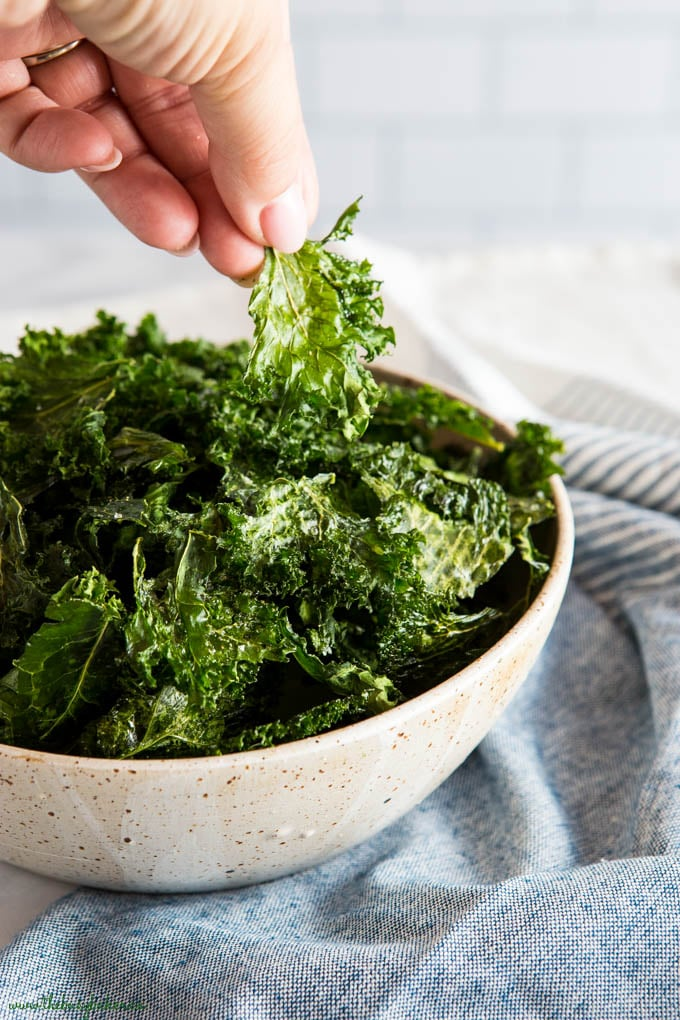
These no-fail sea salt and garlic kale chips are a perfect snack when you’re craving something crunchy but want to keep it healthy. The crispy texture and light seasoning make them seriously addictive, with the garlic powder adding just the right amount of flavor. I love how easy they are to whip up—just toss the kale with a little olive oil, sprinkle on some sea salt and garlic powder, and you’re all set! They’re perfect for munching on their own or alongside your favorite dip for a light and satisfying snack.
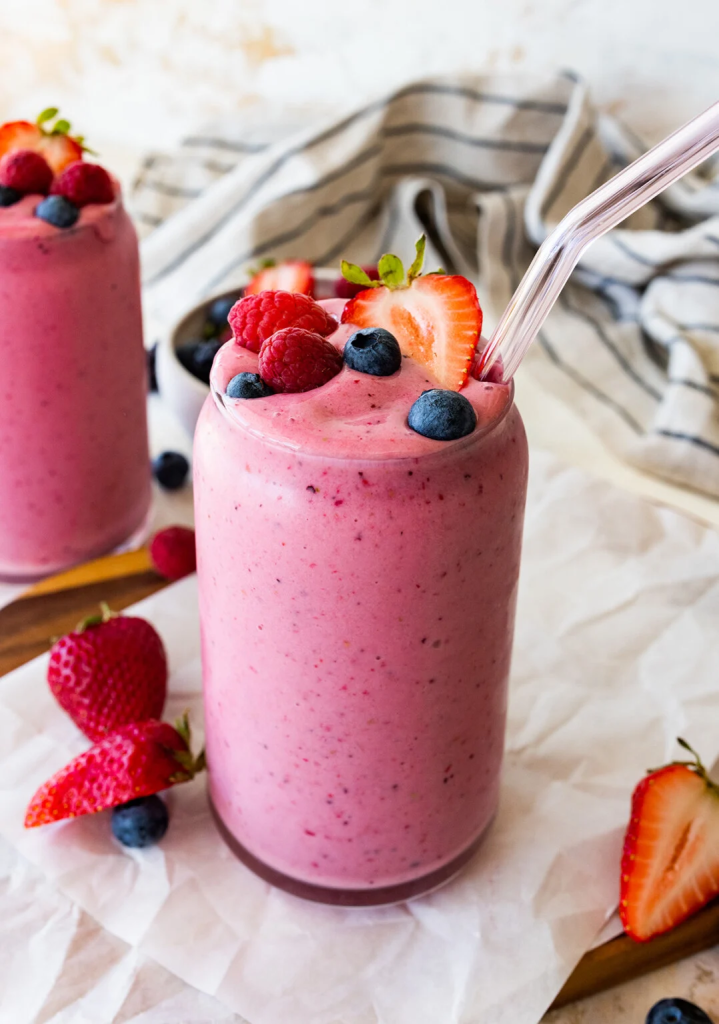
This 3-ingredient berry kefir smoothie is a refreshing and gut-healthy way to start your day or enjoy as a mid-day snack. Made with full-fat plain kefir, frozen berries, and a frozen banana, it’s packed with probiotics to support your digestion while being naturally sweet and creamy. I love how quick it is to make—just blend everything together in under 5 minutes and you’ve got a delicious, nutrient-packed drink. Whether for breakfast or an afternoon pick-me-up, this smoothie is a perfect balance of health and flavor!
This creamy artichoke dip is the perfect quick and healthy snack, loaded with plant-based goodness and fiber. With chargrilled artichokes, fresh spinach, and live yogurt, it’s rich, flavorful, and packed with nutrients. The garlic and lemon juice add a nice zing, while the olive oil (or oil from the marinated artichokes) brings it all together. I love making a batch on Sunday to enjoy throughout the week—it’s so easy and versatile, perfect with veggies, crackers, or spread on toast. Healthy snacking has never been this delicious or simple!
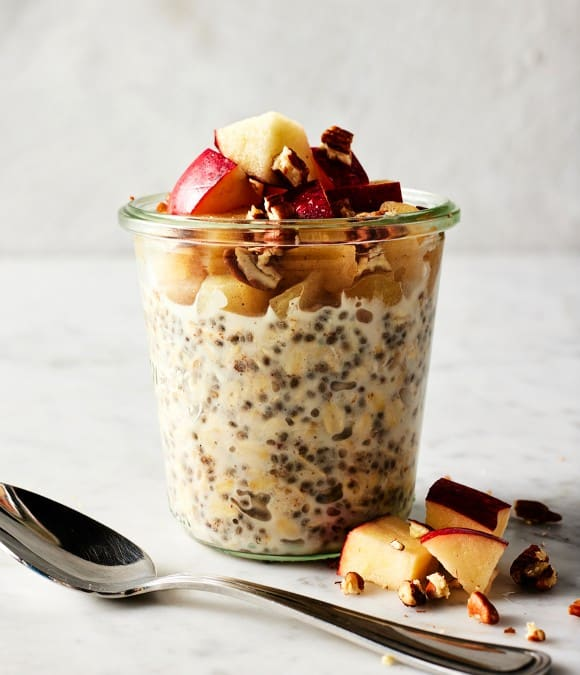
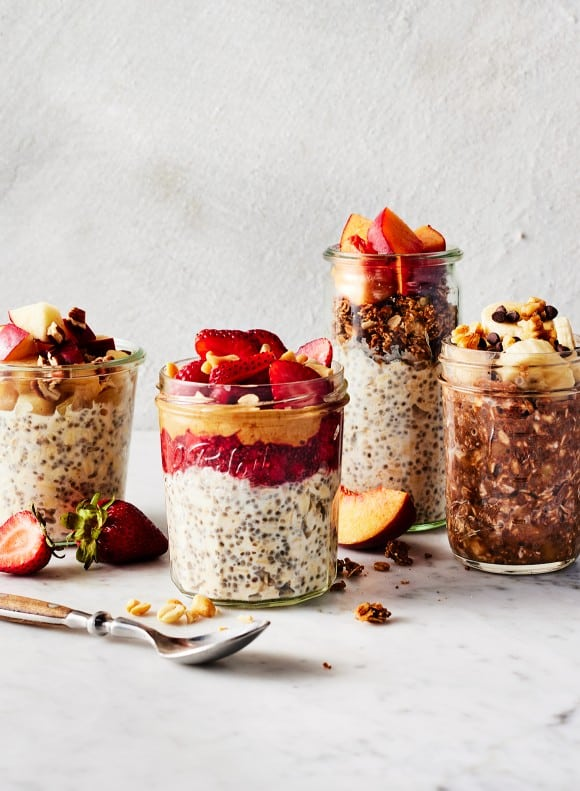
This make-ahead healthy breakfast or snack is as versatile as it is delicious! Start with a base of rolled oats, chia seeds, and almond milk, then customize it with your favorite flavors. Whether you’re in the mood for a comforting Apple Pie version with cinnamon, applesauce, and pecans, or a PB&J twist with chia jam, peanut butter, and fresh berries, the possibilities are endless. One of my personal favorites is the Chocolate Banana Bread version, with mashed banana, cocoa powder, and a sprinkle of chocolate chips—it’s like having dessert! Make it your own by mixing and matching your favorite toppings and enjoy a nutritious start to your day.
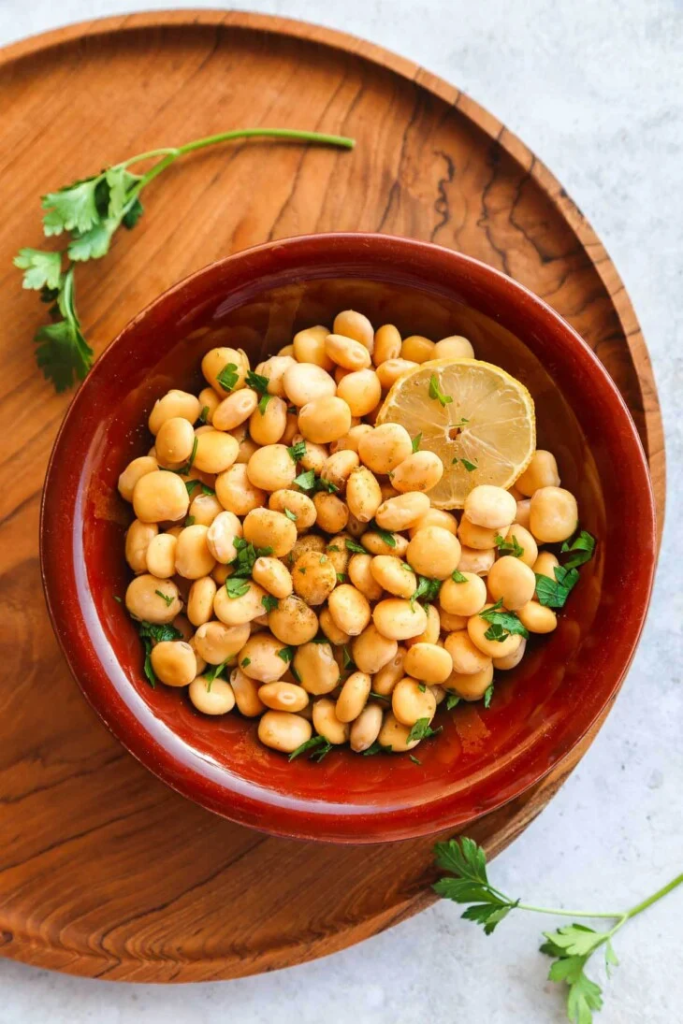
Growing up, I watched my parents enjoy lupini beans, but it wasn’t until I became an adult that I truly appreciated this classic Middle Eastern snack. Lupini beans, cooked from dried, are seasoned the traditional way with cumin, lemon juice, and a sprinkle of salt, making them tangy, flavorful, and addictive. They’re perfect for snacking on their own or alongside some fresh veggies—this healthy and protein-packed snack is a great way to enjoy a bit of nostalgia with a tasty twist!
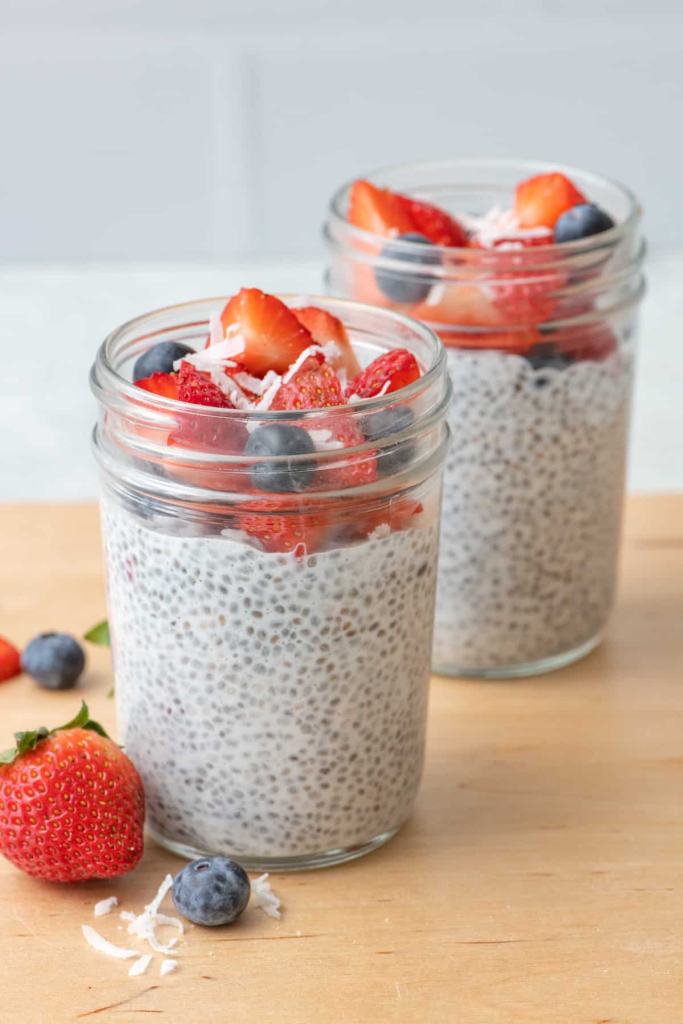
This 3-ingredient chia pudding is a super simple, healthy snack that’s as delicious as it is nutritious! Made with almond milk, chia seeds, and your favorite sweetener, it’s packed with protein, fiber, and healthy fats, making it the perfect guilt-free treat. I love making a batch the night before and enjoying it the next day, topped with fresh fruit, nuts, or a drizzle of honey. It’s creamy, satisfying, and totally customizable—whether you have it for breakfast, dessert, or an afternoon pick-me-up, it’s always a win!
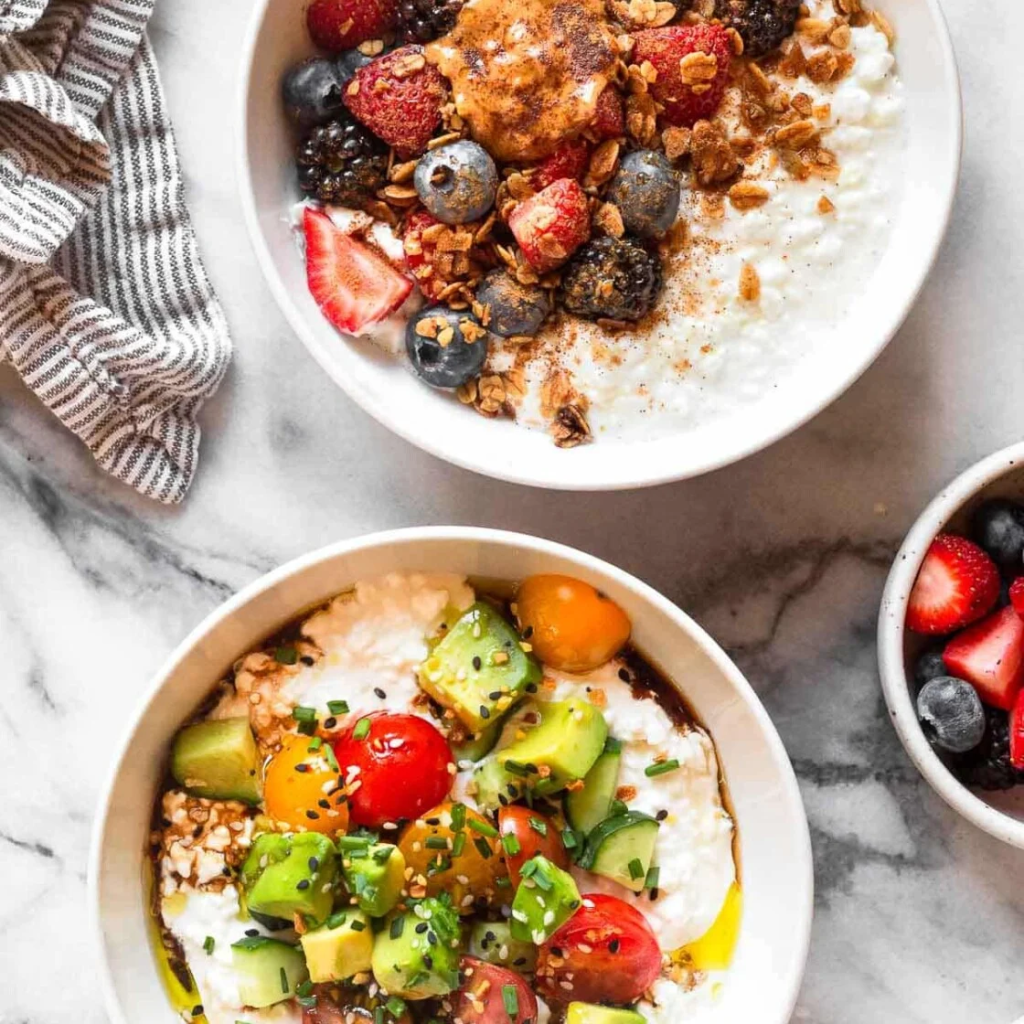
These easy cottage cheese bowls are a versatile, protein-packed option perfect for any time of day—whether you prefer sweet or savory! The Sweet Cottage Cheese Bowl combines creamy cottage cheese with fresh berries, a drizzle of honey, and a sprinkle of cinnamon, making it a delightful breakfast or snack. Add some granola and peanut butter for crunch and richness, and you’ve got a healthy yet indulgent bowl.
On the other hand, the Savory Cottage Cheese Bowl is equally satisfying, featuring cherry tomatoes, cucumber, avocado, and a drizzle of olive oil and balsamic vinegar. Topped with bagel seasoning and fresh chives, it’s a refreshing, savory option that’s perfect for lunch or a light meal. Both bowls are easily customizable, so feel free to swap out toppings based on your mood!
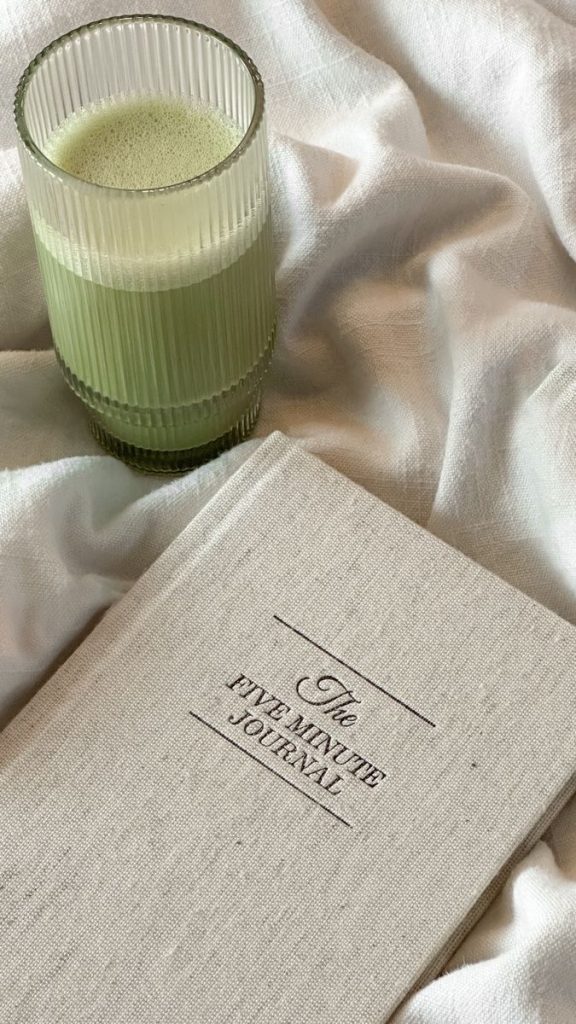
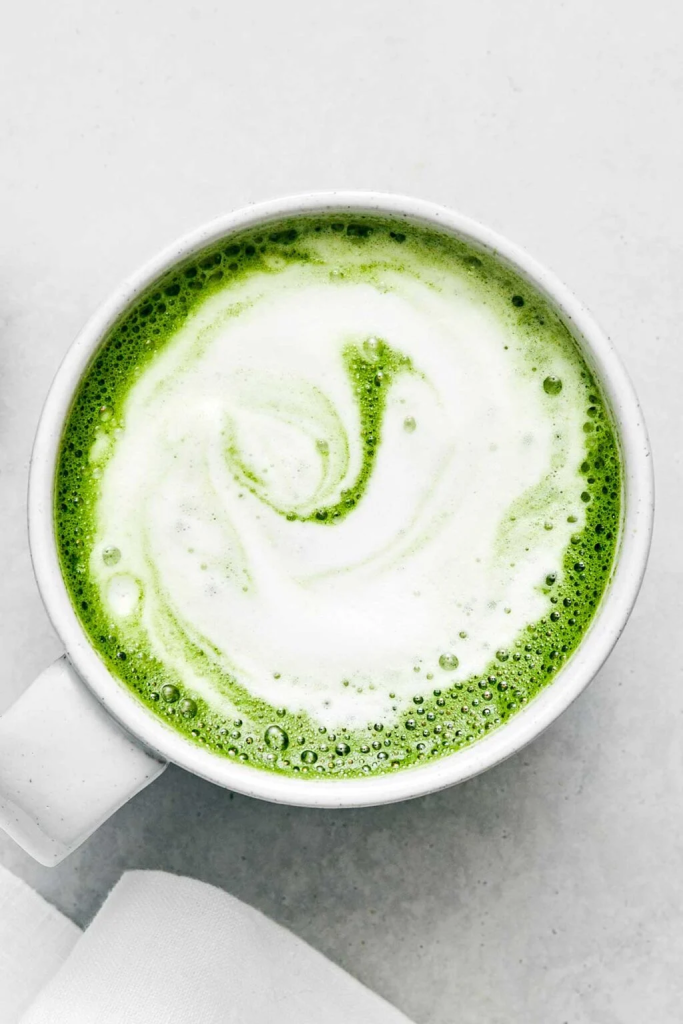
This matcha latte is the perfect blend of earthy matcha, creamy frothed milk, and a touch of sweetness from honey or your favorite sweetener. It’s a refreshing, energizing drink to start your day or enjoy as an afternoon pick-me-up. For an extra boost, you can add collagen or your favorite protein powder to give it a nutritional edge—great for supporting healthy skin, hair, and muscles. Whether you’re sipping it warm or iced, this matcha latte will leave you feeling both refreshed and nourished!
Chocolate-covered strawberries are a simple yet elegant dessert that always impresses! With just three ingredients—ripe, firm strawberries, dark chocolate chips, and a touch of avocado oil—you can easily whip up this sweet treat at home. The avocado oil helps the chocolate melt smoothly and adds a glossy finish, making these strawberries not only delicious but also visually stunning. Perfect for a special occasion or just a fancy snack to treat yourself!
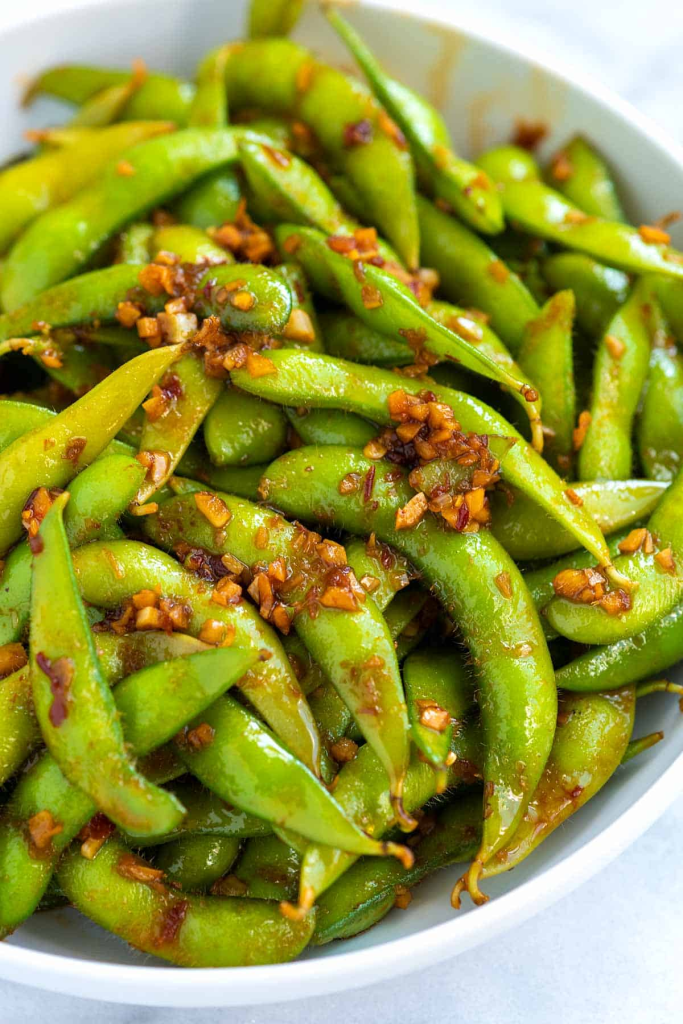
This spicy garlic ginger edamame is the ultimate snack for when you’re craving something savory with a bit of heat. It’s quick to make and perfect for snacking solo or serving at a gathering. This is one snack I can’t get enough of—simple, tasty, and packed with flavor!
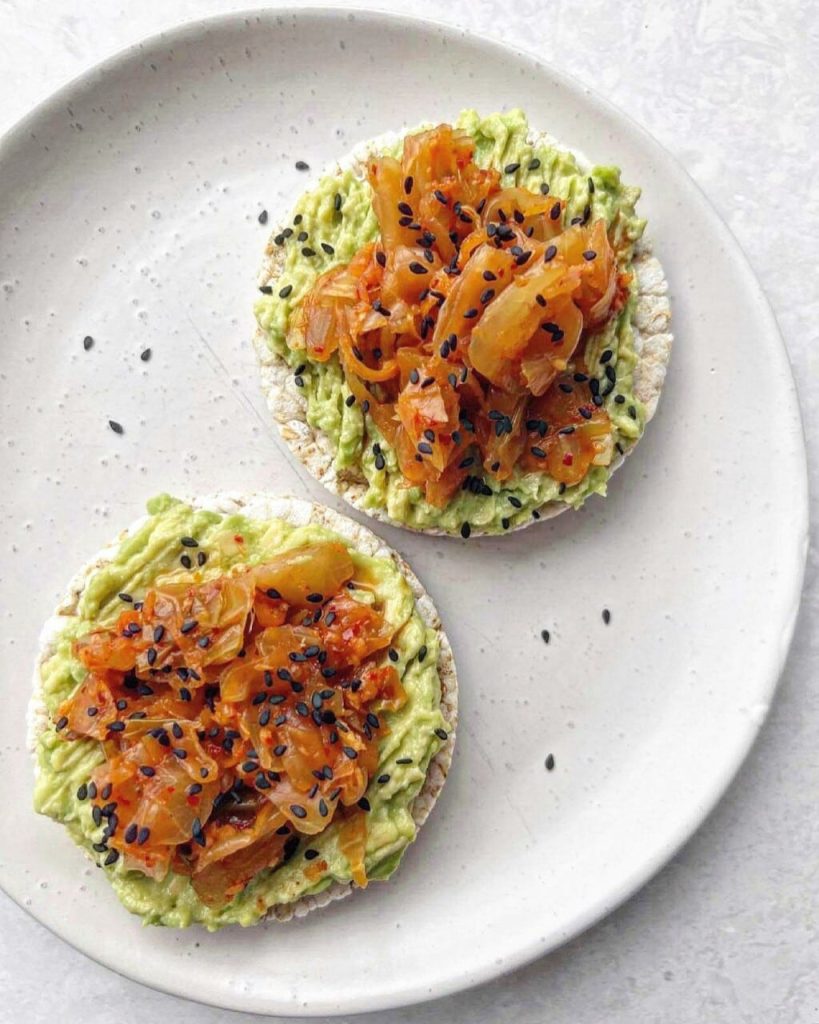
These avocado kimchi rice cakes are a perfect light snack that’s both delicious and nourishing. The creamy avocado pairs beautifully with the tangy, fermented kimchi, which is packed with gut-healthy probiotics. A sprinkle of black sesame seeds adds a nice crunch and a subtle nutty flavor. This combo is not only flavorful but also great for supporting digestion—making it a snack that’s as healthy as it is satisfying!
This kombucha smoothie is a refreshing, easy-to-make treat that’s perfect for summer! Combining the gut-healthy benefits of kombucha with puréed frozen fruit, almond milk, and a touch of maple syrup, it’s both tasty and nourishing. The probiotics in kombucha support digestion, making this smoothie not just delicious but also great for your gut. It’s the ideal blend of sweetness and tanginess, perfect for a quick snack or a light, energizing drink on a warm day!
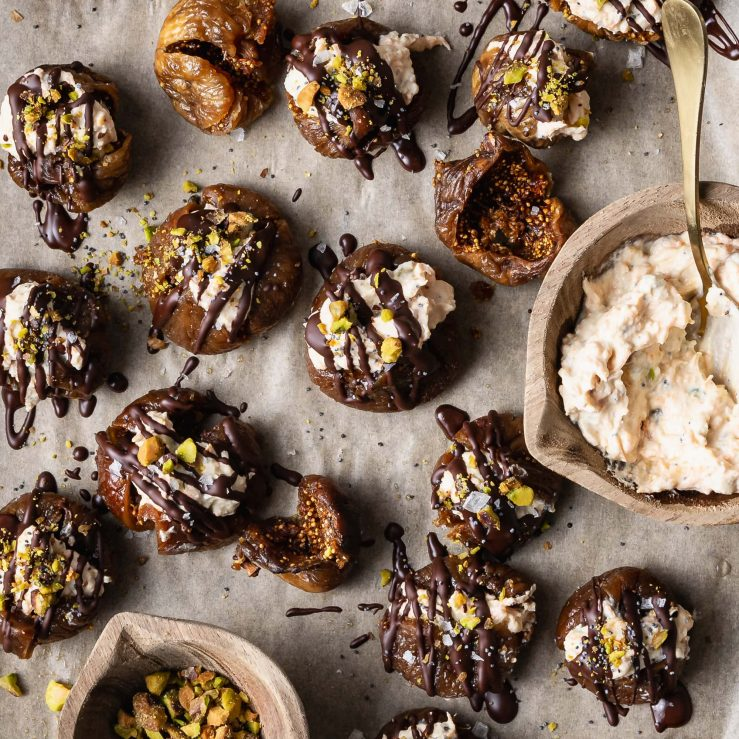
We often hear of stuffed dates, but have you tried stuffed figs? Just as delicious, these chocolate-covered stuffed figs make for a guilt-free treat that’s both indulgent and nutritious. Packed with anti-inflammatory antioxidants, fiber, and polyphenols, they offer a rich, flavorful snack that feels decadent without the guilt. You can even get creative with the stuffing—mix in walnuts, flaxseeds, or pomegranate seeds for a fun twist. These figs, filled with ricotta, orange zest, and pistachios, then dipped in dark chocolate, are a delightful balance of sweet, creamy, and crunchy!
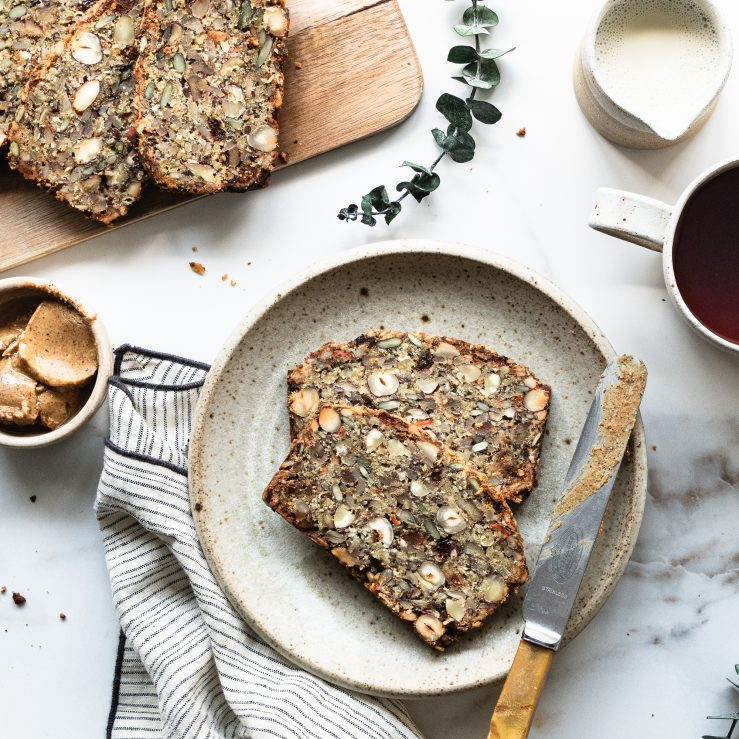
28. Nordic style super seedy & nutty loaf with figs
This Nordic-style super seedy and nutty loaf with figs is an absolute powerhouse when it comes to packing in plant points! With a whopping 16 different varieties of nuts, seeds, and fruits, it’s loaded with gut-loving fiber that’ll keep your digestion in check while satisfying your taste buds. The natural sweetness from the figs paired with the crunch of the seeds makes it the perfect wholesome bread for any meal or snack. It’s so delicious and nutritious, you’ll never want store-bought bread again!
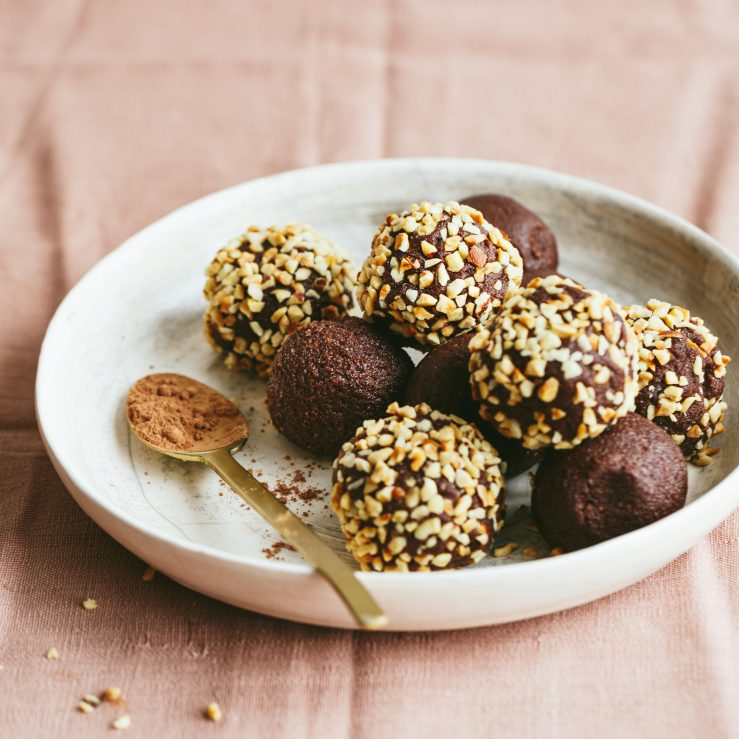
These 10-minute chocolate truffles are a quick and indulgent snack that’s perfect for any time of day. Whether you need a breakfast on-the-go, a mid-morning pick-me-up, or a post-dinner treat, these truffles are packed with rich chocolatey flavor and a satisfying nutty crunch. Plus, they’re made with wholesome ingredients, so they’re not just delicious—they’re great for your gut too. I love how easy they are to whip up, and they always feel like a special little treat!
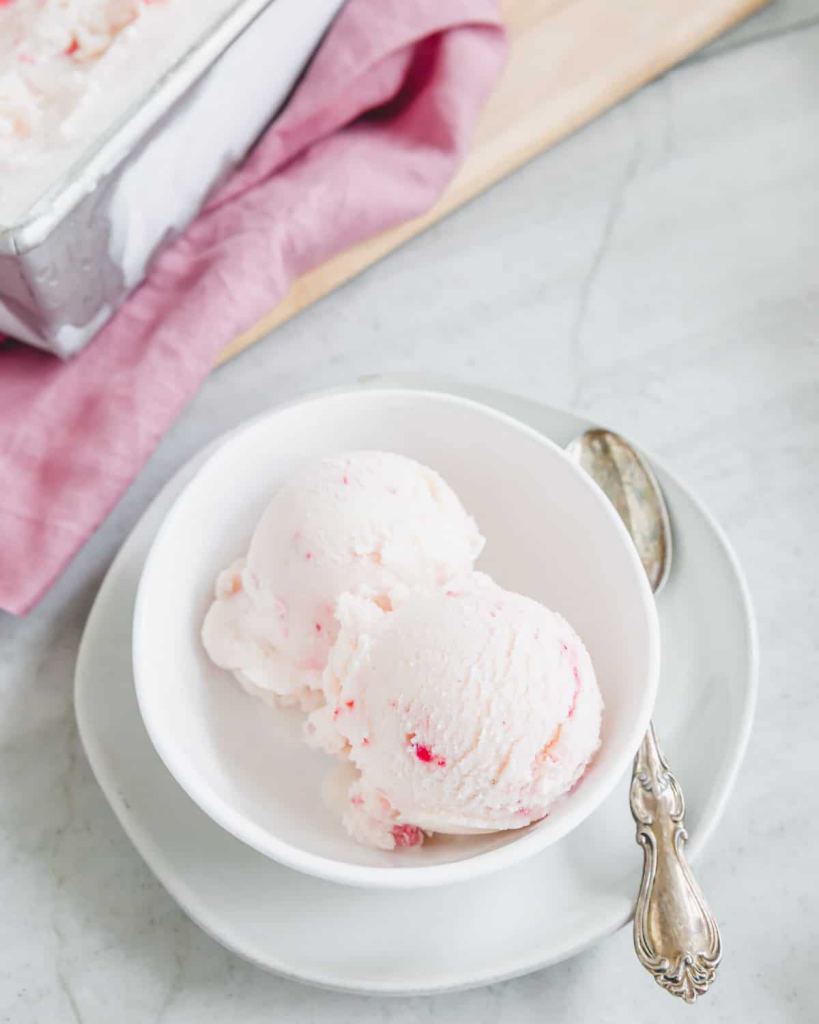
This strawberry kefir ice cream is a refreshing and tangy treat that’s not only delicious but also great for your gut! Made with vanilla kefir, it’s packed with probiotics that help support digestion and overall gut health. The natural sweetness of strawberries and a touch of maple syrup make it the perfect balance of creamy, fruity, and lightly sweet. It’s an easy way to enjoy a guilt-free dessert while giving your gut some love!
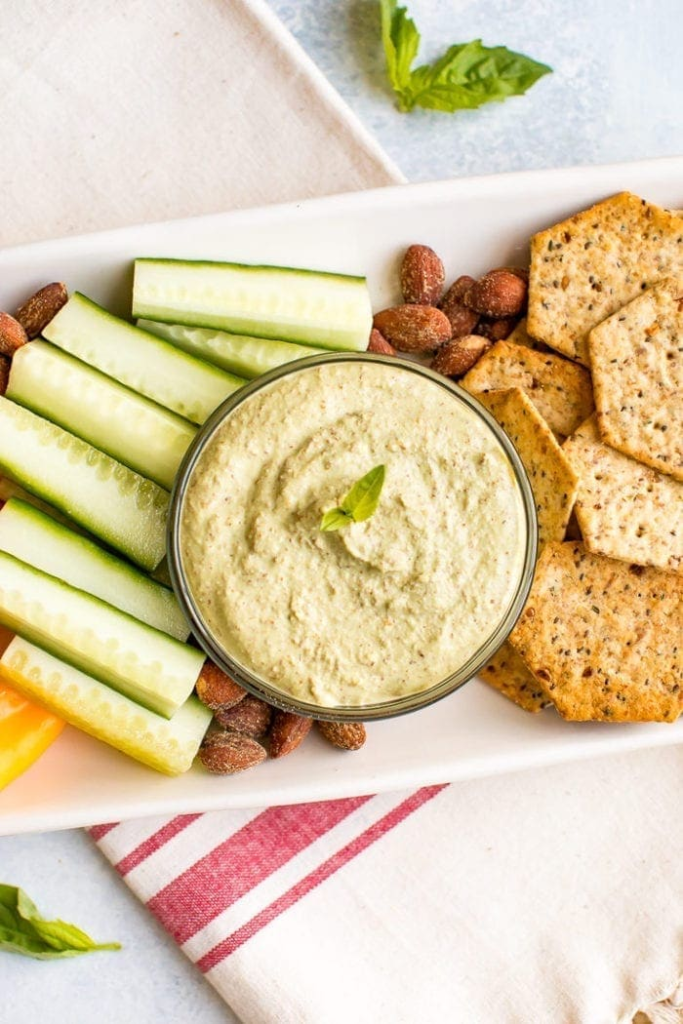
This creamy almond pesto sauce is a versatile, flavor-packed dip that you’ll want to pair with everything! Made with just seven wholesome ingredients, it’s vegan, gluten-free, low-carb, and packed with protein, making it both nutritious and delicious. Whether you’re using it as a dip for veggies, spreading it on sandwiches, or tossing it with pasta, this almond pesto adds a creamy, nutty twist that elevates any dish. Trust me, once you try it, it’ll become a staple in your kitchen!
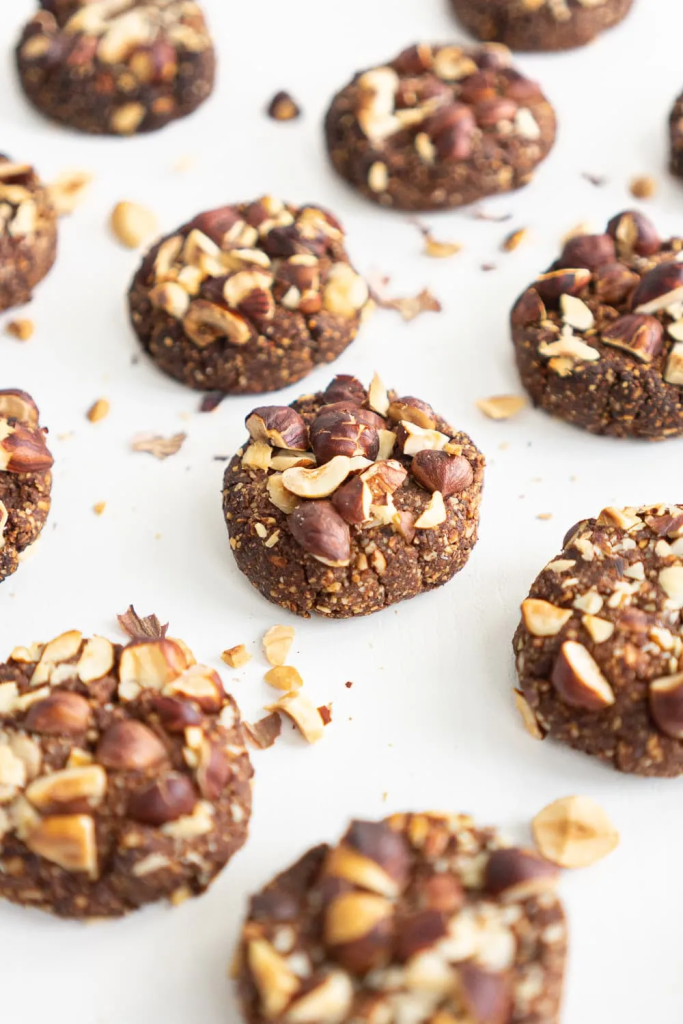
These sugar-free chocolate hazelnut cookies are the perfect guilt-free indulgence! Soft, chewy, and decadently rich, they’re made with wholesome, nourishing ingredients that satisfy your chocolate cravings without any added sugar. Whether you enjoy them as an afternoon treat or a post-dinner dessert, these cookies are so good, you’ll find it hard to stop at just one. A delicious way to indulge without the guilt!
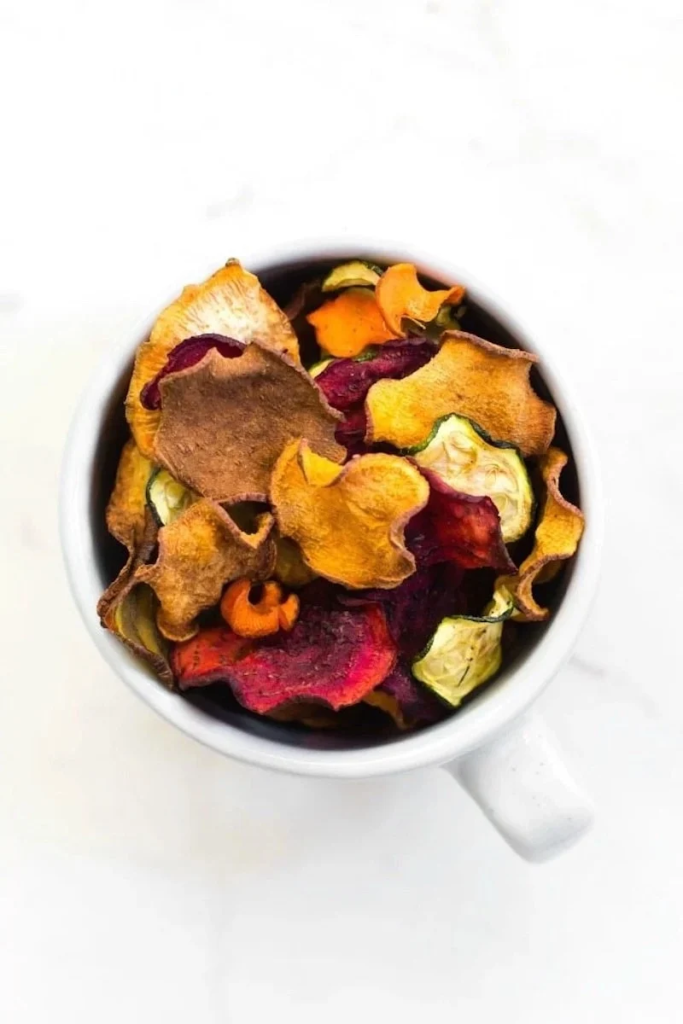
I love making homemade veggie chips—they’re crunchy, crispy, and guilt-free! In just 20 minutes, you can whip up a batch that’s so much better than anything store-bought. Plus, you can control the ingredients, making sure they’re cooked in coconut oil or another non-inflammatory oil for a healthier option. Skip the store-bought versions, which are often loaded with unhealthy fats, and enjoy these fresh, delicious chips as a light, low-calorie snack!
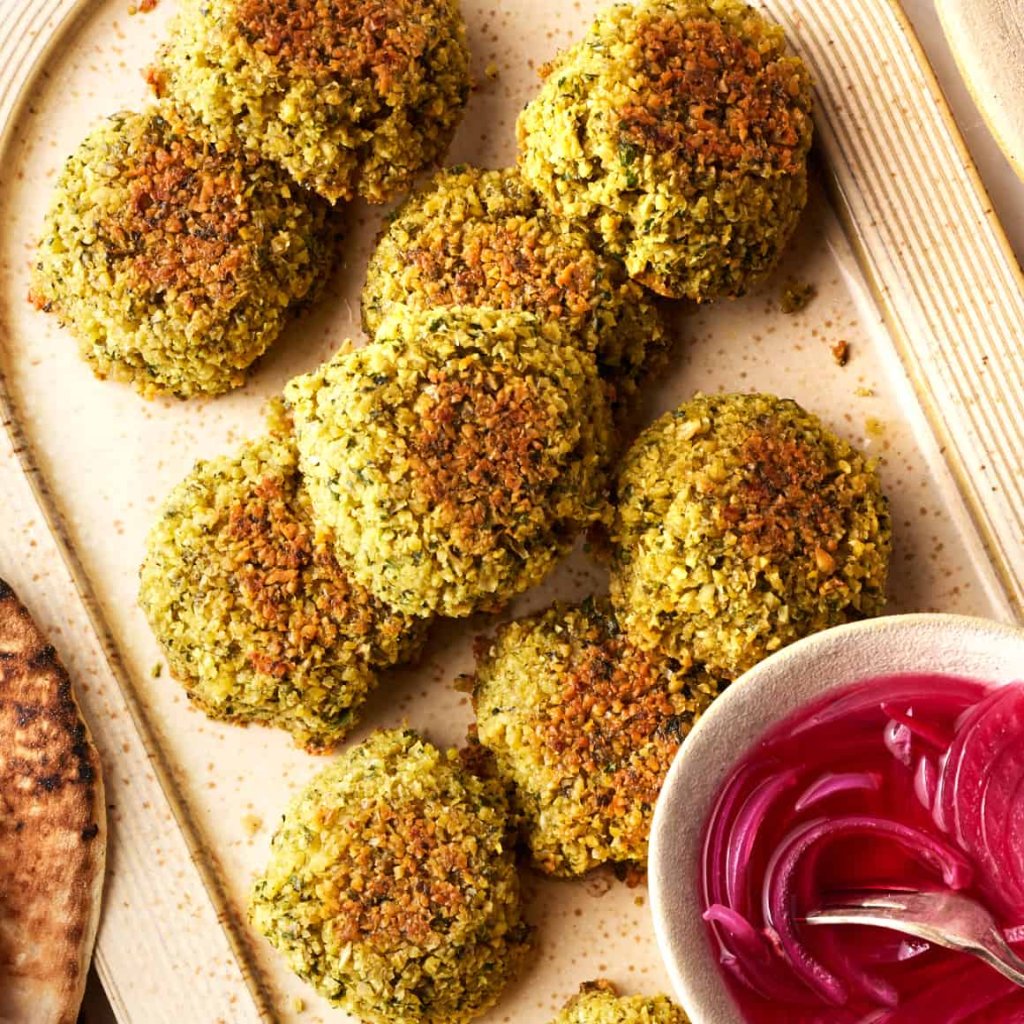
When I first started my non-inflammatory health journey, I was worried I wouldn’t be able to enjoy all the foods I grew up loving, like falafel. Originally, falafel is fried, which makes it less ideal for a non-inflammatory diet. But thankfully, it’s so easy nowadays to find healthier versions of our favorite foods. These flavorful falafel balls, made from ground chickpeas, herbs, and spices, are baked instead of fried for a lighter, healthier twist. They’re just as delicious, and you can serve them in a whole wheat pita wrap with your favorite fixings or try out more fun ideas from the post!
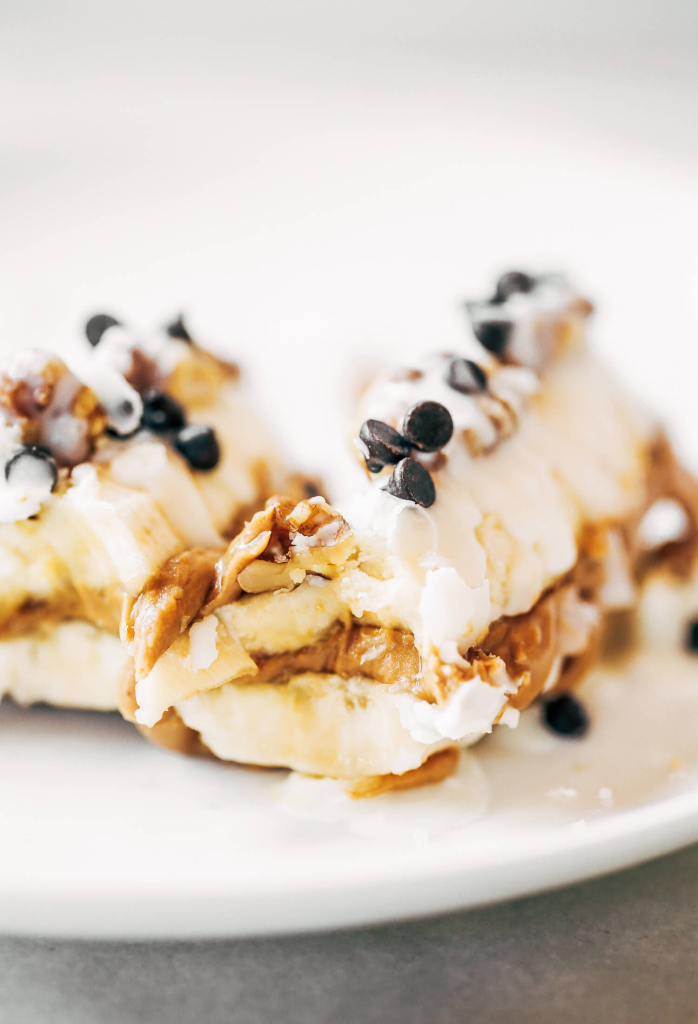
These stuffed bananas are the perfect gut-friendly snack. Filled with creamy almond butter and topped with coconut butter, mini chocolate chips, and a sprinkle of sea salt flakes, they make a simple yet indulgent treat. Whether you’re having them for breakfast or as an after-dinner sweet bite, these stuffed bananas are a delicious way to stay on track with your anti-inflammatory diet while satisfying your cravings. Easy to make and even easier to enjoy!
36. Banana Split
Website // simplehealthykitchen.com
We’re loving this healthy twist on a classic banana split! This gorgeous bowl features a base of creamy Greek yogurt or cottage cheese, both excellent for gut health. Topped with fresh strawberries, blackberries, and a sprinkle of granola, it’s as delicious as it is nutritious! For the oats or granola and that little drizzle of jam, make sure to check the labels and choose sugar-free options to keep things clean and wholesome. This breakfast is a dreamy way to start your day on a tasty, gut-loving note!
This blog post is all about 45 healthy breakfast ideas, offering a variety of sweet and savory options to suit every craving!
Let’s face it—mornings can be a whirlwind, but breakfast doesn’t have to be. Whether you’re craving something savory, sweet, or a quick bite to go, this list of 45 healthy breakfast ideas has something for every taste bud. And the best part? You can prep most of these in 30 minutes or less, so you can enjoy a nutritious start to your day without the hassle.
For me, breakfast has become more than just a meal. It’s a moment of self-care—a way to kick off the day feeling energized and ready to take on whatever comes my way. But I haven’t always been this intentional about it. I used to rush out the door with barely a thought about what I was eating, grabbing whatever was quick and easy. Sound familiar?
That all changed when I started planning ahead. With just a little meal prep, breakfast went from being an afterthought to something I genuinely looked forward to each day. Now, I know that taking a few minutes to prepare a balanced, healthy meal in the morning sets the tone for better choices all day long.
From hearty egg muffins to creamy overnight oats and even grab-and-go granola bars, there’s something for everyone on this list. Plus, if you’re a fan of variety (like me), you’ll love the mix of savory and sweet options to keep things interesting.
Elevate your wellness with these inflammation-fighting foods.
Getty Images
Inflammation is your body’s natural response to injury or infection, but chronic inflammation can lead to serious health issues like heart disease, arthritis, diabetes, and even certain cancers. This persistent inflammation can cause damage to your tissues and organs over time, compromising your overall health.
The good news is that we can fight off chronic inflammation with the right food. Eating anti-inflammatory foods like turmeric, green leafy vegetables, and fatty fish can help reduce harmful inflammation, promoting overall health and preventing these conditions. Incorporating these foods into your diet isn’t just about nutrition; it’s about supporting your body’s ability to heal and stay strong.
Say goodbye to chronic inflammation with these top 10 foods that promote a healthier, happier body.
1. olive oil
Getty Images
Remember when olive oil was just a kitchen staple? It turns out it’s a secret weapon against inflammation! Packed with antioxidants and healthy fats, a drizzle of olive oil can help reduce inflammation and boost your overall wellness.
2. nuts
Nuts are like tiny powerhouses for your body! Packed with healthy fats and antioxidants, they’re perfect for taming inflammation. Make sure to buy them organic when possible and avoid inflammatory oils like sunflower oil. Grab a handful and give your health a tasty boost!
3. ginger
Shutterstock
Ginger isn’t just a kitchen staple; it’s a natural inflammation-fighter! This spicy root has been used for centuries to soothe and heal. Add it to your meals to turn up the flavor and fight inflammation.
4. garlic
Garlic isn’t just for warding off vampires—it’s also a powerful ally against inflammation! With its natural compounds, garlic helps reduce swelling and boost your immune system. Sprinkle it on your dishes to give your health a tasty boost.
5. green tea
Getty Images
Green tea is more than just a soothing beverage; it’s a potent anti-inflammatory agent packed with antioxidants. Sip on this emerald elixir to help calm inflammation and support overall wellness.
6. fatty fish
Fatty fish like salmon and mackerel are not just delicious; they’re also a powerhouse of anti-inflammatory omega-3s. Adding these to your diet can help reduce inflammation and promote heart health.
7. berries
Getty Images
Berries, with their vibrant colors and sweet taste, are packed with antioxidants and anti-inflammatory compounds. A handful of blueberries, strawberries, or raspberries can help calm inflammation and boost overall health.
8. green leagy vegetables
Getty Image
Green leafy veggies like spinach, kale, and Swiss chard are nature’s powerhouses against inflammation. Their rich content of vitamins, minerals, and antioxidants helps soothe your body and support long-term wellness.
9. cruciferous vegetables
iStock
Green leafy veggies such as spinach, kale, and Swiss chard are packed with nutrients that support overall health and vitality. Their high fiber content and array of vitamins and minerals make them essential for a well-rounded diet.
10. turmeric
Getty Images
Turmeric is like nature’s golden spice with a flair for reducing inflammation. Its active compound, curcumin, brings a touch of warmth to your meals and has been celebrated for centuries for its powerful health benefits.
Eating a well-balanced lunch is incredibly important for those managing PCOS (Polycystic Ovary Syndrome). It helps in several key ways: First, it stabilizes blood sugar levels, which can be erratic due to insulin resistance often associated with PCOS. By including complex carbohydrates, lean proteins, and healthy fats, a balanced lunch helps keep energy levels steady and reduces spikes in blood sugar. Second, it supports hormonal balance by providing essential nutrients needed to regulate hormones, such as omega-3 fatty acids and antioxidants found in foods like fish, nuts, and colorful vegetables. Third, it aids in weight management, a common challenge for many with PCOS, by providing nourishment without excessive calories. This not only helps in maintaining a healthy weight but also in reducing symptoms related to weight gain. Overall, a well-balanced lunch is vital for managing PCOS symptoms effectively and promoting overall health and well-being.
I for one know how important it is to have a balanced lunch when you suffer from PCOS. For many years, I wasn’t careful about what I was eating, often opting for high-carb meals at lunchtime. This led to extreme fatigue, and I frequently needed to take a nap after lunch. Thankfully, over the years, I’ve extensively studied all about PCOS, including the importance of eating well-balanced meals, and I have never felt better!
What Your Lunch Should Consist of
Protein: Protein is a vital component of a PCOS-friendly lunch because it helps stabilize blood sugar levels and reduces insulin spikes, which are common concerns for women with PCOS. Protein also supports muscle maintenance and overall metabolic health, which is crucial for managing PCOS symptoms effectively. Examples include:
High-Fiber Carbs: These carbohydrates are known as complex carbs. They are rich in fiber, a type of carbohydrate that undergoes slow digestion. This leads to prolonged satiety and a gradual increase in blood sugar levels. Examples include:
Healthy Fats: Healthy fats are essential for a PCOS-friendly lunch as they provide sustained energy, stabilize blood sugar levels, support hormone balance, promote satiety, aid in nutrient absorption, and contribute to brain health. Incorporating these fats into your lunch meal can help manage symptoms and support overall well-being. Examples include:
Butter
Avocado
Seeds (chia seeds, etc.)
Nuts
Olive oil
The ideal quantity of nutrients that provides the best feeling can differ based on various factors. I suggest trying out different combinations to see how they impact you. Strive to remain satisfied until your next snack or meal. Typically, aim to incorporate a minimum of 20-30g of protein to support balanced nutrition and sustained vitality.
Now, onto the good part! Check out these delicious lunch ideas below.
One of my favorite meal prep options is this Greek chicken salad in a jar. It’s not only incredibly easy to prepare, but it also stays fresh for days, making it a perfect go-to for busy weeks. Layered with juicy grilled chicken, chickpeas, crisp veggies and nuts, cheese, and a tangy dressing, this salad is packed with protein, healthy fats, and plenty of fiber to keep you full and satisfied. Trust me, this recipe will quickly become a staple in your lunch rotation! Find the recipe here.
The star of this salad is the garbanzo bean rotini pasta, which not only packs a punch of protein but also keeps you feeling energized all day long. Mixed in with crunchy cabbage, shredded carrots, fresh cucumber, and sliced scallions, this salad is as vibrant and tasty as it is healthy. But what really makes it special is the dressing—a tangy and creamy mix of orange juice, peanut butter, rice vinegar, liquid aminos, maple syrup, and a touch of garlic. If you’re into a bit of spice, just add some sriracha to give it that extra kick. This salad is perfect for meal prep, staying fresh and delicious for days. It’s a great way to enjoy the flavors of Thailand while keeping things nutritious and satisfying. Perfect for those busy weeks when you need a quick, healthy meal! Find the recipe here.
This chicken burrito bowl is a delicious and satisfying lunch option that’s perfect for meal prep. Loaded with juicy grilled chicken, black beans, corn, fresh veggies, and avocado, it’s packed with protein and fiber to keep you full and energized. The combination of flavors and textures makes every bite exciting, and you can customize it with your favorite toppings. Find the recipe here.
These salmon stuffed avocados are packed with heart-healthy omega-3 fatty acids from the salmon and healthy fats from the avocado, this dish is a powerhouse of nutrition. The creamy avocado pairs perfectly with the savory salmon, creating a flavorful and satisfying meal. It’s easy to prepare and makes for a great lunch that will keep you full and energized throughout the day. Find the recipe here.
5. Spinach & Feta Turkey Meatballs with Herbed Quinoa
Photo Credit: Eating Well
Each serving of these spinach and feta turkey meatballs with herbed quinoa provides a hefty 30 grams of protein, making it ideal for women with PCOS. This dish is bursting with fresh, vibrant flavors. A dollop of tzatziki on the side adds a creamy finish, making this meal as delightful as it is nutritious. Find the recipe here.
6. Tuna Poke Bowl
Photo Credit: Delish
This tuna poke bowl is a refreshing and nutritious lunch option that’s perfect for PCOS. Packed with lean protein from the fresh tuna and a variety of colorful veggies, this bowl is as delicious as it is healthy. The combination of flavors from the marinated tuna and crunchy vegetables creates a satisfying meal that’s rich in omega-3 fatty acids and essential nutrients. Enjoy a taste of the tropics while nourishing your body with this vibrant and flavorful poke bowl! Find the recipe here.
7. Chicken Lettuce Wraps
Photo Credit: Erin Lives Whole
These chicken lettuce wraps are a light and flavorful lunch option. Made with ground chicken, diced onions, garlic, and ginger, these wraps are bursting with savory goodness. The addition of sesame oil, sriracha, rice vinegar, soy sauce (or coconut aminos for a gluten-free option), and honey creates a deliciously tangy and slightly sweet sauce. Find the recipe here.
8. Chickpea Salad Sandwich
Photo Credit: Love and Lemons
This chickpea salad is a hearty and flavorful lunch option made with cooked chickpeas, tahini, Dijon mustard, garlic, capers, green onions, cilantro, and fresh lemon juice. it’s packed with protein and fiber to keep you satisfied. For a healthier twist, serve the salad on whole wheat toast instead of a baguette. Find the recipe here.
9. Beef Taco Bowl With Salsa Ranch
Photo Credit: The Real Food. Dietitians
This beef taco bowl is made with lean ground beef seasoned with homemade taco seasoning and tomato paste, it’s packed with savory goodness. The addition of salsa ranch—a creamy blend of salsa, sour cream, and ranch dressing—adds a tangy kick that complements the beef perfectly. Serve it over cooked rice or cauliflower rice and top with your favorite toppings. This bowl is customizable and delicious, making it a fantastic choice for a nutritious and flavorful lunch! Find the recipe here.
10. Sweet And Sour Chicken (Full Of Veggies, Lower In Sugar)
Photo Credit: The Real Food Dietitians
This healthy sweet and sour chicken is a nutritious and flavorful option for lunch, perfect for those managing PCOS. Packed with colorful veggies and lower in sugar than traditional recipes, it’s a guilt-free way to enjoy a classic dish. Tender chicken is stir-fried with a variety of vegetables and coated in a tangy sweet and sour sauce that’s lighter on sugar. This recipe proves that eating well doesn’t mean sacrificing flavor—enjoy a healthier twist on a beloved favorite! Find the recipe here.
11. Tuna Salad
Photo Credit: Feel Good Foodie
This healthy tuna salad is made with white albacore tuna, minced celery, red onion, Greek yogurt, lemon juice, Dijon mustard, salt, pepper, and chopped parsley, it’s bursting with flavor and nutrients. The Greek yogurt provides a creamy texture without the need for mayonnaise, keeping it light and lower in fat. Enjoy this salad on its own, as a sandwich filling, or atop a bed of greens for a satisfying and wholesome meal, low in carbohydrates. Find the recipe here.
12. Salmon Bowl
Photo Credit: Eating Bird Food
This salmon bowl is perfect for meal prep, offering a balanced and flavorful easy lunch option. This recipe is not only nutritious but also convenient, making it a great choice for busy days when you want a wholesome meal ready to go. Find the recipe here.
13. Nicoise Mason Jar Salad
Photo Credit: Eating Bird Food
This Nicoise mason jar salad combines fresh veggies, canned tuna, potatoes and hard boiled egg with a lemon vinaigrette. It’s flavorful, loaded with protein and is perfect for meal prep! Find the recipe here.
14. Pear Salad with Walnuts, Avocado and Grilled Chicken
Photo Credit: Eating Bird Food
An easy pear salad with walnuts, avocado and grilled chicken. This combo makes for a satisfying meal-sized salad that’s perfect for pear season! Find the recipe here.
15. Thai Peanut Quinoa Salad
Photo Credit: The Real Food Dietitians
This Thai peanut quinoa salad is a vibrant and satisfying choice for lunch, packed with a colorful mix of veggies. Tossed in a creamy peanut dressing and topped with crushed peanuts, cilantro, and lime juice. It’s the perfect blend of crunchy, savory, and tangy—a salad you’ll crave week after week. Serve with lime wedges for an extra zing. Find the recipe here.
16. Beef and Lentil Stew (Moroccan-Spiced)
Photo Credit: The Real Food Dietitians
This Moroccan-Spiced Beef and Lentil Stew makes for a flavorful and hearty lunch option. Featuring tender stew meat, warm spices, plenty of vegetables, and nutritious lentils, it’s a satisfying meal that’s easy to prepare. With minimal hands-on time, it cooks low and slow for just over 7 hours. This stew is ideal for preparing in advance, offering a healthful twist on comforting flavors. For a vegan option, the recipe author also provide a delicious alternative using lentils. Find the recipe here.
17. Curry Egg Salad
Photo Credit: Real Food Dietitians
Elevate your lunch with this delightful Curry Egg Salad! It’s a refreshing twist on the classic egg salad, infused with aromatic curry that adds a burst of exotic taste. Perfect for lunches or as a quick post-workout snack, this salad can be served elegantly on a bed of greens, atop crisp cucumber slices, or nestled into a crisp lettuce leaf. Enjoy the satisfying combination of creamy eggs and flavorful curry—it’s a delightful departure from the ordinary! Find the recipe here.
18. Pesto Chicken Salad
Photo Credit: Momma Fit Lyndsey
This super easy pesto chicken salad recipe is perfect for wraps and made with just 3 ingredients. It’s ready in under 5 minutes, ideal for those rushed mornings. Enjoy it with healthy crackers, on a bed of salad, or in a whole grain sandwich for a nutritious option. Find the recipe here.
19. Sweet Potato and Black Bean Quesadillas
Photo Credit: Well Plated
These sweet potato and black beans quesadillas have a crispy exterior and cheesy, smoky sweet potato and black bean filling. They are easy to make in any quantity, very affordable, and most importantly, delicious! Find the recipe here.
20. Turkey, Avocado & Hummus Wrap
Photo Credit: Iowa Girl Eats
Wrap up lunch in a flash with this turkey and red pepper hummus wrap! A satisfying meal that’s ready in minutes—perfect for busy days! Find the recipe here.
21. Mango Avocado Shrimp Salsa
Photo Credit: How Sweet Eats
This refreshing mango avocado shrimp salad is perfect for summer lunches enjoyed outdoors with colleagues or at home. It combines juicy shrimp, sweet grape tomatoes, fresh mango, creamy avocado, spicy jalapeno, crisp red onion, and fragrant cilantro. Serve it with healthy tortilla chips for a satisfying and light meal that’s ideal for warm days. Enjoy the tropical goodness of this salad—it’s a delightful blend of flavors and textures! Find the recipe here.
22. Buffalo Ranch Egg Salad
Photo Credit: The Real Food Dietitians
Step up your lunch game with this zesty Buffalo Ranch Egg Salad! It’s not your average egg salad—it’s packed with diced hard-boiled eggs, crunchy celery, minced shallots, and sliced green onions, all dressed in a creamy blend of Tessemae’s Organic Pantry Buffalo Ranch for that perfect tangy kick. Serve on a bed of butter lettuce or leaf lettuce for a refreshing crunch. Say goodbye to boring lunches—this Buffalo Ranch Egg Salad brings bold flavors and excitement to your midday meal! Find the recipe here.
23. Spaghetti Squash and Meatballs
Photo Credit: Healthy Recipes Blog
This spaghetti squash and meatballs is a great low-carb comfort food that is ready in less than one hour. Find the recipe here.
24. Beef Bowl
Photo Credit: The Dizzy Cook
This Southwestern Beef Protein Bowl is not only delicious but also budget-friendly and low in carbs. Packed with seasoned ground beef, eggs, spinach, cauliflower rice, and zucchini, it’s a healthy choice for breakfast, lunch, or dinner. With over 30 grams of protein per serving, this bowl is easy to prepare and a fantastic way to incorporate more veggies into your diet. Find the recipe here.
25. Fully Loaded Burger Bowl with “Special Sauce”
Photo Credit: 40aprons
Imagine enjoying all the flavors of a classic hamburger without the bun—just in a satisfying and mouthwatering salad-style dish. This fully-loaded burger bowl is a quick and simple alternative to traditional lettuce-wrapped burgers. It lets you indulge in all your favorite burger toppings, complete with our easy-to-make ‘special sauce’.
Enjoy!
Disclaimer: All content found on the Classyandwell.com were created for informational purposes only. The information and recipes provided in this blog are based on my personal experiences and research. The content is not intended to be a substitute for professional medical advice, diagnosis, or treatment.