Category: Fitness

  • The Truth About Cardio: How Much Do You Really Need?

    The Truth About Cardio: How Much Do You Really Need?

    Experts weigh in on how much cardio is ideal, depending on your fitness goals.

    When it comes to fitness, cardio has long been celebrated as the go-to exercise for weight loss, heart health, and overall well-being. But how much cardio is truly necessary to see results? While some people swear by hours of running or cycling, others question if less might actually be more. Let’s break it down.

    Why Cardio Matters

    Cardio, short for cardiovascular exercise, includes activities that raise your heart rate, like running, swimming, cycling, or even brisk walking. Dr. Elizabeth Miller, a cardiologist, explains that “cardio is essential for strengthening the heart muscle and improving circulation, which reduces the risk of heart disease.” Beyond heart health, cardio has been linked to better mental clarity, improved mood, and better endurance.

    Research published in The Lancet highlights that just 30 minutes of brisk walking daily can lower the risk of cardiovascular disease by up to 31%. Simple steps like walking during lunch breaks or taking stairs instead of elevators can make a measurable difference.

    How Much Cardio Do Experts Recommend?

    The Centers for Disease Control and Prevention (CDC) recommend at least 150 minutes of moderate-intensity aerobic activity or 75 minutes of vigorous-intensity aerobic activity per week. This breaks down to about 30 minutes a day, five times a week, for most people. However, your goals—whether it’s weight loss, muscle building, or endurance—can influence how much cardio you actually need.

    According to Dr. Amanda Lopez, a certified personal trainer, “Beginners should aim for manageable sessions, such as three 20-minute workouts per week, and gradually increase as their endurance improves.”

    Fitness scientist Dr. Steven Hughes notes that these guidelines are a starting point: “For individuals aiming for weight loss, adding an extra 15-20 minutes per session can accelerate calorie burn, but be careful not to sacrifice recovery time.”

    Is Too Much Cardio a Problem?

    Yes, there is such a thing as overdoing cardio. Research from the Journal of the American Heart Association suggests that excessive cardio—think running marathons regularly or daily hours of intense training—may put undue stress on the heart. Overtraining can also lead to injuries, fatigue, and muscle loss.

    Strength coach Mike Robinson emphasizes balance: “If you’re doing hours of cardio daily without incorporating rest or strength training, you’re likely burning muscle, which isn’t ideal for long-term health or fitness goals.”

    Real-life example: Avid runner Sarah Jennings reduced her daily cardio from 90 minutes to 45 minutes and added two days of strength training. Within three months, she noticed improvements in muscle tone, reduced fatigue, and better overall performance.

    The Bare Minimum: Can You Do Less and Still See Results?

    Absolutely! Studies have shown that short bursts of high-intensity interval training (HIIT) can be just as effective as longer cardio sessions. A 2017 study in the journal Medicine & Science in Sports & Exercise found that 20 minutes of HIIT three times a week significantly improved cardiovascular health and reduced body fat in participants.

    “HIIT is perfect for busy individuals,” says fitness expert Rachel Tanner. “You can work up a sweat, burn calories, and boost your metabolism in less time.”

    Sample HIIT workout:

    • 30 seconds of sprinting or cycling at maximum effort.
    • 1 minute of slow-paced recovery.
    • Repeat for 10-20 minutes depending on your fitness level.

    Balancing Cardio with Strength Training
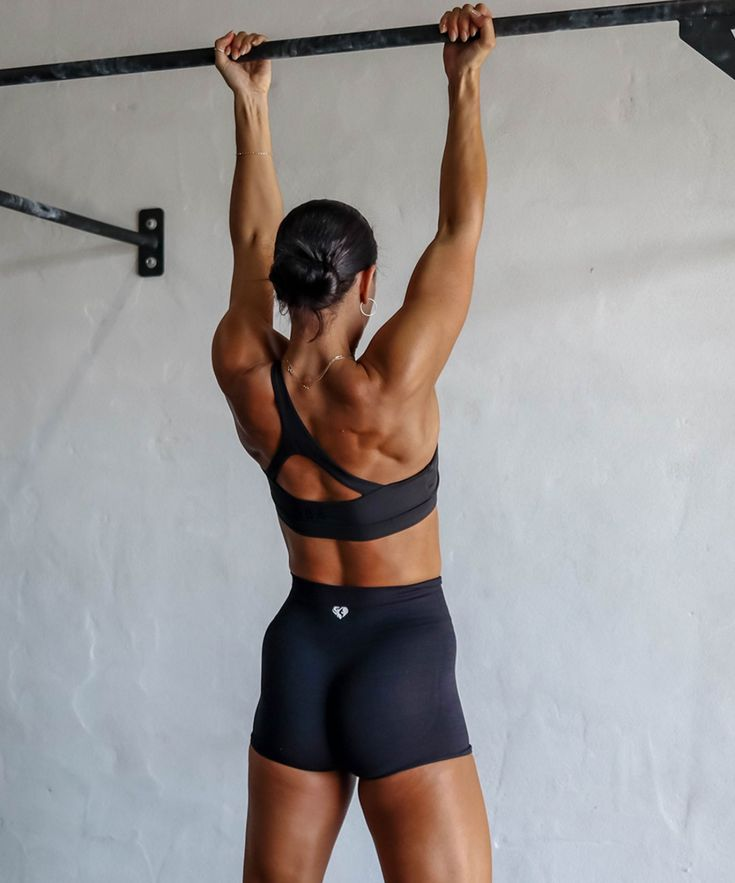
    Cardio is important, but it shouldn’t be your only focus. Certified personal trainer Jeff Adams advises combining cardio with strength training: “Lifting weights builds muscle, which increases your resting metabolic rate, helping you burn more calories even when you’re not working out.”

    For example, a weekly routine might include:

    • 3 days of cardio (e.g., running, cycling, or swimming)
    • 2 days of strength training (e.g., weightlifting, resistance exercises)
    • 1 active recovery day (e.g., yoga, stretching, or a light walk)

    A balanced approach ensures that you’re not only burning calories but also building a stronger, more resilient body. Cross-training activities like rowing or kettlebell workouts are excellent ways to combine cardio and strength.

    The Role of Consistency

    Whether you’re doing HIIT, steady-state cardio, or a mix of both, consistency is key. Dr. Jason Peters, a sports medicine specialist, notes that “small, consistent efforts over time lead to the best results. Aim for sustainability, not perfection.”

    For beginners, this might mean starting with just 10 minutes of walking a day. As your stamina improves, you can add time or intensity. “It’s better to start small and build up than to burn out early,” adds Peters.

    According to a study from the American College of Sports Medicine, those who maintained consistent weekly exercise routines saw a 25% higher rate of long-term adherence compared to those who went all-in for short periods and then stopped.

    Listen to Your Body

    One size doesn’t fit all when it comes to cardio. Factors like age, fitness level, and overall health should guide your routine. If you feel overly fatigued, experience joint pain, or dread your workouts, it’s time to reassess. “Your body needs rest as much as it needs movement,” says Dr. Miller.

    Tip: Use wearable fitness trackers to monitor your heart rate and recovery times. Resting heart rate and heart rate variability (HRV) are excellent indicators of your overall fitness and readiness for cardio sessions.

    Final Thoughts

    Cardio is an essential part of a well-rounded fitness routine, but more isn’t always better. By understanding your goals and incorporating expert-backed recommendations, you can create a sustainable and enjoyable cardio plan that works for you. Whether it’s a quick HIIT session, a scenic jog, or a dance class, find what you love and make it a part of your lifestyle.
  • 2025 Fitness Goals: How to Set and Achieve Them with Expert Insights

    2025 Fitness Goals: How to Set and Achieve Them with Expert Insights

    Discover practical strategies and expert advice to set realistic fitness goals that will keep you motivated and on track throughout the year.

    Stocksy

    As we step into 2025, many of us are eager to set new fitness resolutions and start the year off strong. But with so many options and conflicting advice out there, it can be overwhelming to know where to begin. The key to success isn’t in drastic changes or quick fixes, but in setting realistic, sustainable goals that you can maintain throughout the year. Experts agree that the most effective way to achieve your fitness aspirations is by creating SMART goals—goals that are Specific, Measurable, Achievable, Relevant, and Time-bound. In this post, we’ll explore expert advice on how to set achievable fitness goals, break them down into manageable steps, and stay consistent to make 2025 your healthiest year yet. Whether you’re looking to lose weight, build strength, or simply improve your overall health, these strategies will help you stay on track and see lasting results.

    Set SMART Goals
    Photo Credit: thecoachingtoolscompany.com

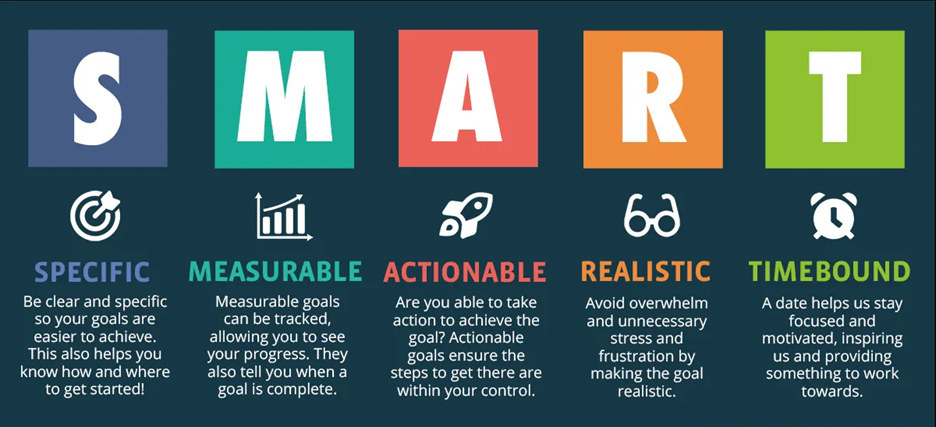
    Start by defining goals that are Specific, Measurable, Achievable, Relevant, and Time-bound. For example, instead of saying, “I want to lose weight,” aim for “I want to lose 10 pounds in 3 months by exercising 4 times a week and eating a balanced diet.”

    What Is a Realistic Fitness New Year’s Resolution?

    Setting fitness goals for the new year can be exciting, whether you’re looking to improve flexibility, shed a few pounds, or build core strength. Certified personal trainer Jenny Liebl emphasizes the importance of creating SMART goals: Specific, Measurable, Attainable, Realistic, and Time-bound.

    Breaking Down SMART Goals

    • Specific: Define exactly what you aim to accomplish. For instance, instead of saying, “I want to lose weight,” specify it with, “I want to lose 15 pounds.”
    • Measurable: Ensure your goal can be tracked or quantified, so you’ll know when you’ve reached it.
    • Attainable: Evaluate whether the goal is achievable for your circumstances. For example, losing 15 pounds might be reasonable for someone with 35% body fat but not for someone with 16% body fat.
    • Realistic: Set goals that are achievable and aligned with longer-term aspirations. For example, reducing blood pressure through weight loss at a healthy rate is both realistic and beneficial.
    • Time-bound: Assign a timeline or deadline to your goal. This creates a sense of urgency and helps maintain focus.

    An Example of a Realistic Resolution

    Imagine someone who is 5’7”, weighs 184 pounds, and has 35% body fat. A goal to lose 15 pounds could be realistic and beneficial, particularly if it helps reduce high blood pressure. By focusing on achievable milestones within a set timeframe, they can stay motivated and track progress effectively.

    Making fitness resolutions that align with the SMART framework increases the likelihood of success and promotes sustainable habits for the future.

    How Much Should You Exercise Daily?

    Making exercise a daily habit can be beneficial, but life doesn’t always allow for it. Fortunately, staying active doesn’t have to mean working out every single day. The CDC recommends that adults aim for 150 minutes of physical activity along with two days of muscle-strengthening exercises each week. This can be broken down into a schedule that works for you and doesn’t necessarily require daily workouts.

    Tracking steps is another practical way to incorporate exercise into your routine. According to Harvard Medical School, walking at least 7,500 steps per day could increase your lifespan. A smartwatch or pedometer can help you monitor your progress and celebrate milestones as you achieve them.

    Practical Exercise Tips

    One effective way to meet the weekly exercise recommendation is by walking for 30 minutes, five days a week. Alternatively, you could opt for 1 hour and 15 minutes of more intense physical activity weekly, such as a workout class or a long run. Combining moderate activity with more vigorous sessions at least two days per week is another great option to maintain a balanced routine.

    Find a Workout You Enjoy

    Fitness doesn’t have to mean hours in the gym. Try different activities like yoga, dance, hiking, or strength training until you find something you love. When you enjoy what you’re doing, it’s easier to stay consistent.

    Make Small, Sustainable Changes

    Rather than overhauling your lifestyle overnight, focus on small, manageable adjustments. Swap soda for water, take the stairs instead of the elevator, or add an extra serving of veggies to your meals. These small changes add up over time.

    Stretching 10 minutes a day

    Feeling stiff when you start moving? Daily stretching might be the perfect resolution for you. Board-certified family physician Dr. Shahinaz Soliman suggests dedicating just 10 minutes a day to stretching as a realistic and achievable fitness goal. She emphasizes the importance of creating a routine that prioritizes flexibility and mobility to reduce the risk of injuries.

    Incorporating even a few minutes of stretching into your daily routine can help prevent muscle stiffness and joint tightness. While stretching before a workout is common, it’s not the only time it’s beneficial. According to Dr. Soliman, stretching for 10 minutes can be done before or after exercise or anytime during the day. A practical SMART goal could be to stretch your calves daily until you’re able to touch your toes.

    Try a Quick 15-Minute Workout

    When life feels hectic or your budget is tight, committing to an expensive fitness class or sports league might feel like too much. But don’t give up on your fitness goals! Instead, focus on small, achievable steps. Logan suggests, “Sustainable progress often starts with small, consistent habits.” If daily Pilates seems overwhelming, begin with a short 15-minute session a few times a week. Every little victory counts, and it’s important to celebrate that. Logan advises, “As you get comfortable with your routine, slowly increase the intensity or frequency. This gradual approach builds confidence and allows you to challenge yourself more as time goes on.”

    Walk 30 Minutes a Day

    If you’re looking to meet the CDC’s recommended activity levels, a daily walk—whether in the morning or evening—could be the perfect solution. Dr. Soliman emphasizes that “Walking is a great goal for staying active without overburdening yourself.”

    Though it may seem like a simple goal, walking can have a significant impact on your health. According to Dr. Soliman, regular walks can lead to “improved cardiovascular health, a better mood, and increased energy.” To make this a SMART goal, consider starting with two days a week and aim to reach five days a week within a set timeframe. Gradually increase the duration and intensity of your walks as you feel more comfortable.

    Prioritize Strength Training

    Building muscle not only improves your metabolism but also enhances overall body composition. Incorporate strength training exercises, like weightlifting or bodyweight exercises, at least 2-3 times a week.

    Strength training works your entire body, targeting key areas like the glutes, shoulders, and upper back. It’s an excellent complement to aerobic activities such as walking or running, which enhance cardiovascular health and lung capacity but often neglect major muscle groups. According to Dr. Soliman, “Weight training is essential for boosting muscle mass, improving bone density, and increasing metabolic rate.”

    Unlike aerobic exercises, strength training doesn’t require daily commitment. Dr. Soliman recommends engaging in strength training twice a week, with sessions lasting 20 to 30 minutes each. No special equipment is necessary—you can perform bodyweight exercises like squats and push-ups or incorporate resistance bands for variety and added challenge.

    Create a Balanced Meal Plan
    iStock

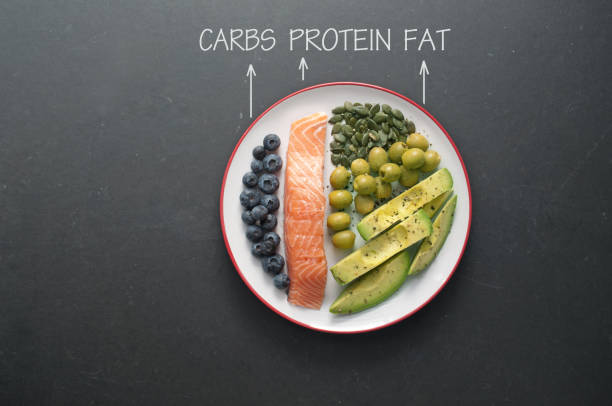
    Your diet plays a significant role in achieving your fitness goals. Focus on whole, nutrient-dense foods, including lean proteins, healthy fats, and complex carbohydrates. Use the 80/20 rule: eat nutritious meals 80% of the time and enjoy your favorite treats 20% of the time.

    Stay Hydrated

    Drinking enough water is crucial for energy, metabolism, and recovery. Aim for at least 8-10 glasses of water daily, and adjust based on your activity level.

    Prioritize Sleep and Recovery

    Rest is just as important as exercise. Aim for 7-9 hours of quality sleep each night to allow your body to recover and recharge. Consider incorporating active recovery days with activities like stretching or light yoga.

    Track Your Progress

    Use a fitness app, journal, or photos to monitor your progress. Tracking helps you stay motivated and provides a clear picture of what’s working and what might need adjustment.

    Be Patient and Consistent

    Achieving fitness goals, especially weight loss, is not an overnight process—it takes time, dedication, and a commitment to consistency. Experts agree that focusing on small, sustainable changes rather than seeking perfection will set you up for long-term success.

    According to Dr. Jason, a fitness and wellness expert, “Progress in fitness is often gradual. It’s essential to stay patient and remember that every step forward, no matter how small, is progress.” Studies show that adopting consistent habits over time leads to more lasting results than extreme, short-term efforts. For instance, a study published in Obesity Reviews found that people who engage in moderate physical activity, like walking or light aerobic exercises, consistently over the course of several months are more likely to experience lasting weight loss compared to those who attempt quick fixes.

    In addition, the National Institutes of Health (NIH) reports that the average rate of weight loss for most people is about 1-2 pounds per week, which is a healthy and sustainable pace. So if you’re aiming to shed pounds, it’s important to keep in mind that slow and steady wins the race. It may not seem like much in the short term, but these small wins will add up.

    It’s also crucial to not get discouraged by setbacks. “Everyone encounters obstacles or faces moments of self-doubt,” says Dr. Soliman, a behavioral health expert. “The key is not to let those moments derail your overall progress. Instead, use them as learning opportunities.”

    Celebrate those small victories along the way—whether it’s completing a workout, hitting a step count, or making healthier food choices. Each achievement is a building block that helps you get closer to your ultimate fitness goal.

    The Bottom Line

    Setting realistic fitness goals for 2025 is about making small, sustainable changes that add up over time. By using the SMART framework, you can define clear, measurable, and achievable goals that align with your lifestyle and long-term aspirations. Whether it’s committing to regular walking, incorporating strength training, or prioritizing consistency over perfection, the key is to stay patient and celebrate progress along the way. Remember, fitness is a journey, not a destination—focus on building healthy habits that support your well-being and keep you motivated. With dedication and a balanced approach, you’ll set yourself up for success in the new year and beyond.

  • 35 Best Motivational Quotes for Crushing Your 2025 Fitness Goals

    35 Best Motivational Quotes for Crushing Your 2025 Fitness Goals

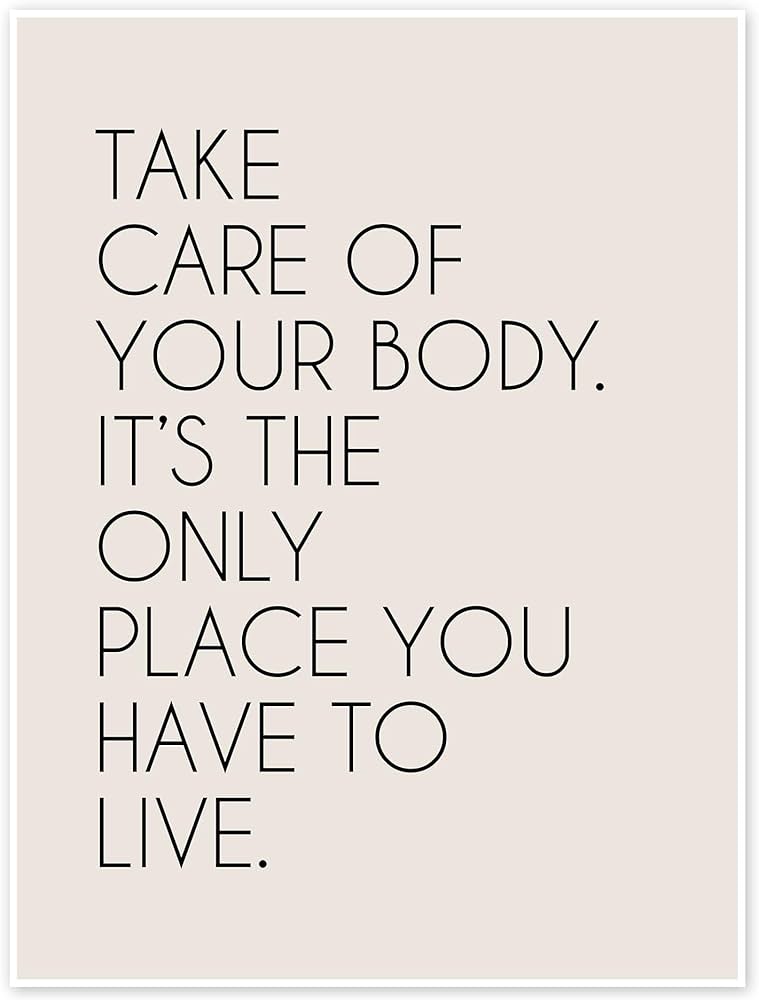
    “Take care of your body. It’s the only place you have to live.” – Jim Rohn

    This collection of 35 motivational quotes is designed to fuel your determination and inspire you to crush your fitness goals in 2025. Whether you’re looking to stay consistent, push through challenges, or embrace the journey, these powerful words will remind you of your strength and resilience. Add a couple of your favorite quotes from this list to your fitness vision board, and let them guide you toward your goals all year long. As the saying goes, “Success starts with self-belief” — and with these quotes, you’ll believe in yourself every step of the way!

    1. “The secret of getting ahead is getting started.” – Mark Twain
    2. “It’s not about perfect. It’s about effort.” – Jillian Michaels
    3. “Take care of your body. It’s the only place you have to live.” – Jim Rohn
    4. “It always seems impossible until it’s done.” – Nelson Mandela
    5. “Energy and persistence conquer all things.” – Benjamin Franklin
    6. “The difference between the impossible and the possible lies in a person’s determination.” – Tommy Lasorda
    7. “Don’t count the days; make the days count.” – Muhammad Ali
    8. “You miss 100% of the shots you don’t take.” – Wayne Gretzky
    9. “Success is the sum of small efforts, repeated day in and day out.” – Robert Collier
    10. “The harder the battle, the sweeter the victory.” – Les Brown
    11. “What hurts today makes you stronger tomorrow.” – Jay Cutler
    12. “Your body can stand almost anything. It’s your mind that you have to convince.” – Vince Lombardi
    13. “Action is the foundational key to all success.” – Pablo Picasso
    14. “The only bad workout is the one you didn’t do.” – George Allen
    15. “Exercise is king. Nutrition is queen. Put them together, and you’ve got a kingdom.” – Jack LaLanne
    16. “Take care of your body. It’s the only place you have to live.” – Jim Rohn
    17. “Do what you can, with what you have, where you are.” – Theodore Roosevelt
    18. “The secret of getting ahead is getting started.” – Mark Twain
    19. “Perseverance is not a long race; it is many short races one after the other.” – Walter Elliot
    20. “The pain you feel today will be the strength you feel tomorrow.” – Arnold Schwarzenegger
    21. “What you get by achieving your goals is not as important as what you become by achieving your goals.” – Zig Ziglar
    22. “Fitness is not about being better than someone else. It’s about being better than you used to be.” – Khloe Kardashian
    23. “To enjoy the glow of good health, you must exercise.” – Gene Tunney
    24. “Fall seven times, stand up eight.” – Japanese Proverb
    25. “If it doesn’t challenge you, it doesn’t change you.” – Fred DeVito
    26. “A year from now, you may wish you had started today.” – Karen Lamb
    27. Here are eight more fitness quotes attributed to their authors:
    28. “You are never too old to set another goal or to dream a new dream.” – C.S. Lewis
    29. “Fitness is like a relationship. You can’t cheat and expect it to work.” – Unknown
    30. “Believe you can and you’re halfway there.” – Theodore Roosevelt
    31. “The only limit to our realization of tomorrow is our doubts of today.” – Franklin D. Roosevelt
    32. “Discipline is the bridge between goals and accomplishment.” – Jim Rohn
    33. “A person who never made a mistake never tried anything new.” – Albert Einstein
    34. “Strength comes from doing what you thought you couldn’t do.” – Unknown

  • Can Pilates Help You Lose Weight?

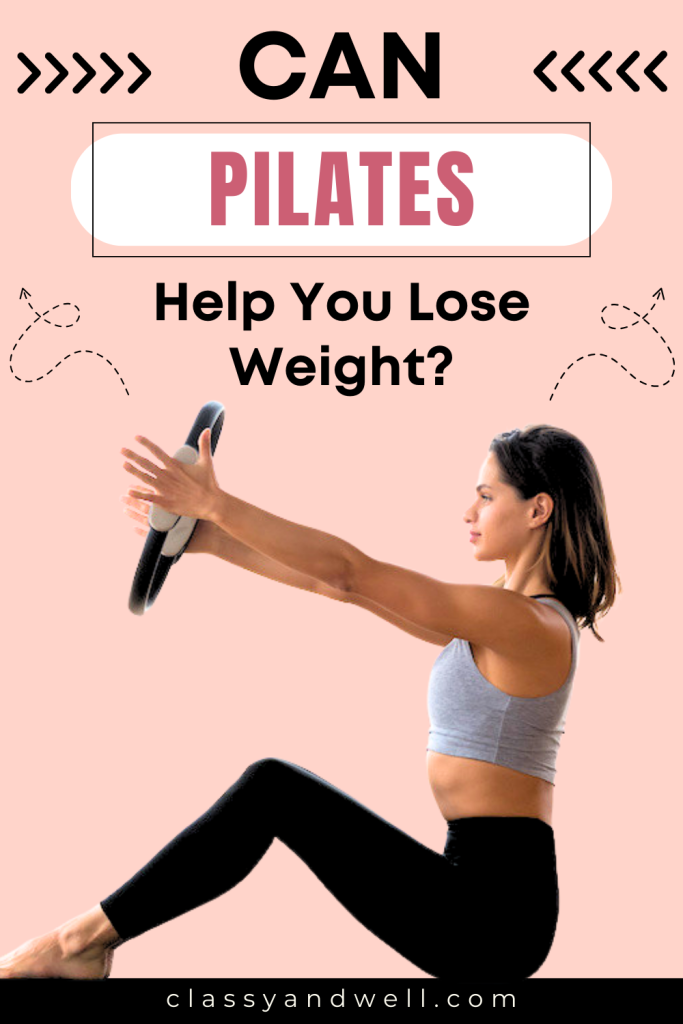
    Can Pilates Help You Lose Weight?

    Wondering if Pilates can help you shed pounds? Let’s dive into what the experts say and how you can make this low-impact workout a powerful part of your weight loss journey.

    When it comes to fitness trends, Pilates continues to hold its ground as a favorite for many. It’s not just about the allure of toned abs or improved posture—Pilates has gained recognition for its role in overall wellness. But if you’re wondering whether Pilates can help with weight loss, let’s break it down.

    What Is Pilates?

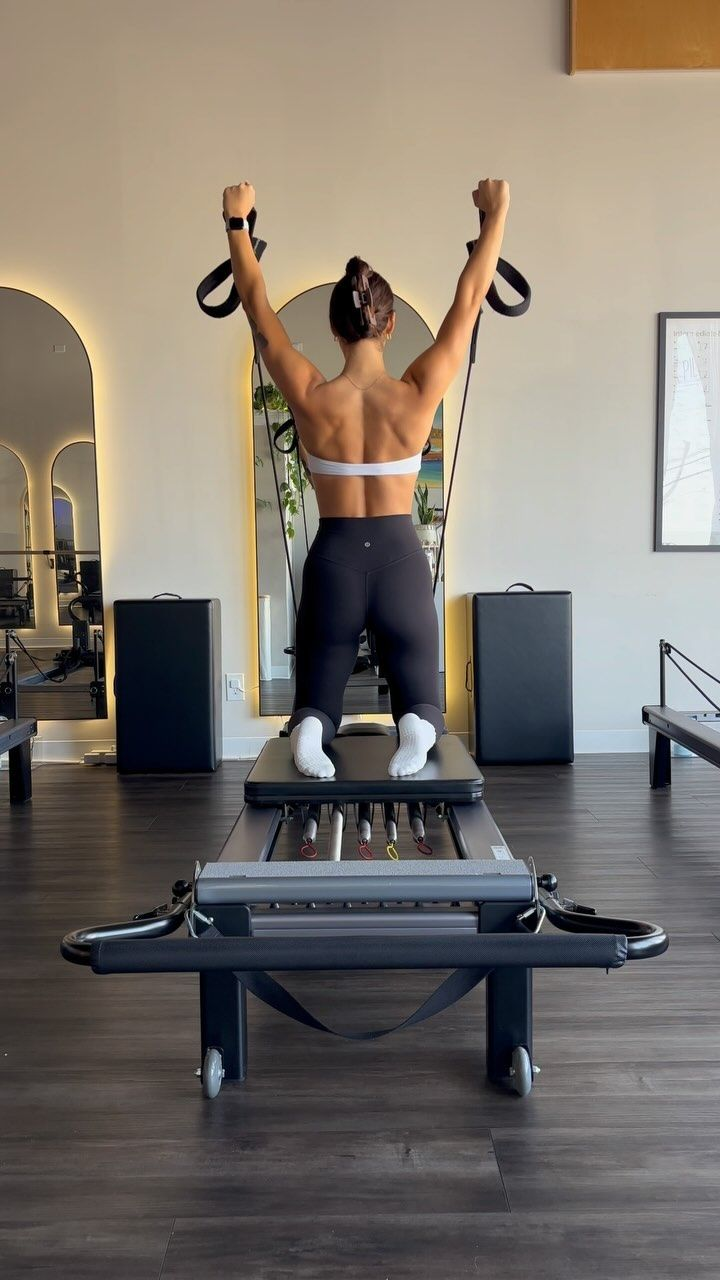
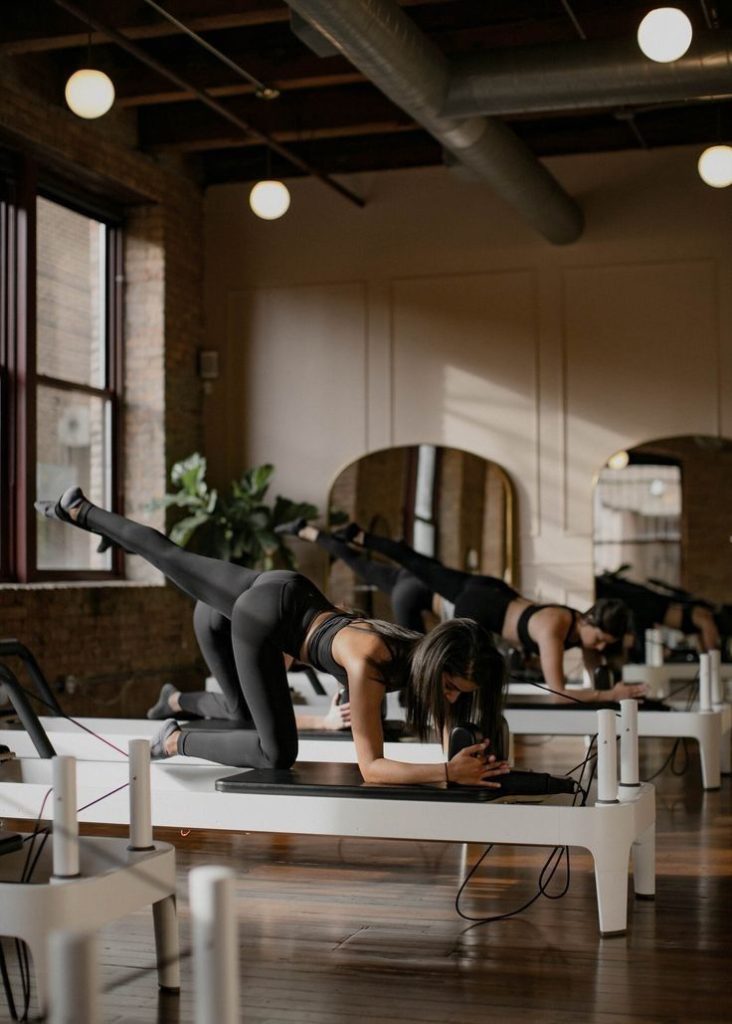
    At its core, Pilates is a low-impact workout designed to improve strength, flexibility, and body awareness. Created by Joseph Pilates in the 20th century, this method focuses on controlled movements that engage the core and stabilizing muscles. Whether you’re using a mat or a reformer (a piece of equipment with springs and pulleys), Pilates is designed to help you move better, feel better, and yes, look better too.

    How Does Pilates Support Weight Loss?

    While Pilates isn’t a high-calorie-burning workout like running or HIIT, it offers unique benefits that can aid in weight management:
    1. Increases Muscle Tone:
    Pilates helps build lean muscle, especially in the core. More muscle means a higher resting metabolic rate, which helps your body burn calories more efficiently—even when you’re at rest.
    2. Improves Body Awareness:
    Pilates strengthens your mind-body connection, making you more conscious of how your body moves. This awareness often spills over into your daily habits, including how you eat, which can naturally lead to healthier choices.
    3. Supports Stress Management:
    Stress can be a sneaky contributor to weight gain. Pilates emphasizes deep breathing and mindful movement, which can reduce cortisol levels and promote a sense of calm.
    4. Boosts Overall Activity:
    Incorporating Pilates into your routine can complement other forms of exercise. For example, its focus on flexibility and core strength can enhance your performance in running, cycling, or even weightlifting.

    Can You Lose Weight Doing Only Pilates?

    While Pilates is fantastic for toning and improving overall health, it’s not a magic bullet for weight loss on its own. Weight loss occurs when you burn more calories than you consume, and Pilates, depending on the intensity, burns about 200-450 calories per hour.

    To maximize results, it’s best to pair Pilates with other forms of exercise, like cardio, and maintain a balanced, nutritious diet. Think of it as a piece of the puzzle rather than the entire picture.

    Who Is Pilates Best For?

    Pilates is for everyone—beginners, seasoned athletes, and anyone in between. It’s particularly beneficial for those looking for a low-impact workout that strengthens the core, improves posture, and supports mobility. Plus, it’s gentle on the joints, making it a great choice if you’re recovering from an injury or just getting back into fitness.

    My Take on Pilates

    As someone who’s experienced a significant weight loss journey, I’ve found that Pilates can be a game-changer, especially when it comes to maintaining results. It’s not just about shedding pounds—it’s about feeling stronger, more balanced, and connected to your body.

    If you’re looking to try something new, give Pilates a shot. Start with a beginner class to get the basics down, and remember, consistency is key.

    What are your thoughts on Pilates? Have you tried it before? Let me know in the comments—I’d love to hear about your experience!

  • 7 Beginner-Friendly Pilates Workouts on Youtube You’ll Love

    7 Beginner-Friendly Pilates Workouts on Youtube You’ll Love

    Photo Credit: The Aligned Studio

    If you’ve been scrolling through social media lately, you’ve probably noticed a buzz around Pilates. It’s like everyone and their grandmother is raving about it—and for good reason! Pilates has taken the fitness world by storm, and it’s not just a passing trend. This low-impact workout is fantastic for strengthening your core, improving flexibility, and boosting overall body awareness. Plus, it’s a great way to de-stress and focus on your well-being.

    One of the best things about Pilates is that you don’t need fancy equipment or a pricey gym membership to get started. Most of the time, all you need is a mat and a little bit of space. This makes it perfect for those of us who are working out at home (or avoiding the gym for, let’s be honest, way too many reasons). And thanks to the magic of YouTube, you can find tons of beginner-friendly Pilates workouts that cater to all fitness levels and schedules. Whether you have 5 minutes or 30, there’s a workout waiting for you.

    In this post, I’m sharing some of my favorite beginner-friendly Pilates videos on YouTube. These workouts are led by some fantastic instructors who explain the key principles of Pilates in a clear, gentle, and often fun way. So, grab your mat, put on your favorite workout gear, and let’s dive into the world of Pilates. Trust me, your body will thank you, and you might even find yourself looking forward to these workouts as a highlight of your day!

    1. Youtube pilates workout: 30-minute full body pilates workout with nicole

    This 30-minute full-body Pilates workout by Move With Nicole is perfect for beginners starting their Pilates journey. You can easily follow along at home with no equipment needed. Strengthen your core, improve flexibility, and feel great with Nicole’s clear instructions and encouraging style.

    2. Youtube pilates workout for beginners: 10-MINUTE WORKOUT WITH JESSICA VALANT

    If the thought of a 30-minute Pilates session feels daunting, I suggest starting with Jessica Valant’s 10-minute workout. She is a physical therapist and Pilates instructor certified by Polestar Pilates. It’s the first of a series of 10-minute workouts aimed at easing you into Pilates gradually. Doing these daily will help you feel stronger and more energetic over time. Jessica breaks down Pilates basics in a simple way and explains the benefits of Pilates.

    3. Youtube pilates workout for beginners: 15-minute abs and hip workout by flow with mira

    In this beginner-friendly Pilates video, Flow with Mira will guide you through a series of 10 exercises to strengthen your abdominal muscles and hips. It’s perfect for anyone looking for a slower, gentler Pilates workout. These low-impact exercises are not only great for building strength but can also help relieve back pain.

    4. YOUTUBE PILATES WORKOUT FOR BEGINNERS: 30-MINUTE CORE-FOCUSED PILATES WORKOUT WITH KHETANYA HENDERSON

    In this video, fitness trainer Khetanya Henderson teams up with Leilani Terris and Paulyn Baens for a fun workout. You’ll need a household towel and a yoga mat for added support as you go through plank and crunch variations targeting your abs and legs. Henderson’s unique take on Pilates pulses and holds will leave you feeling centered and balanced.

    5. YOUTUBE PILATES WORKOUT FOR BEGINNERS: for weight loss & stregth 28 day challenge day 1 (17 min)

    This workout video by Rachel’s Fit Pilates is designed for weight loss and strength training. Rachel guides you through a 28-day challenge, perfect for those looking to step up their fitness game. Each session is approximately 20 minutes long, making it easy to fit into your daily routine. Get ready to feel stronger and more confident with this engaging and effective workout series.

    6. youtube pilates workout for beginners: 20-minute pilates with isa welly

    This practice is led by certified Pilates instructor Isa-Welly Locoh-Donou. She explains some of the key principles of Pilates and gently guides you through each exercise. It’s a perfect introduction for beginners, offering clear and effective instruction to help you get the most out of your workout.

    7. YOUTUBE PILATES FOR BEGINNERS: 5-MINUTE PILATES CORE WITH KHETANYA HENDERSON

    I call this one the ‘no excuse’ Pilates workout because it’s only 5 minutes long. It’s an intense, quick, and effective session that includes crunches, roll-ups, and the Pilates series of 5. For all the busy people who need a fast workout to feel refreshed and ready to kickstart the day, this one’s for you!

    Enjoy lovelies! Xx

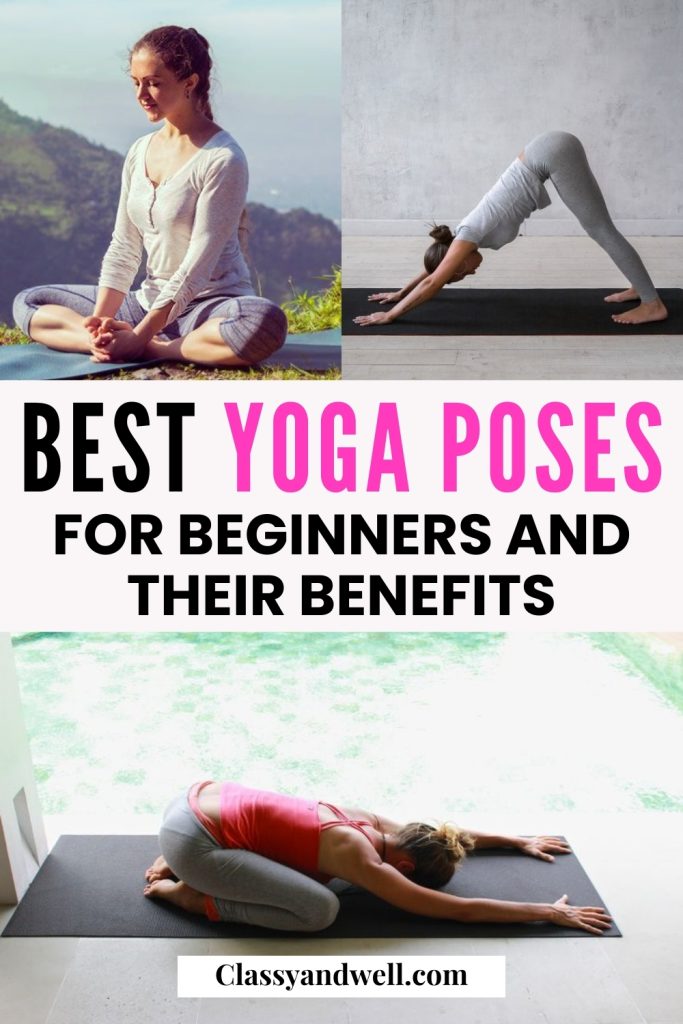
  • Best Yoga Poses for Beginners and Their Benefits

    Best Yoga Poses for Beginners and Their Benefits

    “Yoga is the journey of the self, through the self, to the self.” — The Bhagavad Gita

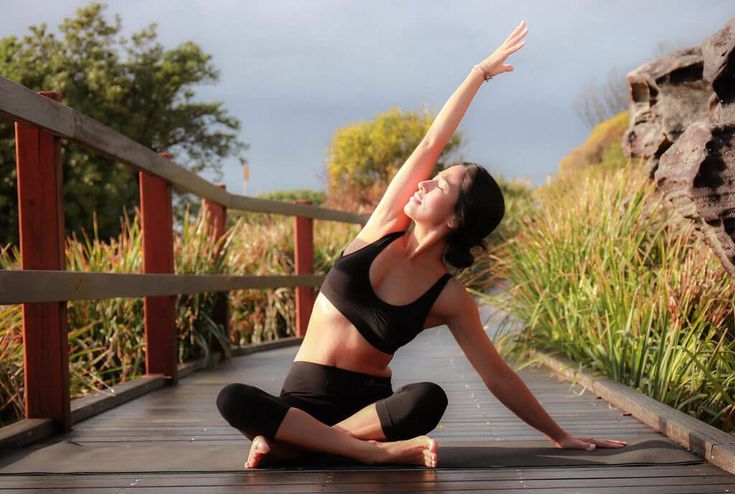
    Embarking on a yoga journey can be both exciting and a bit daunting, especially if you’re new to the practice. Yoga offers a wonderful blend of physical and mental benefits, making it a perfect choice for those looking to enhance their overall well-being. Whether you’re aiming to improve your flexibility, reduce stress, or simply find a new way to stay active, starting with some beginner-friendly poses is a great way to ease into yoga.

    Research also indicates that regular yoga practice can have additional benefits such as reducing inflammation in the body, improving immune function, and aiding in pain management. Yoga has been shown to enhance mindfulness and promote a positive outlook on life, contributing to better emotional resilience and overall quality of life.

    Here are some of the best yoga poses for beginners and the benefits they bring.

    Enjoy this soothing music playlist while practicing yoga as a beginner.
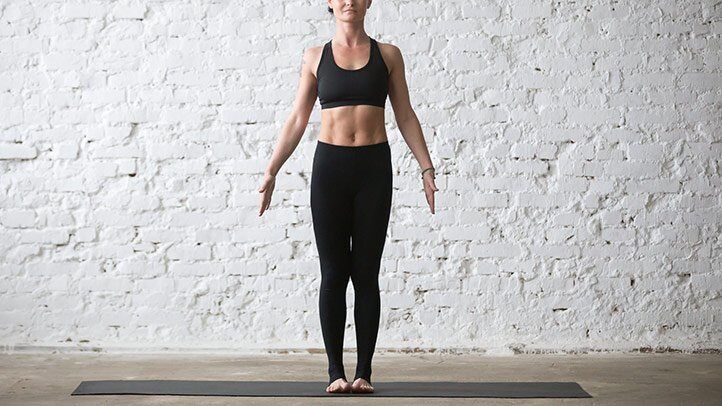
    1. Mountain Pose – Tadasana
    Source: iStock

    The Mountain Pose (Tadasana) is a foundational yoga posture. Stand with your feet together, arms at your sides, and weight evenly distributed. Engage your thigh muscles, lift your chest, and lengthen through the spine. Keep your shoulders relaxed and arms strong. This pose helps improve posture and creates a sense of grounding and stability.

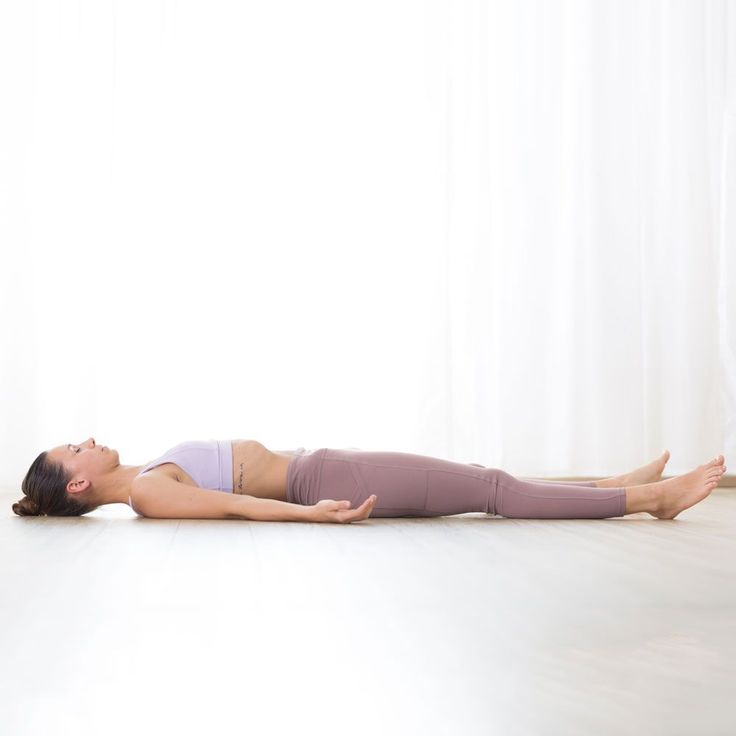
    2. Corpse Pose – Savasana
    Source: Pinterest

    Corpse Pose (Savasana) is a relaxation posture typically done at the end of a yoga session. Lie flat on your back with your legs slightly apart and arms at your sides, palms facing up. Close your eyes and focus on deep, even breathing, allowing your body to completely relax and release tension. This pose helps to calm the mind and rejuvenate the body.

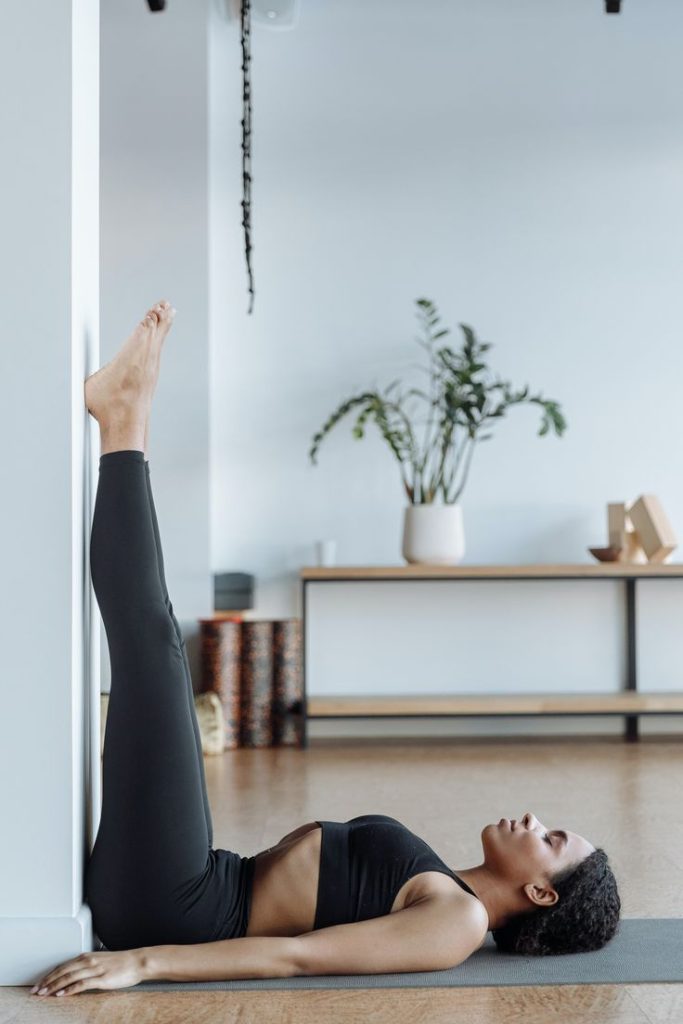
    3. Legs Up the Wall – Viparita Karani
    Source: YogaEasy

    Legs Up the Wall (Viparita Karani) is a restorative yoga pose. Lie on your back with your hips close to a wall and extend your legs up, resting them against the wall. Keep your arms relaxed at your sides, palms facing up. This pose promotes relaxation, reduces swelling in the legs, and improves circulation.

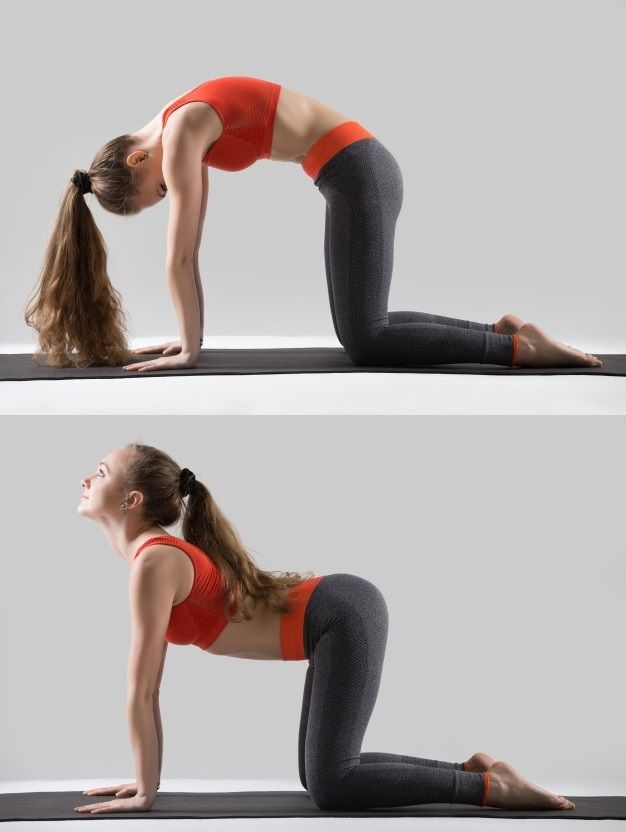
    4. Cat-Cow – Marjaryasana-Bitilasana
    Source: Yogapins

    Cat-Cow Pose (Marjaryasana-Bitilasana) is a gentle, flowing sequence that warms up the spine. Start on all fours with your wrists under your shoulders and knees under your hips. Inhale into Cow Pose, arching your back, dropping your belly, and lifting your head and tailbone. Exhale into Cat Pose, rounding your spine, tucking your chin to your chest, and drawing your belly towards your spine. This sequence improves flexibility, relieves tension, and enhances spinal mobility.

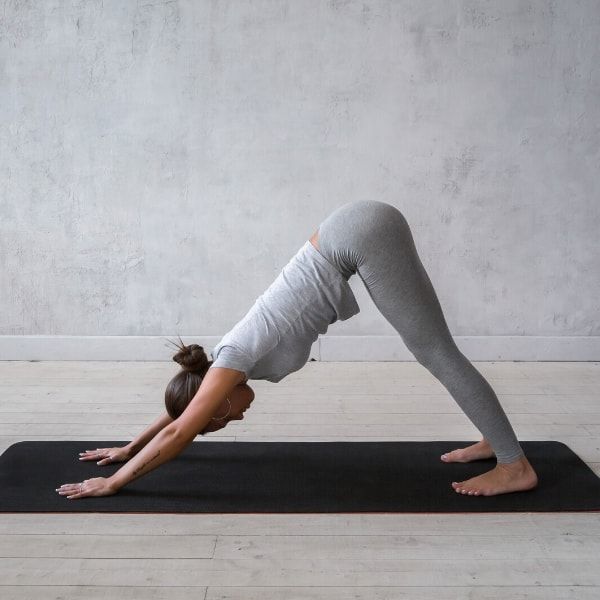
    5. Downward Facing Dog – Adho Mukha Shwanasana
    Source: HaloHealthcare.com

    Downward Facing Dog (Adho Mukha Shvanasana) is another foundational yoga pose. Start on all fours, then lift your hips up and back, straightening your legs and forming an inverted V-shape. Spread your fingers wide, pressing firmly into the mat, and keep your head between your arms. This pose strengthens the arms and legs, stretches the spine, and improves overall flexibility and circulation.

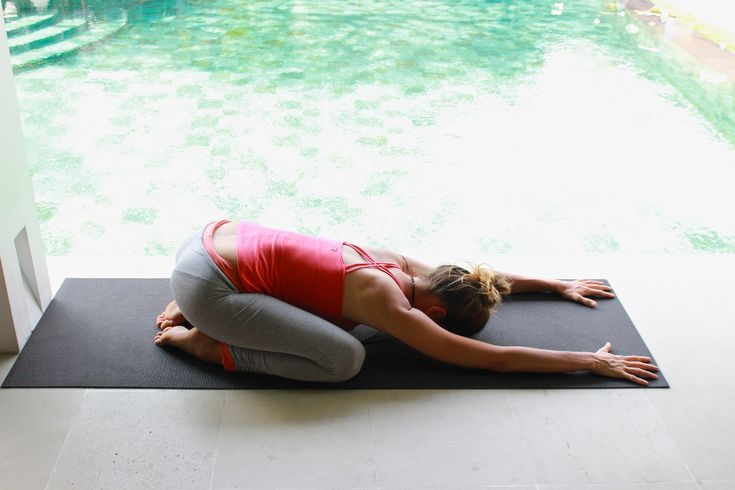
    6. Child’s Pose – Balasana
    Source: Escape Haven

    Child’s Pose (Balasana) is a relaxing and restorative yoga posture. Start on your hands and knees, then sit back on your heels while extending your arms forward and lowering your forehead to the mat. Your knees can be together or apart, whichever is more comfortable. This pose gently stretches the hips, thighs, and ankles while promoting relaxation and reducing stress. It’s often used as a resting pose during yoga practice to calm the mind and rest the body.

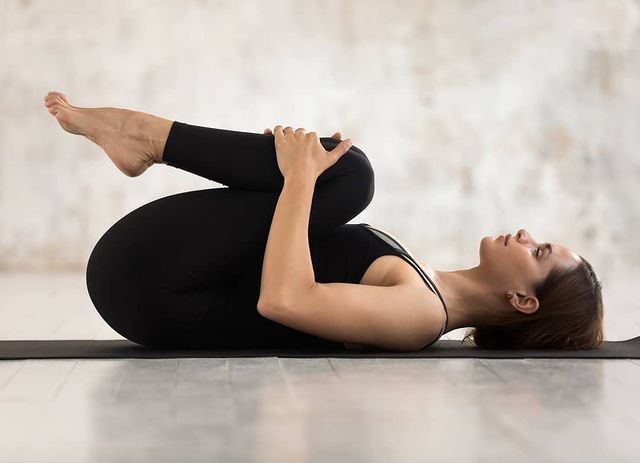
    7. Knees to Chest – Apanasana
    Source: SharpMuscle

    Knees to Chest (Apanasana) is a gentle yoga pose that helps release tension in the lower back and stretch the spine. Lie on your back and bring your knees toward your chest, hugging them with your arms. You can gently rock side to side to massage your lower back. This pose improves digestion, relieves lower back pain, and promotes relaxation.

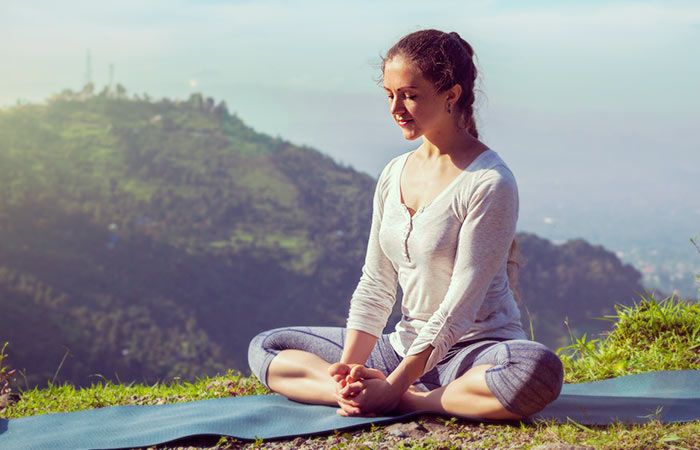
    8. Cobbler’s Pose – Baddha Konasana
    Source: Stylecraze

    Cobbler’s Pose (Baddha Konasana) is a seated yoga posture that helps open the hips and groin area. Sit with your spine straight and bring the soles of your feet together, allowing your knees to drop toward the ground. Hold your feet with your hands and gently flap your knees up and down, like the wings of a butterfly. This pose stretches the inner thighs, groins, and knees, while also stimulating abdominal organs and improving circulation in the pelvis. It is beneficial for flexibility and can help alleviate menstrual discomfort.

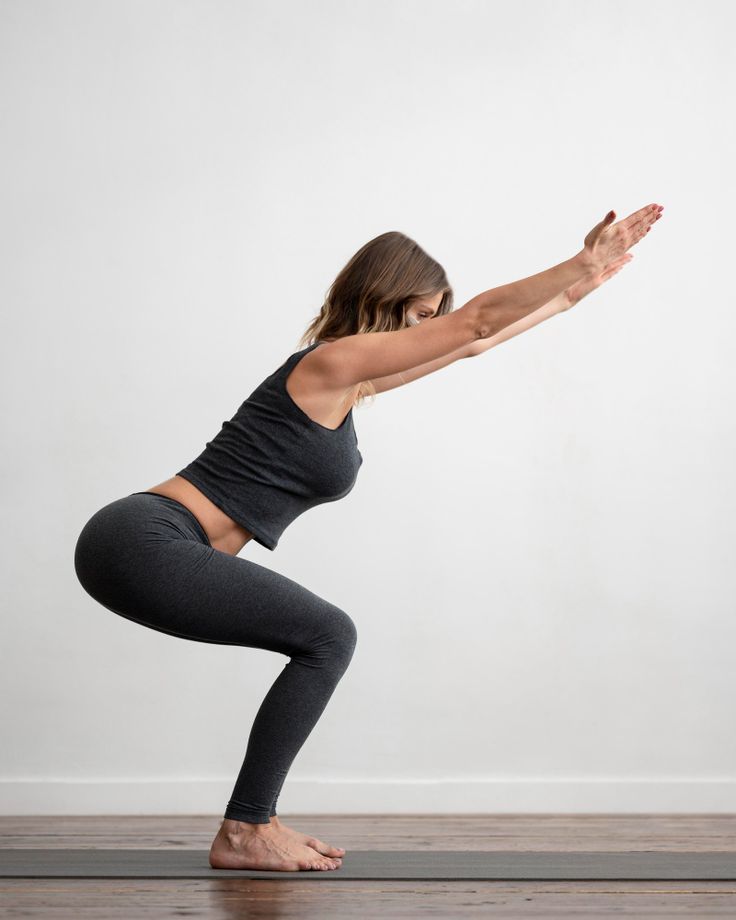
    9. Chair Pose – Utkatasana
    Source: Pinterest

    Chair Pose (Utkatasana) is a powerful standing pose that strengthens the legs and core. Stand with your feet hip-width apart, then bend your knees and lower your hips as if sitting in an invisible chair, keeping your torso upright and arms extended overhead. Engage your thighs and core, and lift your chest. This pose enhances balance, improves stamina, and tones the legs and core muscles. It also opens the chest and shoulders, promoting better posture.

    Remember, progress in yoga, like in any practice, comes with consistency and patience. I recommend starting with just 15 minutes a day to build a sustainable routine that fits into your life. Don’t rush the process; allow yourself time to learn and grow in each pose. If some days feel challenging, that’s okay—listen to your body and adjust as needed. By going slowly and staying committed, you’ll discover the transformative benefits of yoga over time.

    I wish you all the best on this new journey. Namaste!