These will change your life!
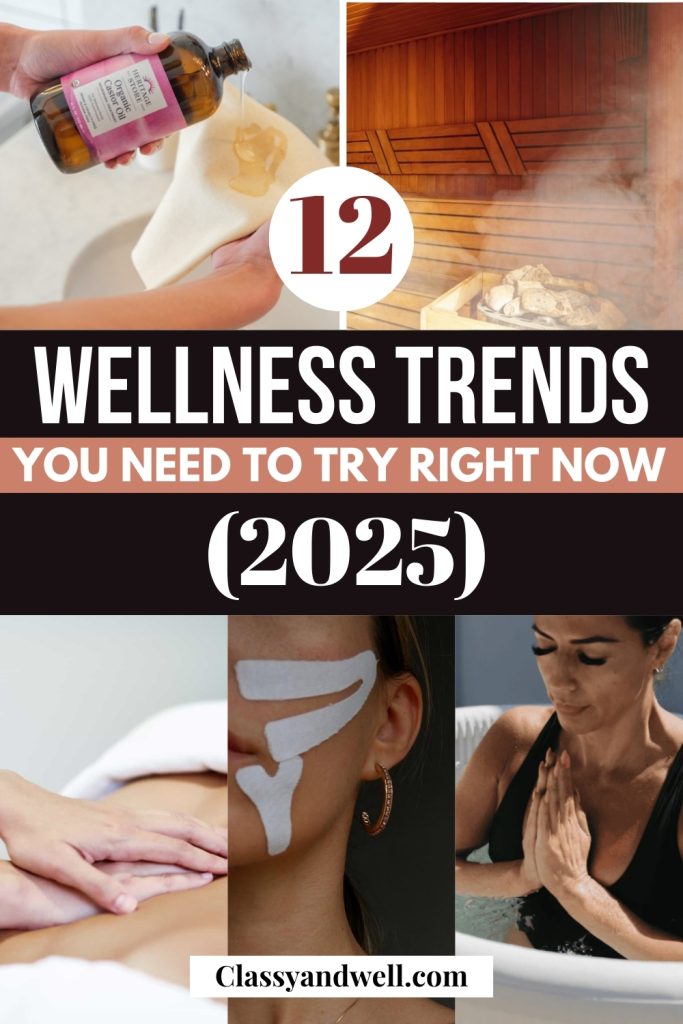
Every few months, a wellness trend seems to take over social media—one minute, it’s bone broth; the next, it’s cycle syncing or sound therapy. The beauty and wellness world is constantly evolving, with practices like gua sha and other ancient remedies making their way back to the spotlight. Some of these methods are like classic jeans—timeless and here to stay!
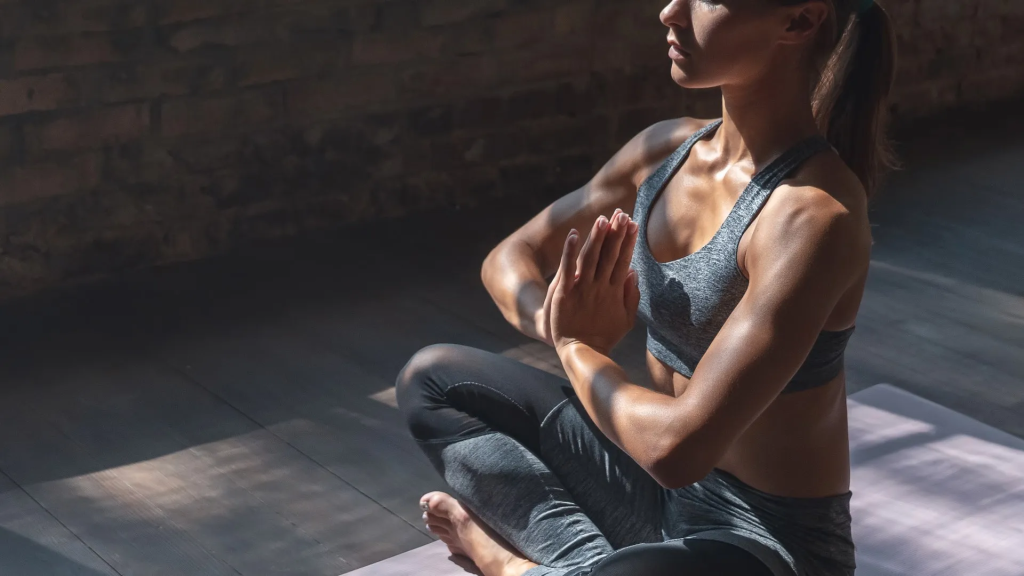
While many of these trends are just that—trends—some might be worth incorporating into your lifestyle, especially if they truly benefit you. Wellness is personal, and what works wonders for one person might not resonate with another. It all depends on your unique health needs and what makes you feel balanced and energized. So, as we dive into the top wellness trends, remember: pick what works for you and enjoy the journey to feeling your best!
1. Castor Oil Packs
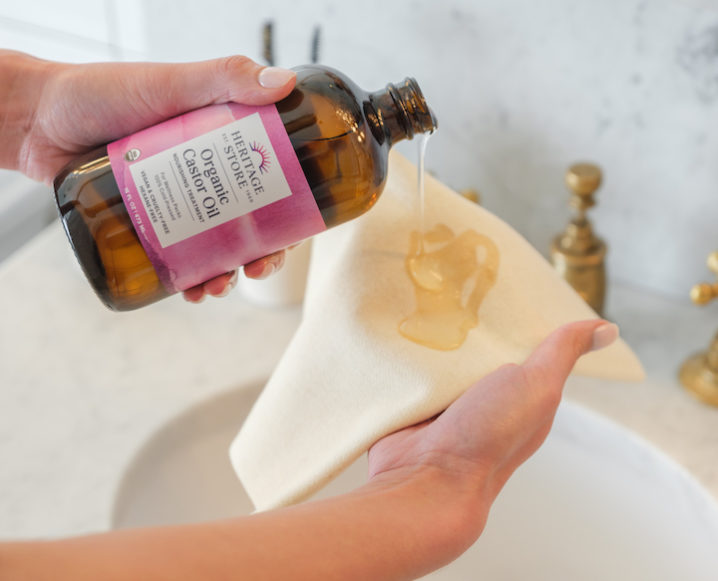
Castor oil packs are having a moment in wellness, especially on social media, where people rave about their range of benefits. But what exactly are they, and how do they work? Let’s start with the basics. A castor oil pack consists of just three simple ingredients: castor oil, a piece of cloth, and a heat source. Castor oil, which comes from castor beans, is widely available and can be purchased at most grocery stores, health food stores, and pharmacies.
Historically, castor oil has been used for centuries, celebrated for its versatility and healing properties. It’s been used as a natural remedy for digestive issues, like constipation and bloating, and even as a laxative. Beyond digestion, people have relied on castor oil for relieving arthritis pain, menstrual cramps, promoting wound healing, reducing headaches, and easing inflammation. Its reputation as a holistic remedy has only grown over time, leading to its current popularity in wellness communities.
So, how are castor oil packs believed to work? The magic lies in the oil’s rich content of ricinoleic acid, which makes up about 90% of castor oil. When a cloth soaked in castor oil is applied to the skin, it’s thought that this acid penetrates deeply, allowing the oil’s properties to take effect throughout the body. People use castor oil packs for detoxification, lymphatic drainage, reduced inflammation, pain relief, and improved circulation. While scientific research is still evolving, they remain a beloved option in natural health circles, especially for those looking to ease digestive discomfort, support liver health, or simply relax with a soothing ritual.
In short, castor oil packs are a simple, time-tested wellness method, and their rising popularity on platforms like TikTok shows they’re here to stay in the world of holistic health.
2. Infrared Sauna
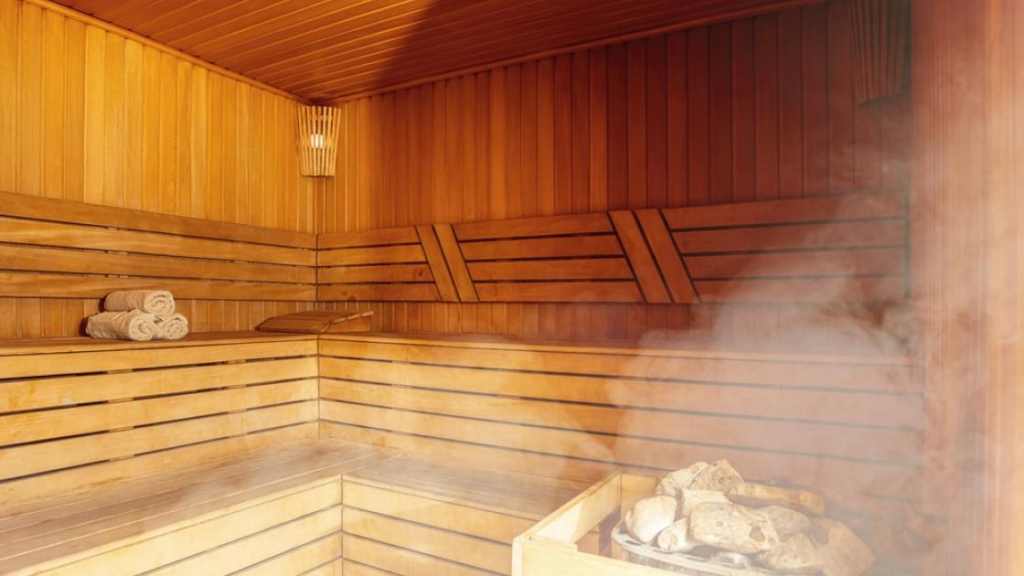
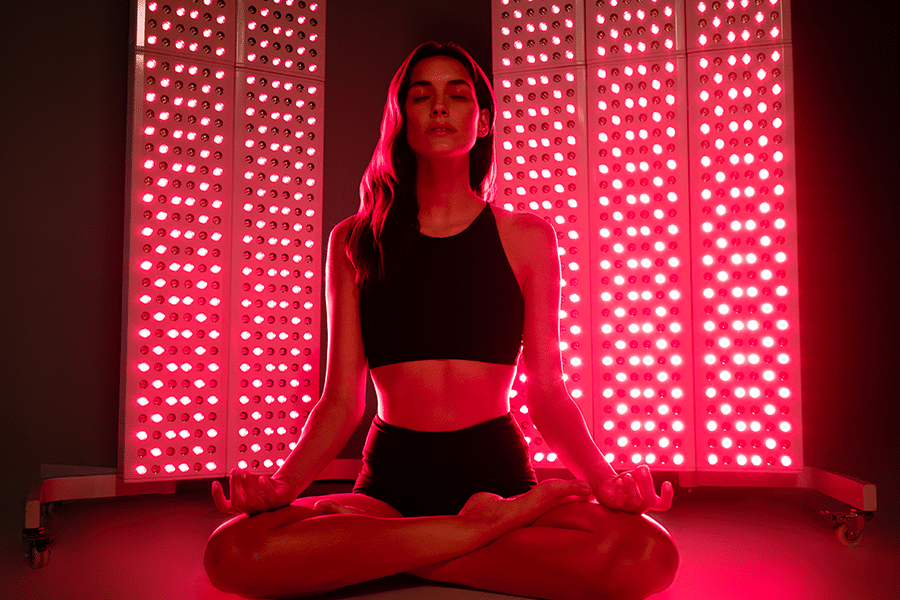
The Ultimate Detox & Relaxation Therapy! If you’re looking for a way to relax, detox, and boost your overall well-being, an infrared sauna might just be your new favorite wellness ritual. Unlike traditional saunas that heat the air around you, infrared saunas use light waves to deeply penetrate your skin, promoting sweat-induced detoxification, muscle recovery, and improved circulation—all without the extreme heat.
Regular sessions can help reduce stress, ease sore muscles, support glowing skin, and even improve sleep quality. Plus, it’s a cozy way to warm up in the colder months while giving your body the deep reset it deserves. Whether you’re hitting up a wellness spa or investing in an at-home infrared blanket, this trend is here to stay.
Many wellness enthusiasts swear by infrared sauna therapy for its potential to support the lymphatic system, aid in weight loss, and enhance mood by releasing endorphins. The gentle heat helps promote relaxation, making it an excellent addition to a mindful self-care routine. If you’re looking for a wellness practice that feels both indulgent and beneficial, incorporating infrared sauna sessions into your week could be a game-changer.
3. Face Tapping
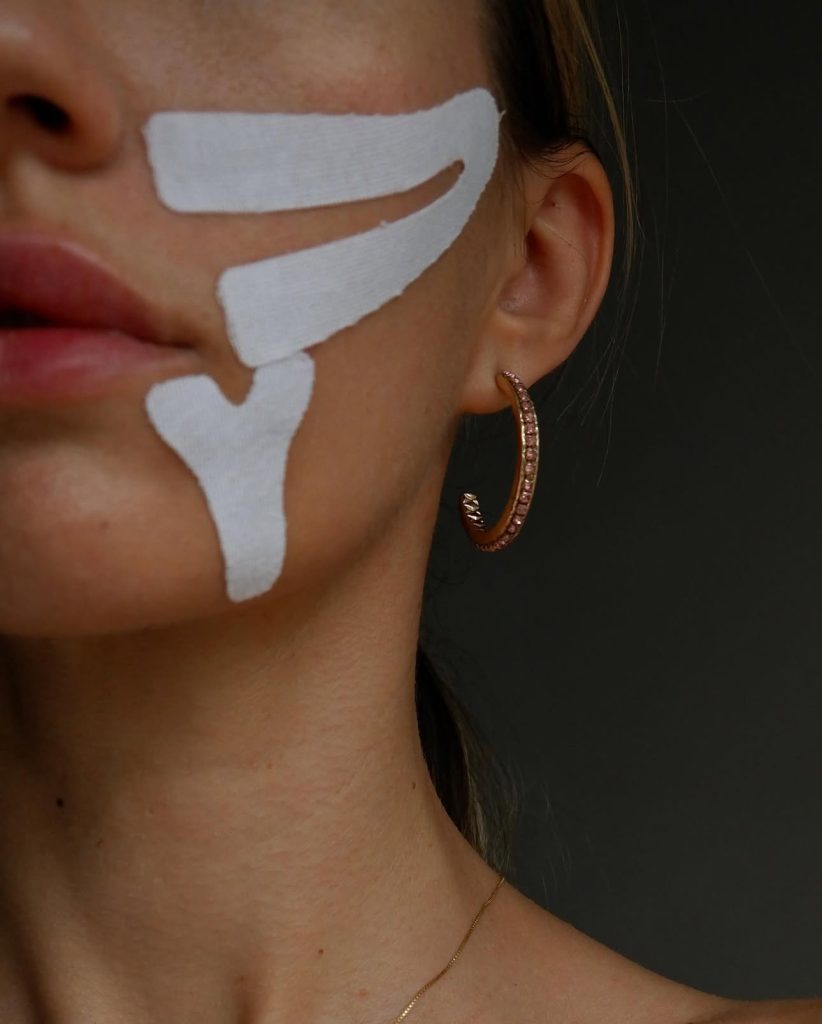
Face taping, also known as wrinkle taping, has become a popular wellness trend lately, especially on social media. The idea is simple: you apply tape or adhesive patches to areas prone to lines, like the forehead, under the eyes, or around the mouth, to temporarily lift and smooth the skin. People use everything from regular tape to specialized patches like Frownies and Sio Beauty, with some enthusiasts even swearing by the technique overnight for a wrinkle-smoothing effect.
Interestingly, face taping isn’t new. It’s been a backstage beauty trick for years, used by everyone from drag performers to Hollywood stars to create an instant facelift effect. Think of it like Spanx for your face—tape pulls the skin in certain directions to create a more lifted, taut look.
While face taping won’t permanently get rid of wrinkles, it can offer a temporary solution to smooth fine lines, especially if you want a quick fix before an event. Celebrities like Lady Gaga, Bella Hadid, and Chrissy Teigen have all been known to use it as part of their beauty prep. While it’s not a magic wrinkle eraser, it’s a fun, non-invasive option to add to your beauty routine for an instant lift.
4. Gua Sha
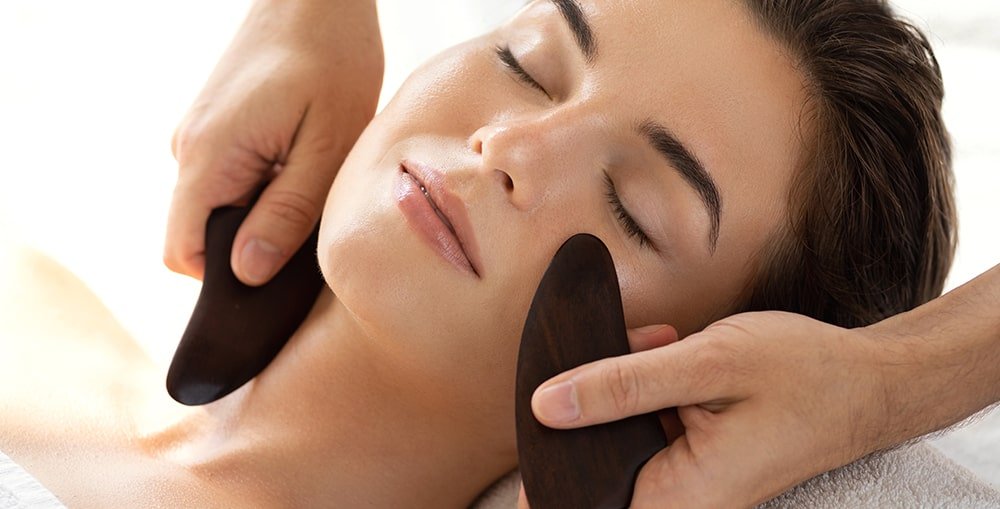
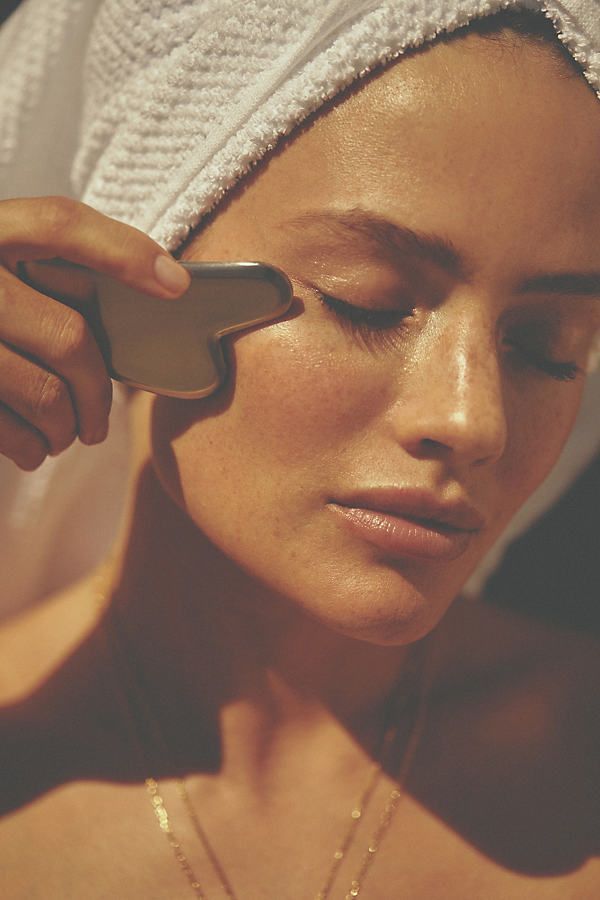
Gua Sha became a major wellness trend in 2021, with countless people embracing this traditional Chinese technique for its skin-sculpting benefits. Originating in ancient China, Gua Sha involves using a smooth-edged tool to gently scrape the skin, which helps release muscle tension, boost circulation, and support the body’s natural healing process. It’s one of the oldest healing practices, and today, it’s recognized for its powerful effects on skin health and radiance.
According to Jerry Lin, a traditional Chinese medicine practitioner, Gua Sha uses tools made from stone or metal, massaged in upward strokes on lubricated skin. This motion increases blood circulation, activates the lymphatic system, and disperses excess fluid, helping to reduce puffiness and inflammation. The result? A tighter, more sculpted look to the face. It’s important to use gentle pressure to avoid discomfort or bruising—done correctly, Gua Sha should feel soothing and relaxing.
Adding Gua Sha to your routine can be a simple yet effective way to boost your skin’s health. The massaging motion helps to clear toxins and promote fresh blood flow, which can aid in cell repair and regeneration. Savita, an expert in Gua Sha, notes that regular practice can even help reduce inflammation in acne-prone skin. Many enjoy doing Gua Sha in the morning to reduce puffiness in the cheeks and under-eyes, with visible results appearing immediately and long-term benefits achieved through consistent use.
5. Lymphatic Drainage Massage
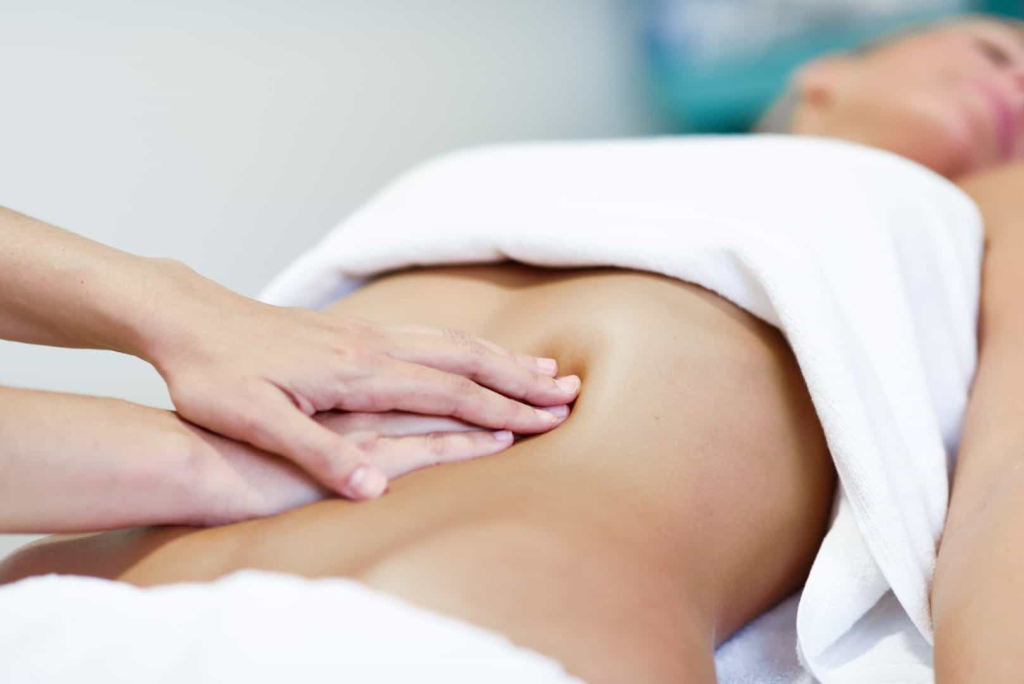
Lymphatic drainage massage is a gentle yet powerful technique that goes beyond relaxation—it’s designed to help your body eliminate toxins and reduce inflammation. Unlike a typical massage, which focuses on muscle knots, lymphatic drainage works with your body’s natural detox system, guiding excess fluid and “waste” towards the lymph nodes for quick removal. This technique is particularly beneficial for those with lymphedema, a condition causing fluid buildup and swelling.
The benefits of lymphatic drainage are remarkable. Many people report feeling lighter and less bloated after a session, as it helps reduce water retention and puffiness. Beyond debloating, this massage can also contribute to smoother skin, helping to break down fat cells and target cellulite over time. The boost in circulation from the massage gives your skin a natural glow, and some even find their face looks more radiant due to the increased blood flow.
Whether you’re dealing with post-injury swelling or looking to enhance the results of a body-sculpting procedure, lymphatic drainage massage can be incredibly supportive. And on top of its detox benefits, it’s a relaxing experience that helps relieve tension, so you can leave your session not only feeling rejuvenated but also with a renewed sense of calm and well-being.
6. Red Light Therapy
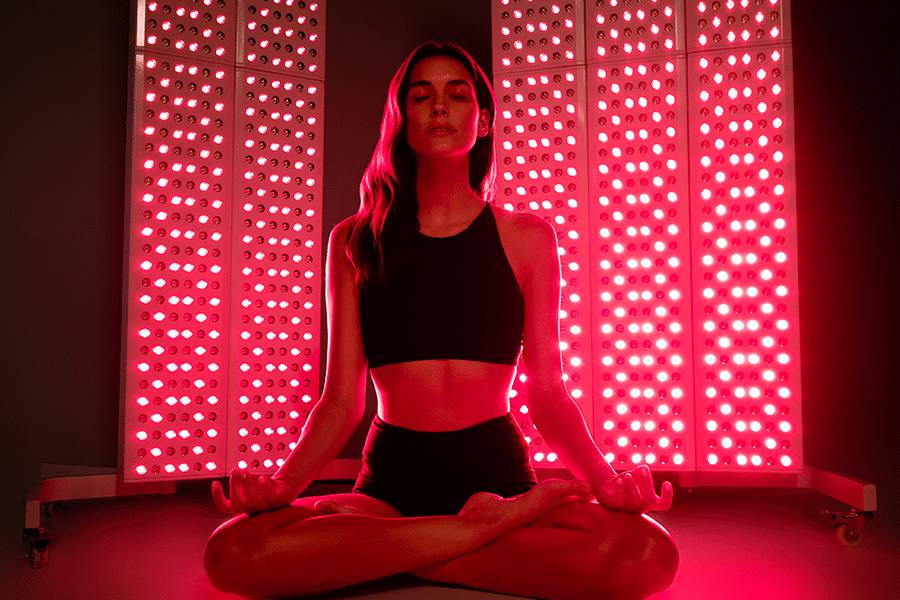
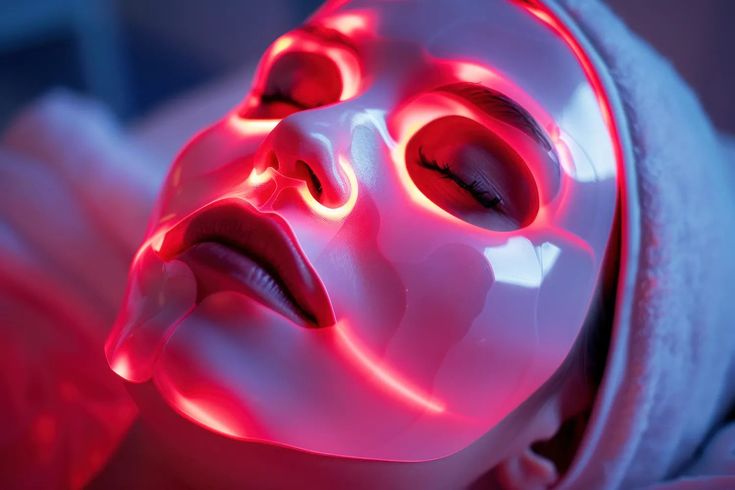
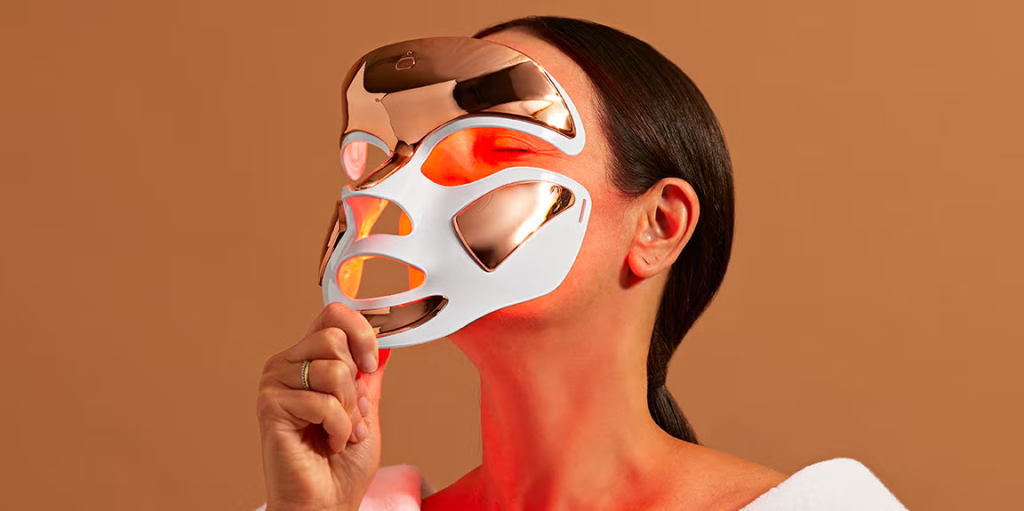
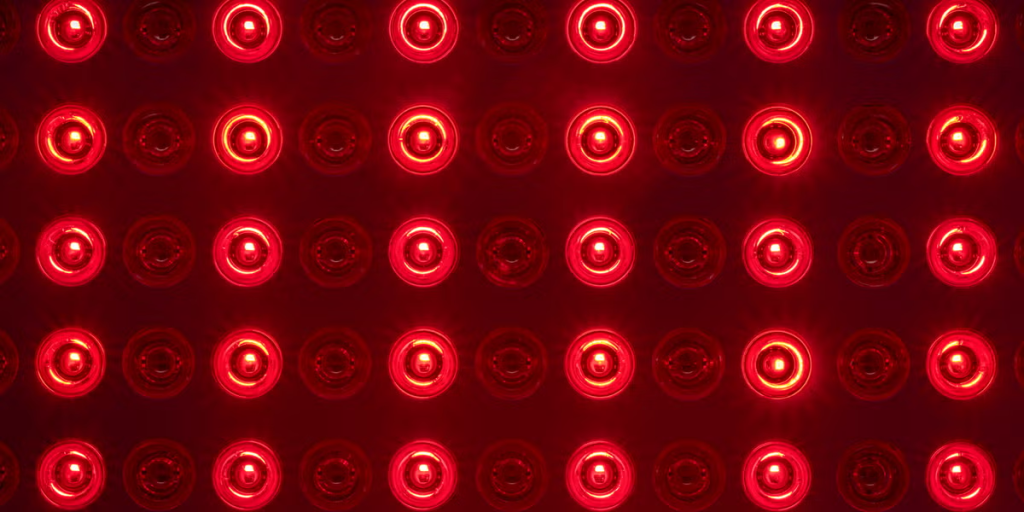
Red light therapy has surged in popularity, and for good reason—this non-invasive treatment is gaining attention for its potential to support skin health, reduce inflammation, and even enhance relaxation. Originally seen mostly in professional clinics, red light therapy is now available in at-home devices, making it easier than ever to incorporate into your wellness routine. The therapy works by using low-level red or near-infrared light to penetrate the skin, stimulating the body at a cellular level and promoting regeneration and healing.
One of the standout benefits of red light therapy is its ability to boost collagen production, which can help firm and smooth the skin, reducing the appearance of wrinkles and fine lines over time. The therapy is also celebrated for its anti-inflammatory effects, which may ease joint pain, soothe skin irritations, and support muscle recovery. Many people find it’s a natural way to give skin a fresh glow, as red light stimulates blood circulation and encourages healthier cell function. Additionally, red light therapy is believed to help balance mood and reduce stress, making it a great option for those looking to enhance both physical and mental wellness.
Whether you’re looking for a skincare boost, relief from aches, or a way to unwind, red light therapy is a versatile addition to any wellness routine. With consistent use, it can become an effective part of your self-care regimen, offering benefits that support both inner and outer health.
If you want to learn more about red light therapy, click here.
7. Ice Baths
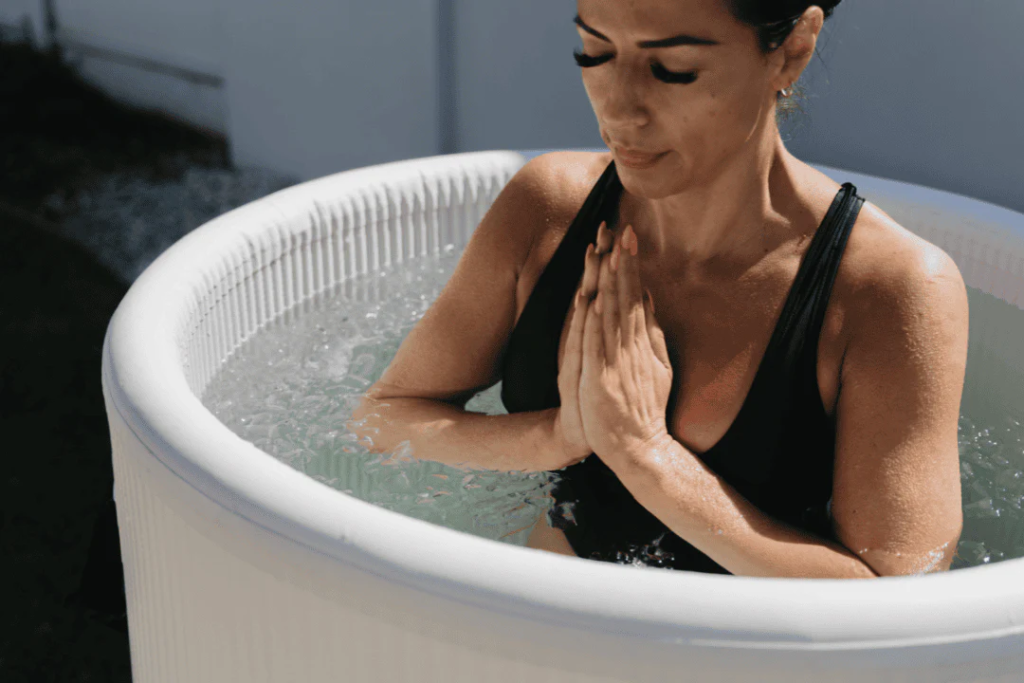
Ice baths, also known as cold plunges, have become one of the hottest wellness trends (ironically!) for their rejuvenating effects on the body and mind. The concept is simple: immersing yourself in icy water, typically around 50°F (10°C) or lower, for a few minutes. While it may sound intense, the benefits are well worth it, and more people are trying cold plunges as part of their wellness routines.
One of the biggest benefits of cold plunges is reduced inflammation and faster muscle recovery, making them popular among athletes and fitness enthusiasts. The cold water helps to constrict blood vessels, reducing swelling and soreness in the muscles after a tough workout. Cold plunges are also known to improve circulation, as the sudden chill stimulates blood flow once you step out, promoting better overall cardiovascular health.
Beyond physical benefits, ice baths can have a big impact on mental resilience and stress reduction. Many who practice cold plunging regularly report a natural boost in energy and mood, thanks to the endorphins released as the body adapts to the intense cold. It’s a quick, natural way to reset your mind, build mental toughness, and bring a refreshing jolt to your day. Whether you’re looking to boost recovery, elevate your mood, or simply challenge yourself, ice baths might be the ultimate cool-down for mind and body wellness.
8. Cycle Syncing
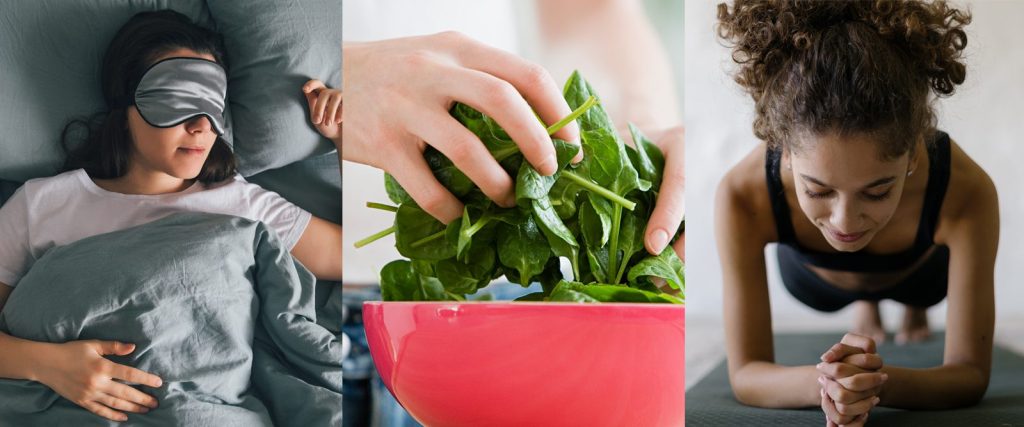
Cycle syncing has become a wellness game-changer for women, aligning diet, exercise, and lifestyle choices with the natural phases of the menstrual cycle. The idea behind cycle syncing is to work with your body’s hormonal fluctuations instead of pushing against them, allowing you to feel more in tune with your energy levels, moods, and physical needs. Each phase—menstrual, follicular, ovulatory, and luteal—has its own characteristics and requires unique support for optimal wellness.
During the menstrual phase, rest and nourishment are key. Women often benefit from gentle exercises like yoga or stretching and nutrient-dense foods rich in iron. As the body transitions into the follicular phase, energy tends to rise, making it a great time for cardio and creative pursuits. The ovulatory phase is typically when energy peaks, so this is the ideal time for high-intensity workouts and social activities, as well as foods rich in antioxidants to support skin and hormonal health. Finally, in the luteal phase, focusing on complex carbs and stress management can help stabilize mood and reduce PMS symptoms.
By syncing daily habits with these phases, many women find they have better energy, reduced PMS, and an overall sense of balance and well-being. It’s an empowering approach to wellness that encourages listening to your body and supporting it naturally throughout the month.
9. Skin Cycling
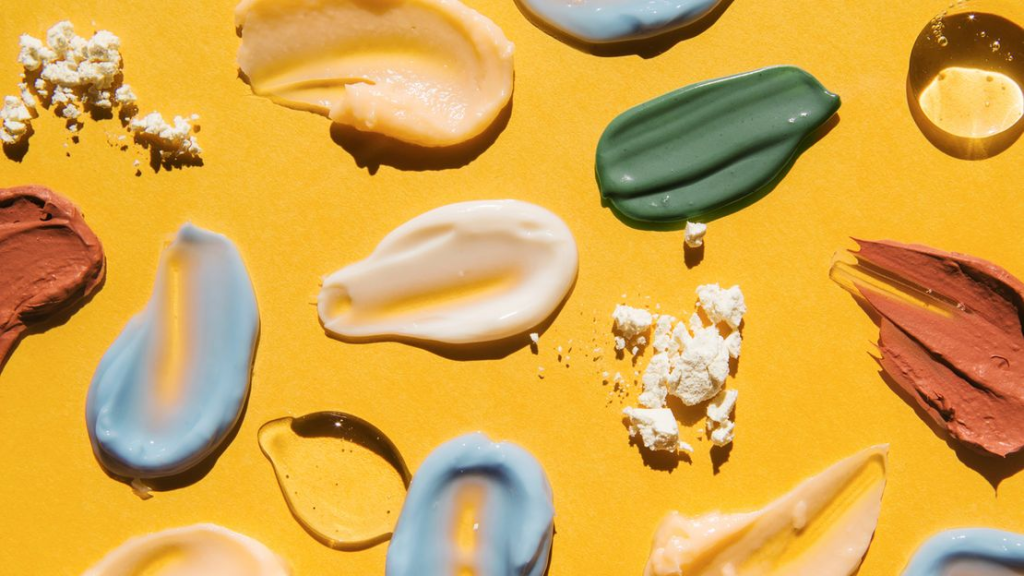
Skin cycling has quickly become a favorite skincare routine for those looking to balance powerful active ingredients with gentler care. This method typically follows a four-night cycle: the first night focuses on exfoliation to remove dead skin cells, allowing for better product absorption. The second night incorporates retinoids, which help promote cell turnover, reduce fine lines, and even out skin tone. On the following two nights, the skin goes into recovery mode, where only hydrating and nourishing products are used to repair and strengthen the skin barrier.
The beauty of skin cycling is its adaptability—it allows people to incorporate potent ingredients without overwhelming or irritating the skin. By spacing out exfoliation and retinoid use, skin cycling minimizes common side effects like redness and dryness, especially for those new to these ingredients or with sensitive skin. Dermatologists love this approach because it makes it easier for people to stay consistent with their skincare routine without the risk of over-exfoliating or overloading the skin.
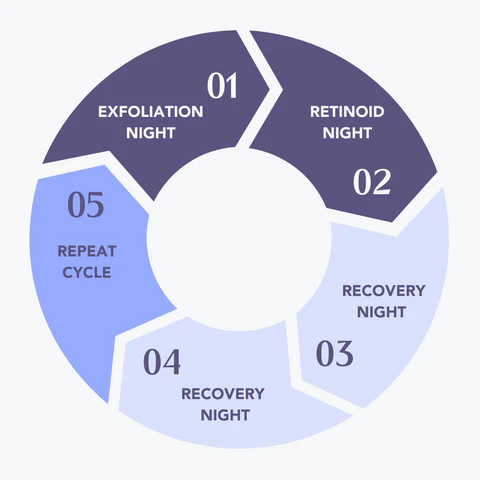
This routine has resonated on platforms like TikTok because it’s simple, effective, and can be tailored to individual needs. Skin cycling not only enhances product results but also offers a realistic, sustainable way to care for your skin, leaving it looking refreshed, balanced, and healthier over time.
10. Sound Therapy
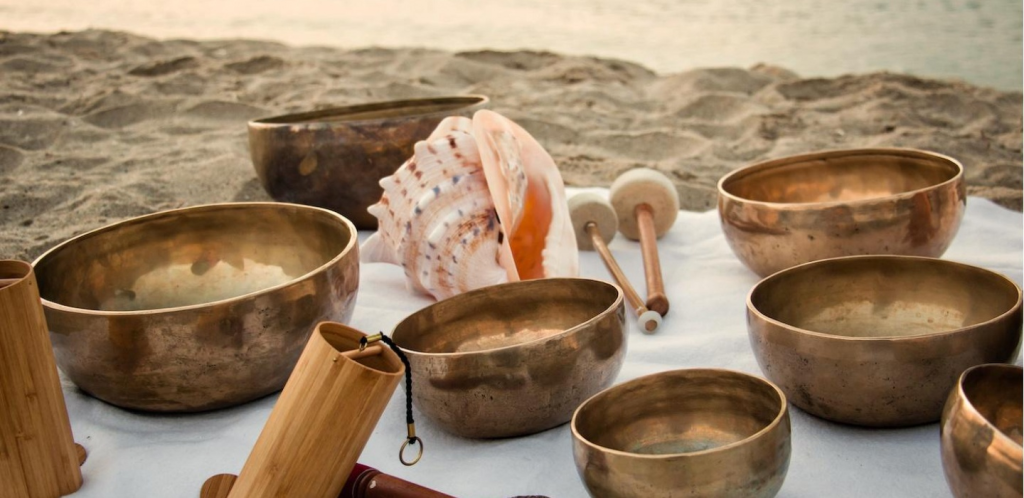
Sound therapy, particularly in the form of a “sound bath,” has gained popularity as a wellness trend for its calming, immersive experience. Unlike a typical concert or playlist, a sound bath doesn’t involve catchy tunes or rhythms. Instead, it surrounds you with resonant sound waves from instruments like crystal singing bowls, tuning forks, chimes, gongs, and drums. The idea is to create a soundscape that helps listeners drift into a meditative state, promoting relaxation and balancing their energy.
In a typical sound bath session, participants lie down on a mat or sit comfortably while they’re “bathed” in these soothing sounds. The experience often takes place in a group setting, but it can also be done solo at home. Proponents believe that sound baths can relieve stress, help people process emotions, and even support spiritual practices like chakra balancing, where sound is thought to unblock energy centers in the body.
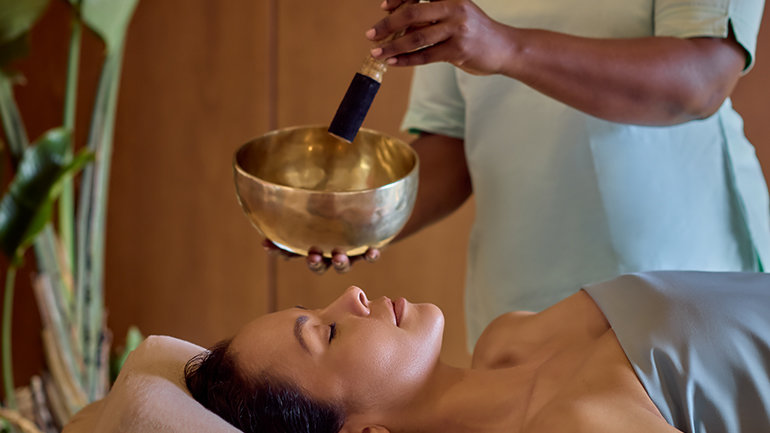
Research on sound therapy is still developing, but some studies have shown promising effects. For example, in a 2020 study, participants in a 40-minute sound bath reported a decrease in negative mood and an increase in positive emotions. Another study from 2018 found that patients listening to singing bowls before surgery experienced reduced anxiety compared to those who wore silent headphones. While more research is needed, these early findings suggest that sound therapy may have real benefits for mental well-being, offering a unique way to alleviate anxiety, reduce pain, and improve mood.
11. Focusing on Gut Health
Gut health has become a central focus in wellness as more and more studies reveal its profound impact on overall health. Research in recent years has linked poor gut health not only to digestive issues but also to a surprising range of conditions, from autoimmune diseases to mental health challenges. In 2023 alone, thousands of studies were published exploring the gut’s role in immunity, inflammation, and even anxiety disorders. For example, one study discovered that people with social anxiety disorder often have distinct gut microbiomes compared to those without, underscoring the connection between gut health and mental well-being.
This growing understanding has led many to explore ways to heal their gut, especially those who have been previously diagnosed with conditions like IBS but may, in fact, be dealing with gut imbalances. Healing protocols often include gut-nourishing foods like bone broth, rich in collagen and amino acids that support gut lining integrity, along with fermented foods and prebiotic fiber. Additionally, lifestyle shifts—such as managing stress and getting adequate sleep—play crucial roles in restoring gut balance.
With about 70% of our immune system residing in the gut, maintaining a healthy microbiome is essential for immune function and inflammation regulation. As we continue learning about the gut’s role in everything from mood to immunity, prioritizing gut health is becoming a foundational part of many people’s wellness journeys.
Check out this our blog post for a one-week meal plan (with recipes) focused on gut health.
12. Vague Nerve Stimulation
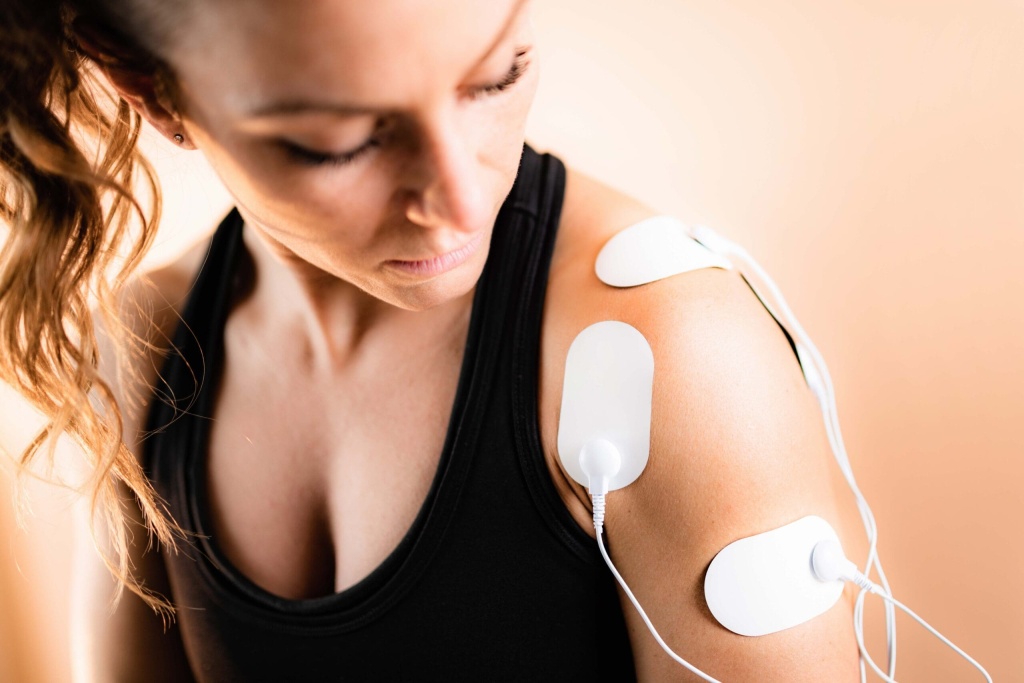
The vagus nerve is generating major buzz in the wellness world, and for good reason. This essential cranial nerve acts as a powerful connector between our brains and bodies, helping regulate our stress response. When we feel threatened or stressed, the body’s “fight-or-flight” mode kicks in, controlled by the sympathetic nervous system. Stimulating the vagus nerve, however, can help us unwind, counteracting this response and creating a calming effect.
Interestingly, you don’t need fancy equipment to engage the vagus nerve—simple activities like deep breathing, mindfulness, humming, and even laughing can activate it. This natural approach is becoming popular for its ability to bring a sense of calm and balance. With over 55 million views for the hashtag “vagus nerve stimulation” on TikTok, it’s clear people are turning to this accessible trend to boost their overall well-being.