Category: Hair

  • Is Red Light Therapy Actually Effective ?

    Is Red Light Therapy Actually Effective ?

    Red light therapy has been making waves in the skincare and wellness world, especially in recent years as more research highlights its potential benefits. While originally only available in clinics, where treatments are highly effective and well-regarded, at-home red light devices now offer a more budget-friendly and convenient way to incorporate LED into daily routines.

    Consistent use at home can bring impressive, long-term skin benefits, making it an appealing option for those looking to elevate their skincare game. However, red light therapy works best as an enhancement to a solid skincare regimen rather than a replacement. Paired with a well-rounded routine, red light therapy can amplify results, giving skin a boost in radiance and resilience. Although the growing popularity is backed by promising studies, further research will continue to shed light on its full potential and applications.

    Let’s dive into what red light therapy can—and can’t—do for your skincare and wellness goals.
    Mike Garten

    What is Red Light Therapy?

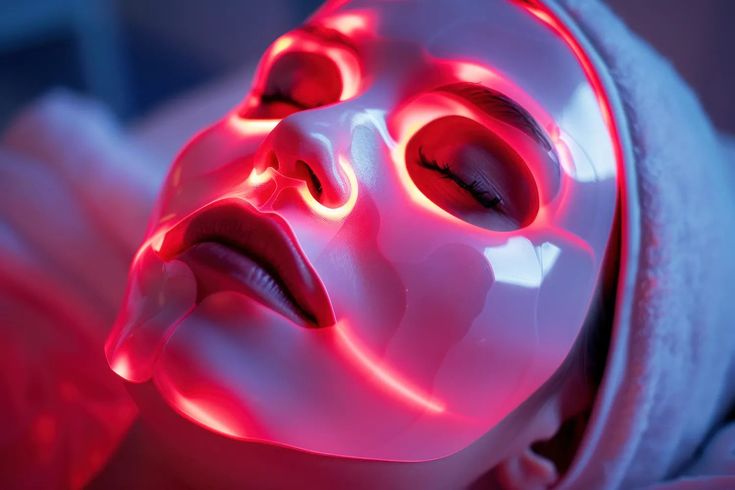
    Red light therapy is a treatment that uses low-level red or near-infrared light, typically between 630-700 nm, to penetrate the skin safely and deeply. Unlike UV light, which can harm the skin, red light works through a process called photo-biomodulation, energizing the cells without causing any damage. Often available in medi-spas and at-home devices, it’s a non-invasive approach commonly paired with other skin treatments like microneedling or chemical peels for enhanced results.

    What Are the Benefits of Red Light Therapy?
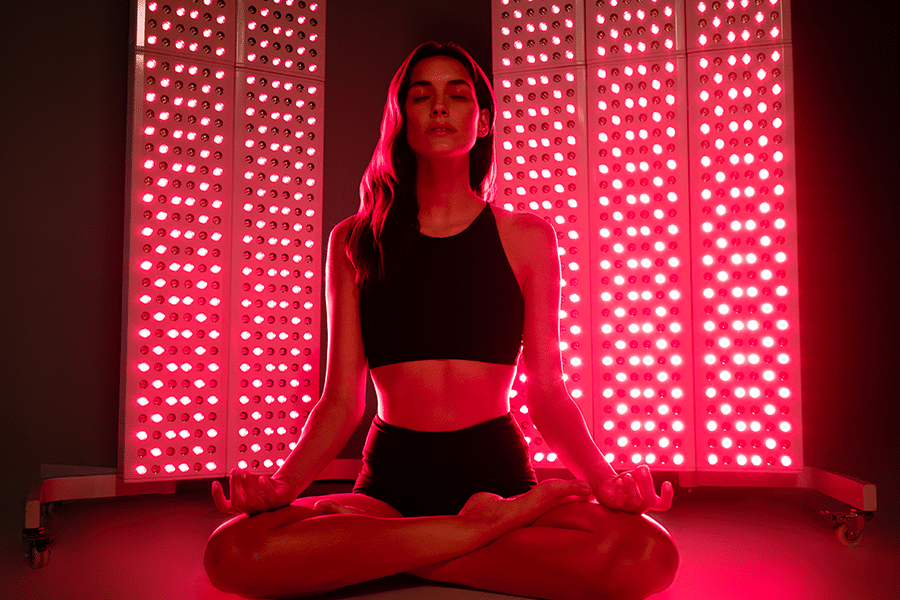
    • Reduces Skin Inflammation: Consistent red light exposure helps decrease inflammation in the skin, calming redness and irritation, and creating a more even complexion.
    • Boosts Collagen Production: Red light stimulates collagen synthesis in the deeper layers of the skin, which can help improve firmness, reduce wrinkles, and support smoother skin texture over time.
    • Improves Skin Texture and Reduces Wrinkles: By enhancing collagen density and reducing fine lines, red light therapy works to rejuvenate the skin, promoting a youthful and radiant appearance.
    • Treats Hair Loss and Supports Hair Growth: For those with conditions like androgenic alopecia, red light therapy has shown promise in encouraging hair regrowth and increasing hair density.
    • Aids in Scar and Acne Reduction: Red light’s regenerative effects extend to scarring and acne, where it helps repair damaged skin cells and may even reduce acne scars when paired with a solid skincare routine.
    • Supports Healing and Reduces Pain: Near-infrared light penetrates deeply to relieve pain and soreness by reducing inflammation in targeted body areas. It can even aid in tissue repair and healing in deeper layers of the skin and muscles.
    • May Aid in Managing Certain Skin Conditions: Red light therapy is used to support treatments for conditions like rosacea, psoriasis, and eczema by reducing inflammation and promoting healthier skin.
    • Improves Circulation: By increasing blood flow to treated areas, red light therapy helps nourish skin cells and remove toxins, supporting overall skin health and vitality.
    • Can Enhance Recovery from Injury or Strain: Phototherapy has also been used to reduce pain and inflammation in tendons, muscles, and joints, providing relief in conditions like carpal tunnel syndrome and other inflammatory injuries.

    Red light therapy is a versatile option with benefits across skincare, pain management, and even hair health, making it a well-rounded addition to wellness routines.
    Westend61 / Getty Images

    Where to get Red Light Therapy?

    Red light therapy is available in various places, including some tanning salons, gyms, and local day spas, where treatments can help reduce signs of aging and improve skin tone. You can also find FDA-approved red light therapy devices online for at-home use, offering convenience if you want to incorporate regular sessions without frequent trips to a clinic.

    While clinic-based treatments tend to be the most effective, as the equipment is often more powerful and efficient, they are also generally the most expensive option. It’s wise to speak with a healthcare professional before beginning red light therapy, especially since results may take multiple sessions. A doctor can also help you create a treatment plan tailored to your needs, optimizing the benefits you get from each session.

    How Often Should Red Light Therapy be Used?
    Getty Images

    The frequency of red light therapy sessions largely depends on the type of device you’re using and the specific area you’re treating. Professional devices are generally more powerful, often requiring fewer sessions to produce noticeable results. For at-home devices, dermatologists typically recommend choosing FDA-cleared options for optimal safety and effectiveness. Regular, consistent use—daily or around 3-4 times per week—is generally ideal over at least six weeks to start seeing changes, while up to three months of regular sessions may be needed for more significant skin-firming effects.

    Generally, most people find 2-3 sessions per week beneficial, though the exact frequency can vary based on the condition being treated. It’s always a good idea to consult with a healthcare professional before starting red light therapy to ensure the best approach for your needs.

    How Long Does it Take to See Results from Red Light Therapy?

    Red light therapy offers varying timelines for results depending on the benefits you’re looking to achieve. For example, while it may take a few months for significant improvements in collagen production and reduced signs of aging, it can calm inflammation even after a brief 10-minute session, which is the typical dermatologist-recommended duration. Many people also report a sense of relaxation or well-being immediately after their first session due to increased blood flow and endorphin release, although visible changes aren’t always apparent right away.

    In the short term, you might start to see benefits like a more even skin tone or reduced inflammation within one to two weeks with consistent use. This is often when users begin to notice a slight improvement in skin texture and firmness as collagen production ramps up. However, for deeper effects—whether it’s relieving chronic pain or addressing persistent skin issues—consistent therapy over four to twelve weeks is generally needed. This timeline allows your body to fully harness the cellular stimulation that promotes healing and regeneration.

    Remember, consistency is key with red light therapy, and multiple weekly sessions initially can optimize results based on your goals. Individual responses vary, so factors such as treatment goals, frequency, and even overall health and lifestyle habits (like diet and hydration) can influence the speed of results.

    How to Find the Best Red Light Therapy?

    If you’re thinking about trying red light therapy, choosing the right device can make a huge difference. It’s essential to look at features like wavelength, power output, and the device’s coverage area. For optimal skin rejuvenation, devices with wavelengths between 630 and 850 nanometers are generally ideal since these provide the best skin penetration. And, of course, checking that the device has FDA clearance can add peace of mind, ensuring it meets safety and effectiveness standards.

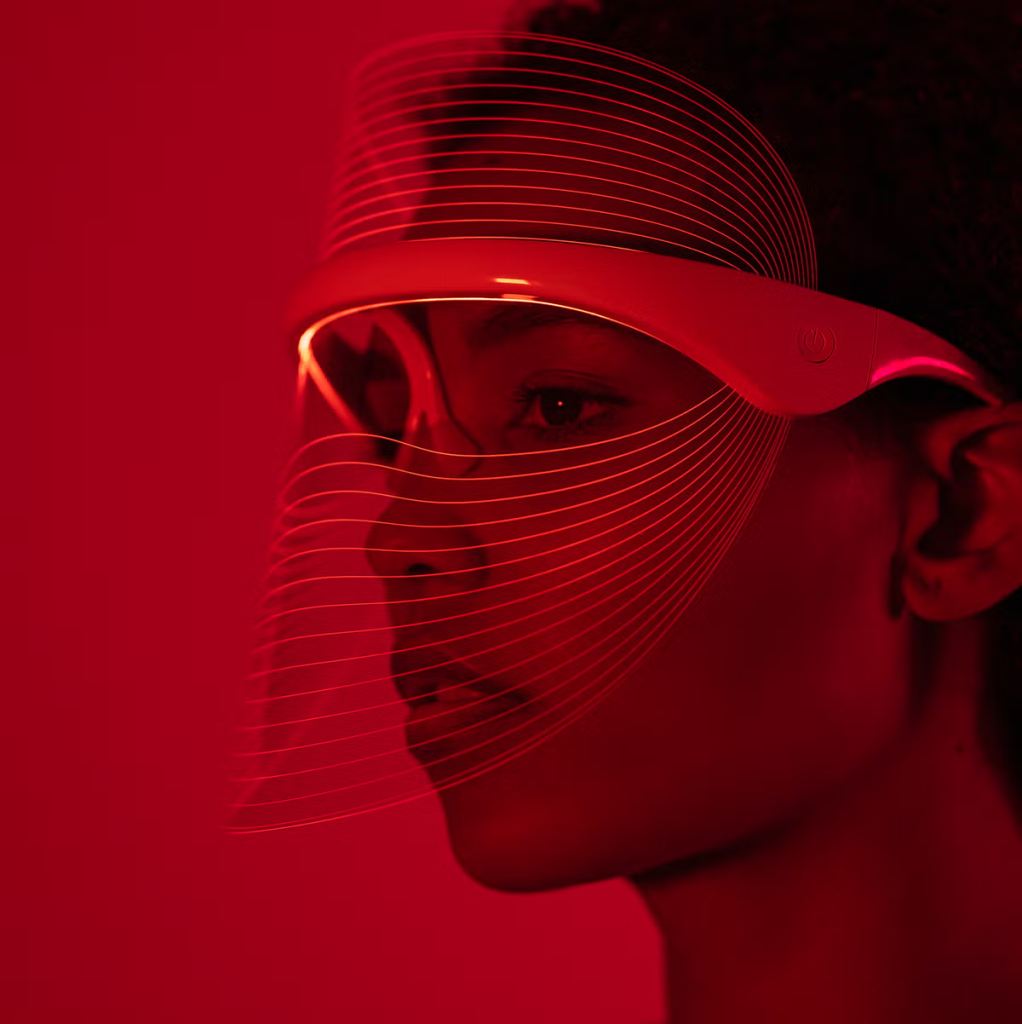
    You’ll find three main types of red light therapy devices: red light, near-infrared light, and a combination of both. While red light focuses more on the surface, making it great for issues like acne and minor wounds, near-infrared light reaches deeper into the skin and is excellent for treating muscles, joints, and even bones. You won’t actually see infrared light, but your skin will feel the heat, showing it’s working deeper. Each type of light has unique benefits, so think about whether you’re primarily targeting skin issues or deeper tissue needs.

    If you’re looking for a device that can cover all bases, a combination unit could be your best option. This allows you to treat both surface and deeper layers, so you can enjoy a broader range of benefits without needing multiple devices. Overall, finding the best red light therapy device for you involves understanding what your skin and body need most and ensuring the device is safe, effective, and well-suited to those goals.

    Are There Any Risks With Red Light Therapy?

    Red light therapy does come with some potential risks and downsides. Using the device for more than 30 minutes or with damaged parts can lead to burns or blisters, so it’s crucial to stick to recommended session times and check that the device is in proper condition before each use.

    Another consideration is eye safety. Keeping your eyes closed during sessions is crucial, as direct exposure to red light could potentially harm them. Additionally, your device should never produce heat. If you notice it becoming warm, it could stimulate melanin production, especially in individuals prone to hyperpigmentation, leading to uneven skin tone or dark spots.

    For those with conditions or medications that increase sensitivity to light, consulting with a healthcare provider is recommended before starting red light therapy. Not all devices are created equal, and doing your research is key; be sure to choose a reputable device with the correct wavelengths to achieve the desired results safely. Overall, while generally safe and low-risk, using red light therapy with these precautions can help you enjoy its benefits more effectively and safely.

    Who Should Not Use Red Light Therapy?

    While red light therapy is generally safe and suitable for most people, certain individuals should exercise caution or avoid it altogether. Those with photosensitivity disorders, such as lupus, or individuals taking medications that increase sensitivity to light, like some antibiotics or acne treatments, may experience adverse reactions and should consult a healthcare provider before use.

    Pregnant individuals or those with active skin cancers should also avoid red light therapy, as its effects on these conditions are not fully understood. Additionally, if you have a history of seizures triggered by light or a severe medical condition, it’s best to get medical clearance before trying red light therapy. Consulting a healthcare provider is always recommended to ensure the treatment is safe and appropriate for your specific health needs.

    Takeaway

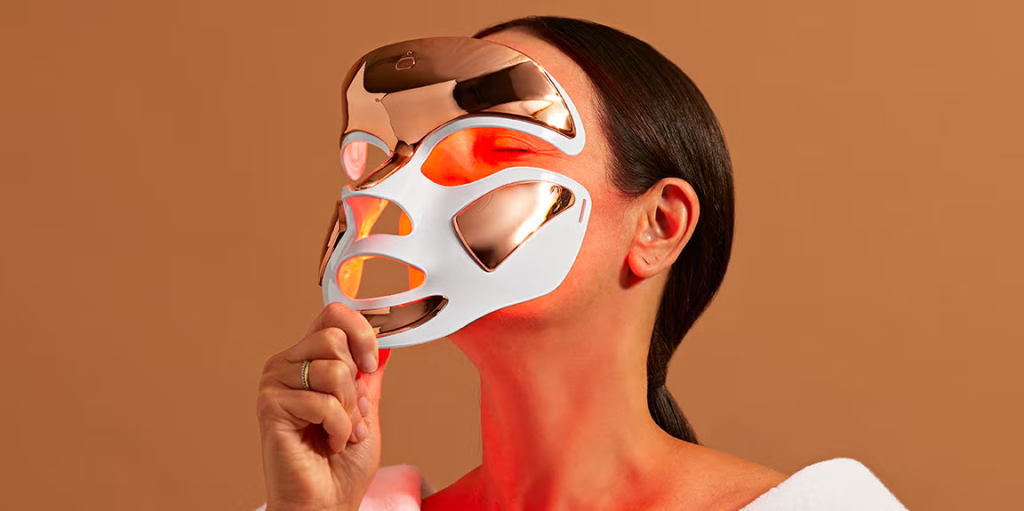
    Red light therapy has attracted considerable media attention for its potential to address a variety of health and skin concerns, such as wrinkles, acne, hair loss, and rheumatoid arthritis, though more research is ongoing. While at-home devices like masks and wands offer convenience, treatments in a clinical setting tend to be more powerful and may provide more noticeable results. Before beginning red light therapy, especially for specific symptoms, it’s wise to consult a doctor who can help determine the best approach. Although it can be an investment, red light therapy is generally safe and may be an effective noninvasive treatment option.

    Disclaimer: All content found on the classyandwell.com were created for informational purposes only. The information provided in this blog are based on my personal experiences and research. The content is not intended to be a substitute for professional medical advice, diagnosis, or treatment.
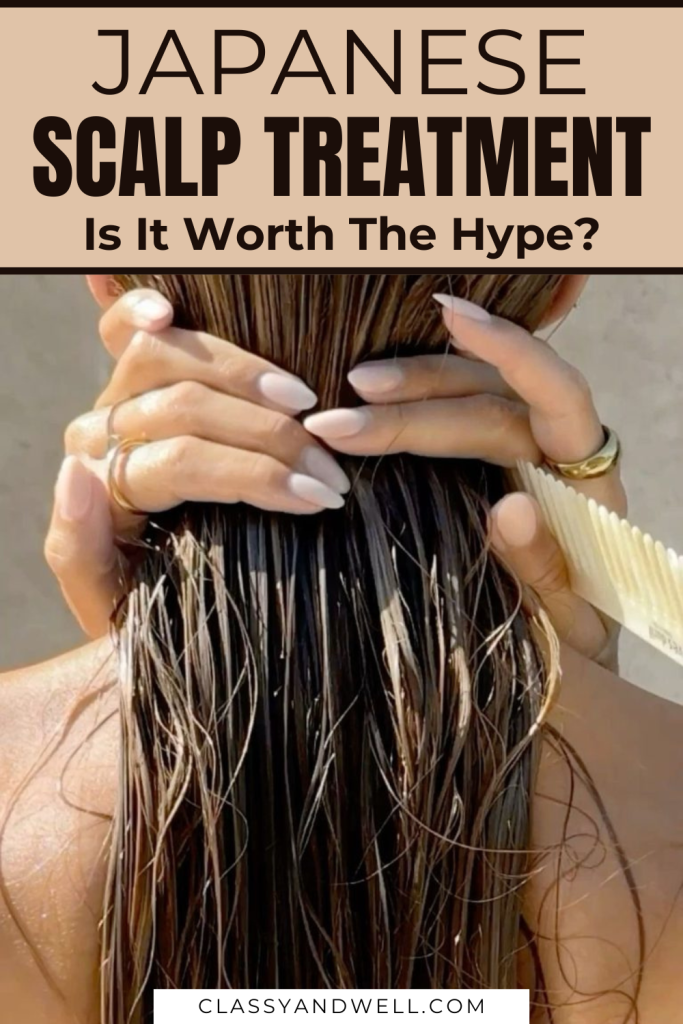
  • Japanese Scalp Treatment: Is It Worth the Hype?

    Japanese Scalp Treatment: Is It Worth the Hype?

    Rooted in centuries-old Asian beauty traditions, Japanese scalp treatments are like facials for your scalp—combining relaxation, rejuvenation, and a whole new level of hair care.

    In the past year, Japanese scalp treatments have taken the beauty and wellness world by storm! These treatments are popping up all over social media, and if you’ve been wanting to try it, chances are you’re facing a long waitlist—salons offering it are booked for months, depending on where you live.

    Lately, there’s been a real shift toward natural beauty treatments and holistic ways to feel amazing, inside and out. Just think of the rosemary hair oil trend! So many of us have turned to it to boost hair growth (myself included), sharing our results online as proof of its magic. Japanese scalp treatments follow a similar path, promising both relaxation and scalp care that leads to luscious, shiny hair.

    Originating from Japan’s long-standing tradition of valuing self-care rituals, this treatment combines gentle scalp massages, deep cleansing, and natural oils in a way that not only revitalizes the scalp but leaves you feeling incredibly pampered. We’ll dive deeper into the details soon, but think of it as a little luxury for your scalp—one that might just live up to all the hype.

    Whether you’re looking to boost thinning hair, address dryness, or simply indulge in some much-needed relaxation, this treatment might just be calling your name. Keep reading to see if it’s the right fit for you and discover more details to help you make that decision!

    1. What is Japanese Scalp Treatment?

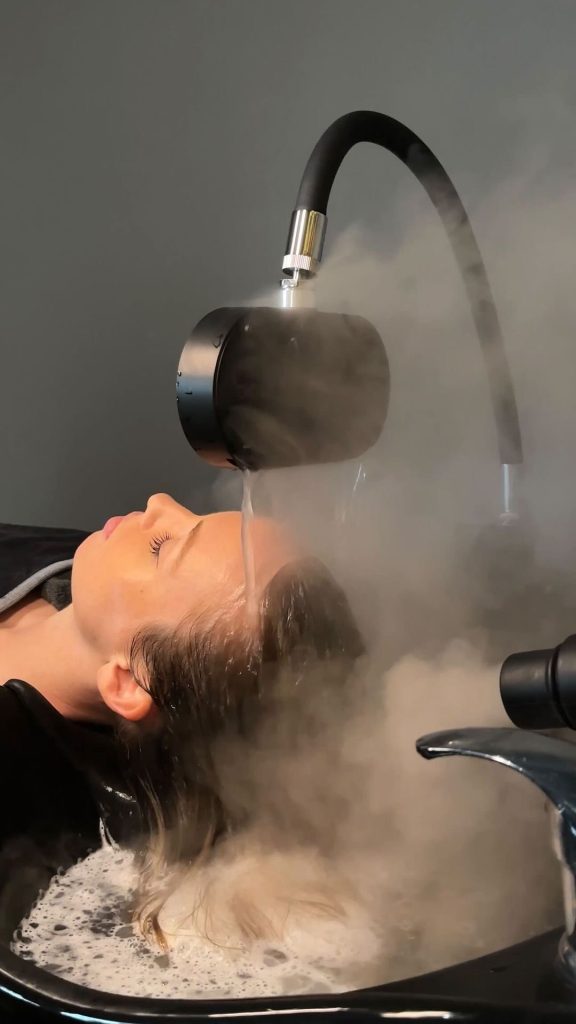
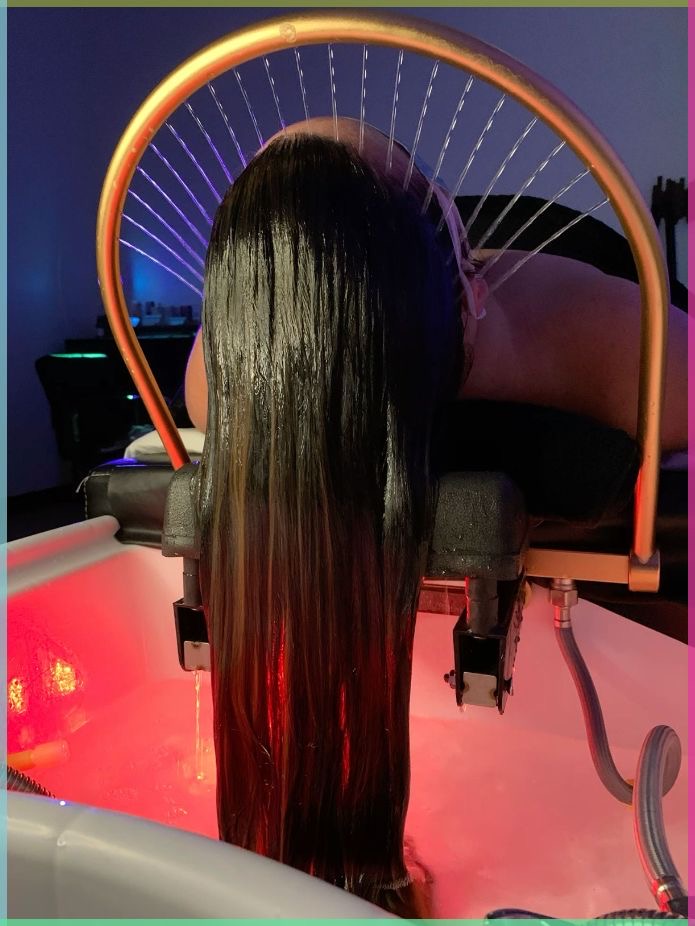
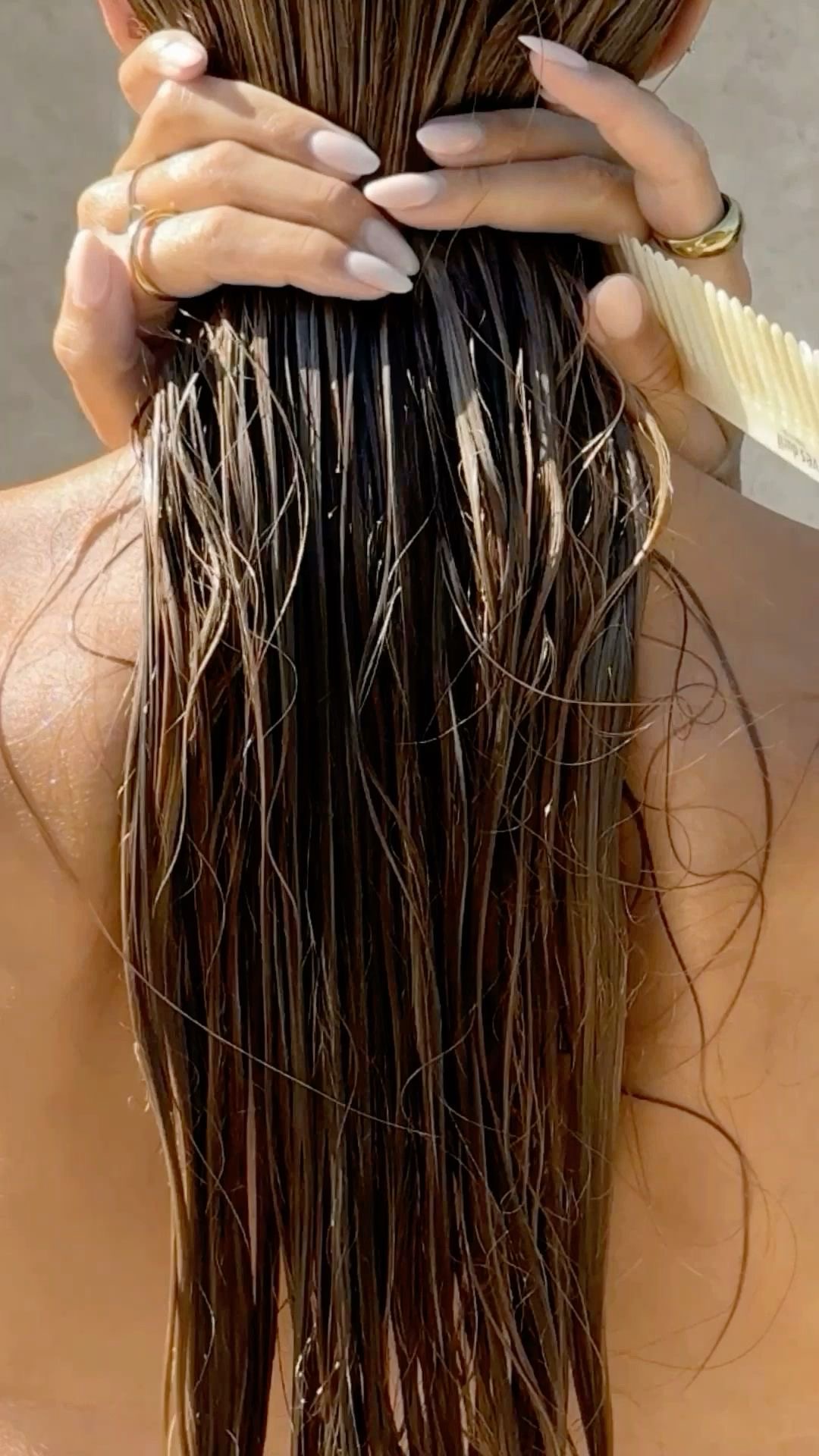
    A Japanese scalp treatment, or “head spa,” is far more than a luxurious shampoo—it’s a holistic approach to nurturing both scalp and hair health. Originating in Japan, these treatments blend traditional techniques with modern hair care to create a truly rejuvenating experience. Think of it as a facial for your scalp! Using essential oils, scalp scrubs, and deep conditioning masks, a hair therapist gently exfoliates the scalp, clears away excess oil and buildup, and hydrates each follicle.

    Central to the treatment is the scalp massage, which focuses on pressure points to encourage blood flow, ease tension, and stimulate hair growth. Some salons even add hot towels, aromatherapy, and steam treatments, making the experience a complete sensory escape. Ultimately, it’s designed to leave your scalp refreshed and balanced, making way for healthier, shinier hair. It’s no wonder these head spas have become so popular worldwide—this is one beauty ritual that combines indulgence with real, noticeable benefits.

    2. Benefits of Japanese Scalp Treatments

    Boosts Scalp Health and Hair Growth

    Think of a Japanese scalp treatment as a fresh start for your scalp. By cleansing away dead skin and buildup, it creates the ideal environment for healthy hair to thrive. With regular sessions, your scalp gets the TLC it needs to support strong, beautiful hair growth.

    Improves Blood Circulation

    The scalp massage is more than just soothing—it helps increase blood flow to the hair follicles. This increased circulation means more oxygen and nutrients reach each follicle, nurturing the roots and potentially promoting new growth for a fuller, healthier head of hair.

    Reduces Stress and Boosts Relaxation

    If you’re someone who carries stress like a badge of honor (aren’t we all?), the relaxing benefits of a Japanese scalp treatment might be your new go-to. The massage techniques used can release built-up tension, helping you unwind. Many people even find themselves drifting off during a session!

    Relieves Scalp Concerns

    Whether it’s dandruff, dryness, or oily buildup, Japanese scalp treatments are designed to reset your scalp. By exfoliating, hydrating, and balancing, these treatments help keep common scalp issues at bay, leaving it feeling refreshed and nourished.

    Promotes Healthier, Shinier Hair

    A clean, balanced scalp is the foundation of shiny, vibrant hair. The combination of essential oils, deep conditioning, and steaming in a head spa treatment means your strands soak up all the goodness, leading to hair that looks and feels revitalized.

    Aids Better Sleep and Overall Well-Being

    With its calming effects, a head spa treatment does more than just relax your scalp. It can also set you up for a better night’s sleep and a clearer mind, making it a fantastic self-care choice for overall wellness.

    3. What to Expect during a Head Spa Treatment

    Scalp Analysis for Customized Care

    Each treatment begins with a detailed look at your scalp’s current condition. The specialist may use a high-tech micro-camera or moisture sensor to get a close-up view, identifying any signs of dryness, oil buildup, dandruff, or sensitivity. This personalized approach allows them to select the ideal serums, hydration treatments, and massage techniques tailored just for you, making sure the session truly meets your scalp’s unique needs.

    Gentle Cleansing with Specialized Techniques

    The cleansing phase is not your typical shampoo! Using gentle, rhythmic techniques, the specialist carefully massages shampoo into your scalp, lifting away buildup without causing irritation. This is all about creating a clean foundation for your scalp and hair to fully benefit from the treatment. You’ll feel the difference in how delicate and thorough this process is.

    Deep Conditioning and Natural Ingredients

    Next up is a deeply hydrating treatment, where your scalp and hair are infused with nourishing ingredients. Japanese scalp spas often use natural ingredients beloved in Japanese beauty, like tsubaki (camellia) oil, seaweed, and green tea, each chosen for its incredible benefits. These ingredients work to hydrate, calm, and protect, giving your scalp and hair a nutrient boost that feels as good as it sounds.

    Acupressure Massage for Relaxation and Stimulation

    One of the most blissful parts of the treatment is the scalp massage. But it’s not just any massage—this one targets acupressure points across the scalp, neck, and sometimes even the shoulders. These techniques not only ease tension but also promote blood circulation, which is fantastic for both relaxation and enhancing hair growth. This part often feels like a mini-vacation, as the gentle pressure and rhythmic movements encourage you to fully unwind.

    Steam and Hot Towel Treatments

    To deepen the effects, many salons include a steam or hot towel phase. This allows the scalp’s pores to open, helping the nourishing oils and treatments penetrate more effectively. The warmth feels soothing, and it enhances the overall benefits by making sure the scalp and hair follicles are truly absorbing all the goodness from the products used.

    Finishing Touches for a Fresh, Light Feeling

    After the massage and treatments, your hair will be rinsed and styled, leaving it feeling light, refreshed, and fully revitalized. Expect your scalp to feel cleaner and more balanced, while your hair looks shinier and healthier than when you walked in.

    So Is a Japanese Scalp Treatment Worth it?

    After giving it a try, I’d say it absolutely is! From the moment I walked in, the experience was tailored to pure relaxation. The head spa’s attention to detail made it feel like more than just a hair treatment—it was a full, calming escape. The gentle scalp massage, the nourishing oils, and the deep cleanse all worked together to create a kind of reset for my scalp and hair that I just don’t get from my usual routine.

    The immediate effects were honestly impressive. My scalp felt incredibly clean, and it was free of all that built-up product and oil. My hair, which can sometimes feel weighed down, was light, soft, and full of volume. Even days after, I noticed that my blow-dry was still going strong, and my hair looked shinier and healthier. Friends even commented on how voluminous and fresh it looked, which was a nice little bonus!

    Now, I’ll admit it’s a bit of a splurge, especially when you think about all the other treatments we women like to do (manicures, pedicures, facials… the list goes on!). And yes, it can feel overwhelming to keep up with everything, both time-wise and budget-wise. But this experience felt so different from my usual routine and so thoroughly enjoyable that I’d say it’s definitely worth the occasional indulgence.

    Would I make it a regular habit? Maybe not every month, but I would absolutely treat myself to it again—especially around the holidays or as a way to unwind during busier times. It’s the perfect way to pamper yourself while giving your hair and scalp some much-needed love.

    For anyone who dreads wash day or struggles with scalp buildup, or even if you’re just looking for a unique way to de-stress, I’d recommend trying a Japanese scalp treatment at least once. It’s a treat for both your hair and your well-being, and it left me feeling lighter, rejuvenated, and genuinely pampered.

    “Self-care means giving yourself permission to pause.” – Cecilia Tran

  • The Best Haircut Ideas for Long Hair in 2025

    The Best Haircut Ideas for Long Hair in 2025

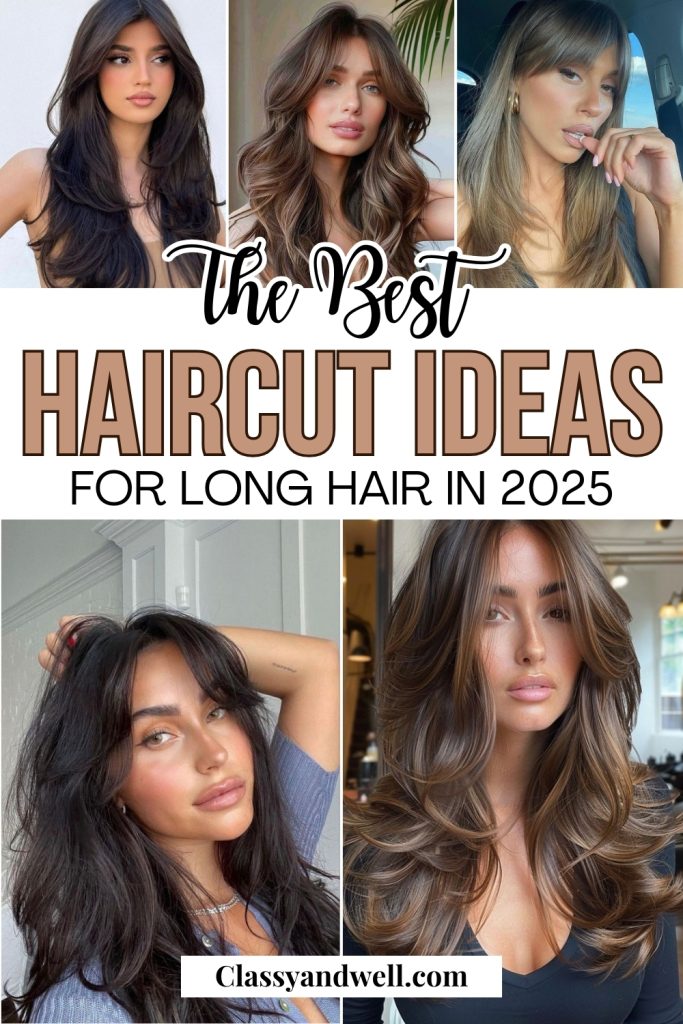
    Discover the hottest haircut trends for long hair in 2025 that will keep your locks looking fresh, stylish, and effortlessly chic.

    When it comes to long hair, the possibilities are endless! Whether you’re craving a fresh look or just want to shake things up a little, 2025 is bringing some seriously stunning haircut trends for long locks. From soft layers that add movement to bold bangs that frame the face, there’s something for everyone. Whether you’re looking to keep it low-maintenance or go for something dramatic, these haircut ideas will have you looking chic, fresh, and totally on-trend. Ready to get inspired? Let’s dive into the best haircut ideas for long hair in 2025!

    1. Long layers
    Credit: Latest Hairstyles
    Source: Luna

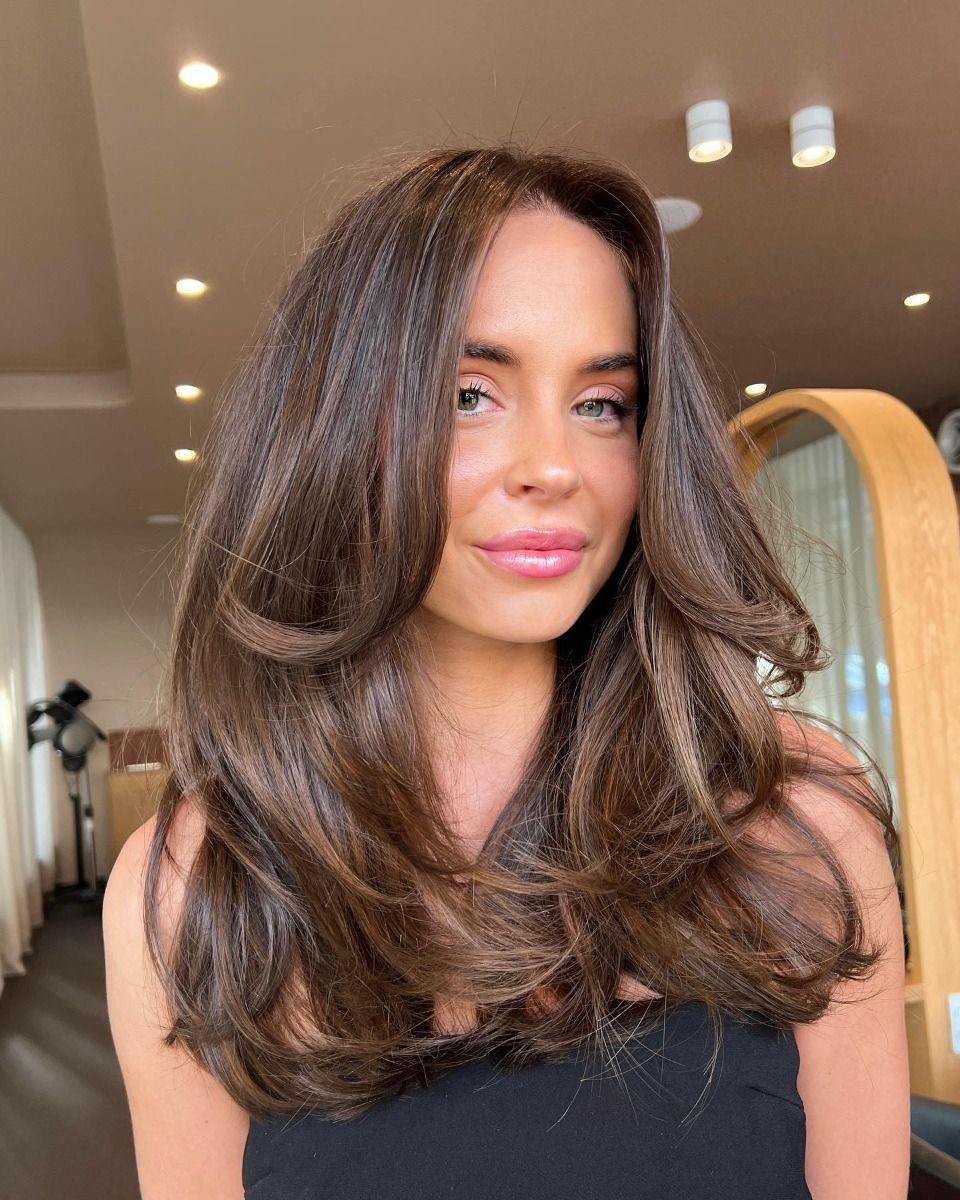
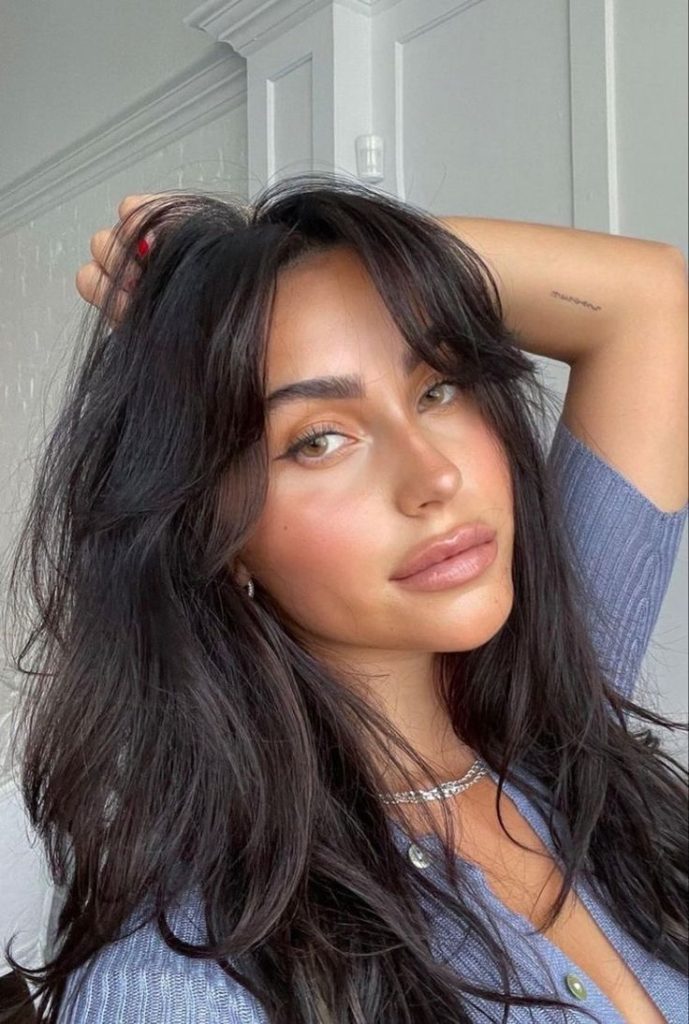
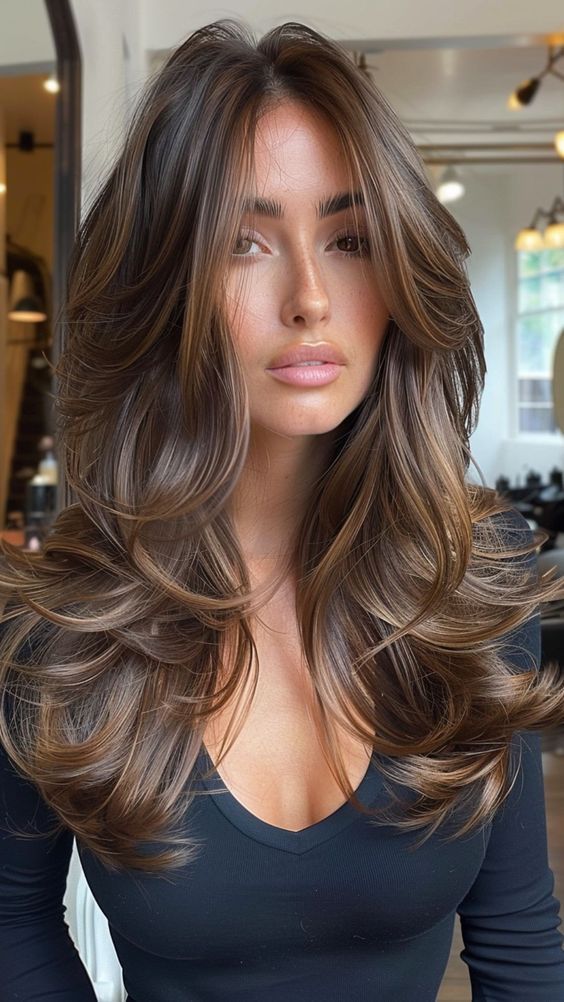
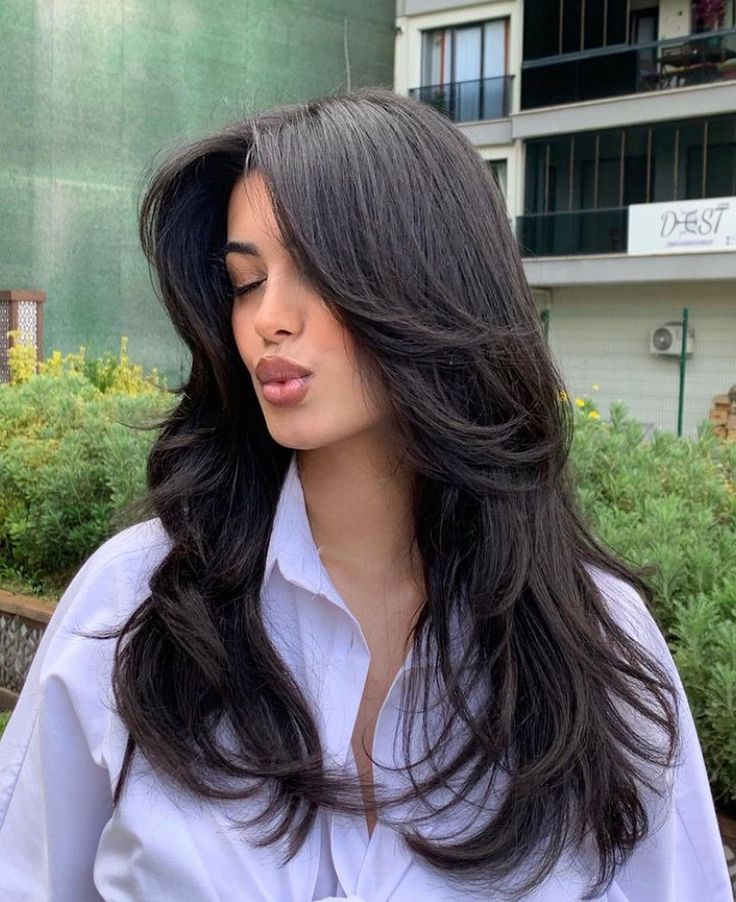
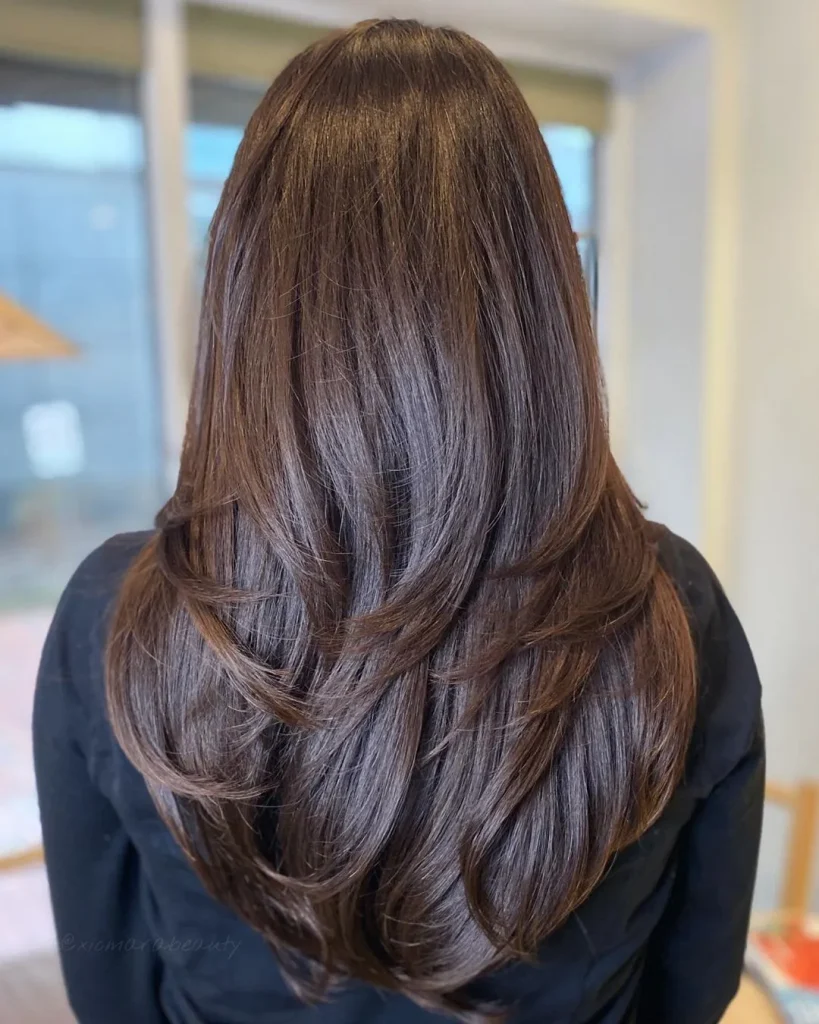
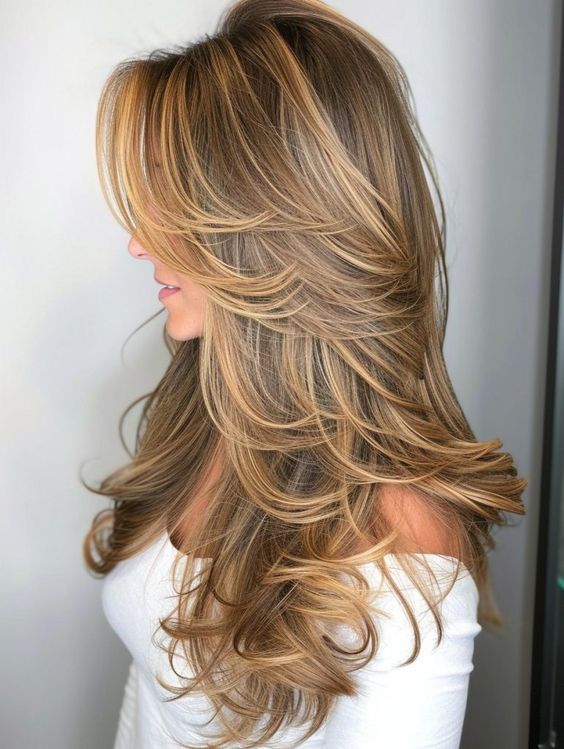
    Long layered haircuts are such a classic choice that never goes out of style, especially in 2025! They’re loved for being versatile and timeless, and it’s easy to see why. These hairstyles give your long hair so much texture and volume, making it a breeze to style and giving you a vibrant, lively look. Plus, those layers aren’t just for show—they actually make your hair easier to manage by taking off some weight. They also frame your face beautifully, bringing out your features with a soft, flattering effect. Whether you’re going for beachy waves or a sleek, straight look, long layers give you endless options to play with, perfect for any occasion or mood.

    2. Long Locks With Full Fringe
    Source: Style Enthusiast
    Source: Claudia Tihan

    Ever wondered about trying long locks with a full fringe? It’s a game-changer for sure! This style gives your hair a bold update without sacrificing any length. If you’re like me and want to shake things up with your long hair, a full fringe might just be the perfect choice. I saw my friend get one recently, and let me tell you, she was getting compliments left and right! It’s incredible how a simple change in your hair can completely transform your look. The best part? Besides giving you a fresh new vibe, a full fringe draws attention to your eyes, adding this captivating and modern touch to your overall style.

    3. Long Layers With Curtain Bangs
    Source: Florence
    Source: GlamGloss

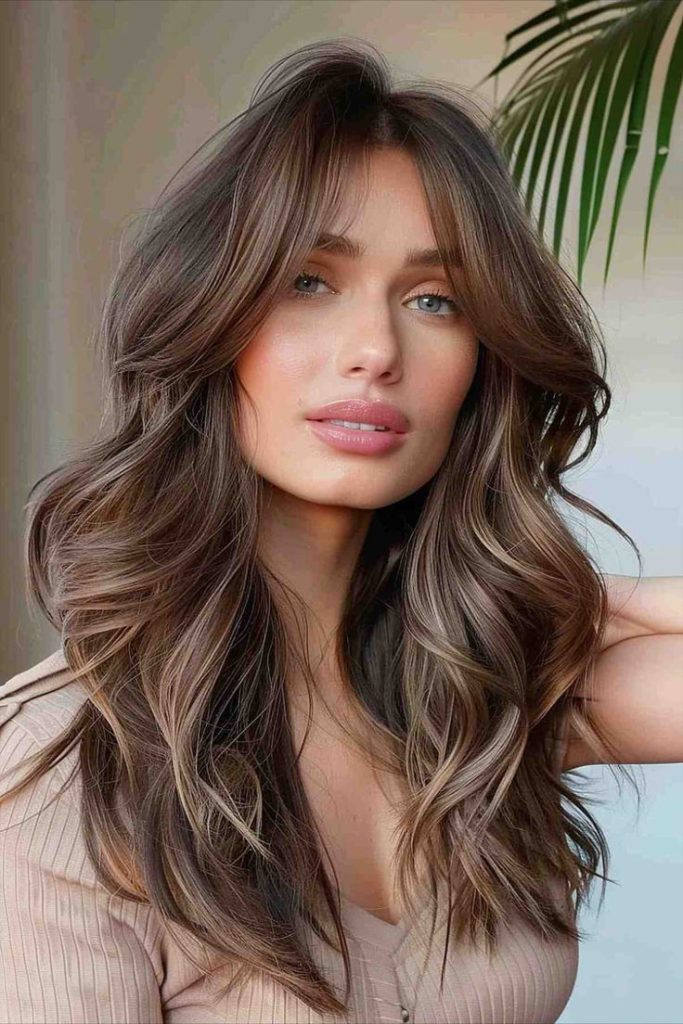
    This haircut has been around since the ’70s and has consistently remained popular. Long layers with curtain bangs combine the timeless appeal of layered hairstyles with the soft, face-framing elegance of curtain bangs. This versatile combination enhances texture and volume in long hair while adding a stylish focal point around the face. This hairstyle is suitable for various hair types and textures.

    4. Feathered Layers
    Source: Hadviser
    Source: YourWifeKnows

    What exactly is feathered layered hair? It’s a hairstyle that’s been around since the ’70’s where your hair is cut into layers that are gently tapered and blended together. This technique creates a soft, feathered effect that adds so much texture, volume, and movement to your hair. It’s like each layer flows into the next, giving your hair a lighter and more airy look, which is quite different from the sharp lines you get with blunt cuts. It’s all about creating a natural, flowing style that enhances the overall thickness and bounce of your hair.

    5. Curly Hair Long Layers
    Source: Flawless Hair
    Source: Chey-chey

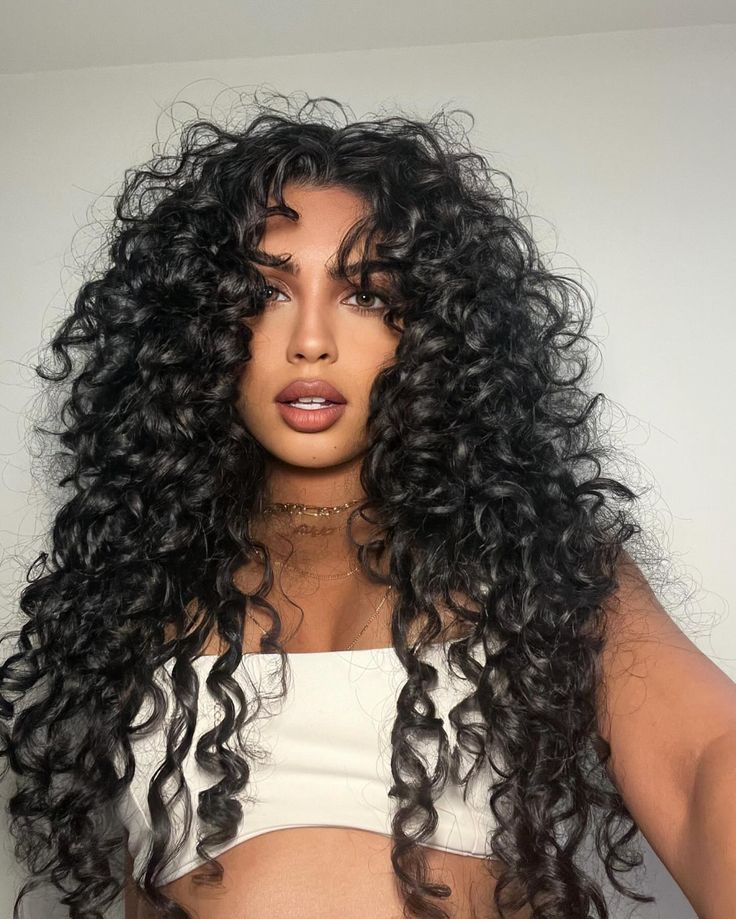
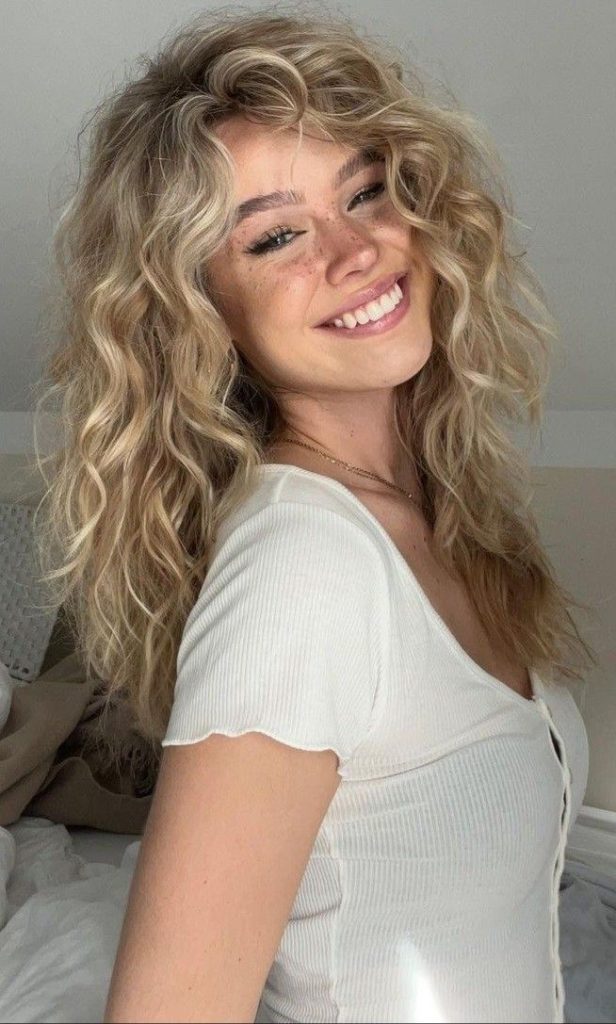
    Some people absolutely hate their natural curls, while others go the extra mile to curl their hair to achieve a look like this. Curly hair with long layers is a flattering hairstyle that enhances natural curls while adding texture and definition. Long layers are strategically cut to remove weight, allowing curls to spring up more freely and reducing bulkiness. This technique helps to shape the curls beautifully, giving them a more defined and bouncy appearance. For many, this style is a game-changer—it celebrates natural texture in a way that feels effortless and stylish.

    6. Blunt Cut
    Source: Pinterest
    Source: Briana Rashay

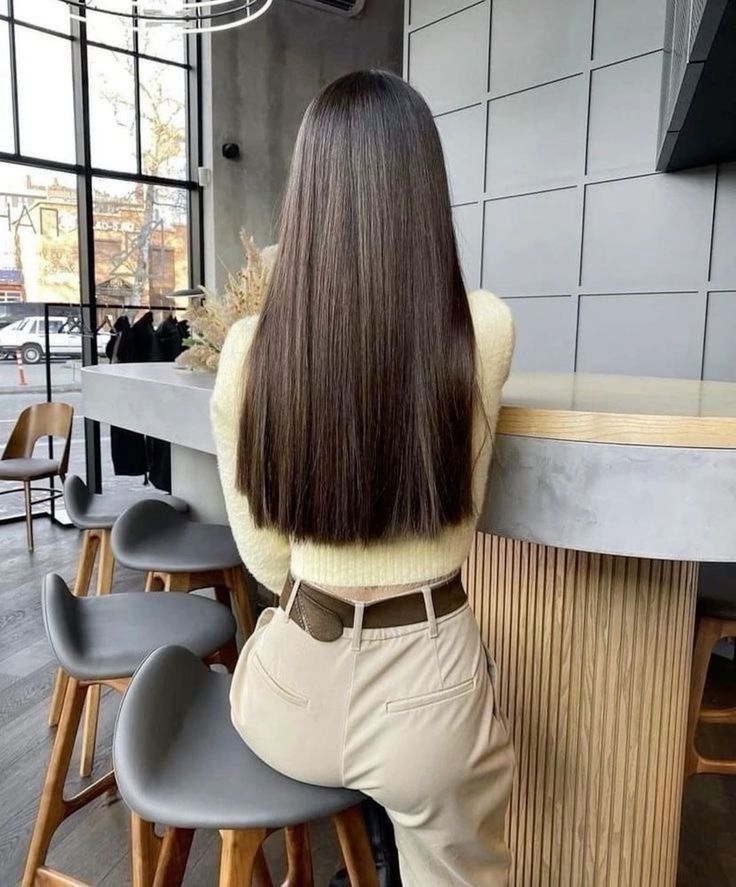
    A blunt cut is such a sleek and polished hairstyle! It’s all about trimming the hair in a straight line, which creates this uniform length with no layers or tapering. Those sharp and precise edges really give your hair that clean and modern look. I find it perfect, especially for those with thinner hair, because it can make your hair appear fuller and more voluminous. It’s a style that always makes a statement and keeps your hair looking effortlessly chic.

    7. Face-Framing Layers
    Source: Hair Adviser
    Source: Gemma Etc.

    This has to be my favorite hairstyle! Face-framing layers work wonders by adding shorter layers around the face to really bring out your facial features. It’s all about enhancing those natural contours, giving your look a soft and flattering frame that I find incredibly flattering. These layers draw attention to your eyes, accentuate your cheekbones, and define your jawline, which together create a youthful and polished appearance. I love how versatile they are too—whether you wear your hair up or down, these layers effortlessly elevate your style.

    8. Long And Middle Parted
    Source: Latest Hairstyles
    Source: SWILT

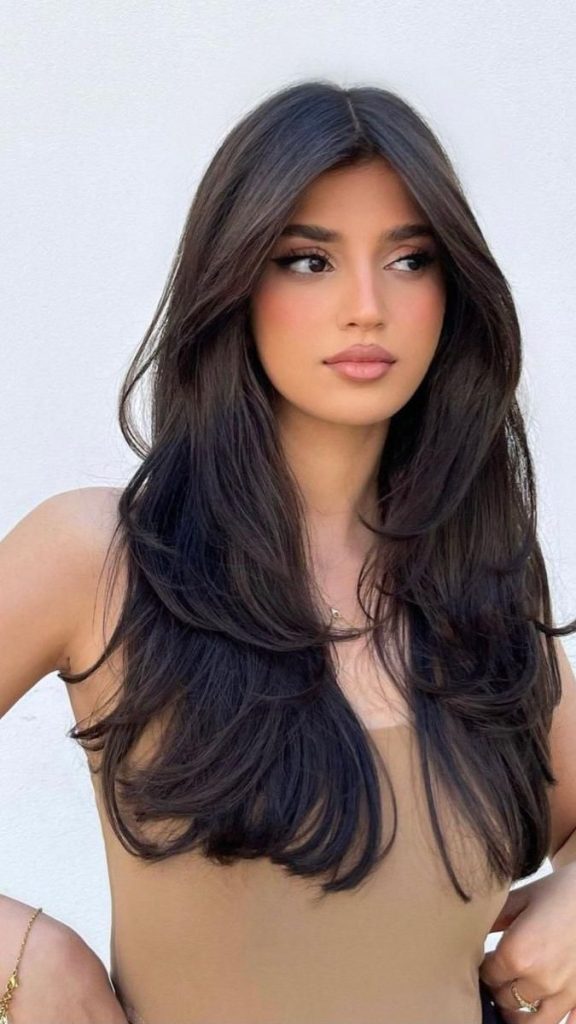
    A long hairstyle with a middle part is characterized by its sleek and symmetrical appearance. This style typically involves parting the hair down the center, creating a balanced look that enhances facial symmetry. It’s a versatile choice that works well with various hair textures and lengths, offering a clean and polished aesthetic. Have you ever been told that you look better with your hair parted in the middle? I believe this is true! Some people look better with their hair parted on the side, while others look better with a middle part.

    I hope you enjoyed exploring these haircut ideas for long hair!

    Whether you’re drawn to the effortless chic of long layers, intrigued by the bold statement of a full fringe, or favor classic styles like blunt cuts and feathered layers, there’s a haircut to suit every preference. These trends not only enhance your natural beauty but also empower you to express yourself through your hair. Step into the year with confidence and style, knowing these trending cuts will keep you looking fresh and on-trend throughout 2025 and beyond.