Want to feel better than ever? Check out this 7-day eating plan to support a healthy gut!

Why Eating Healthy is Crucial for Gut Health
Eating healthy isn’t just about maintaining a slim waistline or having glowing skin; it’s also vital for keeping our gut in good shape. Our gut is home to trillions of bacteria and other microorganisms that play a huge role in digesting food, absorbing nutrients, and even supporting our immune system. When we eat a balanced diet rich in fiber, fruits, vegetables, and fermented foods, we help these good bacteria thrive. On the flip side, too much processed food, sugar, and unhealthy fats can harm these beneficial microbes, leading to problems like bloating, indigestion, and even more serious health issues. So, by choosing healthier foods, we’re not just feeding ourselves – we’re also nurturing a happy, healthy gut.
Which Diet is Good for Gut Health?
When it comes to gut health, not all diets are created equal. The best diet for maintaining a healthy gut is one that’s rich in fiber, diverse in plant-based foods, and includes fermented products. The Mediterranean diet is often recommended because it’s high in fruits, vegetables, whole grains, nuts, seeds, and healthy fats like olive oil. This diet supports a diverse gut microbiome, which is key to overall gut health. Additionally, including fermented foods like yogurt, kefir, sauerkraut, and kimchi can introduce beneficial probiotics to your digestive system, enhancing your gut flora balance. However, it’s important to choose a diet that works for you and isn’t too restrictive in the long run. The goal is to repair and maintain a healthy gut without feeling deprived. Instead of thinking of it as a restrictive diet, aim to make it a lifestyle change. Find joy in the foods and recipes you eat, and remember that sustainability is key. Enjoying your meals is just as important as their health benefits!
Why Are Gut Health Issues More Common Nowadays?
Gut health issues seem to be on the rise, and there are several reasons why this might be the case. Our modern lifestyle and diet play significant roles.
- Diet high in processed foods: Many people today consume a diet high in processed foods, refined sugars, and unhealthy fats, which can negatively impact the balance of bacteria in the gut. These foods often lack the fiber that is crucial for a healthy digestive system.
- Stress: Stress is another major factor. Our fast-paced lives and constant exposure to stress can disrupt the gut’s natural balance, leading to problems like bloating, indigestion, and more serious conditions such as irritable bowel syndrome (IBS).
- Lack of physical activity: A lack of physical activity and poor sleep habits can further contribute to gut health problems. Exercise helps keep our digestive system functioning smoothly, and good sleep is essential for overall health, including the health of our gut.
- Antibiotics: Overuse of antibiotics, while necessary for treating infections, can also harm the beneficial bacteria in our gut, leading to imbalances and digestive issues.
By addressing these factors, we can take steps toward better gut health and overall well-being.
What Foods Should I Avoid for Better Gut Health?
Just as certain foods can boost your gut health, others can negatively impact it. Processed foods, high in refined sugars and unhealthy fats, can disrupt the balance of bacteria in your gut. Artificial sweeteners, often found in diet sodas and sugar-free products, can also be harmful. Foods high in saturated fats, like fried foods and fatty cuts of meat, can promote inflammation in the gut. It’s also wise to limit alcohol and caffeine, as they can irritate the gut lining and disrupt digestive processes. By avoiding these foods, you help maintain a healthy and balanced gut environment.
How Do Probiotics Help with Gut Health?
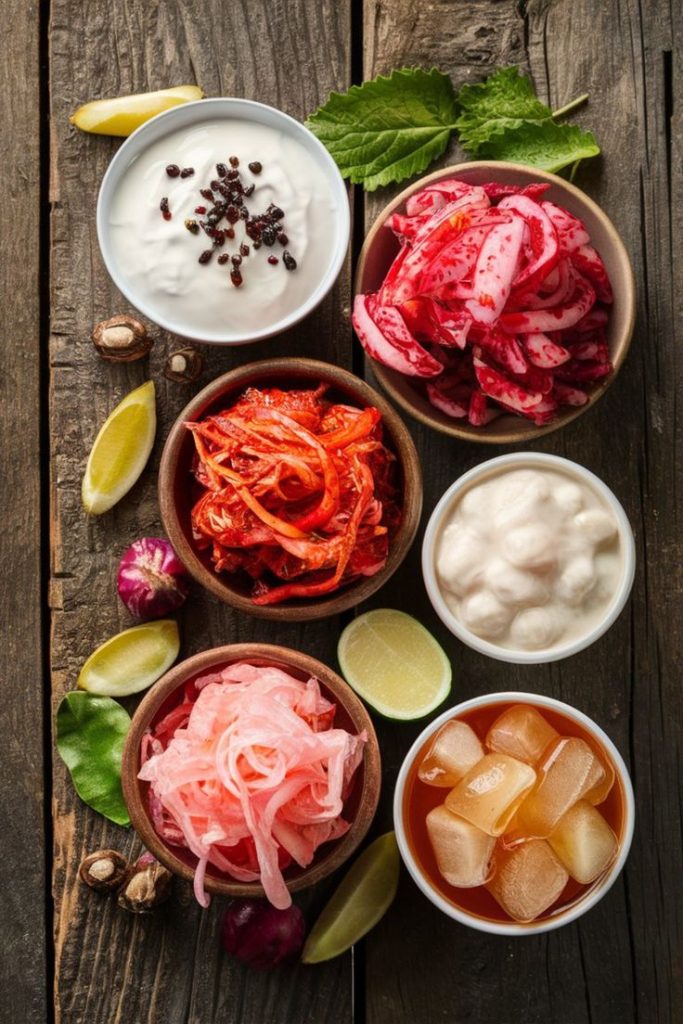
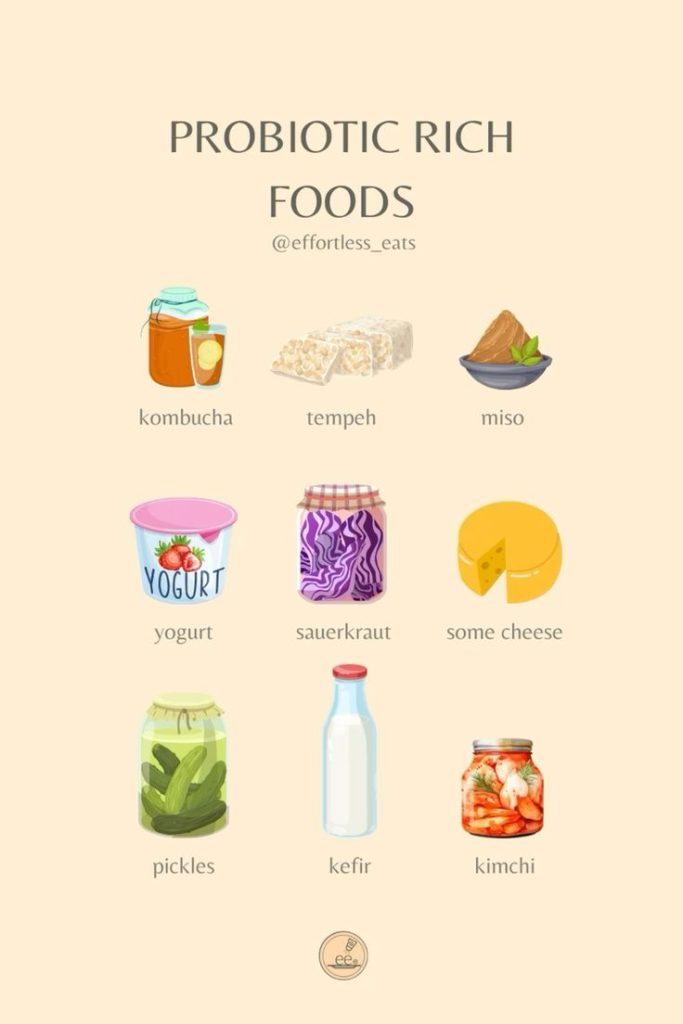
Probiotics are live bacteria and yeasts that are good for your digestive system. They help keep your gut healthy by balancing the levels of beneficial bacteria, aiding in digestion, and supporting the immune system. Consuming foods rich in probiotics, such as yogurt, kefir, and fermented vegetables, can help replenish and maintain a healthy gut microbiome. Additionally, probiotics can help prevent or alleviate digestive issues like bloating, constipation, and diarrhea. Including a variety of probiotic-rich foods in your diet can be a simple yet effective way to support your gut health.
Are Prebiotics Important for Gut Health?
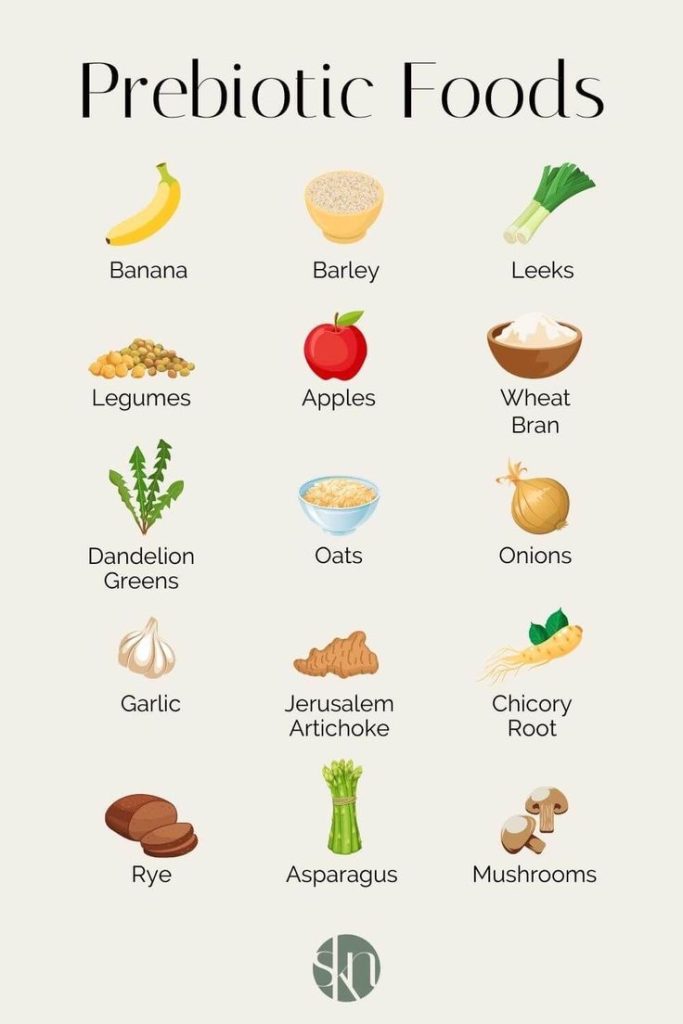
Absolutely! Prebiotics are a type of fiber that feeds the beneficial bacteria in your gut, helping them grow and thrive. Foods rich in prebiotics include garlic, onions, leeks, asparagus, bananas, and whole grains. When you consume prebiotics, you’re essentially providing fuel for the probiotics in your gut, enhancing their ability to support digestion and overall health. Incorporating prebiotic-rich foods into your diet ensures that your gut microbiome has the nutrients it needs to function optimally, promoting better gut health and overall well-being.
Can Stress Affect Gut Health?
Yes, stress can significantly impact your gut health. When you’re stressed, your body releases stress hormones like cortisol, which can disrupt the balance of bacteria in your gut and impair digestive function. Chronic stress can lead to issues like irritable bowel syndrome (IBS), bloating, and indigestion. Managing stress through techniques like meditation, exercise, deep breathing, and adequate sleep can help maintain a healthy gut. Additionally, engaging in activities that promote relaxation and well-being can support both your mental health and your gut health.
How Much Fiber Do I Need for a Healthy Gut?
Fiber is essential for a healthy gut, and most adults need about 25-30 grams per day. Fiber helps keep your digestive system moving smoothly, prevents constipation, and feeds the beneficial bacteria in your gut. There are two types of fiber: soluble and insoluble. Soluble fiber, found in foods like oats, beans, and apples, dissolves in water and helps lower blood cholesterol and glucose levels. Insoluble fiber, found in whole grains, nuts, and vegetables, adds bulk to your stool and aids in regular bowel movements. Including a mix of both types in your diet can promote optimal gut health.
How Can I Tell if My Gut is Improving?
Improving gut health can lead to noticeable changes in your overall well-being. You might see better digestion with less bloating, gas, and more regular bowel movements. Increased energy levels, improved mood, and clearer skin are also good signs. A healthier gut can boost your immune system, so you might find yourself getting sick less often. If you notice you can eat a wider variety of foods without discomfort and maintaining a healthy weight becomes easier, these are all positive indicators that your gut health is on the mend. Remember, these changes take time, so be patient and consistent with your healthy habits.
A Full Week of Eating for Gut Health (with Recipes)
Below you will find a 7-day meal plan and recipes that I’ve personally tried and loved since beginning my gut health journey after being diagnosed with a leaky gut. Since working towards healing my gut, I have felt better than ever and I hope you will too!
Day One
BREAKFAST: Greek Yogourt Parfait (Greek yogourt (unsweetened), fresh berries, chia seeds, honey or maple syrup (optional), a handful of almonds or walnuts (optional, for crunch))
MORNING SNACK: Apple with Almond Butter
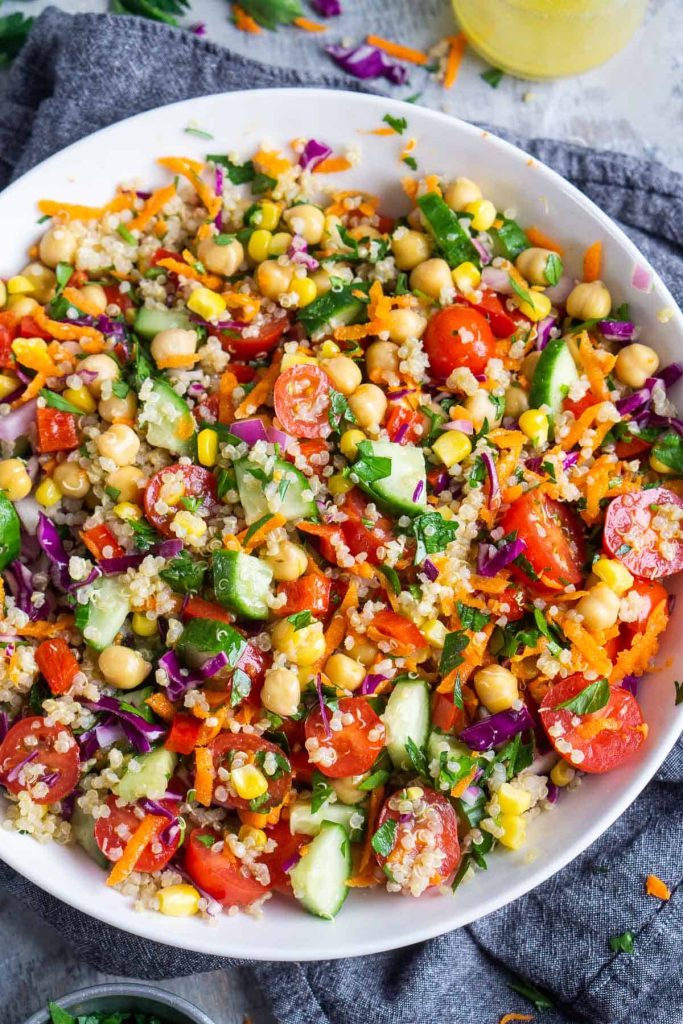
LUNCH: Fresh Vegetable Quinoa Salad
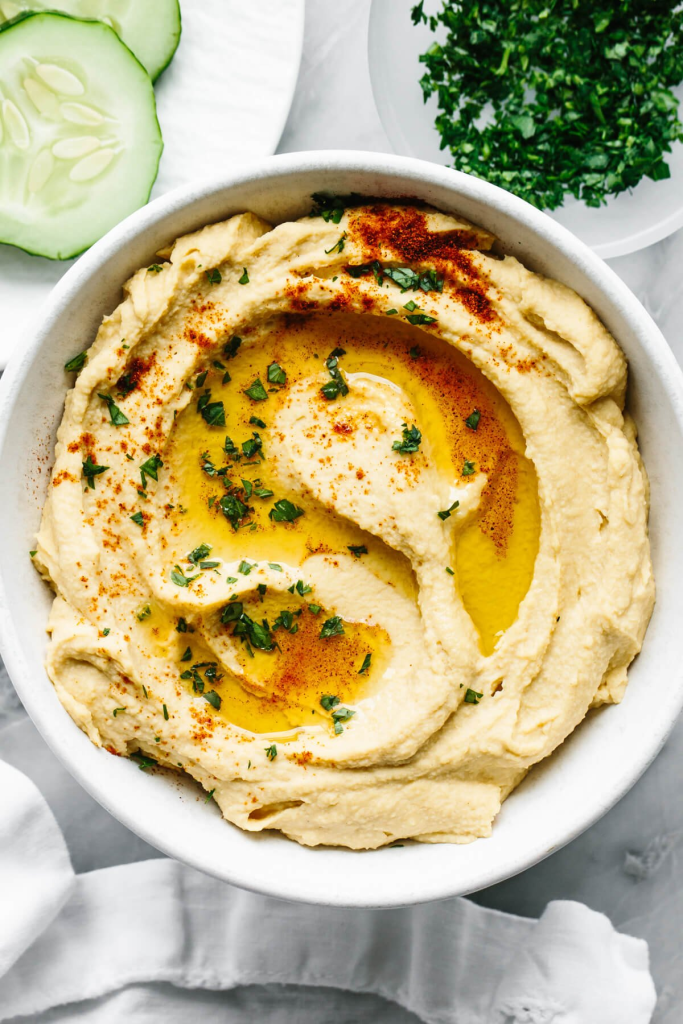
AFTERNOON SNACK: Carrot Sticks with Hummus
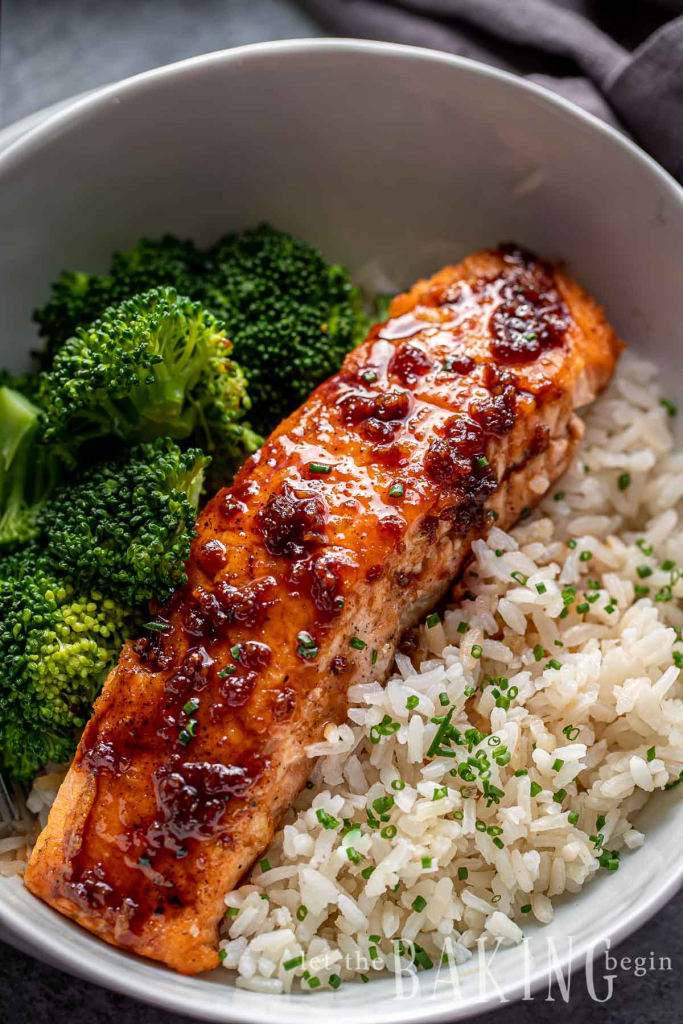
DINNER: Honey Glazed Salmon Recipe with Broccoli
DAY TWO
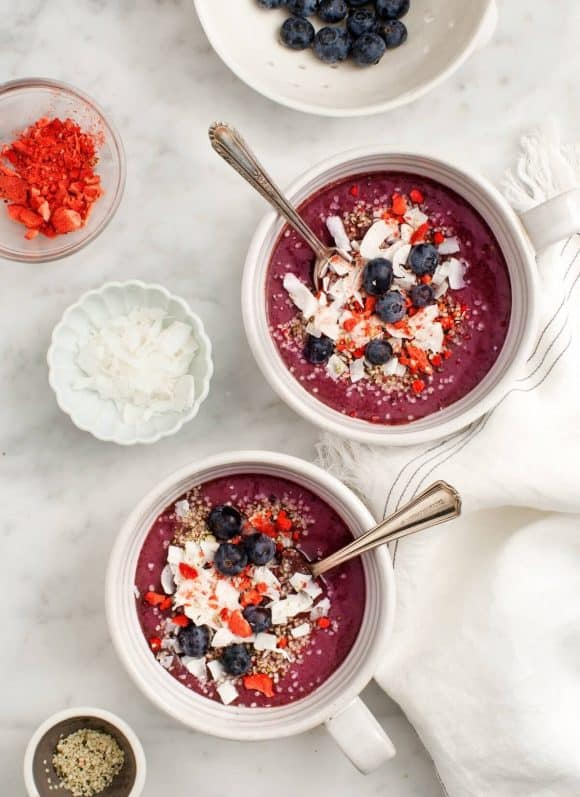
BREAKFAST: Berry Superfood Smoothie Bowl
MORNING SNACK: Raspberry-Kefir Smoothie
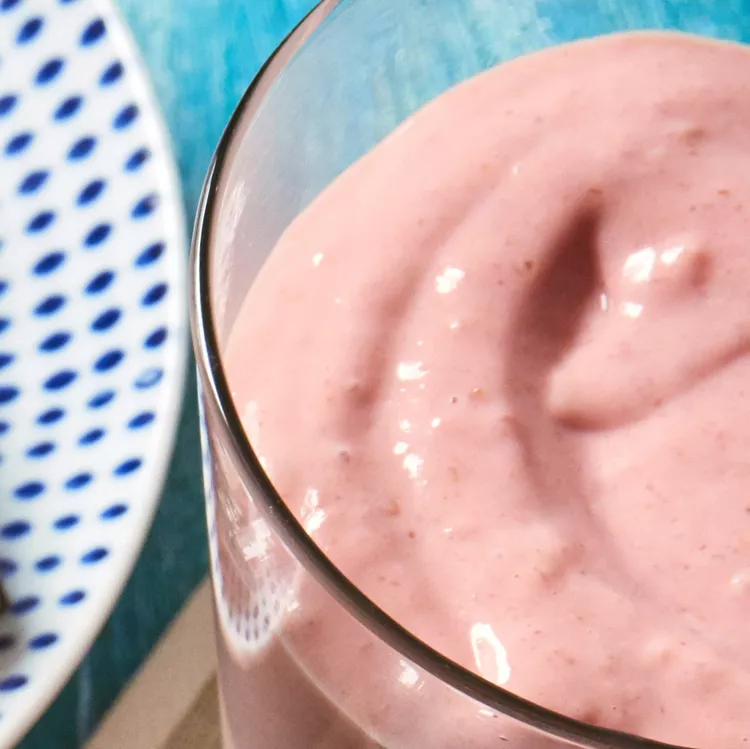
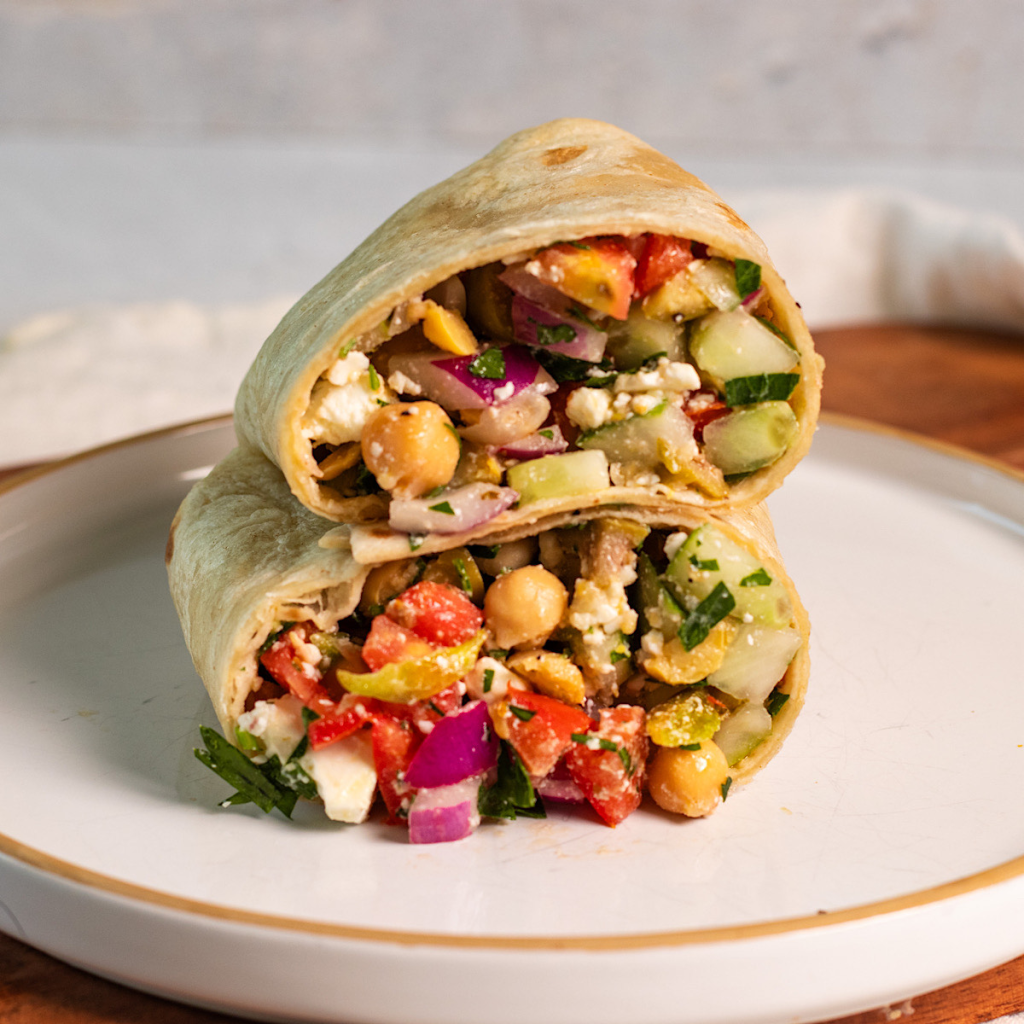
LUNCH: Chopped Greek Salad Wraps with Chickpeas
AFTERNOON SNACK: Sliced Bell Peppers with Guacamole

DINNER: Mediterranean Chicken Marinade with Vegetables and Quinoa

DAY THREE
BREAKFAST: Chia Pudding
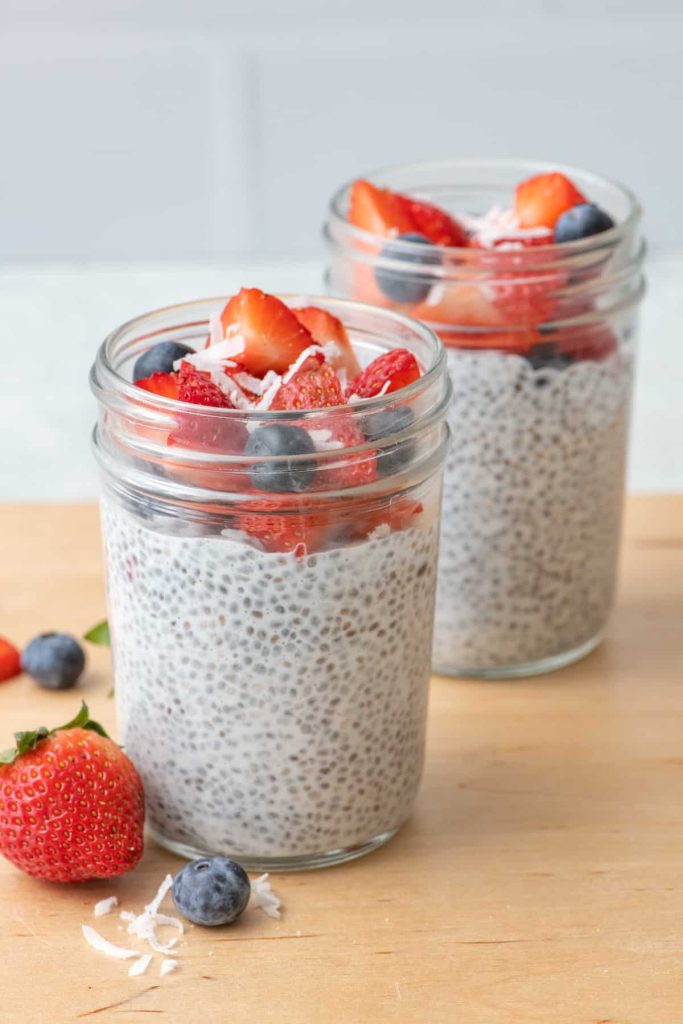
MORNING SNACK: Greek Yogourt with Berries and Walnuts (optional: cinnamon) and a Cup of Bone Broth Latte

LUNCH: Tuna Salad
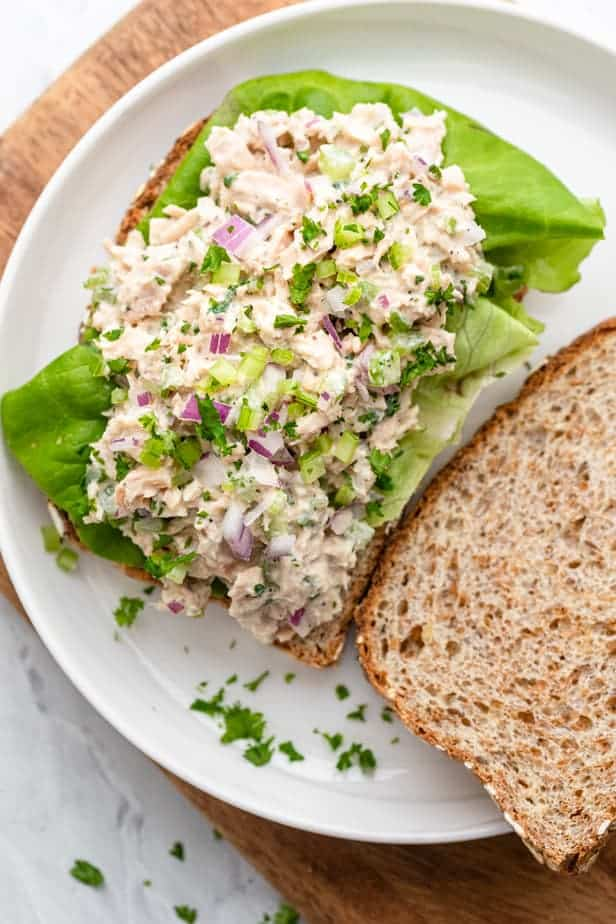
AFTERNOON SNACK: Dates stuffed with almond butter sprinkled with flaky sea salt & ginger lemon honey tea

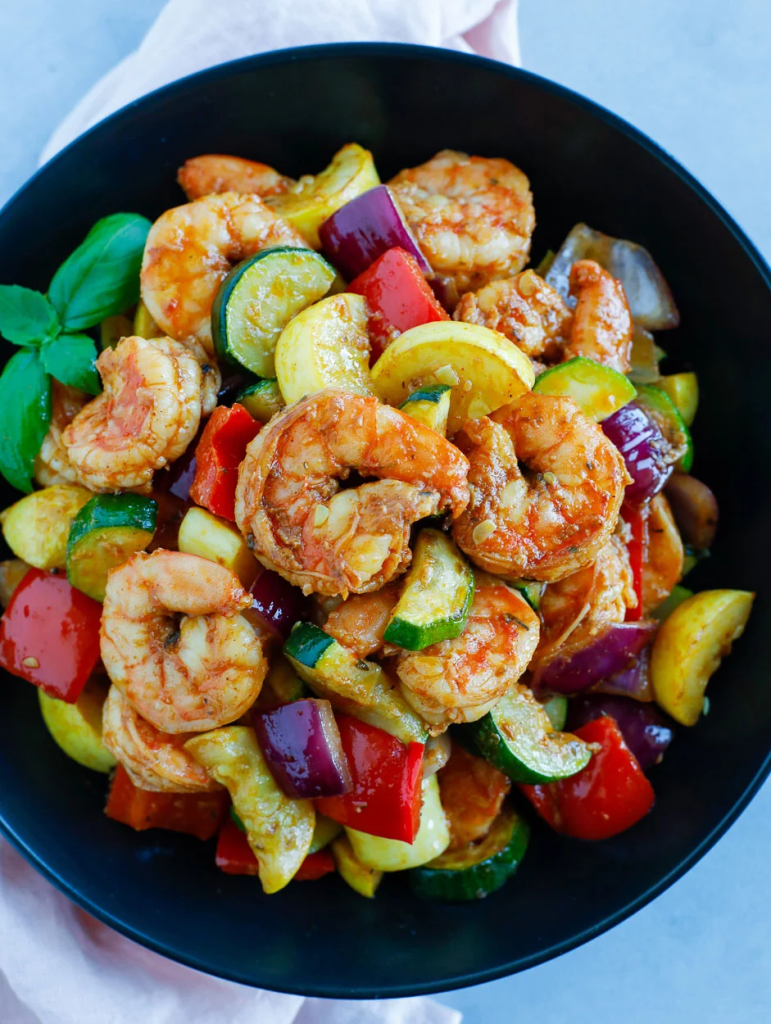
DINNER: Shrimp and Vegetables Skillet
DAY FOUR
BREAKFAST: Omelette cooked in grass-fed butter with veggies

MORNING SNACK: Adrenal Cocktail

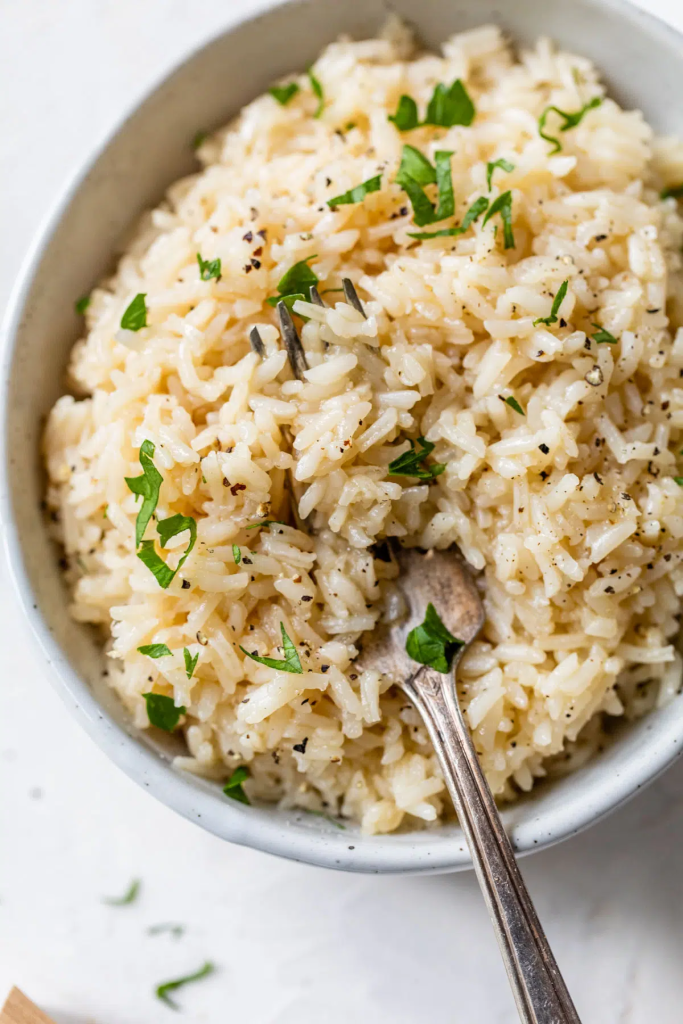
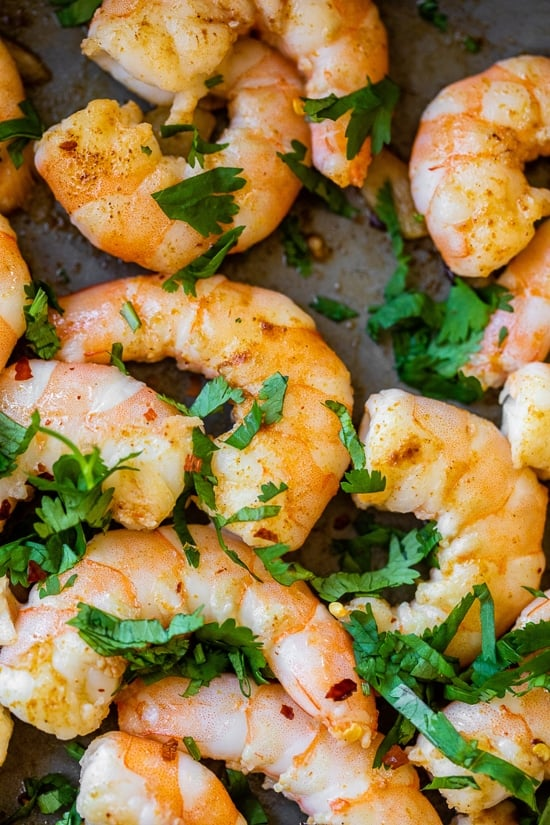
LUNCH: Rice bowl (rice cooked in bone broth) with garlic shrimp and roasted vegetables of choice
AFTERNOON SNACK: Coconut yogurt with berries & dark chocolate, and ginger tea
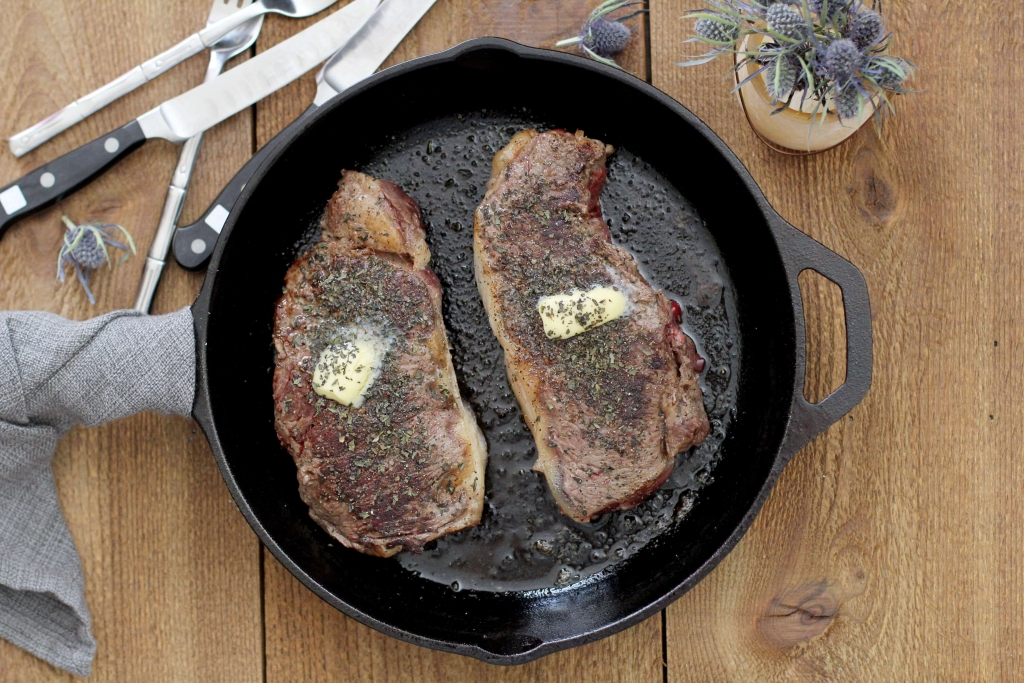
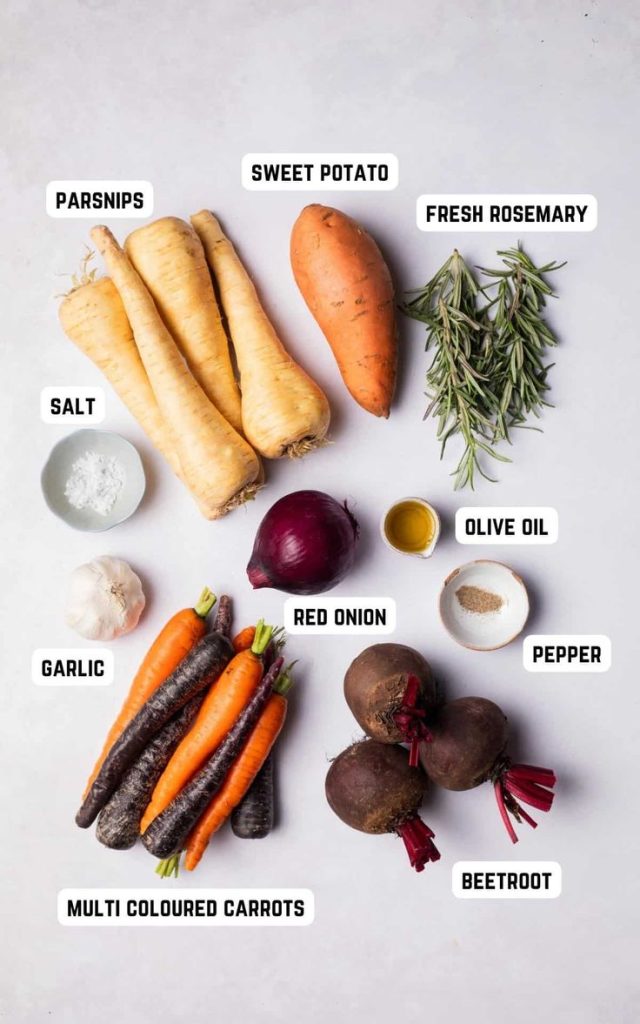
DINNER: Seared Grass-Fed Steak with roasted carrots, green beens & sweet potatoes
DAY FIVE
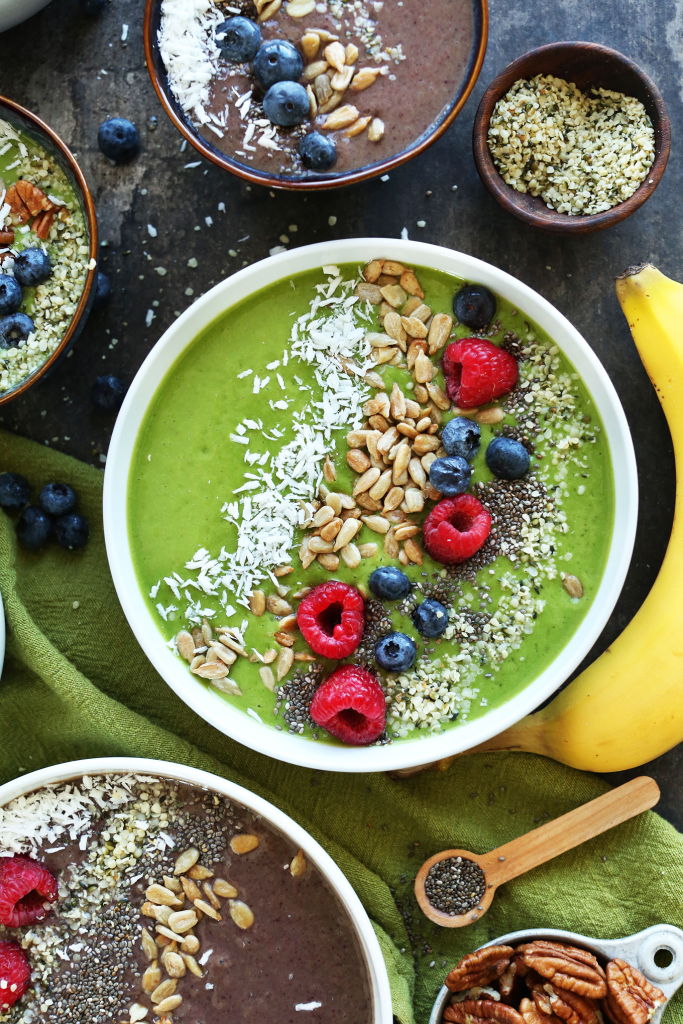
BREAKFAST: Super Green Smoothie Bowl (add protein powder or collagen for protein)
MORNING SNACK: 2 hard boiled eggs with blueberries & kiwi
LUNCH: Turkey Meatballs and salad

AFTERNOON SNACK: Sweet potato chips with guacamole
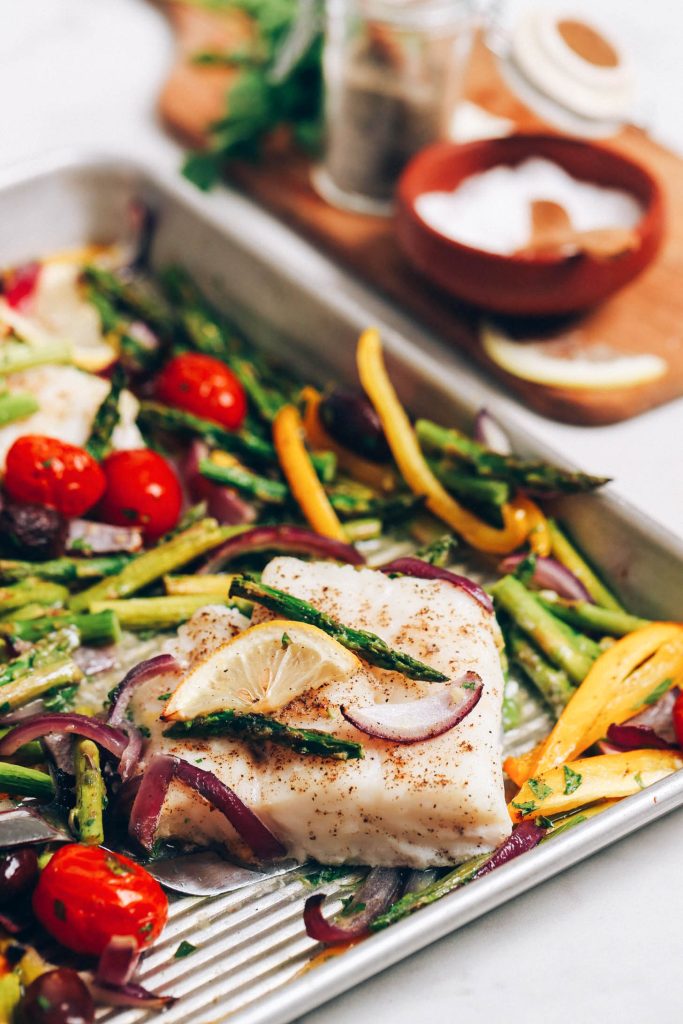
DINNER: Baked Cod with Spring Vegetables
DAY SIX
BREAKFAST: Greek Yogourt Parfait (Greek yogourt (unsweetened), fresh berries, chia seeds, honey or maple syrup (optional), a handful of almonds or walnuts (optional, for crunch))
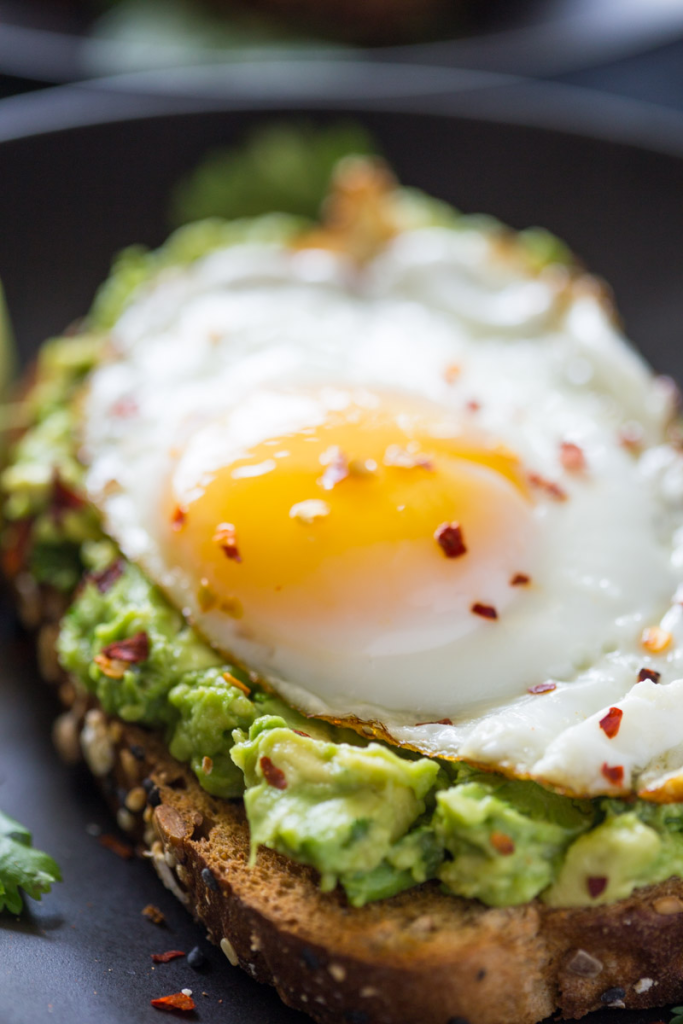
MORNING SNACK: Avocado toast with 2 boiled eggs
LUNCH: Grilled Lemon Herb Mediterranean Chicken Salad

AFTERNOON SNACK: Hummus with jicama sticks
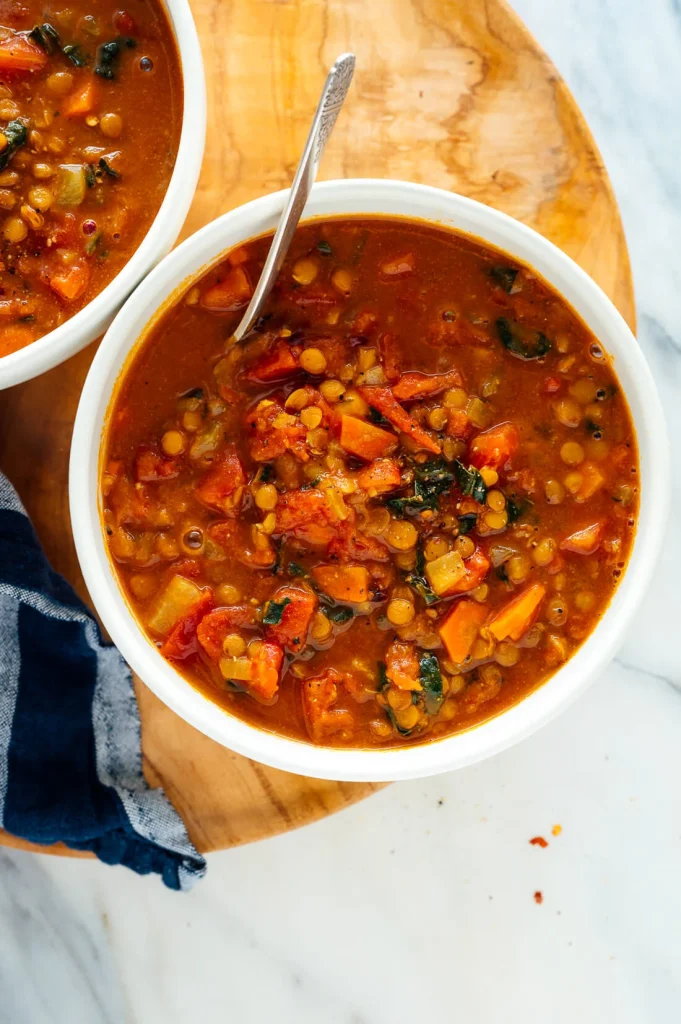
DINNER: Lentil Soup
Day Seven
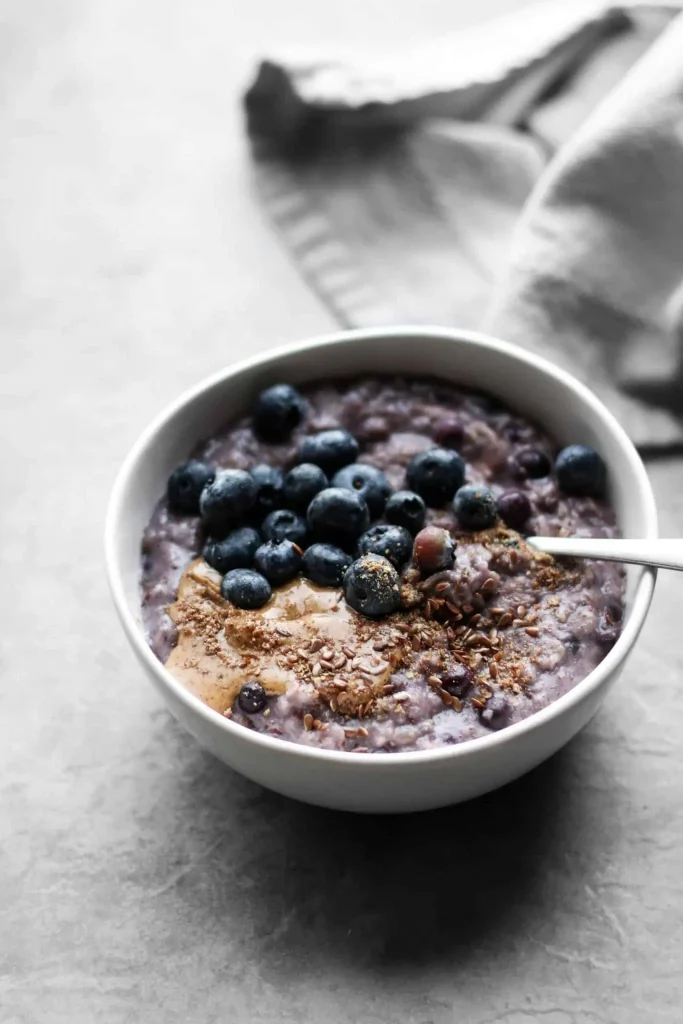
BREAKFAST: Oatmeal with Flaxseeds and Berries
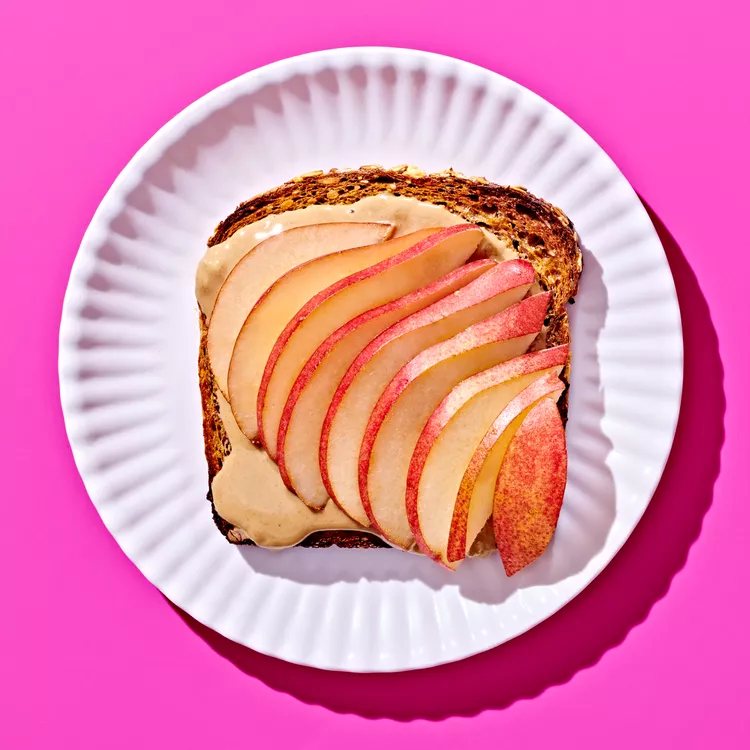
MORNING SNACK: Pecan Butter & Pear Toast
LUNCH: Garlic Scallops, bone broth rice, & roasted asparagus

AFTERNOON SNACK: Kombucha and Almonds
DINNER: Kefir Marinated Grilled Steak Tacos

Disclaimer: All content found on the Classyandwell.com were created for informational purposes only. The information and recipes provided in this blog are based on my personal experiences and research. The content is not intended to be a substitute for professional medical advice, diagnosis, or treatment.
Leave a Reply